The double-decker bus is a fixture of the Hong Kong landscape. It navigates the tight, crowded corridors of Kowloon every day, carrying thousands of lives through a city built on commerce. On Valentine’s Day, one of those buses disappears in a fireball. Seventeen people die instantly.
For audiences used to modern Chinese cinema, this opening feels familiar. It looks like the start of another high-octane thriller by Herman Yau, a man who has directed more than 80 films. He is the veteran director behind the massive Shock Wave franchise and recent action hits like Customs Frontline. But if you expect a standard police procedural where detectives chase a hidden villain, you misunderstand his true intention.
His latest feature, We’re Nothing at All, discards the whodunnit formula immediately. The audience learns early on that the explosion was a joint suicide pact by Fai and Ike, a young gay couple pushed to the absolute edge by poverty, homelessness, and systemic homophobia. The film follows a retired forensic specialist named Lung Sir, played by Patrick Tam, who reconstructs their final months. It is an exploration of societal neglect, funded entirely out of Yau’s own pocket because traditional commercial backers found the topic too risky.
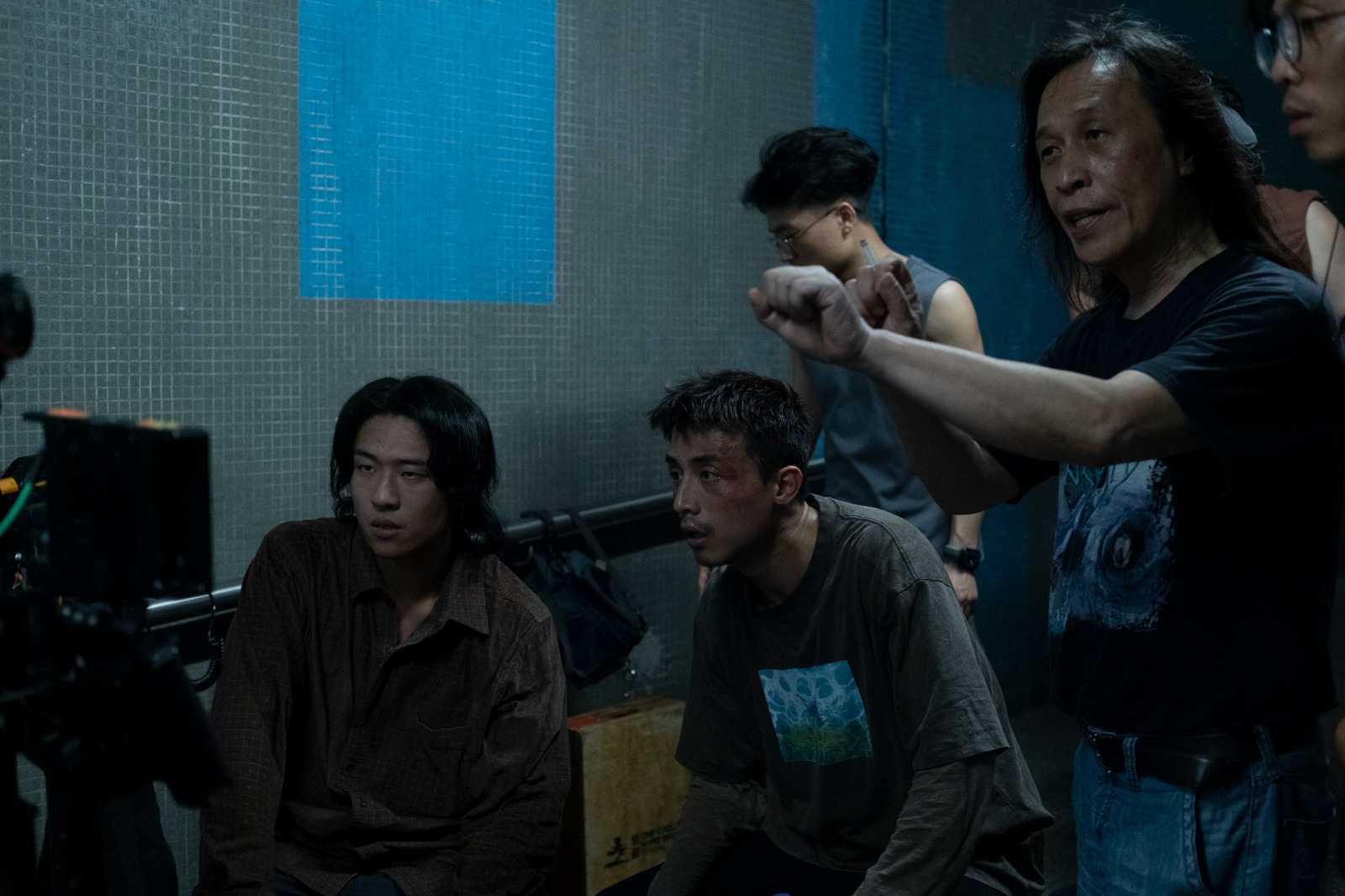
“When I said it was a happy process or experience, it was a reflection on looking back at the process after the movie was made,” Yau says during our conversation. He sits comfortably, showing the calm energy of a filmmaker who has spent 40 years on chaotic sets. “The actors, actresses, and crew members fully put their effort into trying to make this movie a good one. On set, we were filming in a very happy way, even though the story itself is a very sad one.”
The contrast between a joyful set and a devastating story defines Yau’s entire career. In the 1990s, he became famous for extreme cult films like The Untold Story, a shocking movie that caused audience walkouts but established him as a fearless filmmaker. He later transitioned into big-budget commercial blockbusters, yet he always maintained a streak of social conscience, occasionally directing lower-budget features about sex workers, childhood trauma, and legal injustice.
Read more: We Sat Down With Tony Leung To Discuss Trust, Technique… And Trees
We’re Nothing at All brings those two identities together. The inspiration for the story came from a real-world tragedy.
“The story is loosely based on true events that happened in Wuhan in 1998,” Yau explains. “I learnt of it when I was doing the research for Shock Wave 3, but the story didn’t really fit the kind of film that my producers expected. So I relocated it to Hong Kong, changed it from a single deck bus to a double decker and bumped the number of deaths by one to account for a pregnant passenger.”
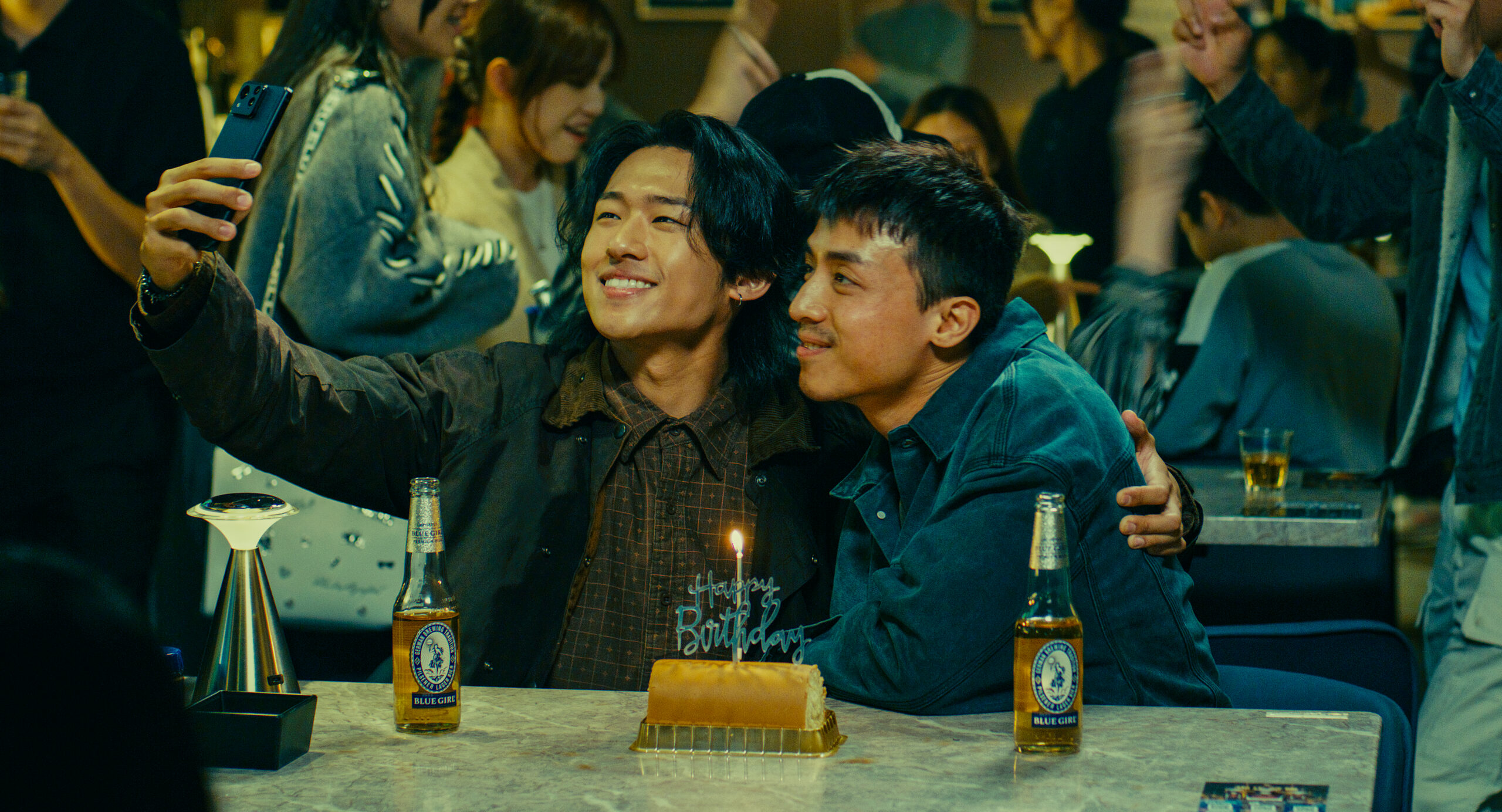
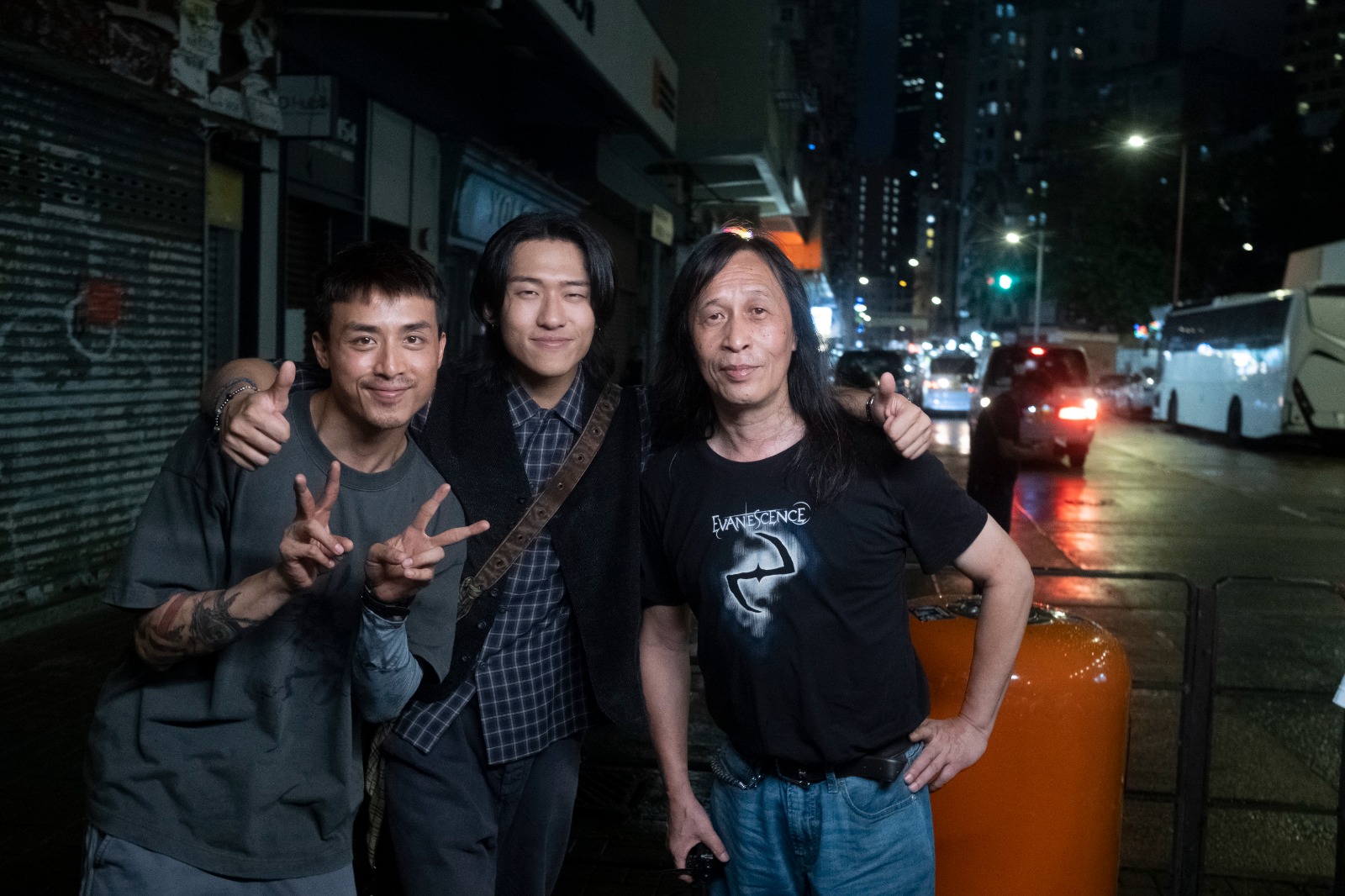
To ground this heavy material, Yau made a surprising casting choice. He selected Anson Kong, a member of the popular Hong Kong boy group Mirror, to play Fai, a construction worker trapped by unfair labor practices. Alongside him is ANSONBEAN, a rising pop idol, who plays Ike, a homeless street artist. For young stars with highly protected commercial images, playing a marginalized gay couple ending their lives in a violent protest was a significant professional hazard.
“Artist management can be quite sensitive if there is a controversial scene in a movie,” Yau notes. “In this movie in particular, there is a sensitive scene involving two boys. According to the conventional or traditional wisdom of artist management companies, this is seen as quite risky for artists, especially when they are viewed as idols, like AK and ANSONBEAN.”
Read more: ‘We’re Nothing at All’ Review: A Blistering Look at Systemic Injustice and Forbidden Love
Yau did not try to convince them. He simply laid out the reality of the script. “I just tried my best to let them understand exactly what would be seen on screen. It really moved me because AK had a very strong drive, as did ANSONBEAN. They were both very eager to secure the roles. For AK, because of the protective nature of his management company, there was a point where his management wanted him not to take the role. In fact, it was AK himself who fought for the role and convinced his management not to say no to the project.”
On screen, their performances lack any pop-star gloss. They inhabit small, legal subdivisions of industrial buildings where the walls feel like they are closing in. The film positions their final act not as a sudden crime, but as the inevitable result of a community that refuses to see them.
The title itself serves as a direct challenge to the viewer. “For the audience reading the title, I hope they can take it as an irony rather than a definitive statement,” Yau says plainly. “If we take We’re Nothing at All as a literal statement, I wouldn’t agree with it because I still believe those underdogs are absolutely someone in our society. If we imagine this statement coming directly from the underdogs, it reflects how they are humiliated, bullied, or oppressed by the public and by the social system. For those who don’t consider themselves to be ‘nothing,’ I hope they take the title as an irony that highlights how there really are people in our society who are treated as if they are nothing at all.”
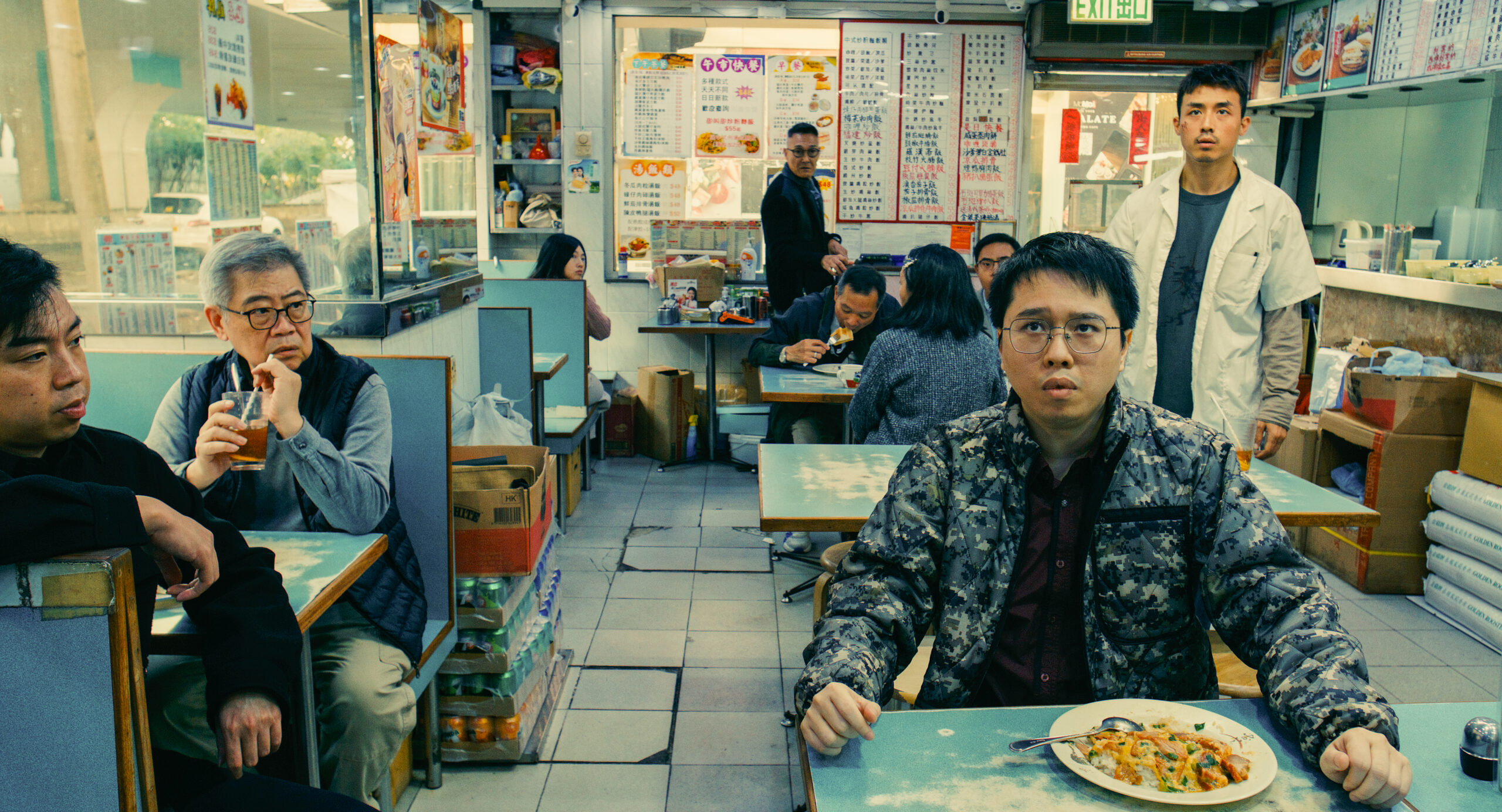
This sense of collective blame forms the emotional core of the film. Yau believes that modern life, specifically the rise of mobile technology, has accelerated our distance from each other.
“In a broad sense, I think the digital way of life plays a very significant role,” Yau states when asked if society has grown more indifferent. “When we spend too much time on the internet and on our mobile phones, we become increasingly indifferent to our environment and to the lives of others. Nowadays, when people witness a moment of injustice, the best they can do is just record it with their mobile phone. That is the most most people do today. Of course, recording things can be important. But what I want to say is that it shouldn’t be the only thing a person can do.”
Read more: Darius Shu Interview: Reclaiming Quiet Intimacy in His New Film ‘Molly’
The film features a heartbreaking farewell line written by the couple before the explosion: On a beautiful day, we end our unbeautiful lives. It is a line lifted directly from the 1998 news reports in Wuhan. When the characters leave this message behind, it stands against the backdrop of a city that constantly celebrates its economic growth and high gross domestic product.
When I ask Yau what he wants people to feel when they see the contrast between the city’s outward success and the despair of these two men, his response is startlingly direct.
“I think the majority of the audience in Hong Kong can’t actually see any success in our city right now,” he says. “So, there is no contrast.”
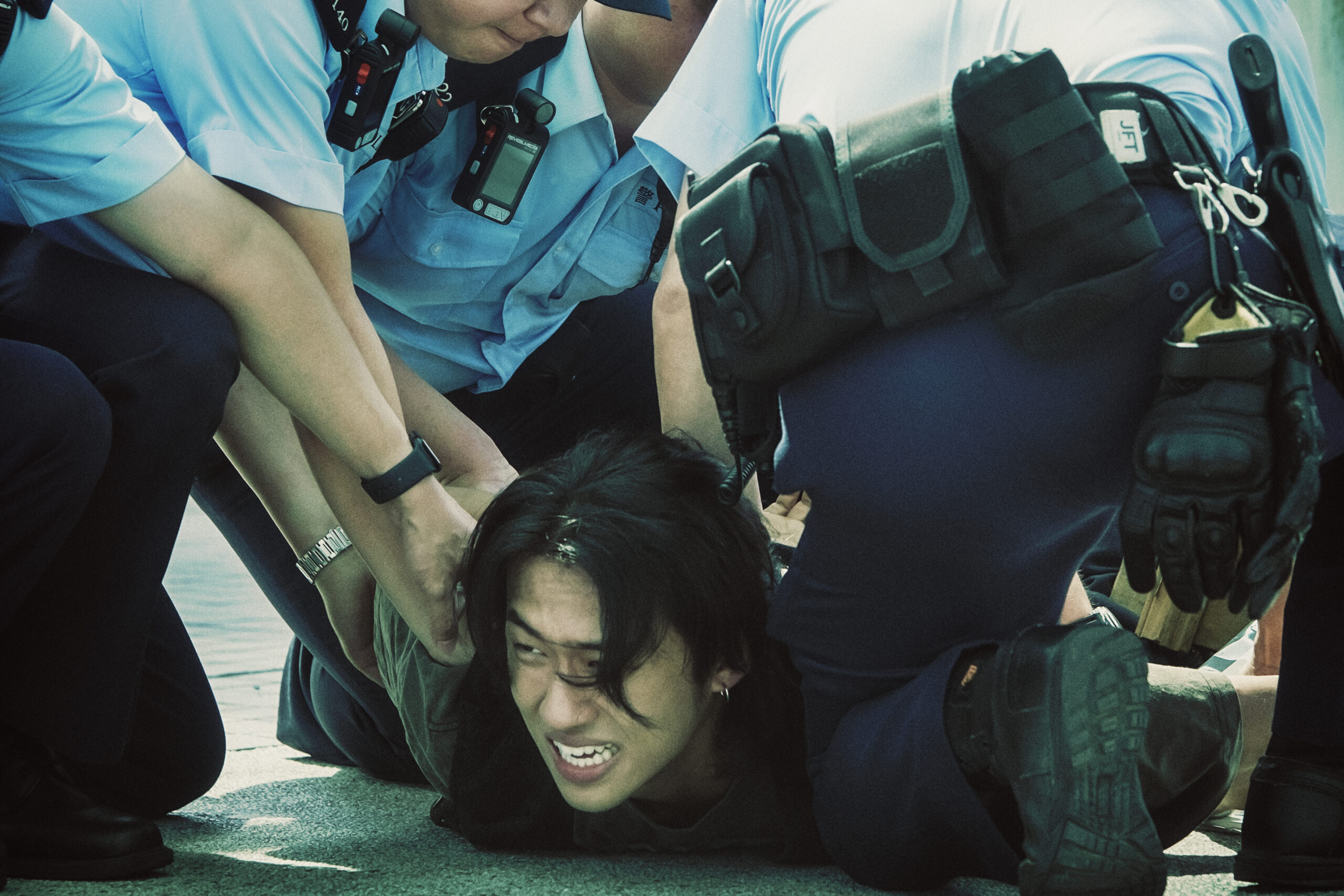
It is this total lack of compromise that makes the film stand out. Yau shot the movie with minimal rehearsals, preferring to capture the raw, unpolished reactions of his actors before they became mechanical. That rawness hits the audience heavily.
Years ago, Yau used to sneak into local cinemas to watch people react to his work. He remembers counting the exact number of people who walked out of his bloodier films. For this project, he sat with audiences at the Hong Kong International Film Festival and the Udine Far East Film Festival in Italy. The reaction this time was different.
“There was some laughter in the cinema, but I wouldn’t say they were laughing in a negative way,” Yau says. “As a whole, I still think the majority of the audience enjoyed the film. When the film ends and Candy Lo’s song begins playing, there is a distinct silence. I think this silence comes from the sheer power of the movie. The emotional feeling left in the room was actually heavier than what I had expected.”
Before Yau discovered cinema, he was a teenager who wanted to be a rock musician. He played in an underground band, organized concerts, and befriended legendary local rock figures like Wong Ka Kui of Beyond. He turned to filmmaking only when he realized his musical skills were limited.
That early love for the unpolished energy of punk and heavy metal survives in his directing style. We’re Nothing at All does not offer comfort, slick visuals, or an easy resolution. Instead, it functions exactly like the underground rock shows of Yau’s youth: loud, confrontational, and impossible to ignore.
We’re Nothing at All is out in UK cinemas from 29th May