Hong Kong cinema often thrives on speed and spectacle. For decades, the city exported high-octane thrillers that defined global action. Director Herman Yau built much of his career on this reputation, moving easily from bloody cult films in the nineties to massive, explosive blockbusters in recent years. But his latest project takes a sharp turn away from mindless entertainment. It shows a veteran filmmaker using his independence to look closely at the fractures in modern society.
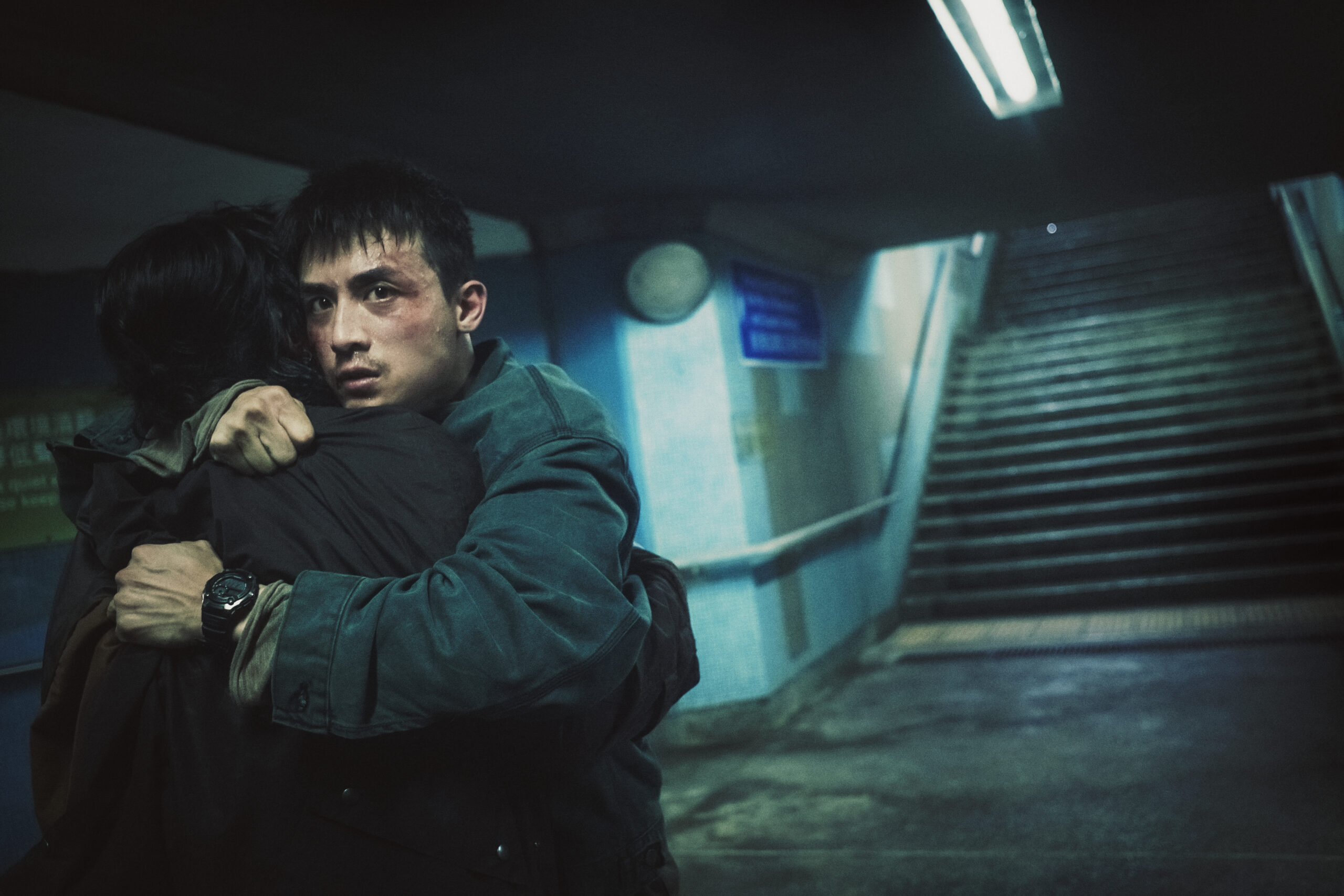
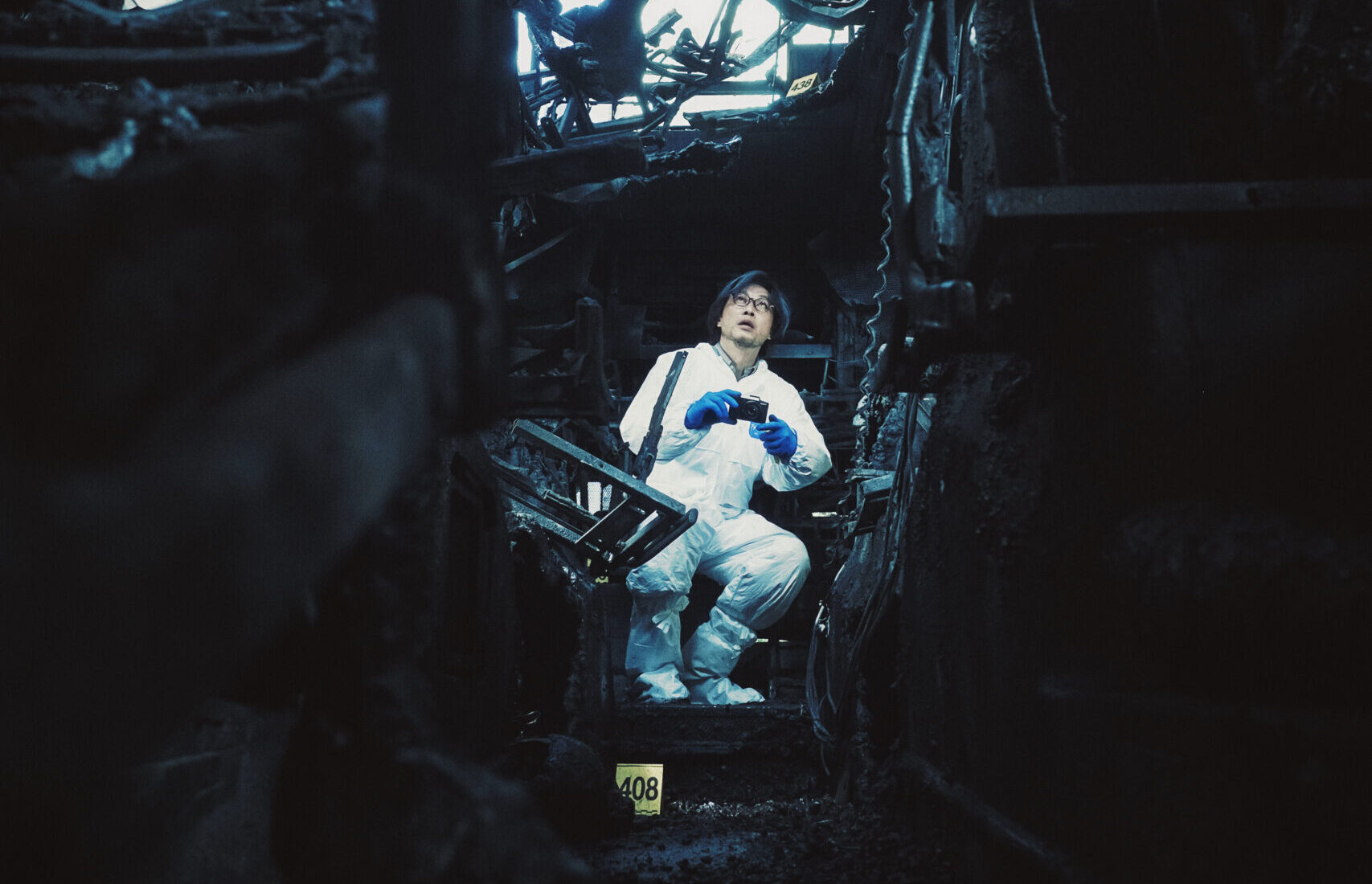
The film begins with a massive explosion on a double-decker bus in Kowloon. The violence of the scene is shocking, leaving a trail of destruction across the city streets. The police quickly recall a semi-retired forensic specialist named Lung to lead the investigation. If you expect a standard police procedural from this point forward, you will be mistaken. The film does not hide the identity of the perpetrators. Instead, it looks at the two young men behind the tragedy, Fai and Ike, and examines the forces that drove them to total despair.
Read more: The Eyes of Tony Leung: Why the Legendary Actor Thrives on Letting Go
Herman Yau did a superb job directing this film. He financed the project himself through his own company to protect his creative freedom. This independence allows him to bypass commercial expectations and deliver a fierce, uncompromising vision. He avoids the flashy digital effects that clog most modern action movies, opting for a grounded approach.
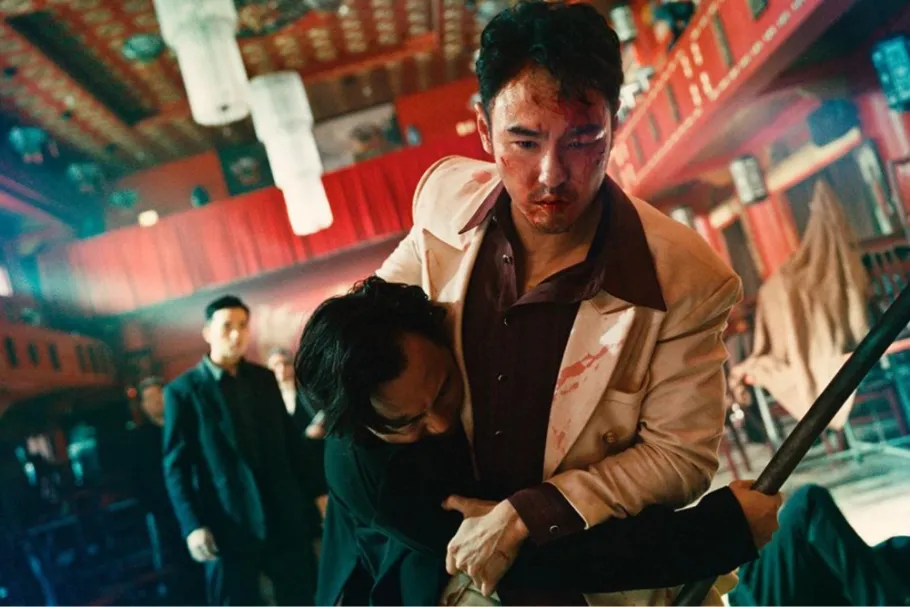
Yau uses the investigation to look backward. The film moves between the sterile reality of the forensic laboratory and the messy lives of the two young men. The camera treats Hong Kong not as a glamorous financial hub, but as a cramped, suffocating maze. Saturated colors and harsh lighting create an uncomfortable mood. Yau controls the pacing perfectly, letting the pressure build slowly until the final explosion feels inevitable. He proves that a director known for noise can also master the quiet, painful moments of human misery.
Exceptional Lead Performances
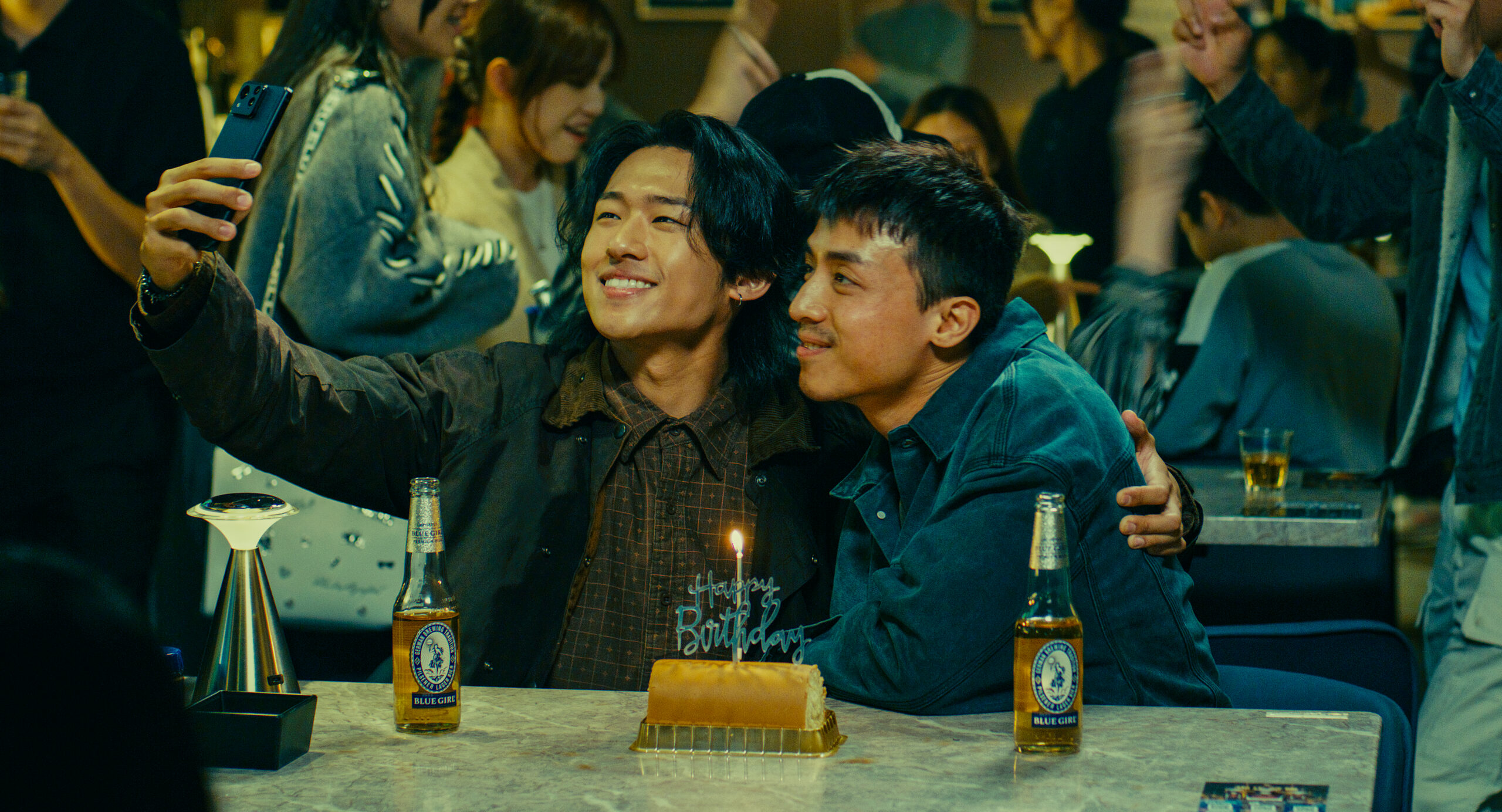
The film succeeds largely because of its two young leads, Anson Kong and ANSONBEAN. Both actors are famous pop idols in Hong Kong, known for clean images and massive fanbases. Taking these roles was a risky move for them, but their performances are magnificent. They shed their celebrity personas completely to play two desperate men living on the absolute edge of survival.
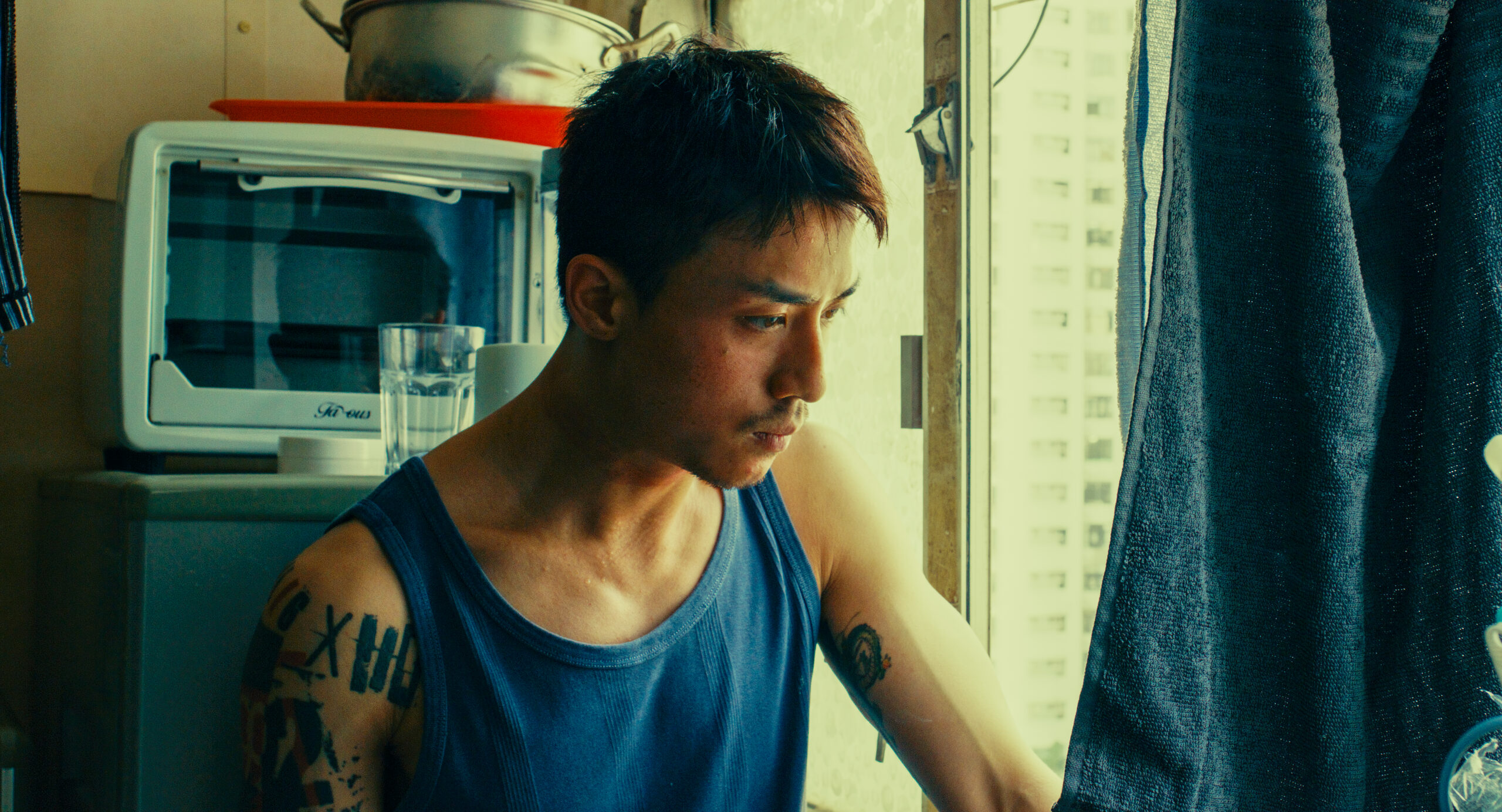
Anson Kong plays Fai, a young construction worker who carries heavy scars from his childhood. Kong changes his physical appearance, cutting his hair short and adopting a defensive, guarded posture. He plays Fai with a quiet fury, showing a man who has learned to endure abuse in silence. Ansonbean plays Ike, a street artist who faces constant eviction and harassment. He lost significant weight for the role, and his physical fragility matches his emotional state. Together, the two actors share a raw, intense connection that anchors the entire film. They make you understand their bond without relying on melodrama.
The Cost of Social Indifference
The core themes of the film focus on systemic injustice and the dangers of a cold society. Fai and Ike do not live in the wealthy, gleaming version of Hong Kong seen in tourist brochures. They live in tiny, subdivided flats inside industrial buildings. They face a barrage of difficulties that they cannot control, from predatory employers who refuse to pay wages to city ordinances that criminalise street art.
The film argues that society destroys its most vulnerable members through a thousand small cruelties. It looks at institutional homophobia, poverty, and family trauma. The characters are surrounded by messages about economic growth and high gross domestic product, which makes their personal poverty feel even more isolating. Yau shows how a lack of empathy from regular people accumulates over time. The secondary characters, including an angry taxi driver and corrupt bosses, show a world where the poor exploit those beneath them. The film forces you to confront the consequences of looking away from human suffering.
Read more: ‘Ciao UFO’ Review: Friendship, Growth, and the Weight of a Changing City
Patrick Tam delivers a strong performance as Lung, the forensic investigator. He plays the detective with a tired wisdom, serving as our guide through the wreckage. His work represents a meticulous search for truth in a city that prefers to hide its problems.
This project is part of a welcome trend in Hong Kong cinema, where directors reject Hollywood formulas to make serious social dramas. It stands alongside other recent films that focus on ordinary people facing systemic obstacles. By choosing to finance the project himself, Yau avoided the market pressures that soften many modern releases. He created a film that feels dangerous and alive.
The film does not offer easy answers or cheap sentimentality. It shows that when a society loses its capacity for compassion, tragedy follows. The performances of Kong and Ansonbean will stay with you long after the final credits roll. Yau has delivered a powerful piece of cinema that challenges the audience to look at the world with greater awareness.
We’re Nothing at All is out in UK cinemas from 29th May