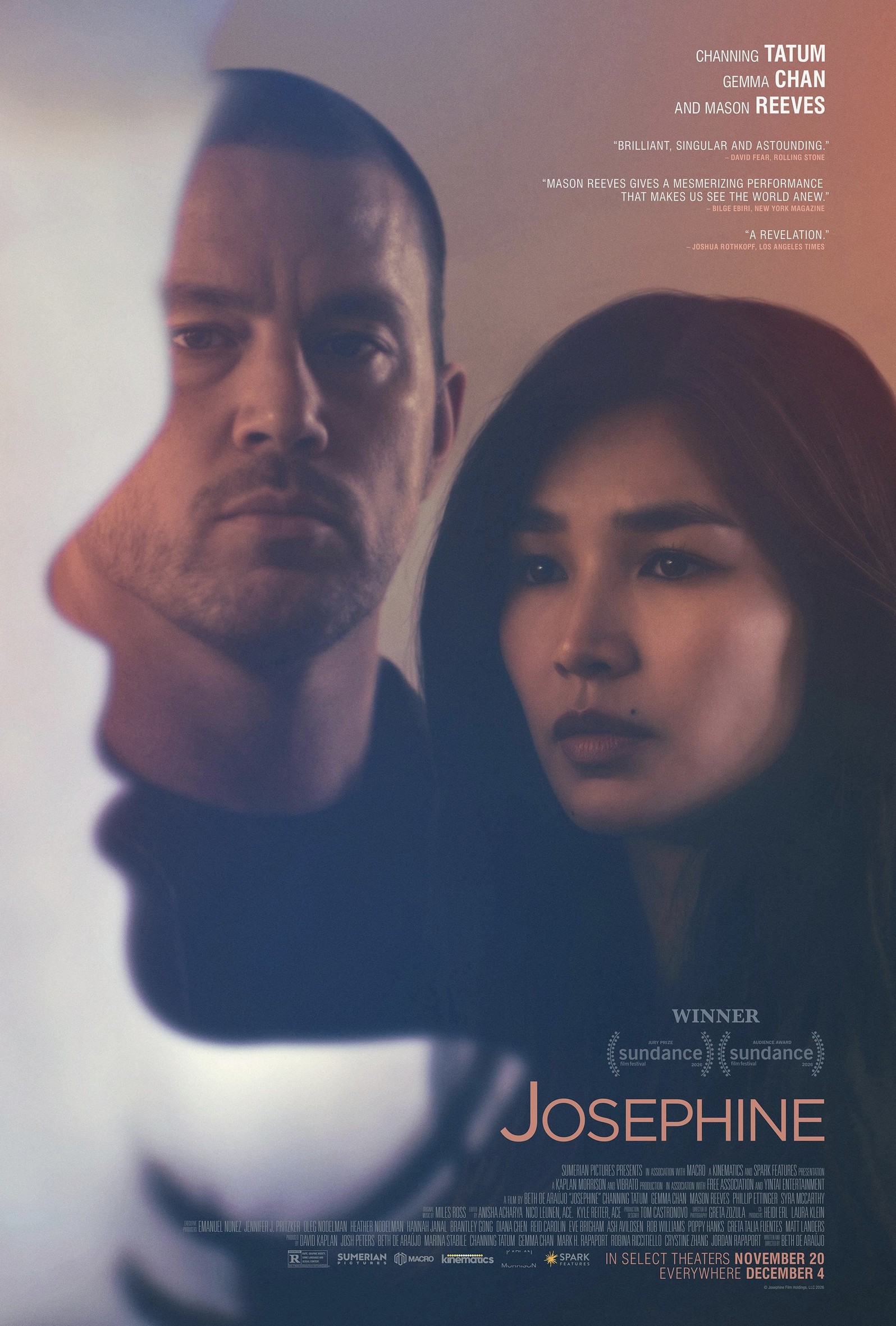
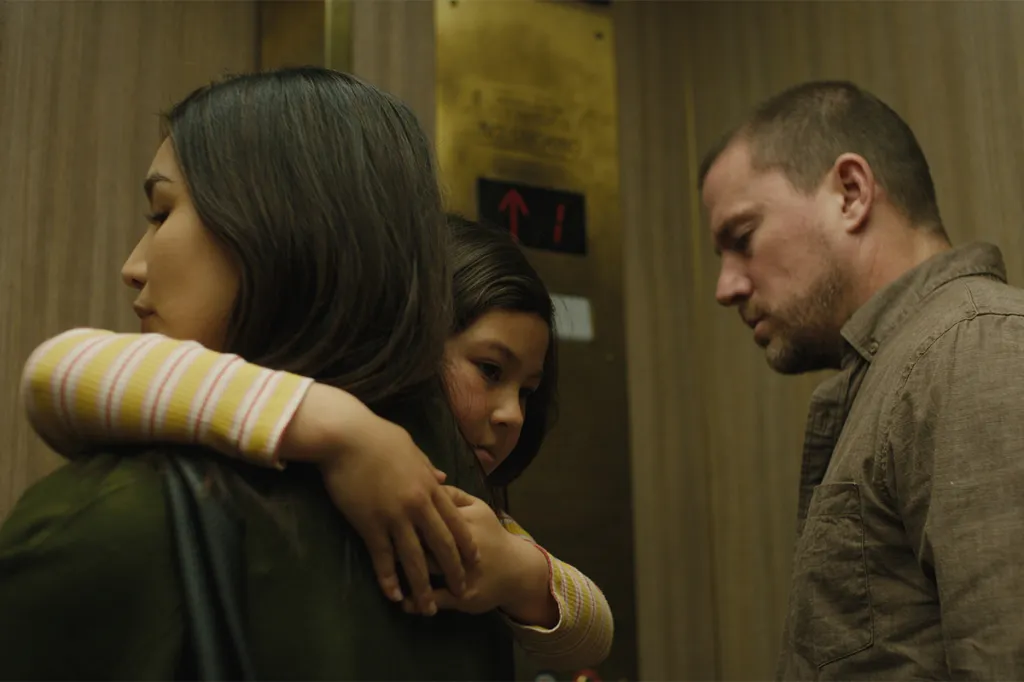
Cinema routinely treats traumatic shock as a tidy plot engine, resolving family upheaval with comforting speeches before the final credits roll. Writer-director Beth de Araújo takes the opposite path in Josephine, an unsparing domestic drama that swept both the U.S. Dramatic Grand Jury Prize and the Audience Award at the Sundance Film Festival earlier this year.
At the centre of the production stands Gemma Chan. Alongside co-star Channing Tatum, the British actor served as both executive producer and anchor, committing early to an uncompromising script and keeping the project alive through a global pandemic, production shutdowns, and industry strikes.
The picture stars newcomer Mason Lily Reeves as eight-year-old Josephine, who accidentally witnesses a brutal sexual assault while running through San Francisco’s Golden Gate Park.
Chan plays Claire, a mother struggling to stabilise her household as her traumatised daughter turns inward and begins lashing out with defensive aggression. Tatum portrays her husband Damien, whose instincts around discipline and justice push the couple’s parenting views to an absolute breaking point.
A Seven-Year Commitment to an Unflinching Story
De Araújo wrote the screenplay based on a frightening childhood memory from her own youth in San Francisco, when her father intervened to help police arrest an attacker in Golden Gate Park. Her family never discussed the event aloud until de Araújo sat down with her father decades later, prompting an emotional dam to burst onto the page.
Chan first encountered the material in 2019, instantly recognising its refusal to offer easy reassurances.
Read more: Gemma Chan On How Her Latest Film ‘Josephine’ Hits a “Raw Nerve” Through Trauma
“I felt that there was truth singing off every page,” Chan explained during a recent screening discussion. “Speaking to Beth, I thought what she wanted to do was so bold and hadn’t been done in quite this way before. It’s been a winding road to get here, a bit of a small miracle. We nearly made the film, then COVID happened and then Beth went away and shot her first movie, Soft & Quiet, which is very good, and then there were the strikes. I always hoped that we would find a way to make this film, so I’m so happy that we are here and get to share it.”
Getting private financiers behind an intimate, painful study of parental helplessness proved nearly impossible without established marquee stars agreeing to take the creative plunge.
De Araújo admitted that traditional studios initially balked at backing a first-time feature director with complex subject matter and strict child-labour filming limits: “Without Gemma and Channing signing on, it wouldn’t have been made.”
Building Family Truth Behind the Scenes
For Chan, establishing genuine intimacy between the leads became the central task of pre-production. The material demanded that audiences believe Claire and Damien shared a deep domestic foundation before the crisis shattered their equilibrium.
“Beth, myself and Channing talked about our own upbringings and the way we were parented, and Channing spoke a lot about his own daughter,” Chan said. “He has a daughter who’s a little bit older now than Josephine is in the film, but I think that’s one of the reasons that he felt connected to the material. It was about creating a trust between us. I don’t think we could have made this film without complete trust between us. Then we got to meet Mason and it was really important that we try to make her feel comfortable so you can believe that we are a family.”
That mutual trust translates into an intense, quiet vulnerability on screen. The film tracks the painful process of trying to comfort an eight-year-old child through an incomprehensible adult crime, exposing how quickly parental certainty can evaporate.
Sumerian Pictures will release Josephine in select cinemas on 20 November 2026, before expanding into a nationwide theatrical rollout on 4 December.