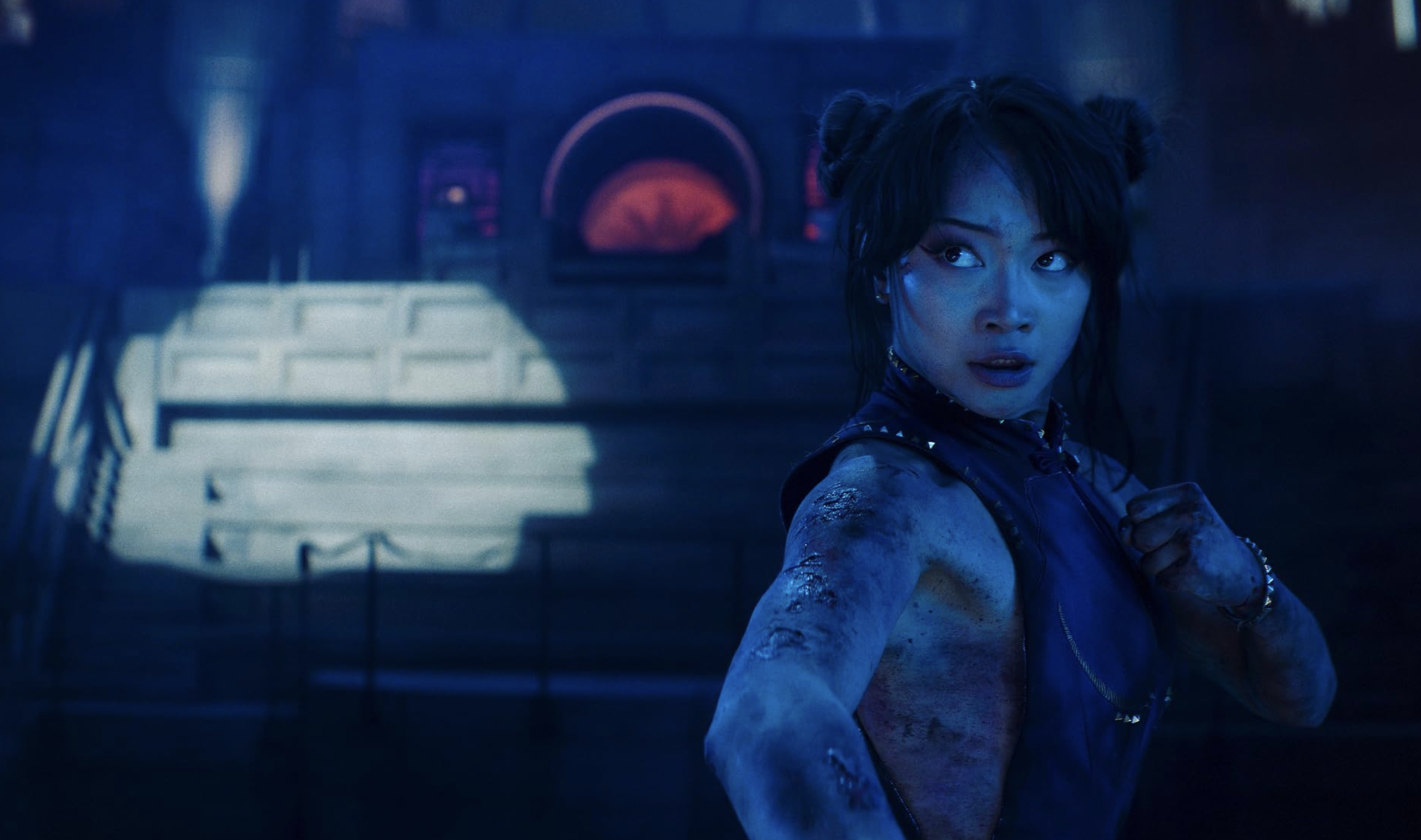
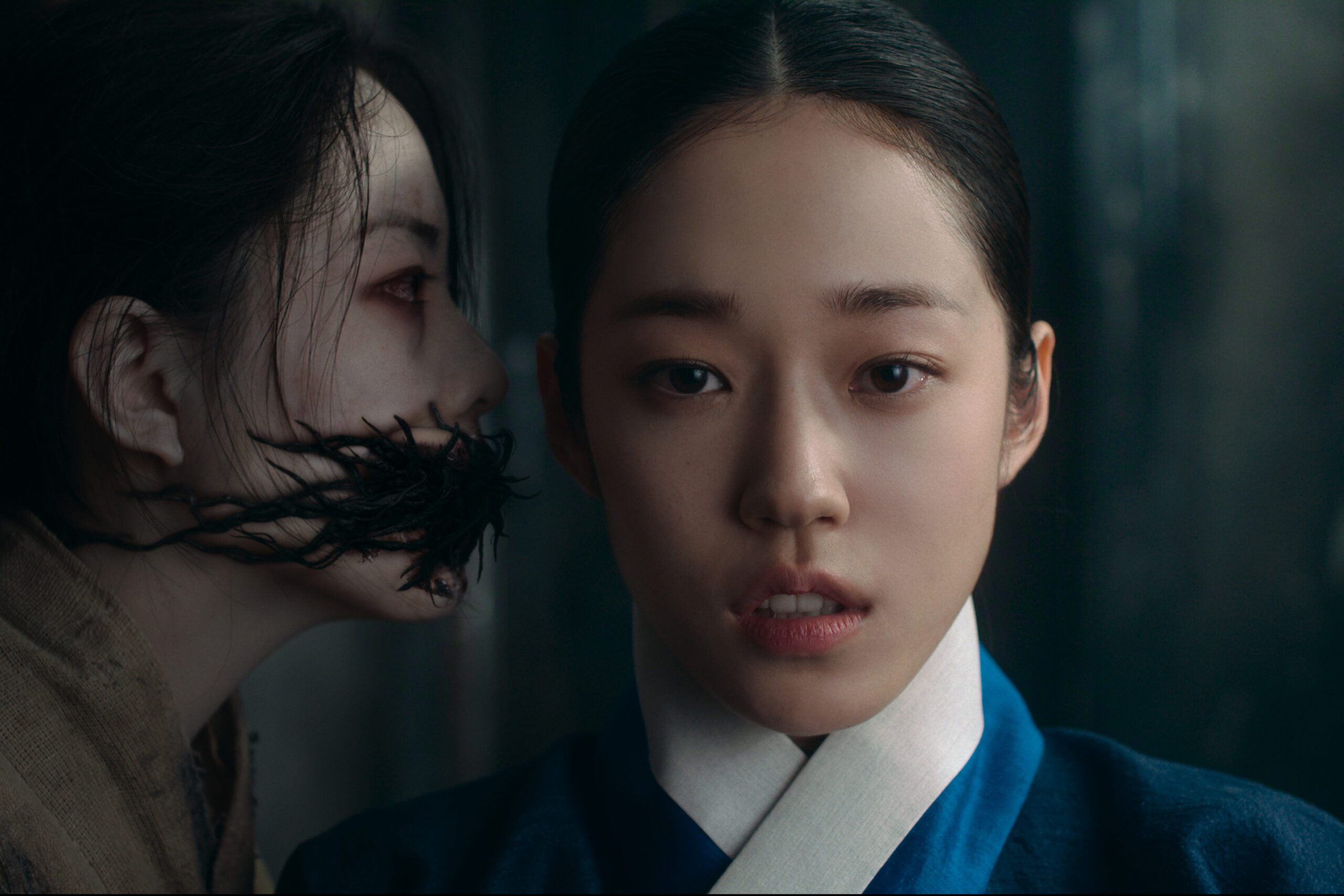
The traditional deployment of cinematic horror as a midsummer relief from the oppressive monsoon heat has found a particularly opulent container on television. The East Palace—originally titled Donggung—has made its global debut on Netflix, entering a crowded seasonal landscape of speculative fiction alongside high-budget theatrical creature features.
Directed by Choi Jung-kyu, whose previous work on The Devil Judge demonstrated a keen interest in institutional rot, the eight-episode production uses the framework of an occult period piece to examine the structural weight of historical corruption. Rather than relying entirely on simple jump scares, the project attempts to balance complex local folklore with the digital demands of modern streaming spectacles.
The Architect of a Haunted Court
The premise of the series establishes a grim, claustrophobic mystery within the royal quarters. Cho Seung-woo, a veteran actor known for his measured performances in Stranger, plays a dour monarch whose palace has been cast into absolute gloom. His crown princes are dying one by one from an incomprehensible, wasting ailment.
The tragic pattern directly mirrors a sequence of mysterious royal deaths that occurred thirty years earlier—the very events that cleared the path for the current king’s ascension to the throne. As public rumors grow that a vengeful pond spirit has cursed the lineage, the desperate king secretly enlists the services of Gu-cheon, an aloof outcast who possesses a painful preternatural gift.
Read more: Lee Byung-hun And Han Ji-min To Star In Disney+ Remake Of ‘The Americans’
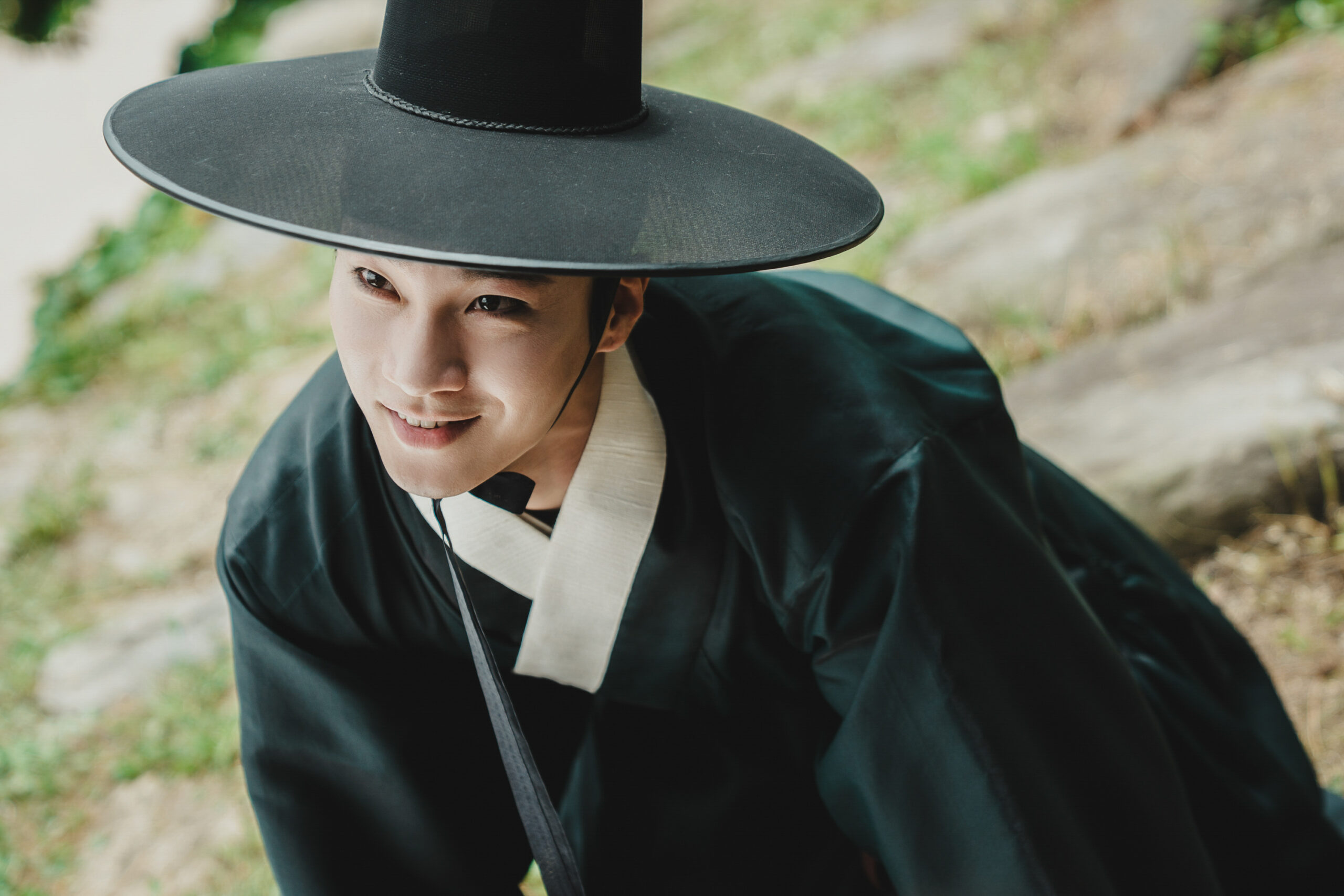
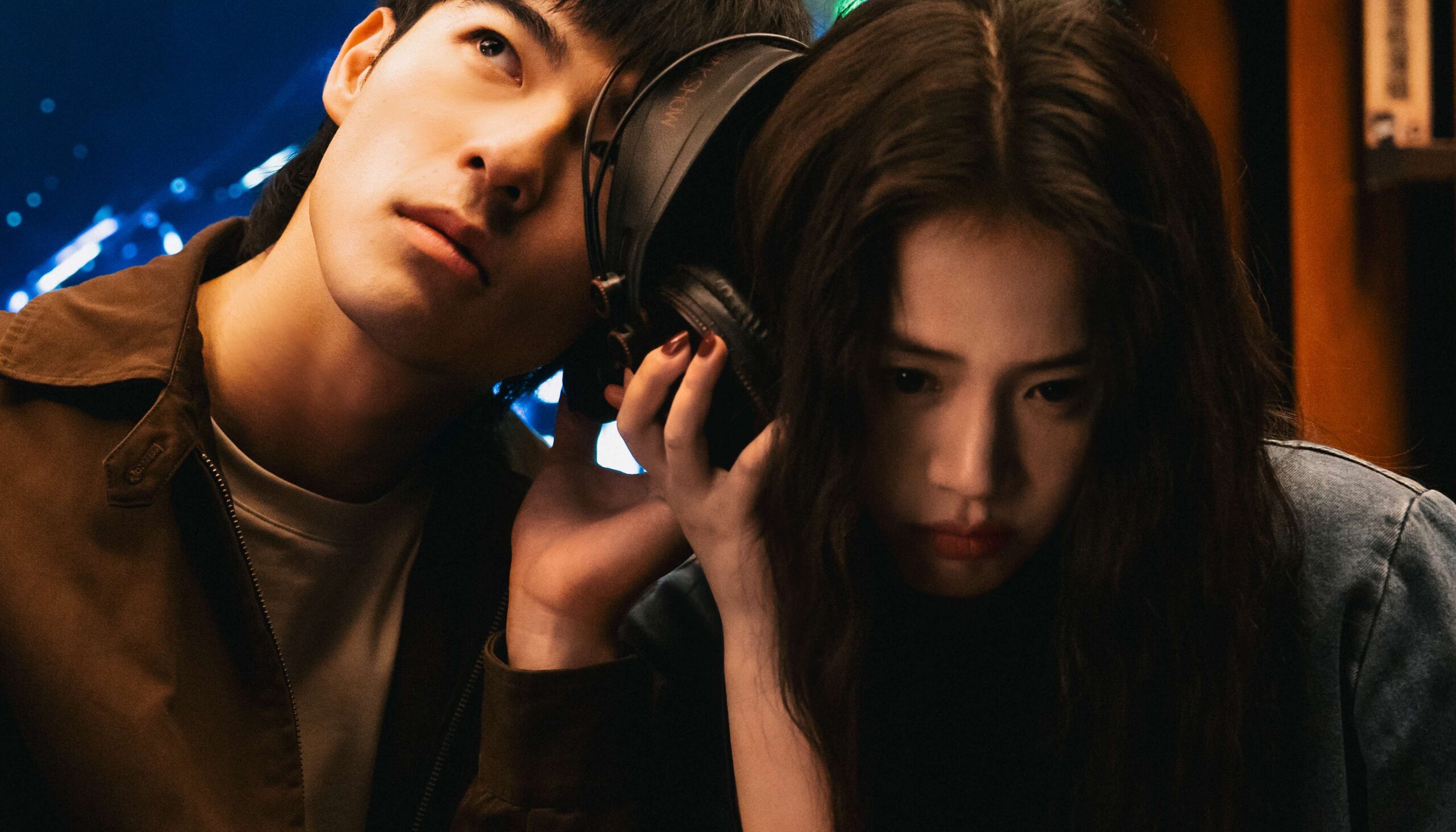
Played by Nam Joo-hyuk in his first screen appearance since completing his mandatory military service, Gu-cheon can physically cross the thin threshold between the mortal realm and a crimson-tinted spiritual hellscape known as the Realm of Gwi. The king pairs this reluctant swordsman with Saeng-gang, played by Roh Yoon-seo, a resourceful court lady who possesses the rare ability to hear phantasmal whispers.
Saeng-gang is tasked with assisting the spirit fighter while secretly monitoring his loyalty to the throne. The arrangement forces two character archetypes—the world-weary cynic and the pragmatic strategist—into a frosty, reluctant companionship as they begin to exhume the literal and figurative skeletons buried within the royal estate.
Folklore Visuals and Genre Familiarity
Netflix has clearly financed the production with an aggressive budget allocation, a reality reflected in the meticulous detailing of the period costuming and the expansive castle architecture filmed on location in Yeoncheon County. Because the series relies heavily on Korean shamanism and spiritual myth making, the production team utilises extensive computer-generated visual effects to build its spectral antagonists.
The creatures are built with a gruesome, tactile heft that draws heavily on traditional folk illustrations rather than standard Hollywood design templates. The ambitious action choreography and sleek cinematography provide a strong kinetic energy, particularly during the sequences where Gu-cheon descends into the dark, navy-blue waters of the palace grounds to confront lingering entities.
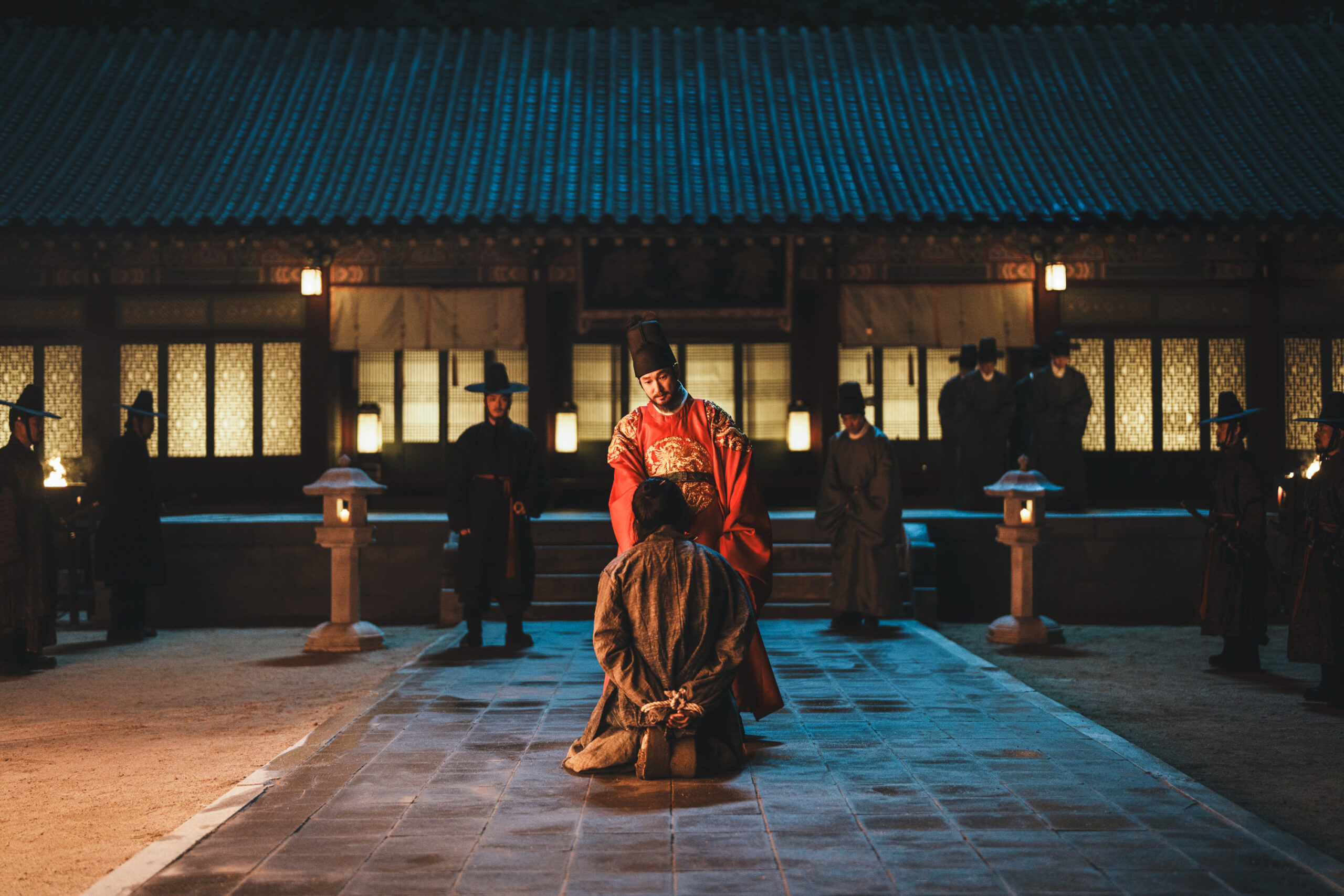
However, this high degree of technical polish occasionally reveals the show’s heavy reliance on established genre successes for its aesthetic identity. The visual demarcation between the human world and the infernal mirror dimension frequently evokes the parallel realities of Stranger Things.
Simultaneously, the heavily color-graded, amber-hued period compositions carry a distinct aesthetic similarity to Kingdom, and the brooding orchestral choices occasionally mimic recent Hollywood science fiction epics. The script, written by the screenwriting duo Kwon So-ra and Seo Jea-won, occasionally overcomplicates its internal rules with dense, heavy-handed mythmaking that requires explicit on-the-nose dialogue to explain the spiritual stakes to the viewer.
Commitment Behind the Camera
What keeps the series grounded during its more convoluted narrative detours is the uniform commitment of its central performers. Cho Seung-woo delivers a magnificent performance as the compromised monarch, shifting effortlessly from imposing administrative coldness to the raw, hidden anguish of a father running out of heirs. Roh Yoon-seo reinforces her position as an exceptionally bright young talent, portraying Saeng-gang not as a passive observer, but as a fierce, arrow-wielding force driven by a deep history of personal loss.
Nam Joo-hyuk handles the physical and emotional demands of the protagonist with a convincing sense of low-energy exhaustion and world-weariness. His performance successfully navigates the transition from combative bickering with Saeng-gang into a genuine, protective partnership.
While the series structural momentum truly accelerates at the midway point—where the political scheming and supernatural elements begin to collide like cascading dominoes—the show ultimately functions best when it steps away from the monster-slaying bloodshed. The project succeeds most clearly when it analyzes the familial betrayals of a royal family that tried to tilt the domestic balance of power years prior, proving that the true source of horror is often entirely human.
The East Palace is out now globally on Netflix