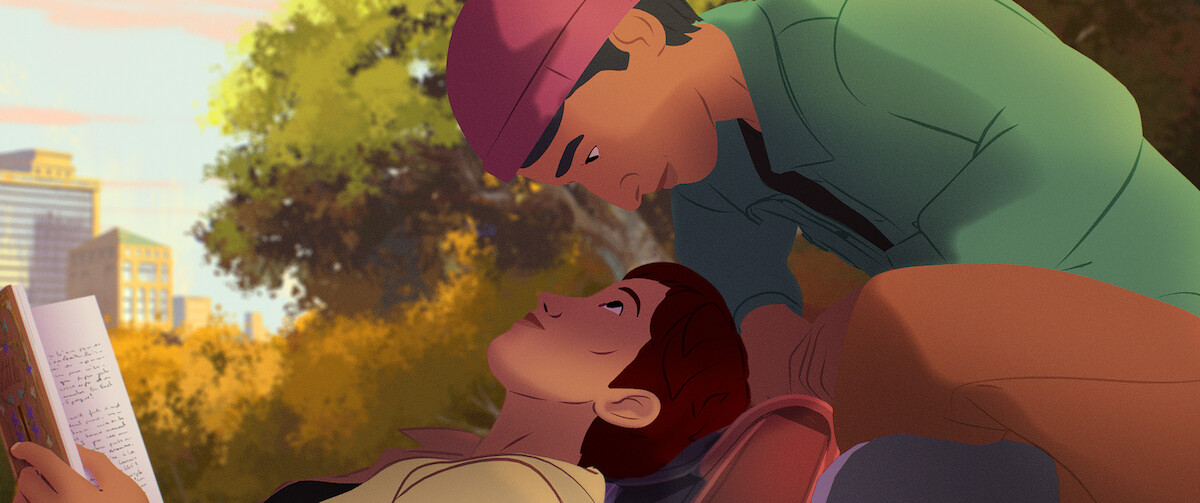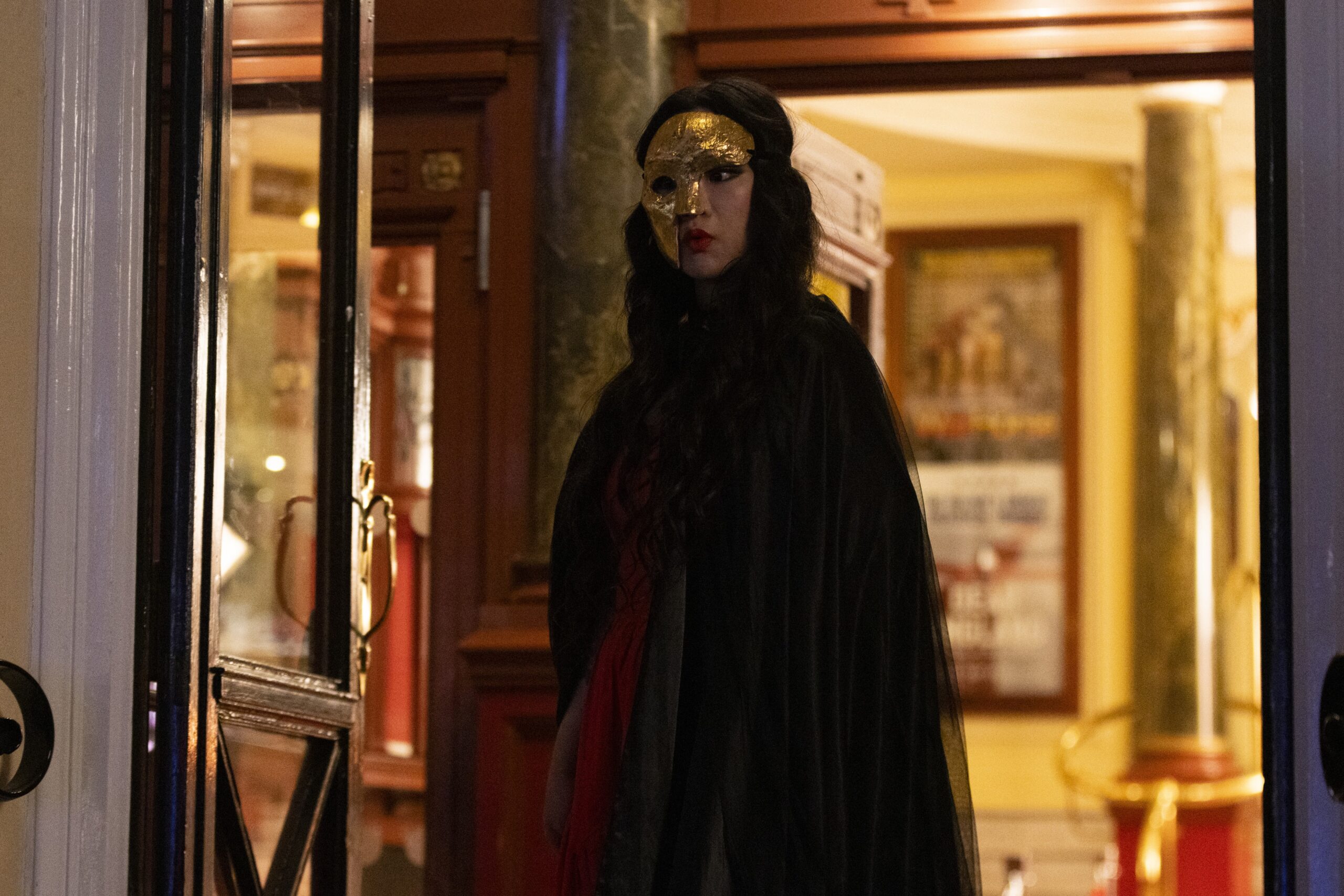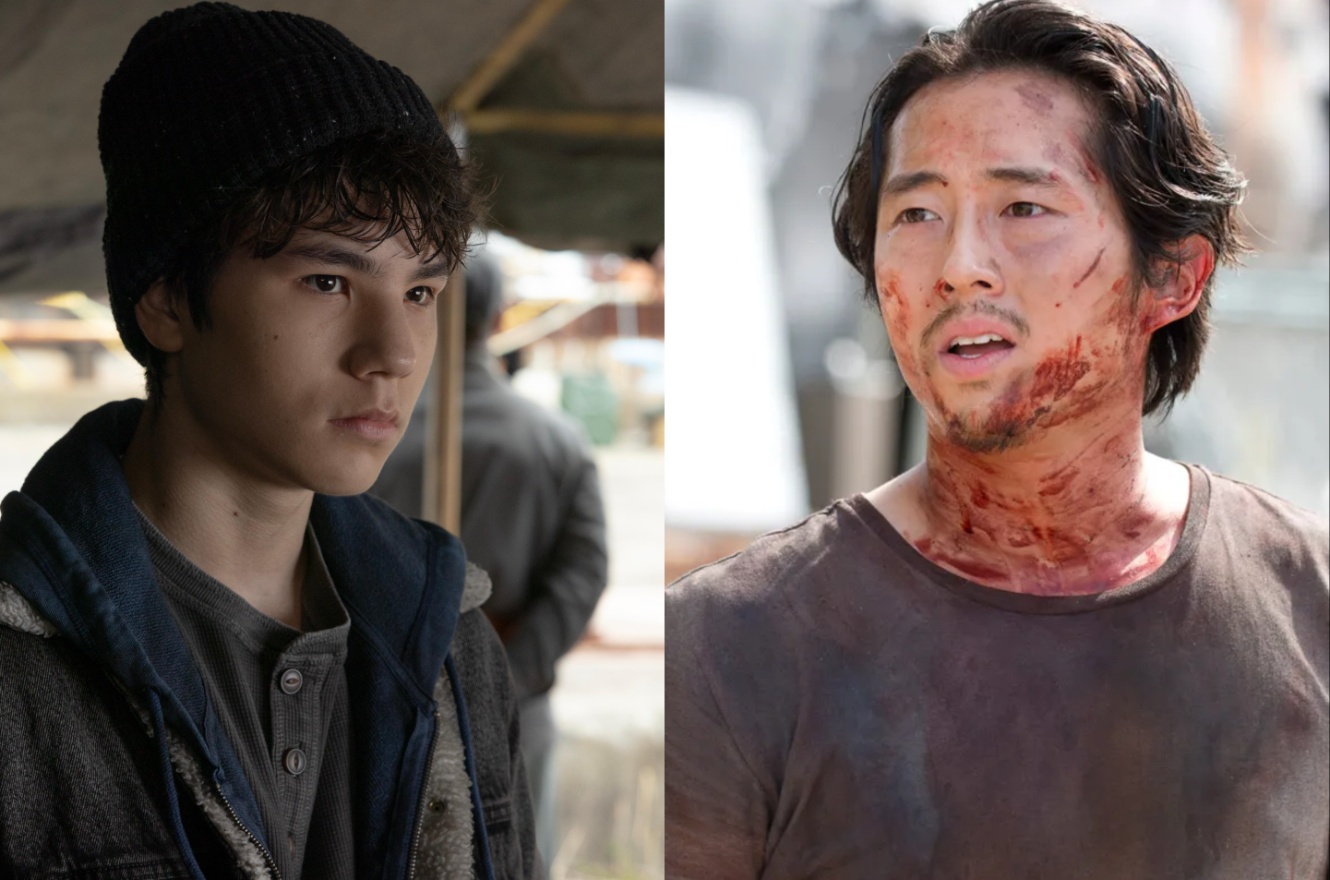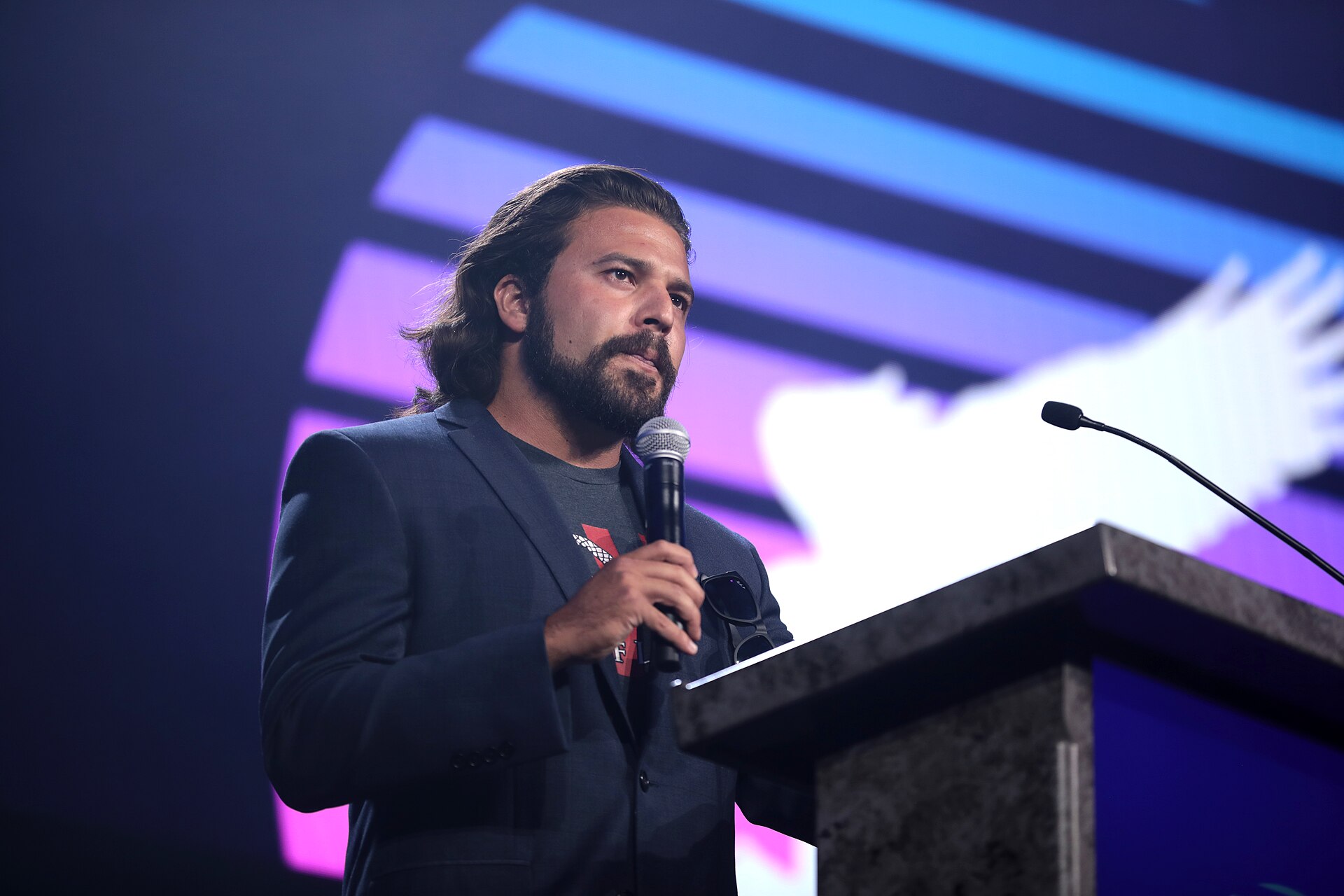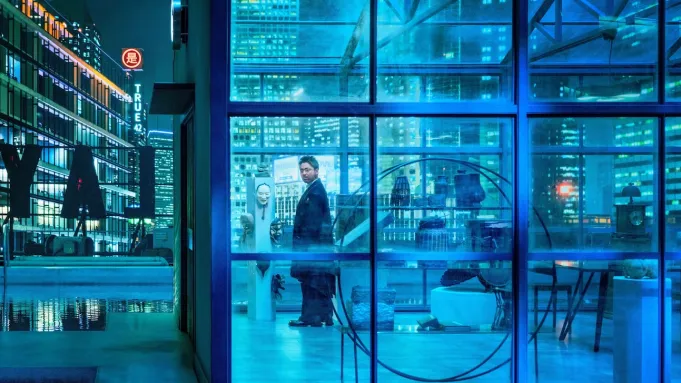
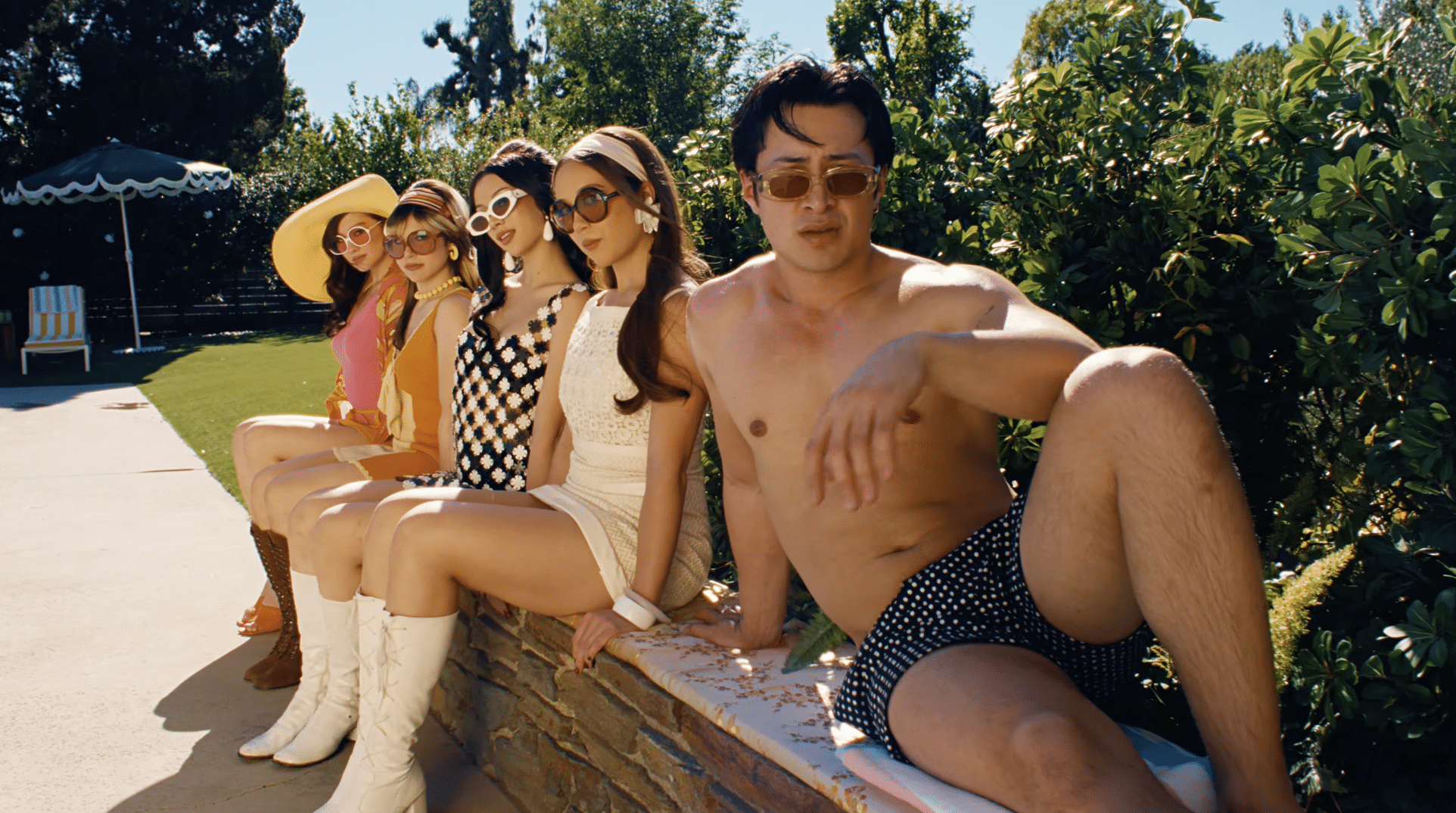
When Icelandic-Chinese singer Laufey released her music video for the track Madwoman, the casting choices quickly became the central talking point. The video featured actress Lola Tung, Olympic figure skater Alysa Liu, model Hudson Williams, and KATSEYE member Megan Skiendiel. All these figures share a mixed white and East Asian heritage. Online spaces quickly labeled the group the “Wasian Avengers”, celebrating the moment as a major win for mixed-race visibility.
But the video also triggered immediate criticism about casting patterns in modern media. Commentators argued that the entertainment industry frequently elevates light-skinned, mixed-white Asian faces because they fit neatly into Eurocentric beauty ideals. Meanwhile, darker-skinned Asians, South Asians, Southeast Asians, and fully Asian individuals face continuous exclusion.
The conversation moved from digital spaces into the physical world when thousands of multiracial young people gathered in Central Park for a grassroots picnic. The event went viral on the platform Partiful, drawing nearly 3,700 RSVPs. Lifestyle creator Ashley Alexander documented the high-energy gathering in a YouTube vlog titled “we went to the wasian meet up in NYC”.
For those on the ground, the event offered a rare environment where they did not have to explain their background. Growing up biracial often brings a specific type of isolation. You can feel too white for Asian spaces and too Asian for white spaces. Seeing thousands of people who understand that specific friction felt deeply validating for attendees.
However, the way the event evolved exposed the fracture lines of the current debate. The picnic was initially organised as a broad “Mixed Asian” meetup. As it gained viral momentum online, the branding shifted to focus exclusively on the term “Wasian”. While the people at the park wanted to connect, this change in vocabulary alienated a large portion of the digital diaspora.
The shift in words caused the online debate to intensify. Critics argued that changing the name from an inclusive mixed Asian gathering to a Wasian meetup centred whiteness.
In a viral Instagram post, creator Aki Lee Camargo argued that the internet obsession with a specific look reinforces old beauty standards rather than breaking them down. Many observers pointed out that online imagery of the identity almost exclusively features people of white and East Asian descent, leaving other mixed Asian identities invisible.
View this post on Instagram
The core issue extends beyond a single picnic or music video. The concern is that when media outlets and internet algorithms celebrate a specific light-skinned, white-adjacent look, they recreate the exclusion that mixed communities want to escape.
LeiLani Nishime, a professor of communication at the University of Washington who studies multiracial Asian Americans, notes that the language around mixed identity always shifts. After the Vietnam War, the term Amerasian was common. In the 1980s and 1990s, the Hawaiian word hapa became popular across North America until critics pointed out it appropriated Hawaiian culture.
Professor Nishime explains that the current term helps people find community, but she warns against applying labels to individuals who have not claimed them.
“My one caution is that people cannot use it for other people. You can only use it for yourself,” she says.
What unites many mixed-race people across different heritages is a shared feeling of displacement. Hailey Buss, a 22-year-old TikTok creator from Chicago, notes that mixed individuals constantly face comments that they are not white enough or not Asian enough. She explains that using a broad umbrella term is sometimes easier than specifying an exact ethnic mix, especially when you feel like you do not fully belong to either group.
Read more: Laufey Just Dropped Her “Madwoman” Video With A Wasian All-Star Cast And We Are Obsessed
Musician William Gao, from the band Wasia Project, defended the impulse to create new language. Writing on his Substack, he explained that he never viewed the letter W as standing for white, but rather for “Western” to signify a cultural crossover. He argued that official forms force biracial people into a clinical “Mixed-Other” category, and inventing personalised words gives people a sense of self-determination.
Even within these discussions, visibility remains unequal. The most prominent mixed-race figures in media right now are predominantly of East Asian descent. Hailey Buss noted that the casting choices in recent pop culture moments lack South Asian representation.
Professor Nishime attributes this to broader geopolitics and wealth. East Asian nations hold significant economic and political influence globally, which influences which faces get media coverage and financial backing in Western markets.
The sudden marketability of mixed-race individuals raises questions about corporate strategy. In a globalised economy, entertainment companies and fashion brands view racially ambiguous faces as a tool to appeal to multiple cultural markets simultaneously. This allows brands to signal diversity without committing to specific cultural or political representation.
The current online focus shows that attitudes toward race are changing, but the infrastructure of the media industry remains rigid. A personal need for connection among mixed-race youth is actively colliding with a demand for systemic fairness in representation.
The discussion shows that while tracking celebrity heritage is a popular internet pastime, the lived reality of navigating multiple cultures involves structural issues that a viral video cannot solve.