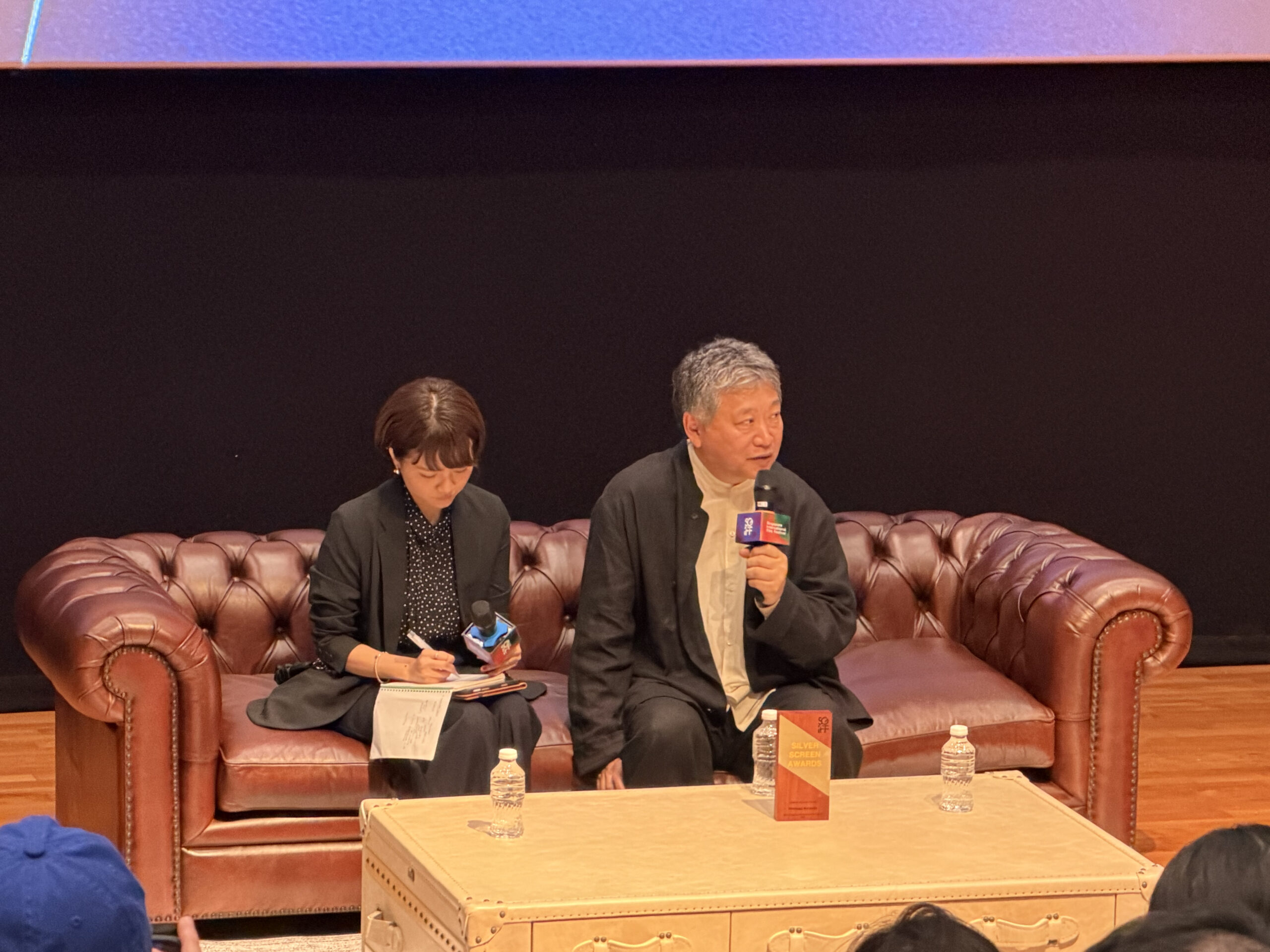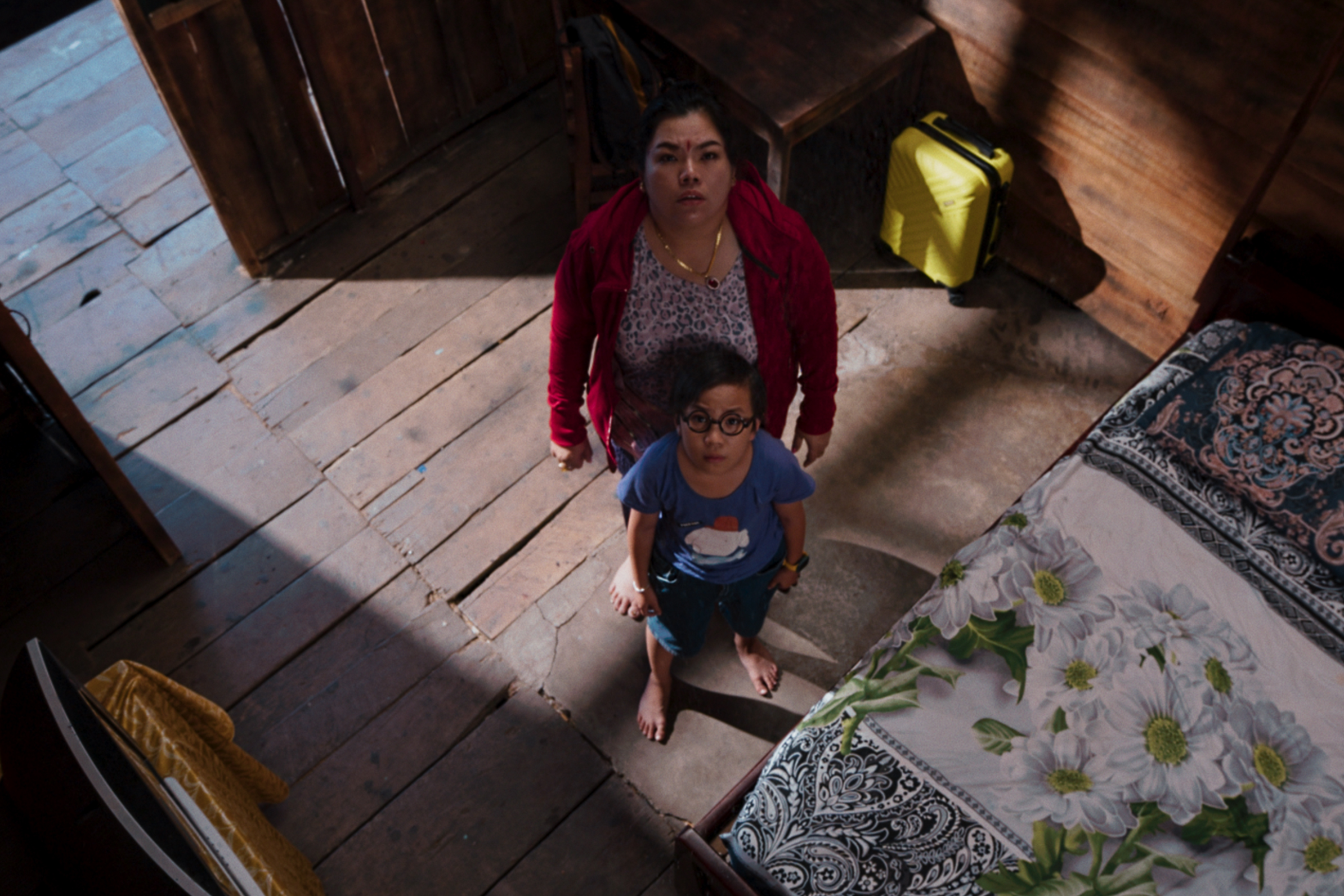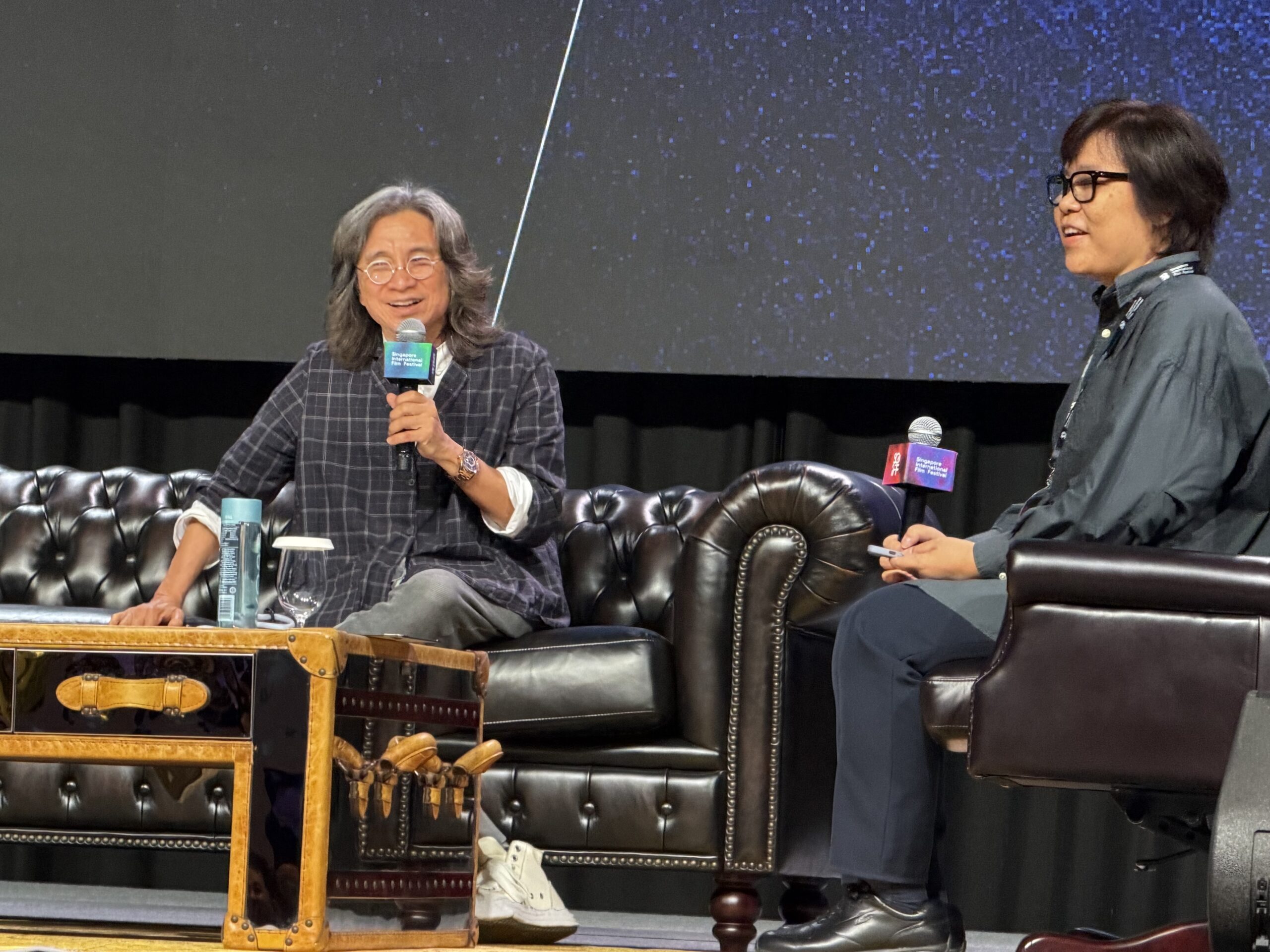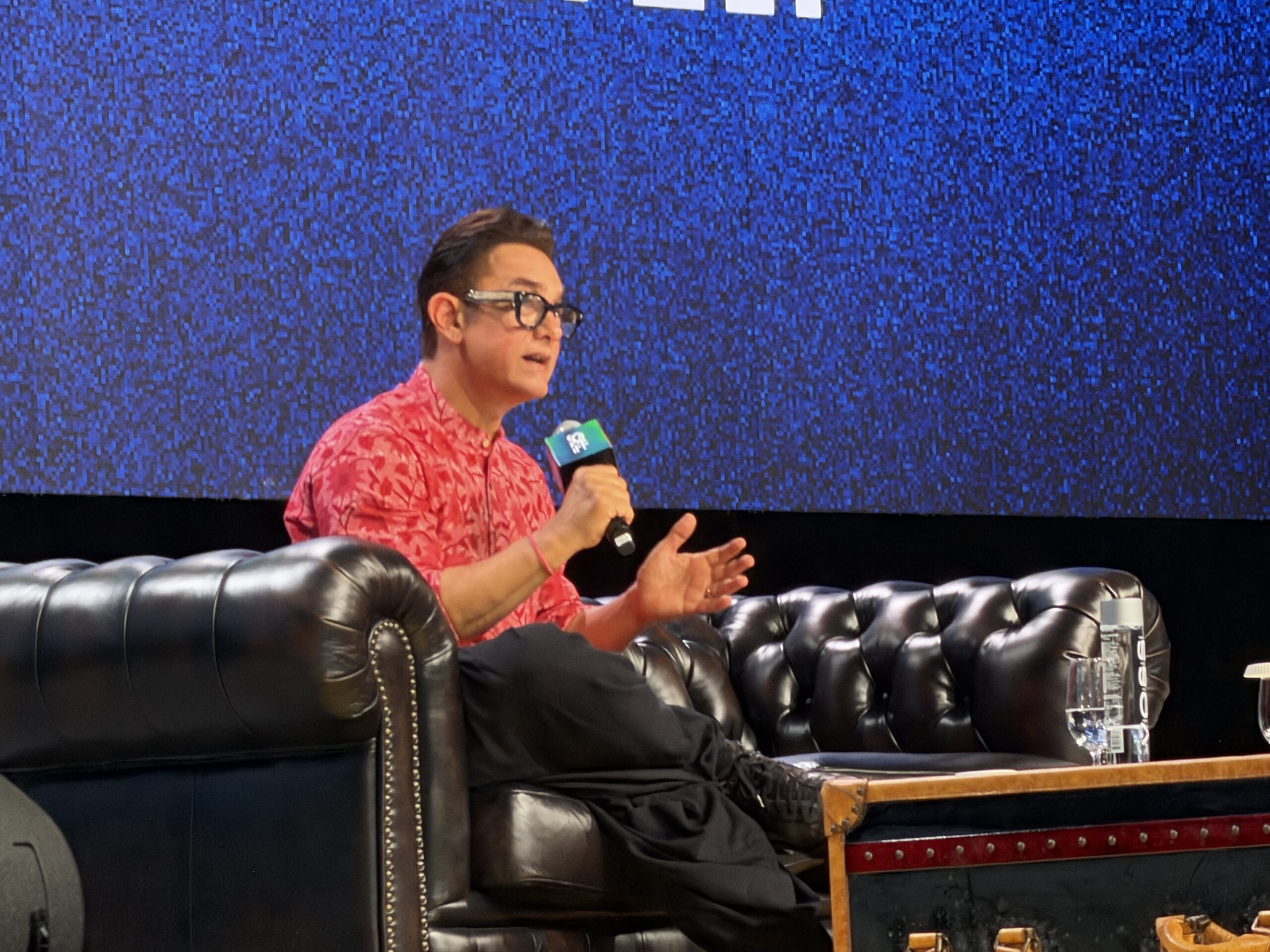
South Korean filmmaker Yeon Sang-ho returns to the zombie genre with Colony, a bold new thriller that expands the thematic and visual scope of his work beyond Train to Busan. Known for redefining modern zombie cinema, Yeon’s latest film introduces a chilling evolution: infected beings that function not as individuals, but as a unified, intelligent collective.
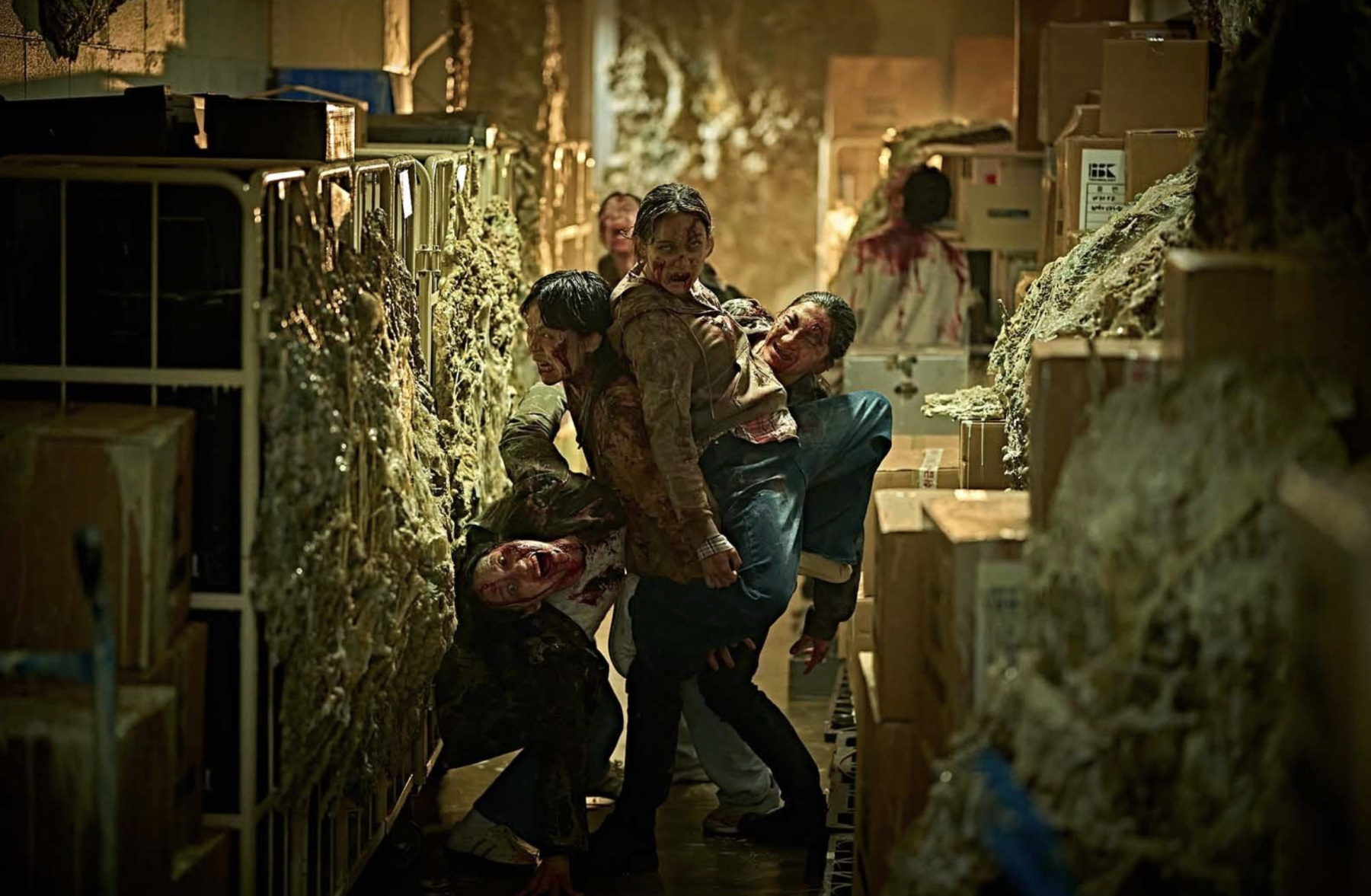
At the core of Colony is a high-concept twist on the traditional zombie narrative. Rather than relying on speed or strength, Yeon reimagines the infected as a coordinated organism. “The hardest part was figuring out how to visually express zombies that exist as a colony with collective intelligence,” Yeon explains. “To convey that intuitively to the audience, the movement of the zombies had to be unique.”
To bring this idea to life, Yeon shifted his creative approach to choreography. “This time, we hired modern dance teams… to create movements that could place a stronger emphasis on their collective nature.” The result is a distinct visual language that reflects the film’s deeper exploration of unity, adaptation, and survival.
Read more: ‘Train to Busan’ Director Yeon Sang-ho Returns to the Undead in ‘Colony’
The concept of a “colony” is not just visual—it is rooted in real-world biology. “I found it very interesting how real collective organisms always produce variants or mutations,” Yeon says. “Because they are made of the exact same properties, if a single weakness is discovered, the entire colony could die off all at once, so they constantly create variants.” This idea becomes central to the film’s tension, as the infected continuously evolve, becoming more dangerous with each mutation.
Yet beneath the horror and spectacle, Colony is driven by a philosophical question that has long defined Yeon’s work: what it means to be human. “I think I’ve explored what it means to be ‘human’ through many of my films,” he notes. In this film, his answer is clear. “What I consider to be ‘humanism’ in this film is individuality. Because we can’t achieve perfect communication, we are actually all the more human.”
This emphasis on individuality is embodied in the film’s protagonist, Kwon Se-jeong, played by Gianna Jun. Unlike typical survival heroes, Se-jeong is defined by her independence and self-imposed isolation. “Kwon Se-jeong is a complex character. She has to be an outcast but also someone who is confident,” Yeon says. “She is someone who is assertive enough to choose solitude for herself.”
Read more: Korean Filmmakers Including ‘Train To Busan’ Director Turn to AI Amid Industry Slump
Yeon specifically chose Gianna Jun for her ability to portray unconventional characters. “I’ve always thought of her as an actress who shifted the paradigm for female characters,” he says. “She has continued to shift that paradigm multiple times through various roles and performances.” Her casting reinforces the film’s focus on strength through individuality rather than conformity.
While Colony pushes the zombie genre into new territory, Yeon remains grounded in the legacy of his earlier work. Reflecting on the enduring impact of Train to Busan, he states, “I feel I’ve fully expressed everything I wanted to do through the original film ‘Train to Busan.’” Instead of revisiting the past, Yeon uses Colony to explore new ideas about evolution, connection, and identity in an increasingly interconnected world.
With its blend of high-concept horror and philosophical depth, Colony signals a new direction for zombie storytelling—one where the greatest threat may not be the infected themselves, but the loss of individuality that defines what it means to be human.