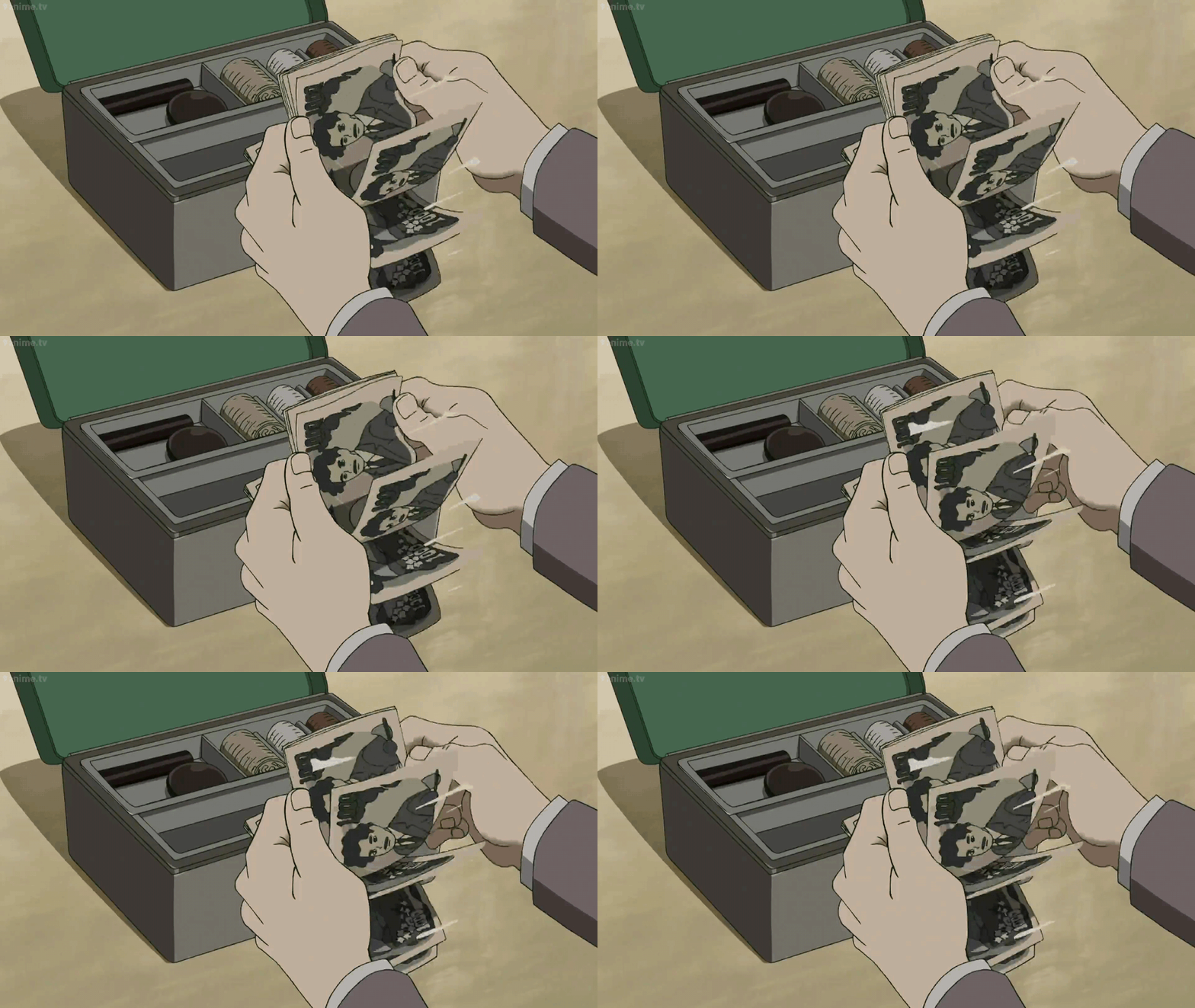
Nineties culture is truly back as Japan’s central bank just hit the economy with a 0.75% interest rate—the highest level since 1995, when the world was dancing to Backstreet Boys and still figuring out the internet. That’s a 25-basis-point hike from where they were, and the Bank of Japan is signaling they’re not done yet. More volume is coming.
But while anime fans are still relishing the greatness that is Detective Conan: Highway No Datenshi, the industry is quietly sweating over way more expensive production costs. This rate hike is about to hit the anime industry harder than a budget-cutting production committee.
The Budget Crisis That’s Already Happening
The quick story is that whilst saving has become extremely attractive, borrowing has gotten 50% more expensive since the Bank of Japan raised rates by 25 basis points. But the real problem is much deeper than just interest payments.
Anime production committees budget three years in advance, so shows airing today were budgeted back in 2021 before the yen’s massive depreciation. Now costs have skyrocketed but budgets stay frozen, creating a financial squeeze that’s hitting studios hard. It’s like ordering a custom kimchi three years ago at last year’s price, then realizing cabbage costs double now but your customer still expects the old price.
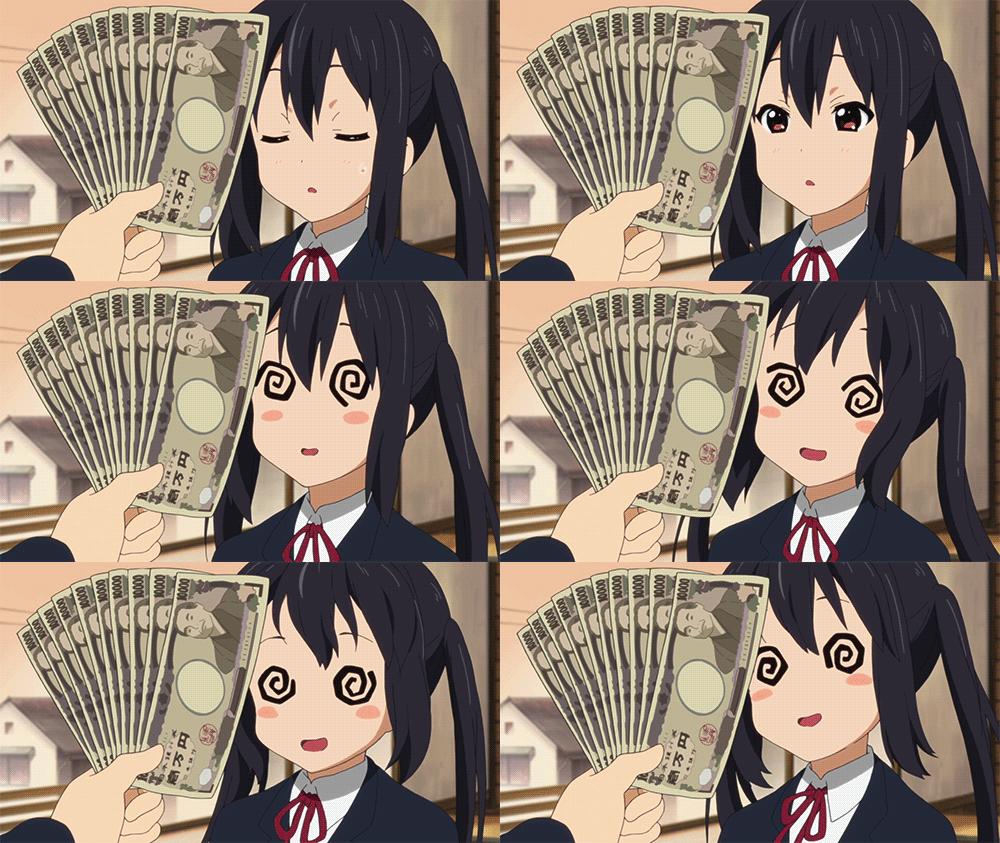
Studios need loans for new projects, and those higher interest payments mean small studios with thin margins can’t afford expensive borrowing anymore. The result is devastating: eight major anime studios shut down in 2025 and filed for bankruptcy. Think of it like trying to fund your indie K-pop group’s debut album when loan rates jump 50%. Suddenly that music video isn’t happening.
The Outsourcing Nightmare Nobody Talks About
Japan’s anime industry relies on 80 to 90% overseas outsourcing to Korea, China, and the Philippines for in-between work. This is the industry’s secret engine, handling the massive amount of frame-by-frame work that keeps shows running.
The rate hike created a weird twist where the Bank of Japan raised rates thinking the yen would strengthen, but it actually weakened instead. This makes outsourcing to Korea and China more expensive, forcing studios to pay more overseas while getting the same budget from committees. They’re forced to cut profits or reduce footage quality.

It’s like when your favorite streaming service suddenly charges you more for international content, but your subscription price stays the same. You’re getting less. For anime, this means shows might have lower animation quality, fewer frames per second, or more reliance on cheaper production techniques like still frames and recycled footage.
Animators Are Still Scraping By (and Leaving)
Entry-level animators earn between 600 and 800 yen per hour, which is below Japan’s minimum wage. The average annual income sits at 1.11 million yen for new animators and 2.63 million yen for key animators. Roughly 90% quit within three years due to these brutal conditions.
The rate hike makes this even worse. Real wages have been declining for 11 straight months, inflation is rising faster than wages, and underpaid animators face even tighter budgets, leading to more burnout and more quitting. This is a talent drain that the industry can’t afford.

The industry is already in a labor crisis where production studios are overwhelmed by post-COVID order surges. Losing 90% of new animators in three years means constant training, lower quality, and eventually, fewer shows getting made at all.
What You’ll Actually See on Screen
In the short term through 2025 and 2026, you’ll see shows with lower animation quality or fewer frames, more production difficulties and cancellations, and a shift toward trope-filled anime that reliably deliver profits rather than risky original projects. Studios might outsource even more to cut costs, pushing work to cheaper countries like India.
Read more: Inside Manga’s $40 Billion Piracy Problem—And the Race to Fix It
The long-term risks are even more serious. Small studios can’t survive, leading to fewer creators overall. Foreign firms may take over Japanese animators, Japan could lose control over quality and creative direction, and studios will stick to safe adaptations instead of original works.
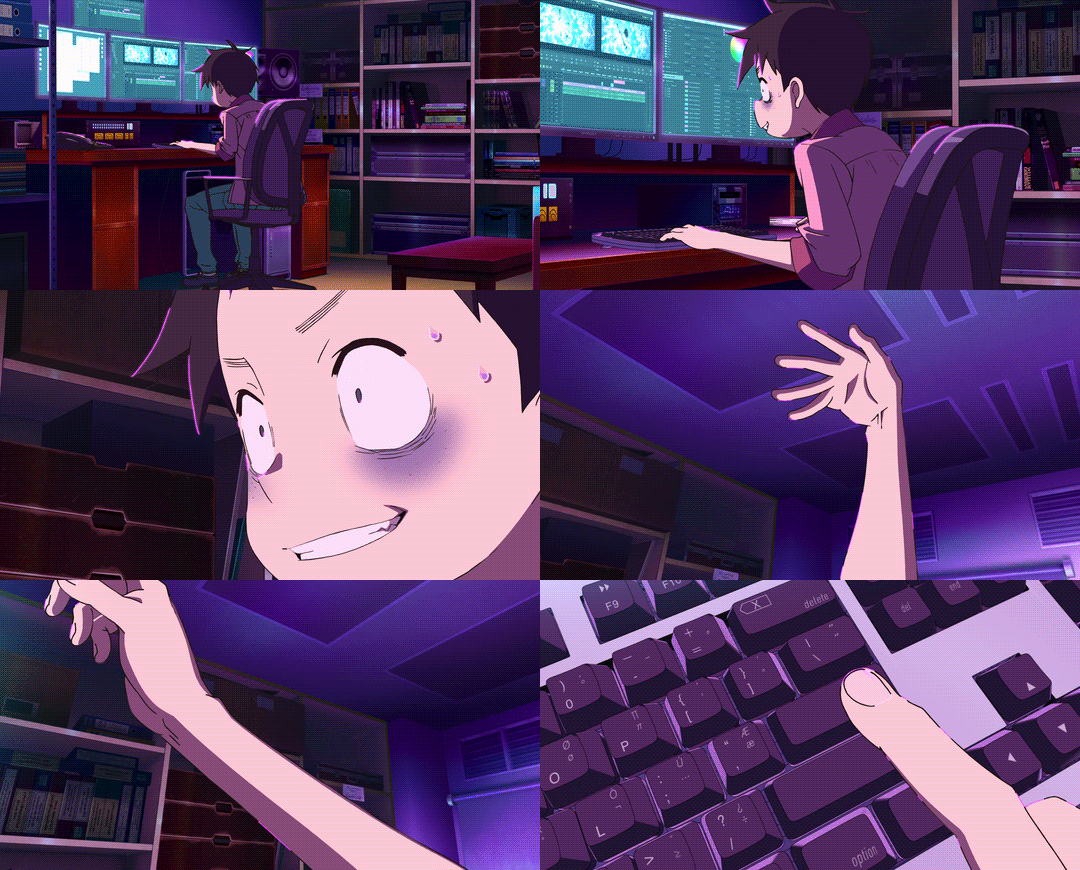
The industry hit a record 25 billion dollars in 2024, a 14.8% increase from the previous year, but it’s a profitless boom. Rising costs combined with frozen budgets means studios are bleeding money even as the industry grows.
The Anime Fan Experience
For anime fans, streaming deals might change because distributors like Crunchyroll could buy anime more cheaply due to the weak yen, but licenses could drop in quality. Domestic anime fans face declining purchasing power, and what you watch will likely include more safe adaptations from manga and games versus risky original projects.
Anime music videos and idol anime like Evangelion and Bocchi the Rock might see budget cuts, and concert animation projects could get cheaper production values.
If you’re planning a trip to Japan, anime theme parks like Tokyo Joypolis and the Ghibli Museum might raise prices, anime merchandise could get pricier because import costs are up, but flights to Japan might be cheaper since the yen is weaker.
The Hidden Cost Nobody’s Talking About
The interest rate hike is one more bullet in a gun that’s already firing. The yen is at its weakest against the Korean won in 16 years and the lowest versus the Chinese yuan since 1993. Production costs are skyrocketing due to overseas outsourcing and yen depreciation.

The labor crisis continues with 90% of animators quitting within three years on poverty wages. Budget timing means shows airing now were budgeted during poor economic conditions, and eight major studios closed in 2025.
The rate hike is like adding salt to soup that’s already too salty.
The Bottom Line
Japan’s rate hike is the anime industry’s version of a K-pop group’s contract renewal. They’re suddenly paying more for everything, including borrowing, outsourcing, and labor, but the label, which is the production committee, won’t increase their budget. Some groups survive, some fold, and the fans get less content, lower quality, and way more repackaged old hits.
Read more: Anime Pilgrimages Are Booming With 195% Surge In Comic-Related Travel Across Asia
For anyone who loves anime, expect more safe adaptations, fewer original projects, and possibly some production quality dips. The profitless boom is ending, and the industry is facing real structural problems that go far beyond just interest rates.