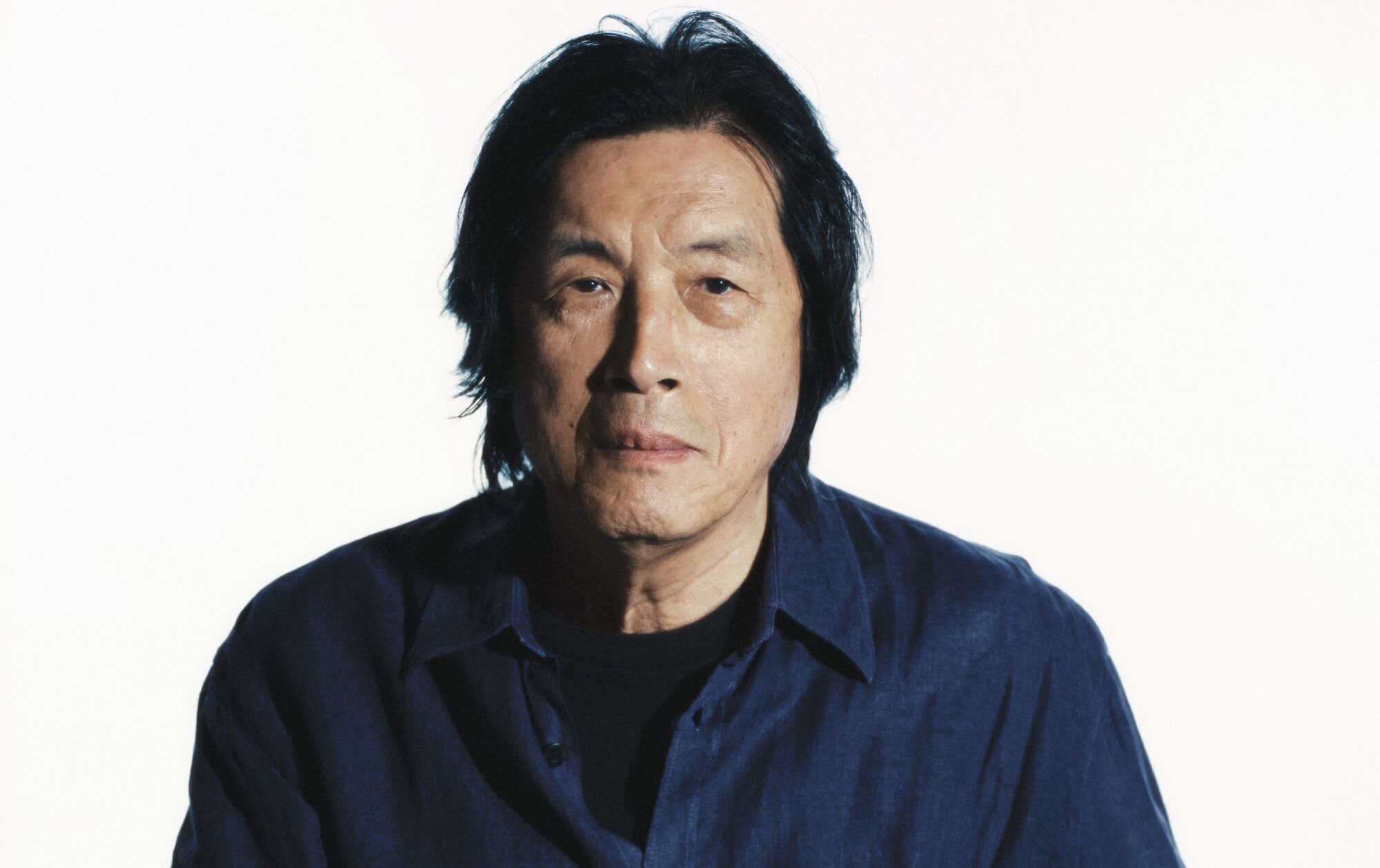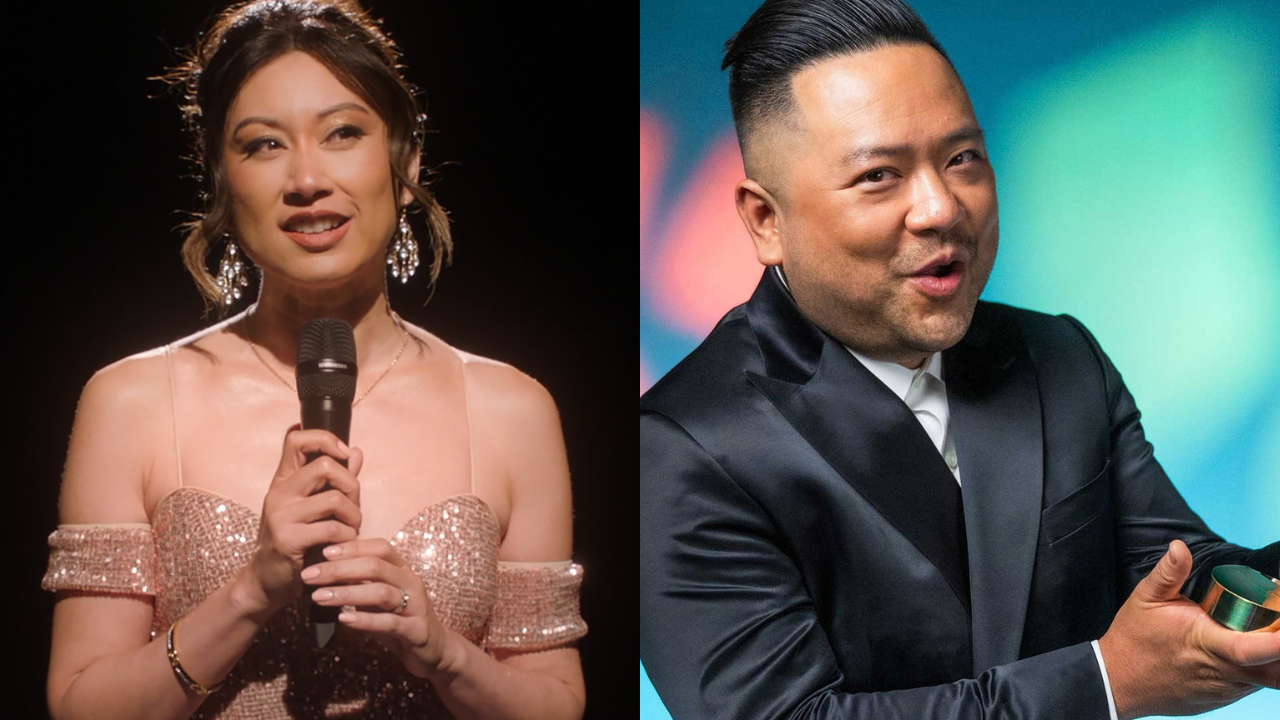
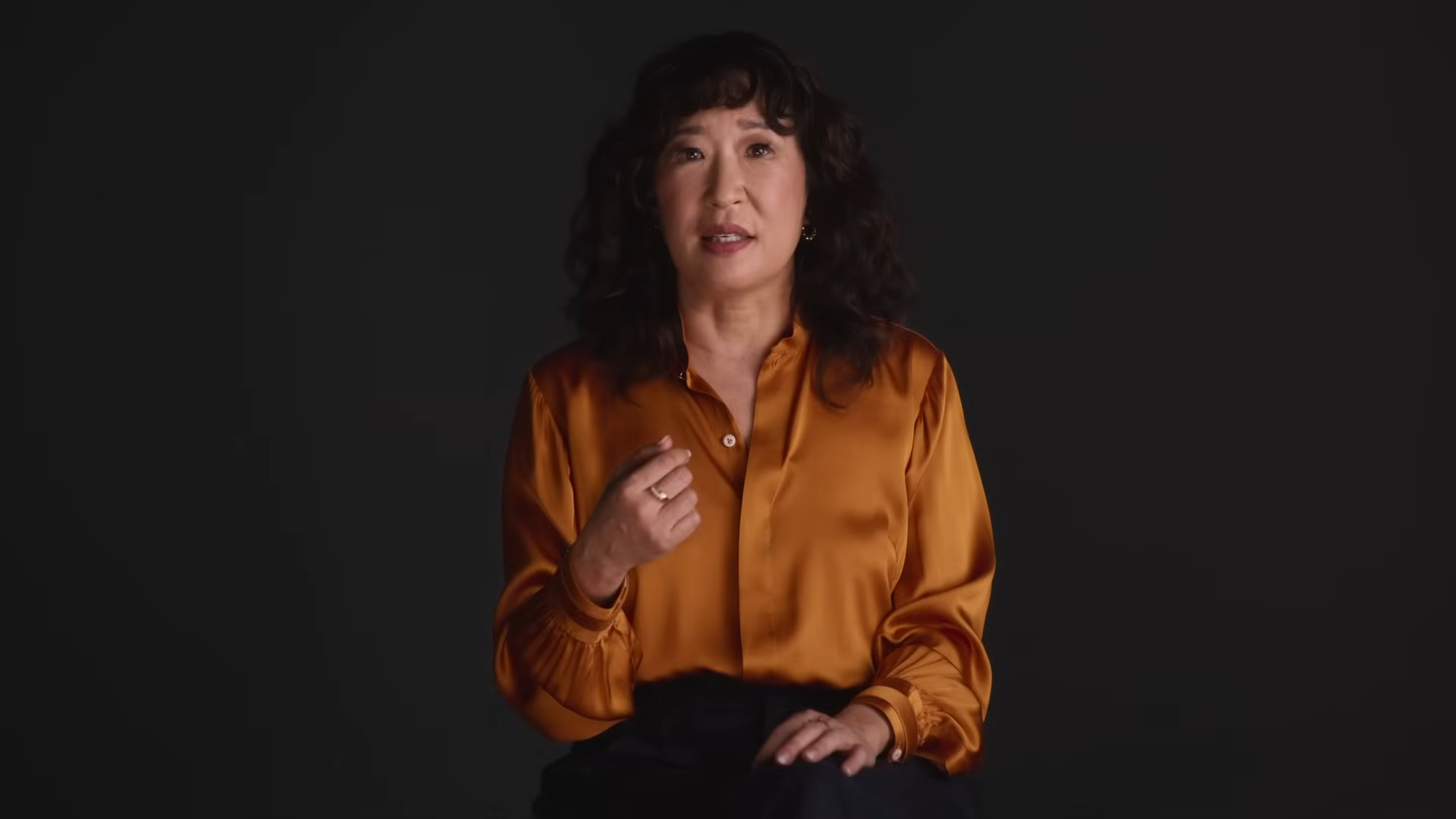
Sandra Oh, Kumail Nanjiani, Bowen Yang, Connie Chung and DJ Rekha are among the voices featured in Eugene Yi’s new HBO documentary The A List: 15 Stories from Asian and Pacific Diasporas, a film that explores the meaning and reach of AAPI identity.
The Korean-American filmmaker has long been interested in the term AAPI — Asian-American and Pacific Islander — and the question of which communities it truly includes.
“When we’re talking about Asian-Americans or Asian people in the US, oftentimes it’s people who might look like you and me, and maybe not people who look like Zohran Mamdani,” he says, referring to New York City’s mayor, who was born in Uganda to a family of immigrants from India. “Why is that when this term is supposed to be so capacious and so inclusive?”
That curiosity helped lead Yi to the new HBO documentary, which is now streaming on HBO Max and arrives during AAPI Heritage Month. The film is the latest in
The List Series, created by Timothy Greenfield-Sanders, whose earlier documentaries have focused on prominent Black, Latino and LGBTQ Americans.
Inside the documentary, Yi captures intimate, no-frills interviews conducted by journalist Jada Yuan with 15 people of AAPI heritage working across a range of industries. Alongside Chung and Rekha, the film features actors Sandra Oh, Kumail Nanjiani and Bowen Yang, whose public personas are often tied to comedy but whose interviews move into more personal territory.
Read more: Michelle Yeoh Gets Her Hollywood Star With Awkwafina, Ang Lee, Jon M Chu, Sandra Oh In Attendance
“When talking to people who are professionally funny, oftentimes they’re really comfortable not being funny [in unscripted conversation],” Yi says. “I appreciated that chance to get a little bit deeper into some of their stories.”
One of the film’s most affecting segments belongs to Yia Vang, chef and owner of Vinai, a Hmong restaurant in Minneapolis. Vang filmed his interview three years ago, and since then has appeared on several cooking and lifestyle shows. Born in a refugee camp and raised in Wisconsin from the age of four, he describes the experience of being interviewed on camera as a kind of confessional.
Vang tearfully recounts how his desire not to be “the weird kid” pushed him to throw away the school lunches packed by his mother, including sticky rice and fermented vegetables. The memory, he says, resurfaced as a lesson in identity and self-acceptance.
“I will never, ever try to be ‘cool’,” Vang says. “That’s why I guess I get so intense about like, how we do our food here. Not because I’m chasing perfection or some kind of award, but I just want to make sure I stay true to the integrity that [my parents] laid before me.”
He now sees that moment as “full-circle redemption,” with the dishes he once rejected now appearing on Vinai’s menu.
Asian-Americans are among the fastest-growing populations in the United States, but recognition of AAPI influence still lags behind that growth. A new survey by The Asian American Foundation found that many adults in the US struggle to name a famous Asian-American, while Jackie Chan — who is not American — was among the most frequently cited names. About half of respondents could not name a famous Native Hawaiian or Pacific Islander.
“It’s an indication of just how, for most of America – and our data shows this as well – people get most of their information about Asian-Americans not so much from direct contacts, but from the media,” says Norman Chen, CEO of The Asian American Foundation.
Chen recently attended a screening of The A List and praised the range of stories Yi and his team brought together. He said the documentary felt especially meaningful because a project like this may not have been possible a decade ago.
“Even people that we don’t know have such powerful stories [that] show you the depth and richness of our community and the struggles that we’ve had to go through in multiple generations,” Chen says.
When Yi and his team began work on the documentary, Kamala Harris was still running against Donald Trump for the US presidency. Now, under a Republican Trump administration that opposes diversity, equity and inclusion initiatives, Yi says the film inevitably carries political weight.
Read more: Margaret Cho Says Fear of ICE Kept Her Out of HBO Max Series ‘Heated Rivalry’
“What I’ve certainly seen during this stretch of time – just speaking for myself – is just how quickly things can backslide and how quickly people can be erased,” Yi says. “We literally have people being disappeared on the streets and we literally have histories being erased.”
He is especially moved by the way older participants in the film connected their personal stories to historical trauma, including activist Kathy Masaoka, whose mother was held in Japanese-American incarceration camps. Yi hopes the documentary prompts viewers to reflect on both the past and present struggles of AAPI communities.
“We can really move forward from this moment in terms of rebuilding and reclaiming and taking up space with confidence and hope again,” he says.