
A growing controversy in China is putting The Devil Wears Prada 2 under scrutiny, just weeks before its release, with some netizens calling for a boycott over the portrayal of a Chinese character in the film.
The backlash began after the film’s trailer dropped, quickly gaining traction across Chinese social media. According to local outlets including People’s Daily Online on April 21, criticism has centred on both the name and depiction of a supporting character, which some viewers say carry uncomfortable undertones.
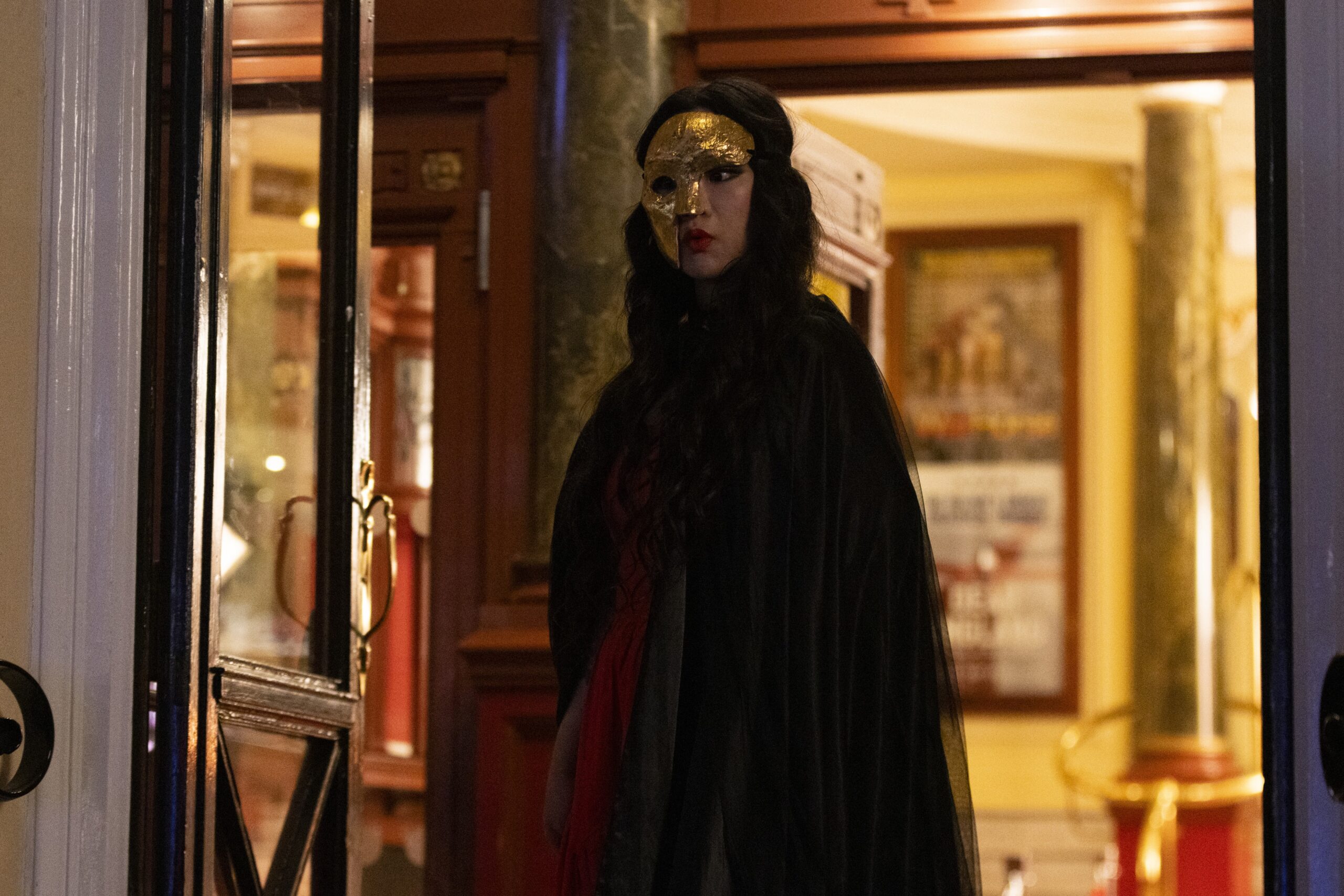
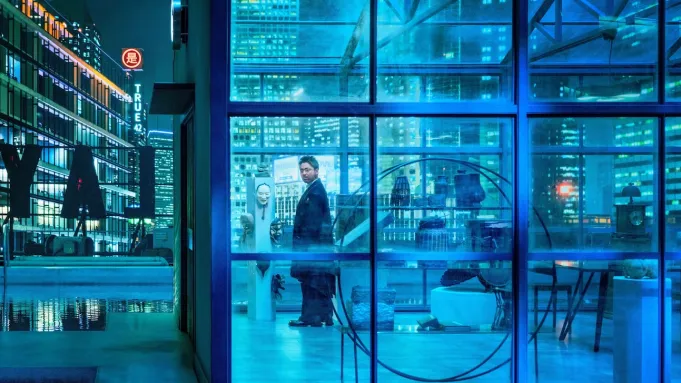
The character in question, “Qin Zhou (秦舟),” is played by Chinese actor Sun Yitian and appears as an assistant to Andy. While not a lead role, the character has become a flashpoint in online discussions.
Read more: Lucy Liu Joins ‘The Devil Wears Prada 2’ With Meryl Streep and Anne Hathaway
Much of the initial reaction focused on the name itself. Some netizens argued that “Qin Zhou” sounds similar to “Ching Chong,” a phrase historically used in the West as a slur against Chinese people.
One comment that gained attention read, “If a Black character’s name were ‘Nigo,’ evoking the slur ‘Negro,’ would Hollywood dare release such a film?”
But the criticism hasn’t stopped at the name. Viewers have also taken issue with how the character is styled and written.
In the trailer, Qin Zhou appears in glasses and a checkered shirt — a noticeably subdued look compared to the polished, fashion-forward world the franchise is known for.
Certain scenes have added to the discomfort. The character is shown openly criticising superiors and speaking in a self-assured, almost boastful tone, which some say leans into the stereotype of Asians as “book-smart but socially inept.”
Others pointed to exaggerated expressions, arguing that the performance feels closer to caricature than character.
Online reactions have been blunt. Among them: “The name ‘Qin Zhou’ sounds derogatory, and both the appearance and character are stereotypical and ugly.”
Read more: Hallmark Slammed Over “Whitewashed” Cast In New ‘Mahjong’ Movie Premiering During AAPI Month
“From the trailer, the character appears unsophisticated, emotionally flat, and arrogant,” and “Why is this film being heavily promoted in China while degrading and discriminating against Asians?”
With the conversation continuing to build, attention is turning to what this could mean for the film’s performance in China. Its release is timed with the Labour Day holiday period from May 1 to 5 — typically a strong window for box office returns.
Hong Kong’s Sing Tao Daily noted, “There are forecasts that this controversy could negatively affect the film’s reputation and box office performance.”
For now, the situation highlights how quickly audience sentiment can shift — and how sensitive representation remains, especially for global franchises navigating local expectations.