Two people die in Japan’s New Year mochi rice cake tradition again

Facebook
X
LinkedIn
Threads

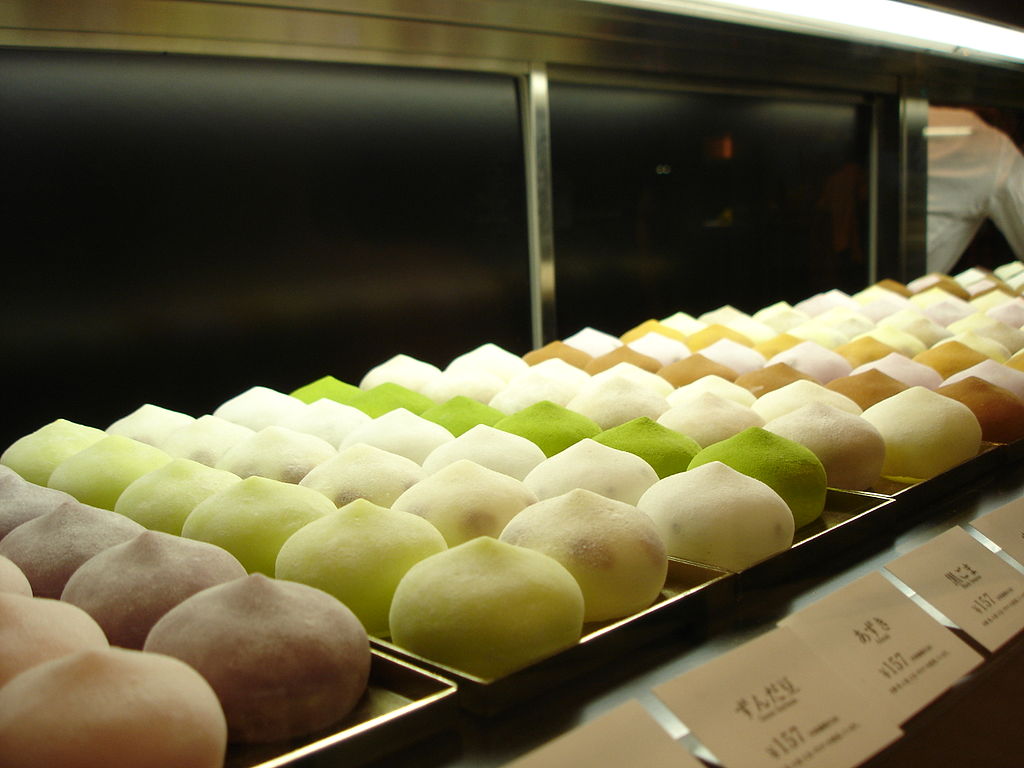
Two people have died in Japan after choking on traditional mochi rice cakes as part of New Year festivities.

According to the BBC, two people have been killed whilst several are in critical condition after choking on mochi rice cakes as part of New Year tradition in Japan.

The sticky rice cakes are cooked in a vegetable broth to celebrate New Year. However, the soft, chewy, larger than bite-sized snacks need to be chewed properly before swallowing.

Consequently, those who have difficulty chewing, such as the young and elderly, struggle eating them and could suffocate in the process.

90% of those who are admitted to hospital after choking on mochi cakes in new year celebrations are aged 65 or older.

Last year two people also died after eating mochi cakes at new year, whilst 12 were hospitalised. 2016 saw one death, whilst nine died bringing in 2015.

 

Author
Facebook
X
LinkedIn
Threads

Stay Connected

Latest news

More From Resonate
The Hong Kong born stage and screen star who found global recognition as the villainous Madame Gao has passed away.
The dark comedy anthology lands sixteen nominations as creator Lee Sung Jin makes television history and star Charles Melton secures
The first footballer of East Asian heritage to play for England receives official recognition at his childhood home in Buxton.
The Tennessee Republican senator is facing intense online mockery after filming a hardline political advertisement inside a redecorated Nashville diner.
The new Godzilla Minus Zero trailer teases Godzilla’s return, a New York City showdown, and returning cast members as Toho
The long-awaited stoner comedy sequel brings back John Cho and Kal Penn alongside the original writers for a new cinematic
The cross-border production marks the directorial debut of CEO Min Lim as she positions Southeast Asian stories for the international
A new month-long festival in London addresses what it means to return home and bridges the gap between generations.