‘Tokyo Gore Police’ Director Yoshihiro Nishimura Dies at 59

Cult Japanese horror maestro Yoshihiro Nishimura, director of Tokyo Gore Police and Helldriver, dies at 59 after a battle with liver disease. His final film, Geisha War, is set for wider distribution
Facebook
X
LinkedIn
Threads
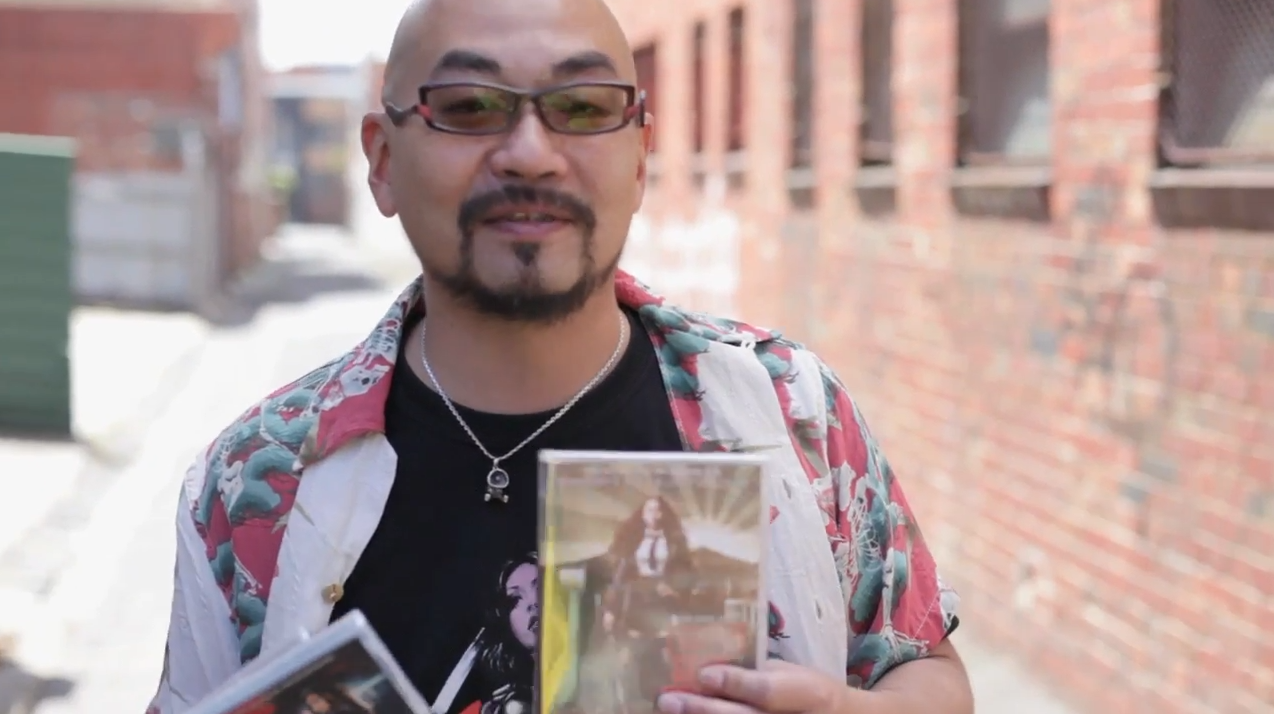
Yoshihiro Nishimura, the filmmaker who pushed Japanese horror into stranger, bloodier and more gleefully unhinged territory, died Monday in Tokyo after nearly two weeks in hospital with liver disease. He was 59.
Nishimura’s death was confirmed by Girls and Corpses, the small production company that worked with him on his final film, Geisha War. The news landed hard across genre cinema circles, where his name had long been synonymous with practical effects, body horror and a kind of handmade chaos that few directors could imitate and nobody could quite clean up.
Born in Tokyo on April 1, 1967, Nishimura fell in love with cinema as a child after watching George Lucas’ Star Wars. He later studied law at Aoyama Gakuin University in Shibuya, though the path he ultimately followed was far messier, more inventive and much harder to contain inside any conventional frame.

His early breakthrough came with the 1995 short Anatomia Extinction, which he wrote, directed and handled special effects for himself. The film picked up an award at that year’s Yubari International Fantastic Film Festival and helped kick open the door to a professional career built on gore, invention and relentless experimentation.
Before becoming a cult director in his own right, Nishimura spent years sharpening his style through special effects and makeup work on titles such as Suicide Club, Meatball Machine and The Machine Girl. That technical grounding would become central to his work, giving even his wildest films a tactile, handcrafted quality that made the carnage feel perversely physical.
His first commercial feature, Tokyo Gore Police, arrived in 2008 and remains the film most closely tied to his legacy. Built from ideas he had explored earlier in Anatomia Extinction, the film became a festival favourite and is often credited with helping clear the runway for a new era of Japanese ultra-violent horror and science-fiction cinema.
Nishimura went on to direct a run of titles that deepened his cult standing, including Vampire Girl vs. Frankenstein Girl, Helldriver, The Ninja War of Torakage, Meatball Machine Kodoku, Welcome to Japan and Tokyo Dragon Chef. He also contributed to ensemble projects including Mutant Girls Squad and The ABCs of Death, bringing the same feverish imagination to collaborative work that marked his solo features.Outside the director’s chair, Nishimura founded the production and effects outfit Nishimura Eizo Co., Ltd. He also worked on major projects including 2016’s Shin Godzilla, where he served as Godzilla’s moldmaking supervisor and special modeling producer, a credit that underlined how deeply respected he was as a craftsman even beyond the cult circuit.Over the years, he became a familiar face on the international festival trail, regularly turning up at The New York Asian Film Festival, Fantastic Fest in Austin, Montreal’s Fantasia International Film Festival, Texas Frightmare in Dallas and Monsterpalooza in Pasadena. More recently, he had also been teaching film classes and art workshops around Tokyo, while hosting gallery events for his own work and that of his students.

Tributes began appearing soon after news of his death broke. Actress Eihi Shiina, one of Nishimura’s frequent collaborators, said, “Horror has lost a real visionary, and I have lost a friend.”

“I am devastated by the sudden loss of my great friend Yoshihiro Nishimura, who, only two weeks ago, was on a live Zoom call with us following the screening of our film ‘Geisha War,’” Girls and Corpses’ Robert Rhine said in a statement on Instagram. “It had been a dream of mine to work with Nishimura and I flew to Kyoto last October (with our lead actor Costas Mandylor) to film at Hikone Studios.”


View this post on Instagram


A post shared by Girls And Corpses (@girlsncorpses)

Rhine added another tribute that captured the scale of the loss felt across the genre world. “Nishimura was a brilliant filmmaker and true artist who inspired many filmmakers, such as Quentin Tarantino. It is a great loss for the indie horror community and Nishimura’s fans around the world.”

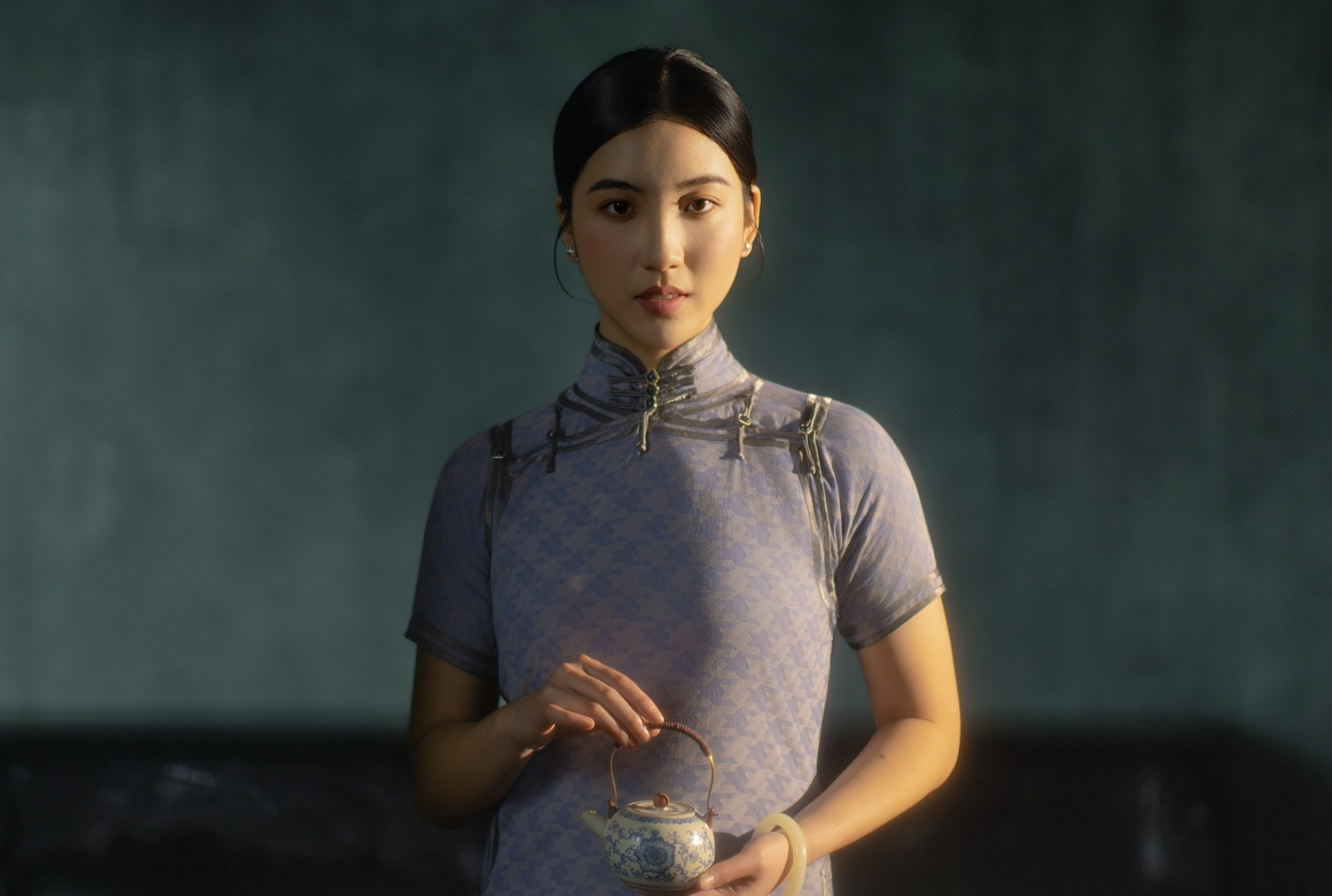
At the time of his death, Nishimura had recently completed what will now stand as his final feature, Geisha War, which has already screened publicly. Rhine said he intends to continue that work and secure wider distribution for the film in the director’s memory.

“I will be finalizing ‘Geisha War’ in Nishimura’s memory and we will find [a] great distributor for this amazing film, Nishimura’s last, to show to the world,” Rhine said. “My deepest condolences to his wife, Haruka, and daughter Kika.”

Nishimura leaves behind a body of work that was impossible to mistake for anybody else’s. His films were grotesque, funny, excessive and often genuinely visionary, and they helped define a corner of Japanese horror that refused to play by anybody else’s rules.

Author
Facebook
X
LinkedIn
Threads

Stay Connected

Latest news

More From Resonate
The dark comedy anthology lands sixteen nominations as creator Lee Sung Jin makes television history and star Charles Melton secures
The first footballer of East Asian heritage to play for England receives official recognition at his childhood home in Buxton.
The Tennessee Republican senator is facing intense online mockery after filming a hardline political advertisement inside a redecorated Nashville diner.
The new Godzilla Minus Zero trailer teases Godzilla’s return, a New York City showdown, and returning cast members as Toho
The long-awaited stoner comedy sequel brings back John Cho and Kal Penn alongside the original writers for a new cinematic
The cross-border production marks the directorial debut of CEO Min Lim as she positions Southeast Asian stories for the international
A new month-long festival in London addresses what it means to return home and bridges the gap between generations.