Skyscanner sold to China’s travel agency Ctrip for £1.4 billion

Facebook
X
LinkedIn
Threads

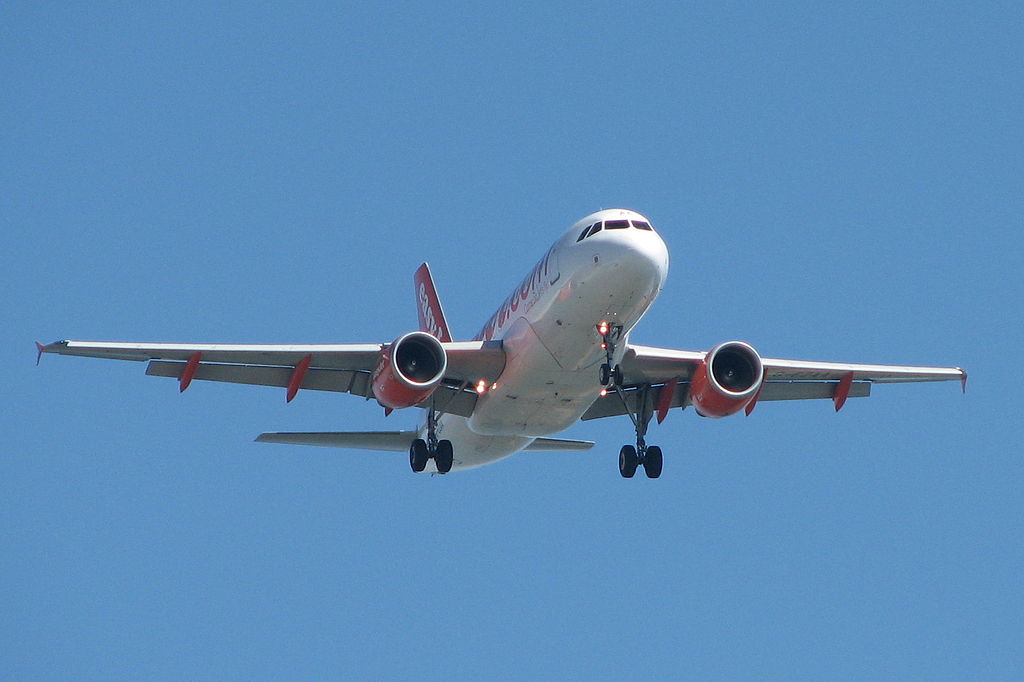
Scotland’s Skyscanner has been sold to China’s travel giant Ctrip for £1.4 billion.

Skyscanner is a price comparison website for flights, hotels and car rentals. The British technology start-up dates back to 2001 in the wake of the dotcom bust. Started by Gareth Williams, Barry Smith and Bonamy Grimes, the site has grown to more than 60 million monthly users with annual revenues of over £120 million.

Ctrip said that Skyscanner will run independently with Mr Williams remaining at the head of the company. Having Chinese owners will give Skyscanner access into China, which a number of Western internet companies have failed to achieve.

“Ctrip is the clear market leader in China and a company we can learn a huge amount from,” Mr Williams said. “Today’s news takes Skyscanner one step closer to our goal of making travel search as simple as possible for travellers around the world.

The deal will be finalised by the end of the year.

Author
Facebook
X
LinkedIn
Threads

Stay Connected

Latest news

More From Resonate
The Avalanches reunite with Yeah Yeah Yeahs’ Karen O on new single 'Blue Shadows,' a mesmerising, melancholy cut that hints
Shioli Kutsuna leads Netflix’s Parasyte: Tamiya, a new live-action series that turns Ryoko Tamiya from villain into the emotional core
Growing up in a family-run takeaway means taking phone orders, working the kitchen, and pretending you're on a 90s game
25 years. 27 films. Four days of cinema. The Asian Film Festival of Dallas returns to Mockingbird Station this July.
Korean YouTuber Ino Cat (Yoon Su-jin) once hailed for calling out a racist slant-eyed gesture at the World Cup now
Will Yun Lee says Christopher Nolan’s The Odyssey was “one of the hardest” shoots of his career, recalling brutal conditions,
The young deaf performer who captured international attention as Jia in the monster blockbuster franchise has died at age eighteen.
Australia says it is "deeply frustrated and bitterly disappointed" over Laos’ decision to pursue only low-level charges over the 2024