South Korea is preparing to inspect how entertainment agencies treat their youngest performers. The Ministry of Culture, Sports and Tourism confirmed on Monday that it will launch its first comprehensive investigation into the working conditions and rights of teenage K-pop idols in 2027.
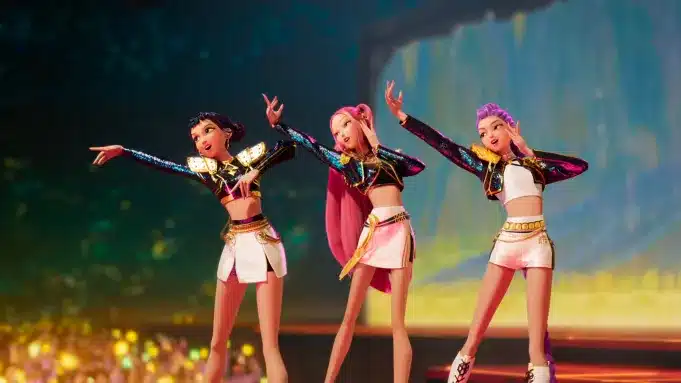
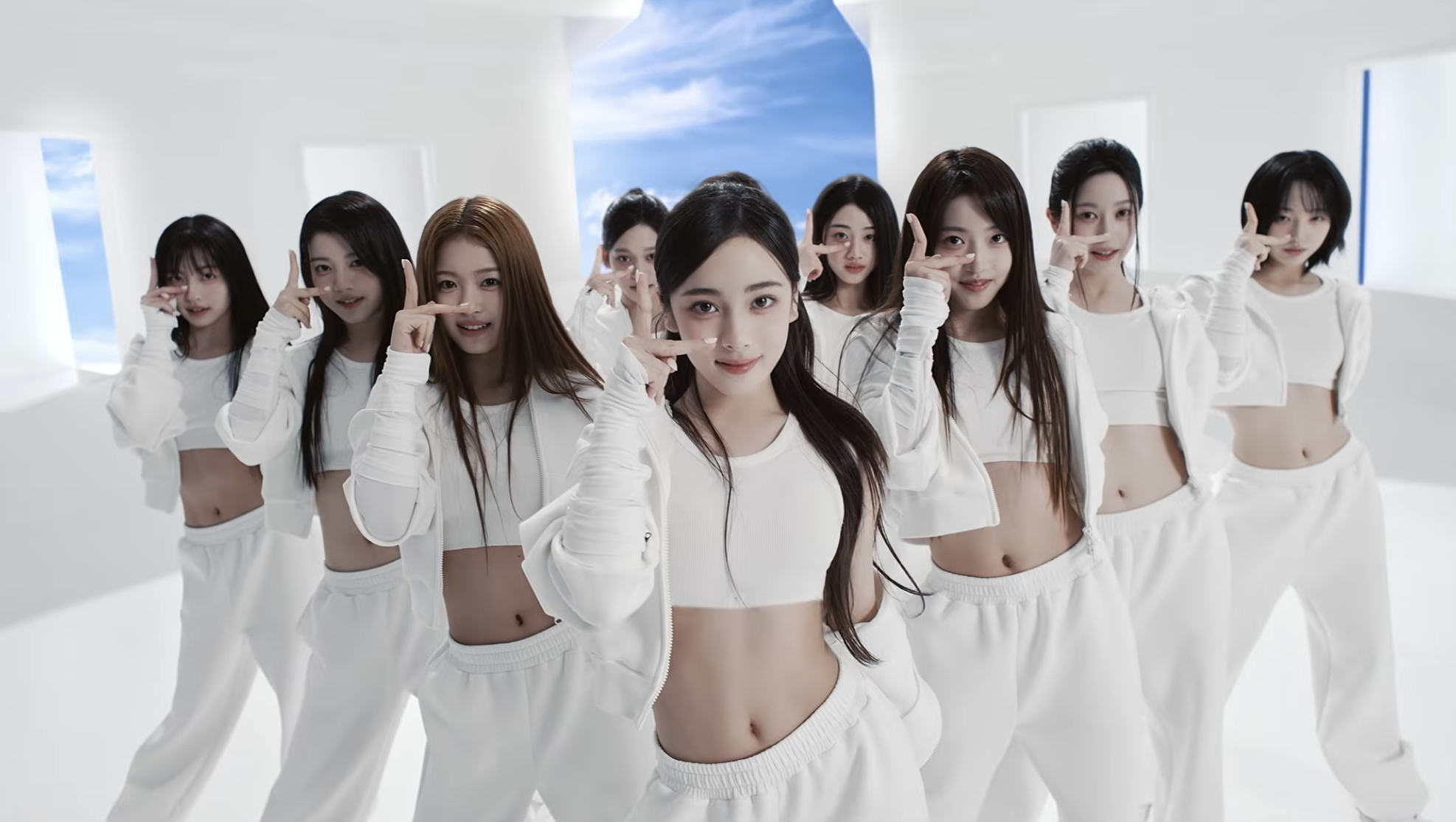
The announcement arrives as agencies debut increasingly young lineups. In the nine-member girl group A2O MAY (also known as A2O LITE), every performer is under 19, and three members are just 13 years old.
Boy group A2O SOUL features 13 underage performers out of 15 members, while six of the seven members in girl group TWEED are minors.
Under South Korean law, agencies must guarantee underage entertainers access to education, adequate sleep, and rest. The Popular Culture and Arts Industry Development Act also prohibits minors from working between 10:00 p.m. and 6:00 a.m. unless specific legal exceptions apply.
However, enforcement during packed promotional cycles and overseas tours remains uneven.
May, a member of the girl group RESCENE, recalled being pulled from a concert finale at KCON LA when she was 18 because of local curfew rules. “Right before going up on stage, we were told, ‘Wait, the minor members can’t go up,'” she said. “I wanted to go up so badly. Zena and I couldn’t go up because we were minors.”
Reviewing Standard Contracts After NewJeans Revelations
The government investigation follows growing public anger triggered by a recent New York Times report into the exclusive contracts signed by NewJeans with HYBE sub-label ADOR. All five performers were between 14 and 17 years old when they signed the agreements in 2022.
The investigation revealed that ADOR had removed standard government protections regarding sleep and education, while adding strict rules on personal behaviour, high exit penalties, and indefinite agency rights over the performers’ voices and AI likenesses.
Read more: Leaked NewJeans Contracts Reveal Dating Bans, Stripped of Rights and Multimillion-Dollar Lawsuits
HYBE and ADOR rejected allegations of mistreatment, stating that the agreements were negotiated lawfully alongside parents and legal representatives. “Furthermore, the exclusive contracts themselves contain provisions protecting fundamental rights, encompassing the protections guaranteed under the government-standard supplementary agreement for minors,” the companies stated.
Questioning Performers Directly
Officials plan to verify the exact number of underage trainees and debuted idols across Korean agencies while speaking directly with young performers about their daily hours.
Kim Yu-mi, director of the ministry’s Popular Culture Industry Division, confirmed that officials will re-examine the standard contract templates first introduced in 2009.
“We plan to conduct a separate fact-finding survey to accurately grasp the current situation, while continuously expanding existing psychological counselling and legal advice,” Kim said. “We also plan to review whether improvements are needed for standard contracts.”
Industry observers say the findings will determine whether current regulations protect children in a multibillion-pound sector where debuting at 13 has become routine.