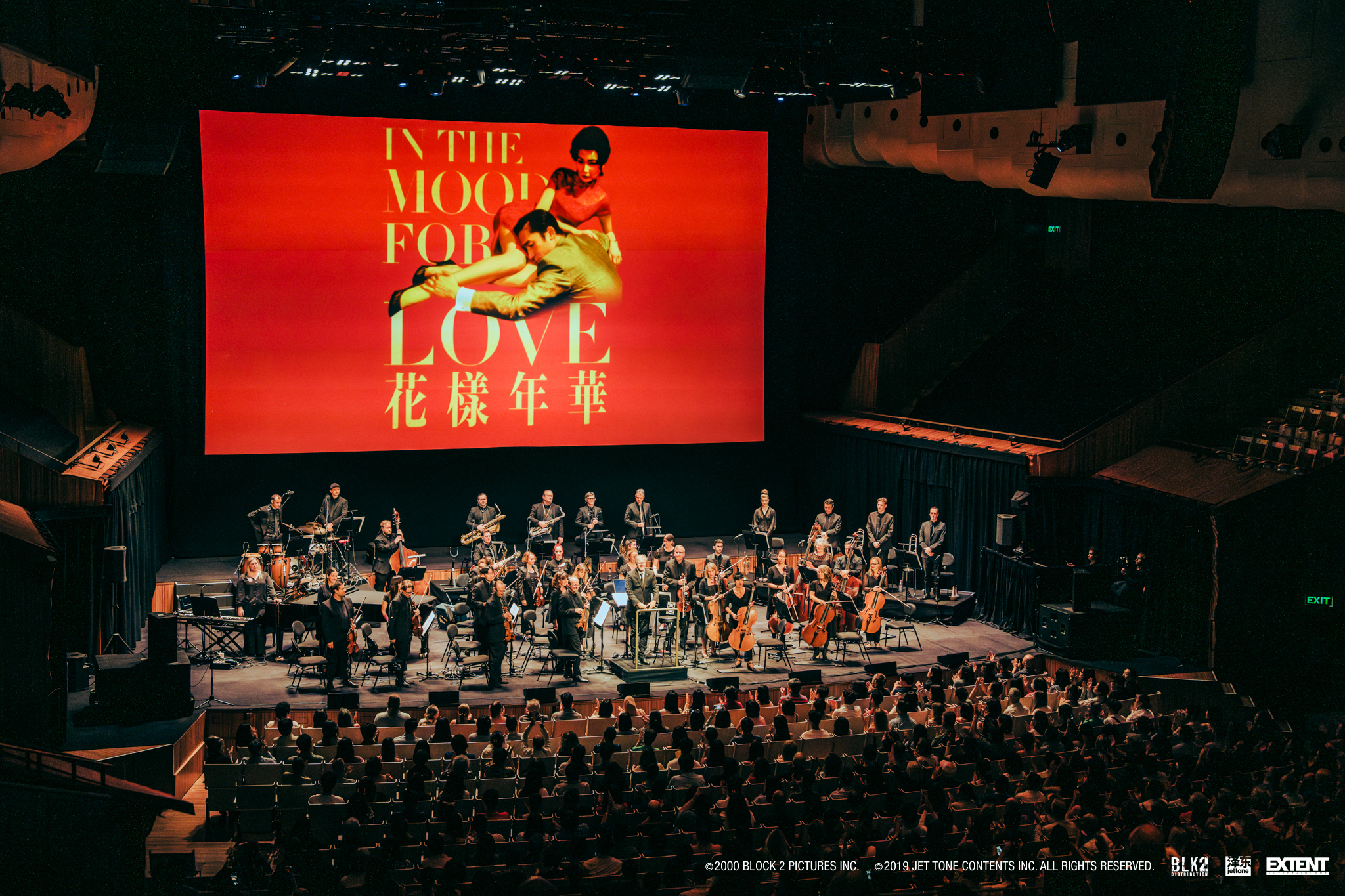
Wong Kar Wai’s In the Mood for Love is a film built on restraint. Its silences, lingering glances, repeated encounters and carefully composed frames communicate as much as its dialogue and often more.
This October, the 2000 classic returns to Singapore in a new form. In the Mood for Love In Concert will screen the fully restored film in full HD at Sands Theatre, Marina Bay Sands, accompanied by the BASE Philharmonic Orchestra performing Shigeru Umebayashi’s acclaimed score live. The performances will take place on 24 and 25 October 2026.
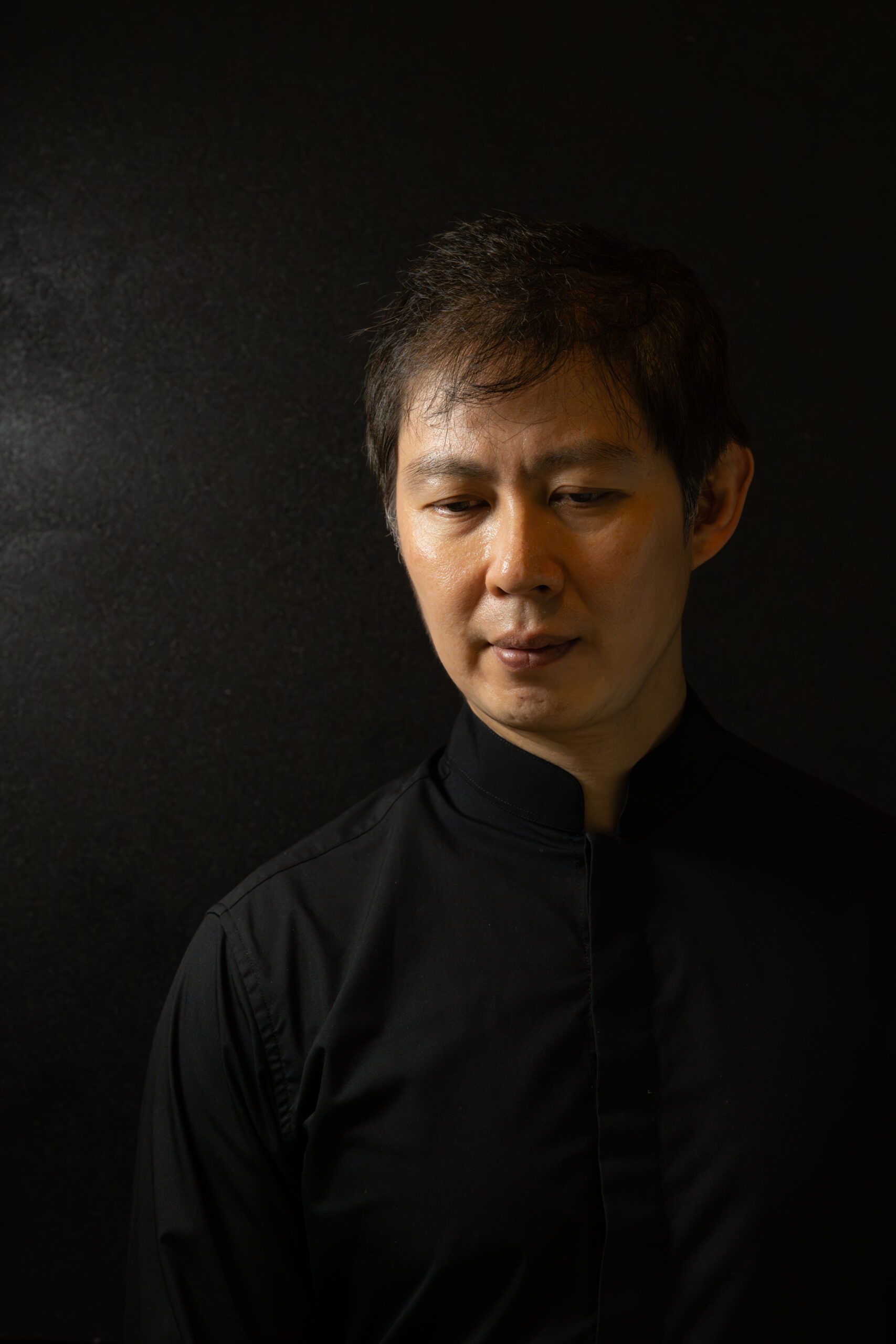
Leading the orchestra will be Singaporean conductor Joshua Tan, whose international credits include work with the Mariinsky Theatre Orchestra, Sydney Symphony Orchestra and Tokyo Philharmonic Orchestra. A graduate of The Juilliard School and the Eastman School of Music, Tan is also a recipient of Singapore’s Young Artist Award.
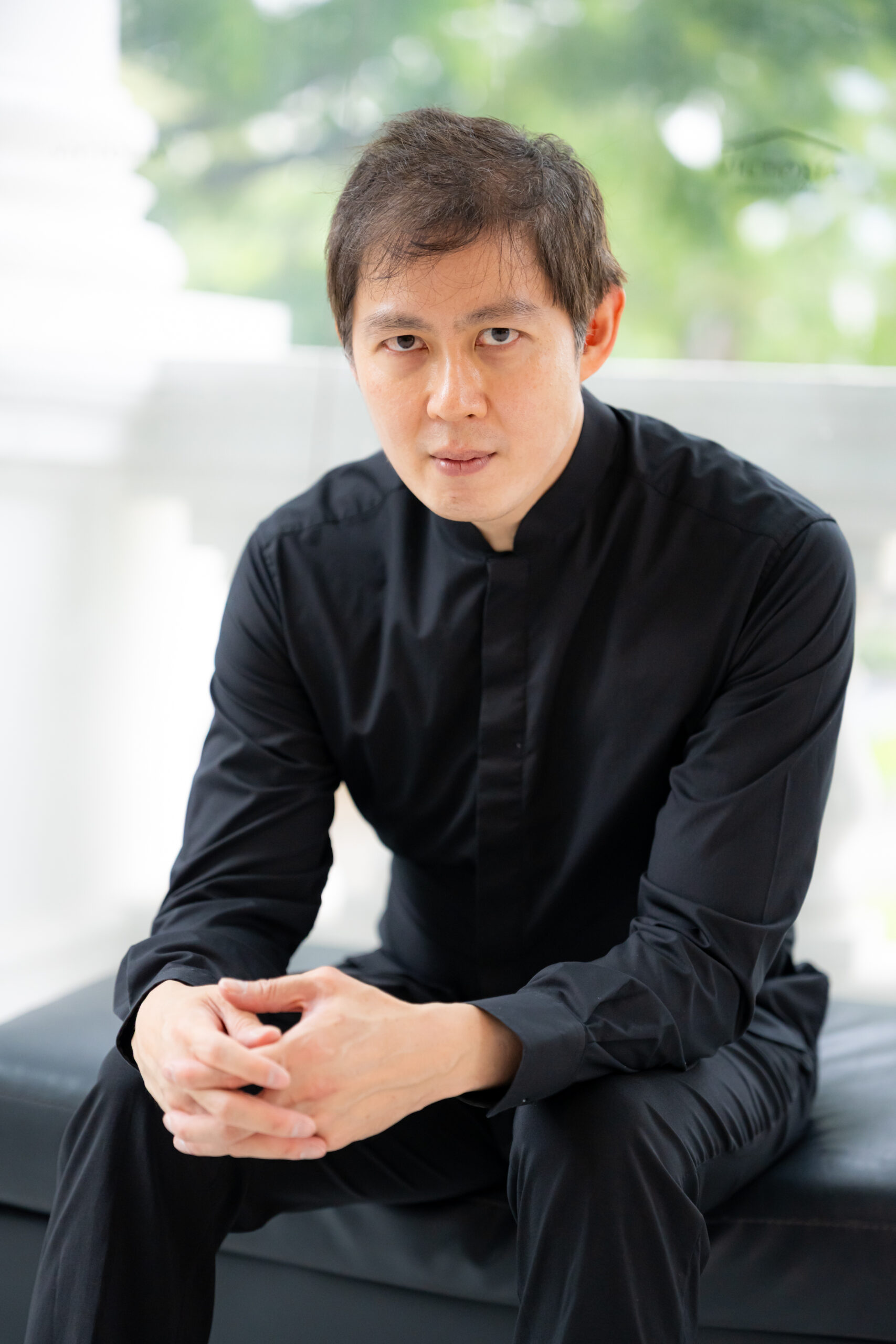
For Tan, the music is not simply an accompaniment to the film’s visual language. It is central to how the story communicates emotion. “When the music is played, it actually dominates the scene most of the time,” he says, pointing out that there is “very little dialogue or next to none whenever an emotion is conveyed”.
“Music plays a very important role in this movie and is a key element.”
A score that evolves
Umebayashi’s music has become inseparable from the identity of In the Mood for Love. Its recurring motifs mirror the evolving relationship between the film’s central characters, played by Tony Leung and Maggie Cheung.
“There is a motif and it changes and evolves as the relationship between the couple develops,” says Tan. What first struck him about the score was how “suggestive” it was, although understanding its full meaning required more than repeated listening.
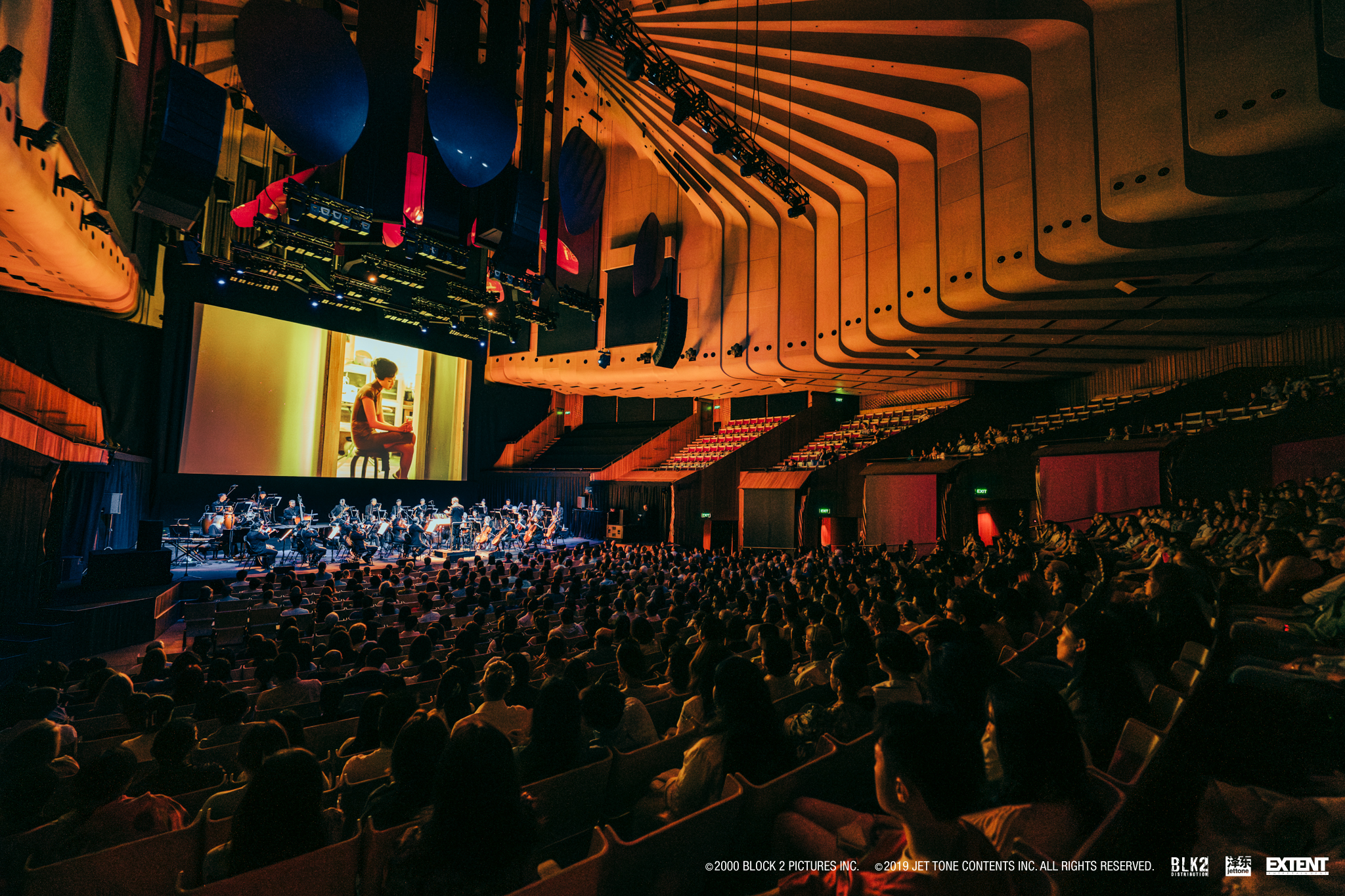
That understanding deepened when Wong Kar Wai attended the final rehearsal and first concert of the film’s Asian premiere in Hong Kong, which Tan conducted. The director explained “the vision that he had” and what the music alluded to—insight that continues to inform Tan’s approach to the work.
The Singapore production will bring that score into the concert hall through a predominantly local orchestra, creating a meeting point between a Hong Kong film and Singaporean musical talent. But Tan does not see the work as being limited by geography.
Read more: We Sat Down With Tony Leung To Discuss Trust, Technique… And Trees
“Not at all. Great art transcends all,” he says. “Great art always reflects a shared human experience. It does not matter where you are born.”
Finding freedom within the frame
Conducting a film with live music requires precision, but Tan says his fundamental role remains unchanged. Whether he is working with film, ballet, opera or the symphonic canon, he must fulfil what the composer—or, in this case, the director and composer—intended while leaving space for interpretation.
His task is also to “inspire and prepare the orchestra so they can play as a cohesive musical unit within the limited rehearsal time”.
That interpretive freedom is particularly important in a film concert. Some moments must align exactly with changes in the film, while others allow the orchestra greater flexibility.
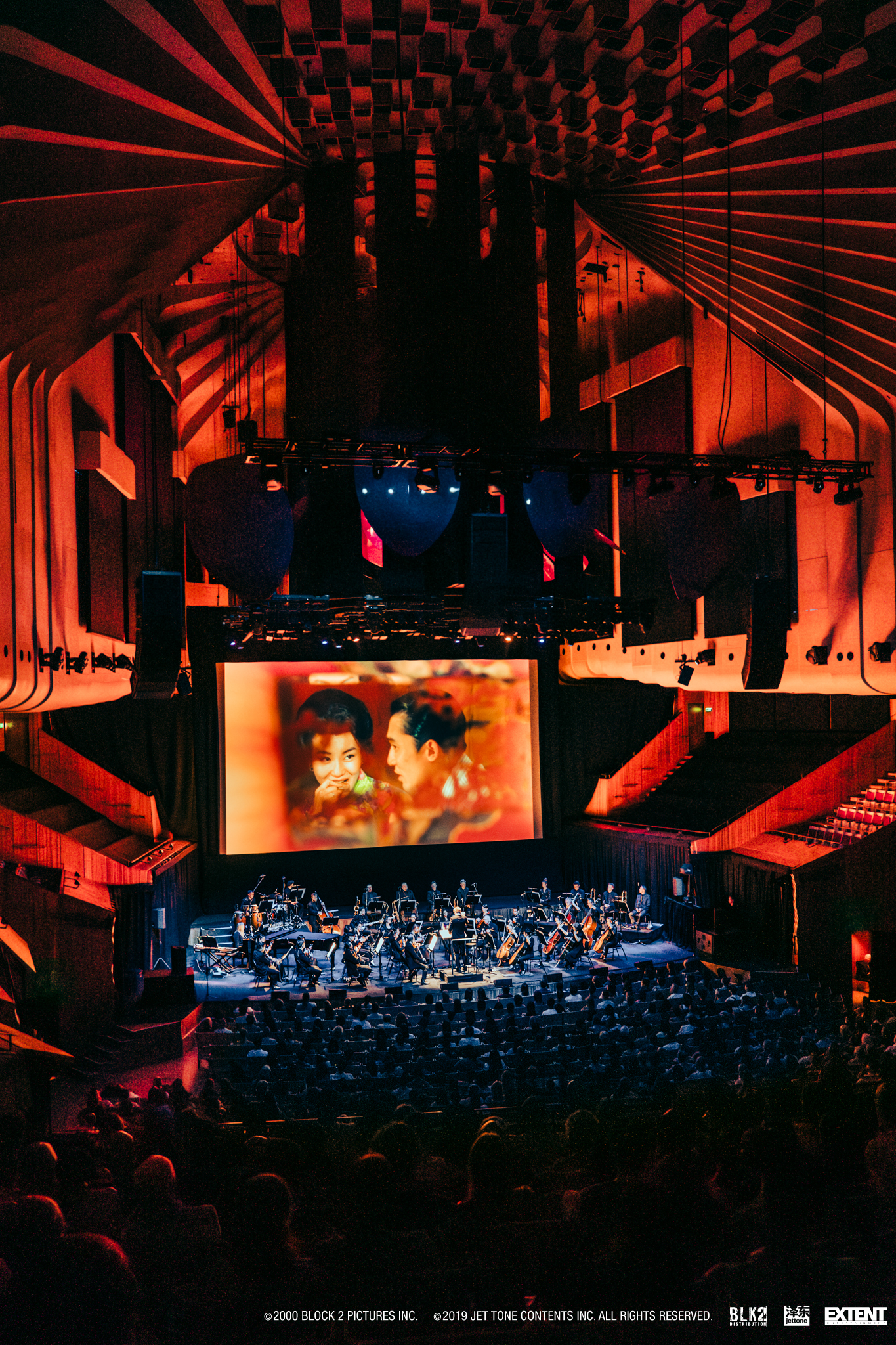
“There are moments that are fixed, but for the majority of it, some spontaneity does come into play,” Tan explains. The challenge lies in knowing when the music must synchronise with a scene change or a specific point in the film, and when it can breathe more freely.
“If it is completely fixed, then what is the point of having live music?” he asks. Referring to John Williams’ approach to film music, Tan notes that only key points need to be fixed. “That is why audiences keep coming back for such concerts.”
The result is an experience that differs fundamentally from watching the film with its original soundtrack. “The experience is totally different when a dimension that is so important to the film comes alive,” he says, while stressing that interpretation must still “go hand in hand with what is happening in the movie”.
More than perfect synchronisation
For audiences, the idea of an orchestra performing alongside a film may suggest a demand for absolute synchronisation. Tan says the reality is more nuanced.
“This is not a karaoke session where it needs to be perfectly synchronised, as in, exactly the same as the recorded original track,” he says. “If so, there is no point in having a live orchestra.”
Read more: The Eyes of Tony Leung: Why the Legendary Actor Thrives on Letting Go
Certain scenes do require exact timing, but those that allow the music to move slightly ahead or behind the picture can be more challenging. Tan must shape the performance so that, despite moments of freedom, it comes together with the film at key points.
“That is the complexity,” he says.
There is no single sequence he regards as the most difficult. “Everything is challenging and I look forward to every bit of it,” says Tan, adding that artists are always striving “to do better each single time”.
A living work of art
One of the difficulties of bringing a cherished score to life is retaining its emotional character without diminishing its sense of immediacy in each new performance.
According to Tan, the impact of any great work changes every time one encounters it. “It evolves with time and how many times they have listened or watched it,” he says. “Any great work of art is not static, it elicits and provokes different responses with each repeated encounter.”
Thus, his task as the conductor is to bring the orchestra as close as possible to the concept of Umebayashi and Wong, letting the music exist in the present.
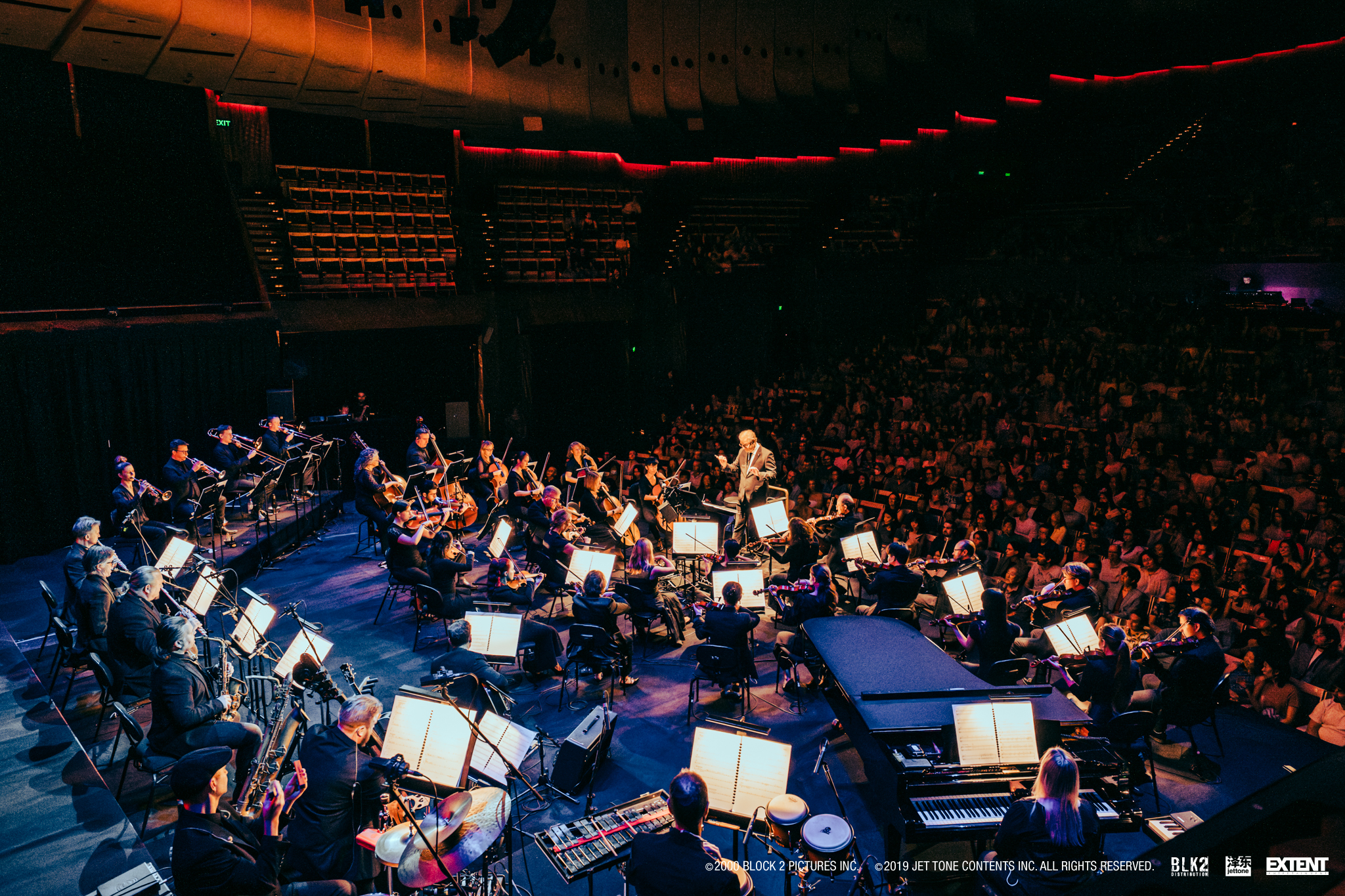
In the past Tan has already conducted live productions of West Side Story, Jurassic Park, Harry Potter, James Bond, Disney’s Fantasia and Blue Planet. However, he views In the Mood for Love as a unique kind of a film-concert experience.
“Mr Wong Kai Wai is an auteur,” he says about Wong Kar Wai, whose movies are “stylistically very different from other film concerts”. They are “thought provoking, very subtle and visually so well done”.
The precision of the movie’s visuals also has a special meaning for him, as his hobby is photography. Almost every scene of In the Mood for Love could be placed in a gallery, according to Tan.
“You can freeze frame any bit of In the Mood for Love and they belong right in a photo gallery or exhibition.”
Revisiting a familiar classic
The performances of the film in Singapore will allow a new generation to discover a movie first released in 2000 and let the old fans to rethink it.
For the newcomers, Tan believes that the presence of the live orchestra will make “a much more immersive and engaging experience”. Hearing the music played live will help to elicit “more of the intended emotional responses”, he says.
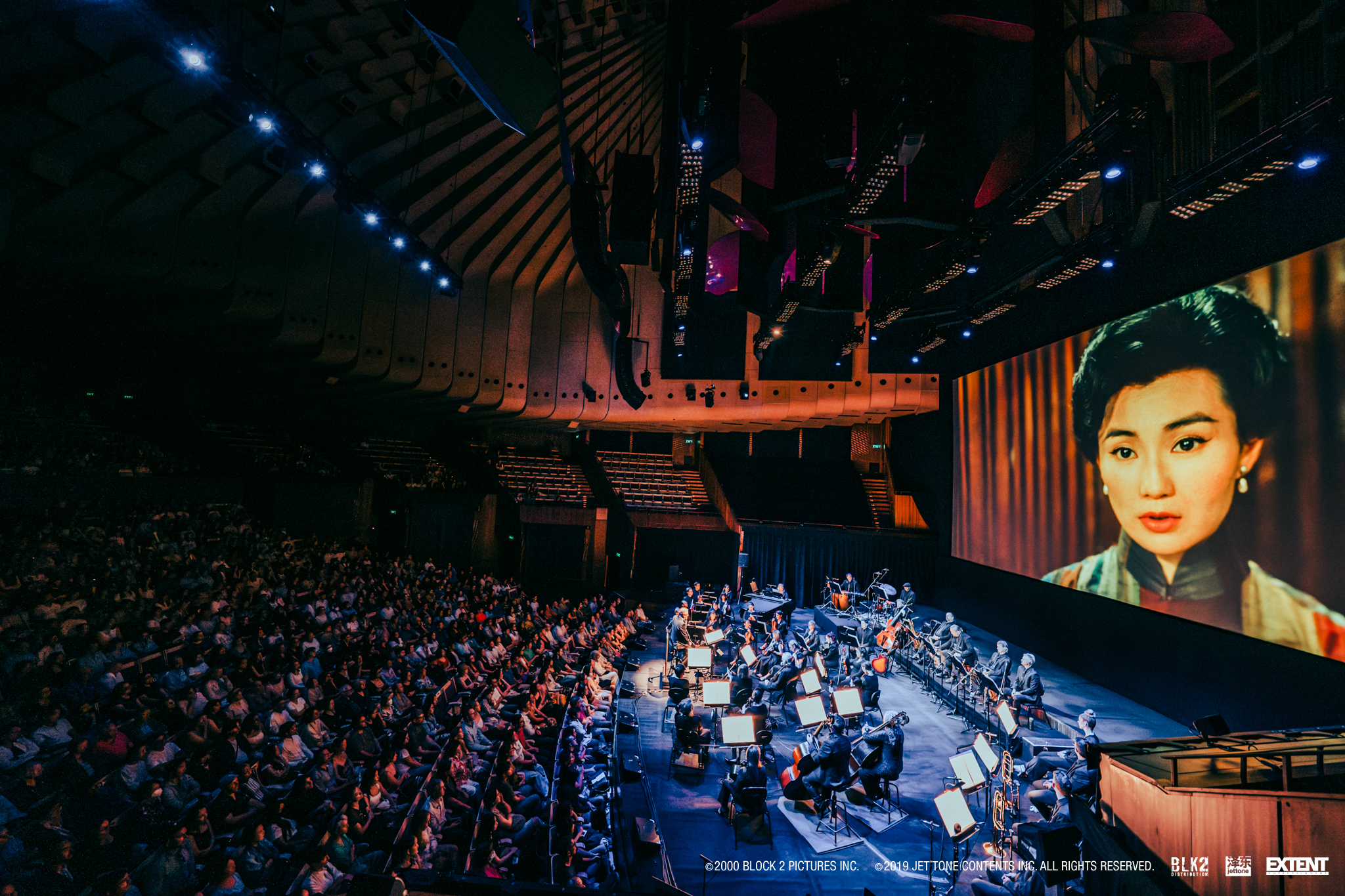
The experience of the returning viewers will probably be different. First of all, the balance of the live music and image is not going to be the same as in the original soundtrack. Moreover, the spontaneity of the performance is the guarantor that no two performances will be identical.
“Yes, it definitely will,” Tan responds to the question whether the concert can change the relationship of the viewer to the movie. “Especially since the balance of the music being performed will be very different from the original. Also there will be some spontaneity and each performance will be different.”
Finally, Tan gives the most vivid description of the attractiveness of the concert: “The music now lives and breathes”.
Tan’s mission in making this happen carries certain amount of responsibility and humility, especially when he has to conduct a local orchestra playing the score that has worldwide fame.
“It is always a heavy burden as I am responsible for making the orchestra sound good and inspired,” he says. “I am also very humbled that the people trust me with such responsibilities.”
But no matter the importance of the film for the Singapore audience and Tan’s international experience, every performance is equally important for him.
“There is no difference. Each concert, each venue, each country and audience are all important.”
For Singapore audience, In the Mood for Love in Concert gives a chance to view Wong Kar Wai’s movie not as an exhibit of a museum, but as a work which keeps changing with every watching. In the movie, the characters are stuck between their desire and restraint. In the theatre, the live orchestra will bring new life into their silence, repetition and unresolved emotions.
Event details
In The Mood For Love In Concert will be staged at Sands Theatre, Marina Bay Sands, on 24 and 25 October 2026. Presented by Base Entertainment Asia, the production will feature the BASE Philharmonic Orchestra under the baton of Joshua Tan.
-
Venue: Sands Theatre, Marina Bay Sands
-
Dates: 24 and 25 October 2026
-
Tickets: Available through SISTIC, Klook and Marina Bay Sands