A child sitting on a living room sofa knows when a household is unravelling. Adults often assume that lowering their voices behind closed doors or keeping domestic conflict out of sight shields young minds from turmoil. In reality, children absorb the quiet strain through sudden changes in domestic routine, unsaid anxieties over money, and the cold distances between guardians who have fallen out of love.
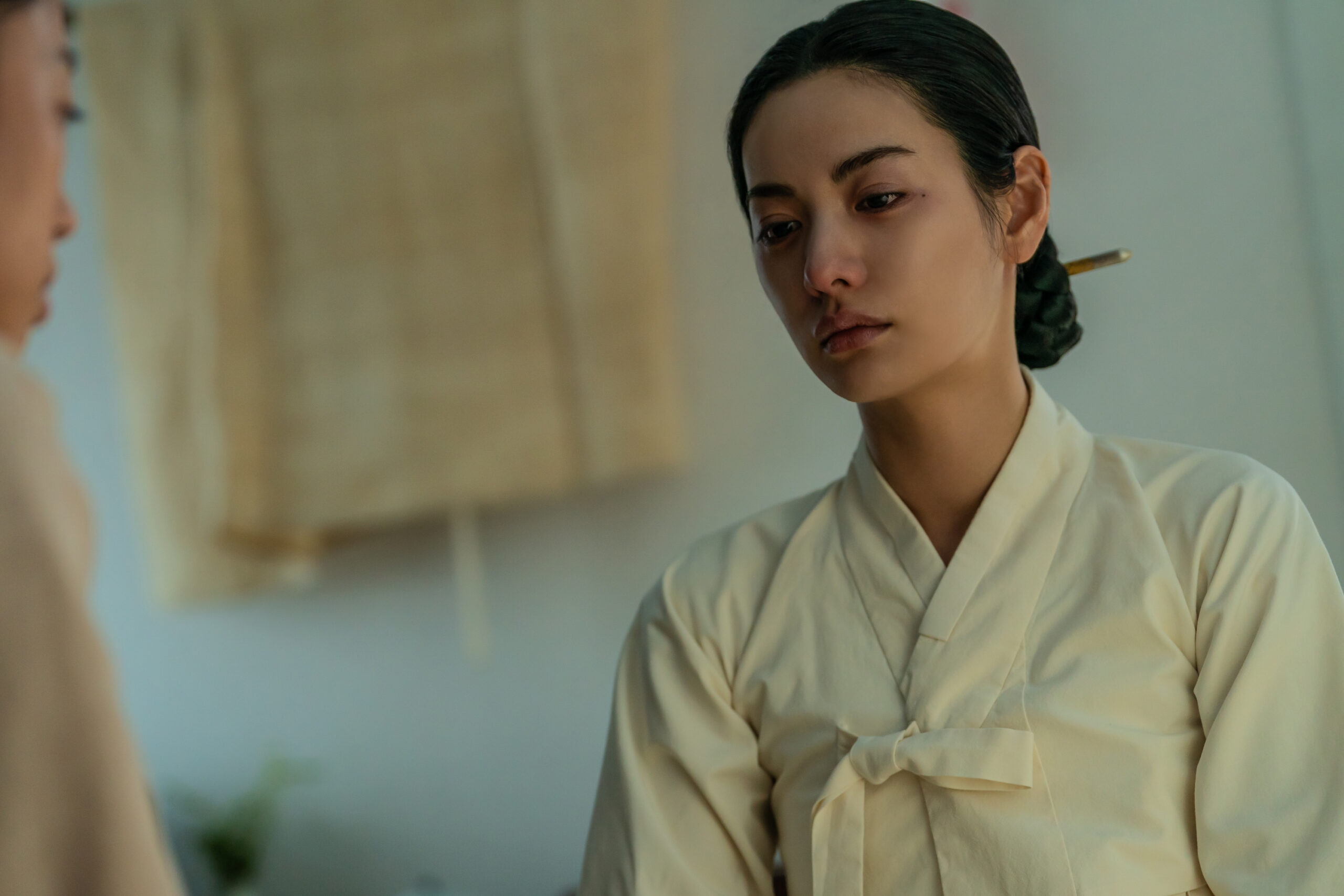
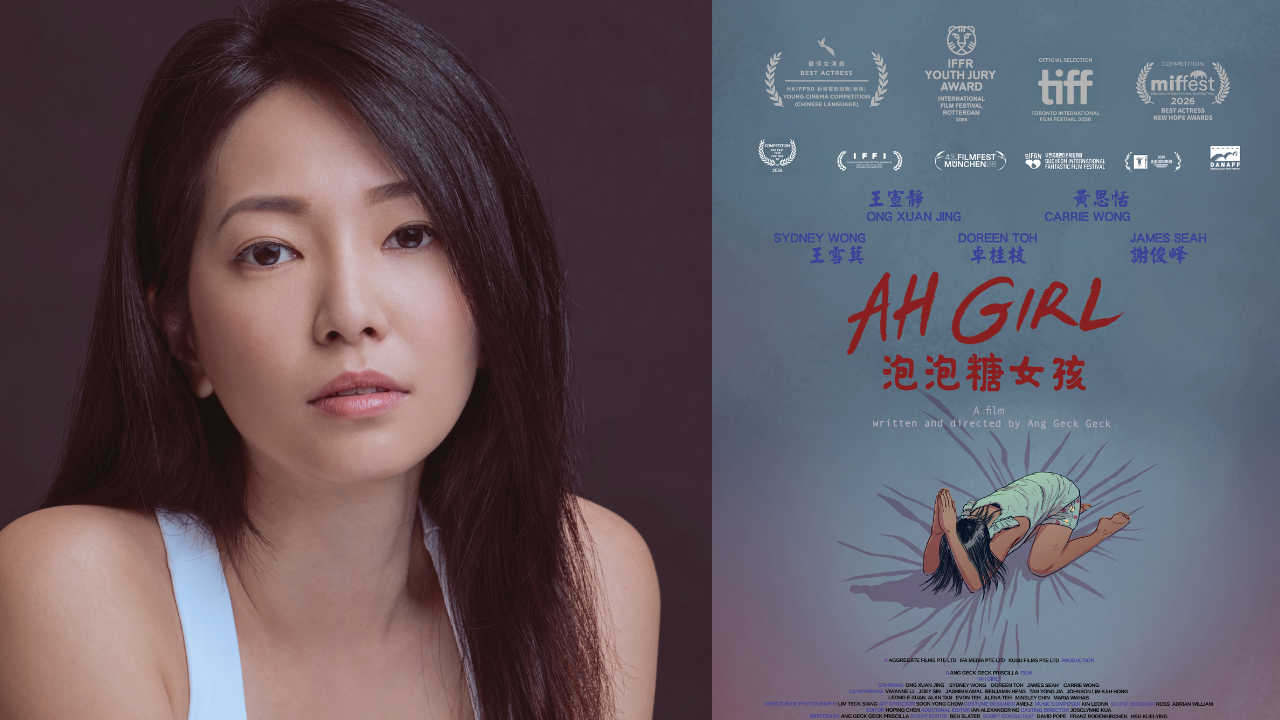
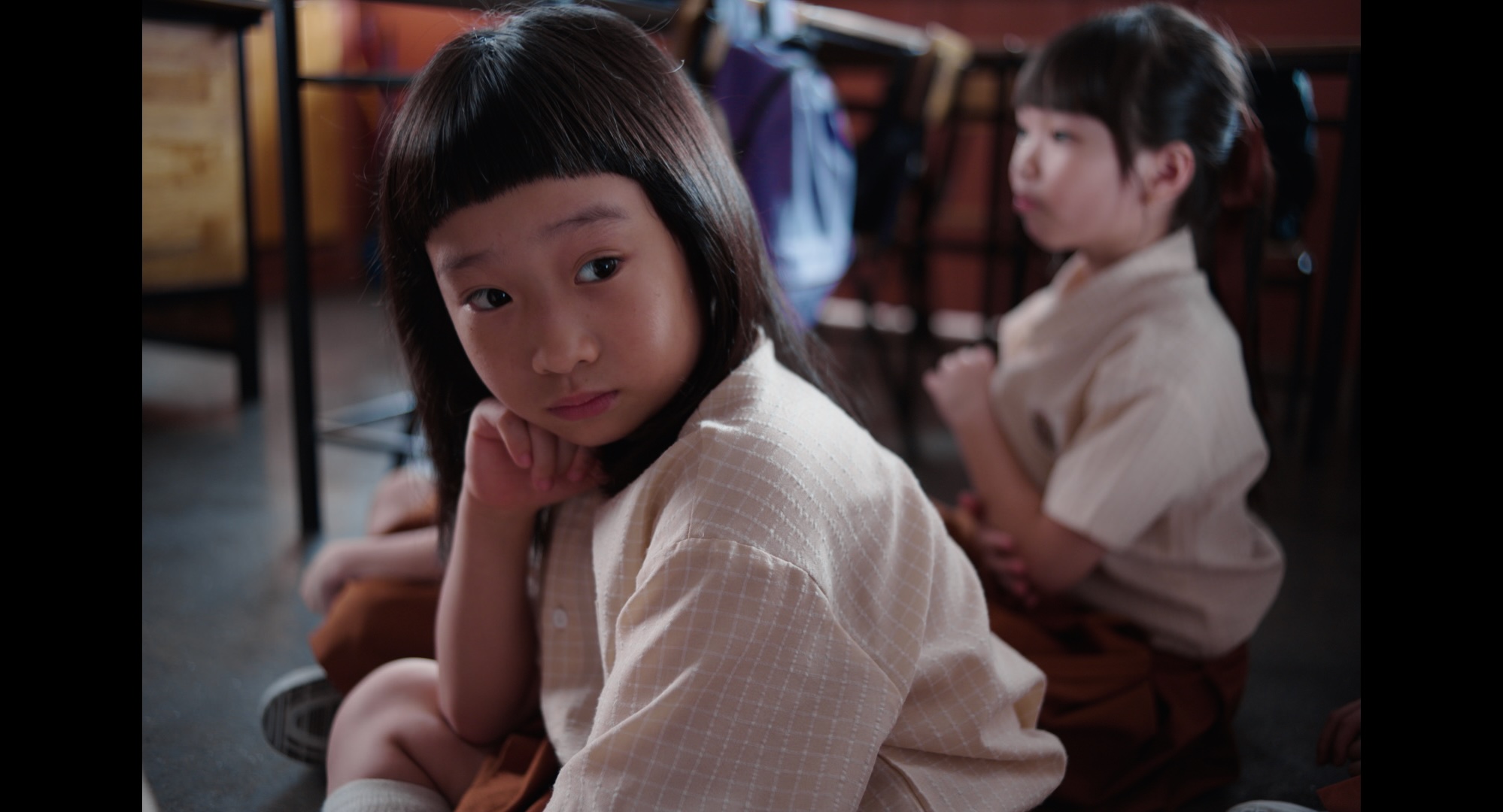
In her debut feature Ah Girl, Singaporean director Ang Geck Geck Priscilla reconstructs this precise childhood vulnerability. Set in 1994, two years after Singapore enacted its nationwide ban on chewing gum, the film follows seven-year-old Eileen Ang Swee Swee as her parents separate. Swee Swee and her younger sister Ah Tian are passed between state-subsidised flats, looked after by a strict grandmother while their mother struggles with alcoholism and their easy-going father pursues new romances. Rather than wallowing in misery, Swee Swee starts an illicit bubble gum business at school to gather money, attempting to repair her family’s finances with the only currency she can muster.
Fresh from festival screenings in Rotterdam and Hong Kong, Ang arrived in Canada for the Toronto International Film Festival with jet lag and a sense of relief. Audiences around the world have responded with tears and laughter in equal measure.
“I remember this audience member,” Ang recalls. “She came up to me crying, and then I didn’t know what to say. So in the end, I gave her a hug, which was good enough at that time. Two strangers coming together because of the film is something very special. When she cried, she expressed herself. It is also a form of healing. What I want the audience to take away is that when they watch the film, at least part of them will be healed.”
The film presents a striking contrast in how family trauma is approached in Eastern societies compared with the West. In Western domestic cinema, parental breakdowns are frequently dramatised through verbal confrontation, individual therapy sessions, legal battles, and open expressions of grievance. Emotional distress is given immediate vocabulary. In contrast, East Asian households historically handle adversity through stoicism, endurance, and practical routines. Difficult topics are avoided to preserve face. Parents show care through food, shelter, and financial provisions rather than verbal reassurance.
Ang identifies this communication divide as a source of generational hardship. “In the past, Asian parents are usually quite strict,” she observes. “You can only say certain things at certain times; if not, they will always brush you off. Every child needs to be seen and heard, and to show that their feelings matter. That was what I wanted to tell the audience.”
Read more: ‘Ah Girl’ Proves Why Asian Childhood Trauma Deserves Honest Storytelling on Screen
When love is communicated only through practical provision, children can feel shut out when those provisions falter. In Ah Girl, Swee Swee’s mother occasionally brings home overseas bubble gum as a treat, which the girl converts into an underground schoolyard enterprise. The adults interpret her scheme as simple mischief, failing to recognise that the child is attempting to solve the family’s cash shortage. The emotional chasm grows because neither side has the tools to speak openly.
“When the mum asked Ah Girl, ‘Who do you want to be with?’, she is not giving the child a choice, but trying to get validation from the child,” Ang explains. “The mum wants Ah Girl to choose her to show that she is loved by the child. She is not giving Ah Girl what she needs, because she lacked self-love. All the adults are lacking self-love. In the past, the parents treated them the same way, and it is passed on to the next kid. Asian parents show love in a very different way compared to Western families.”
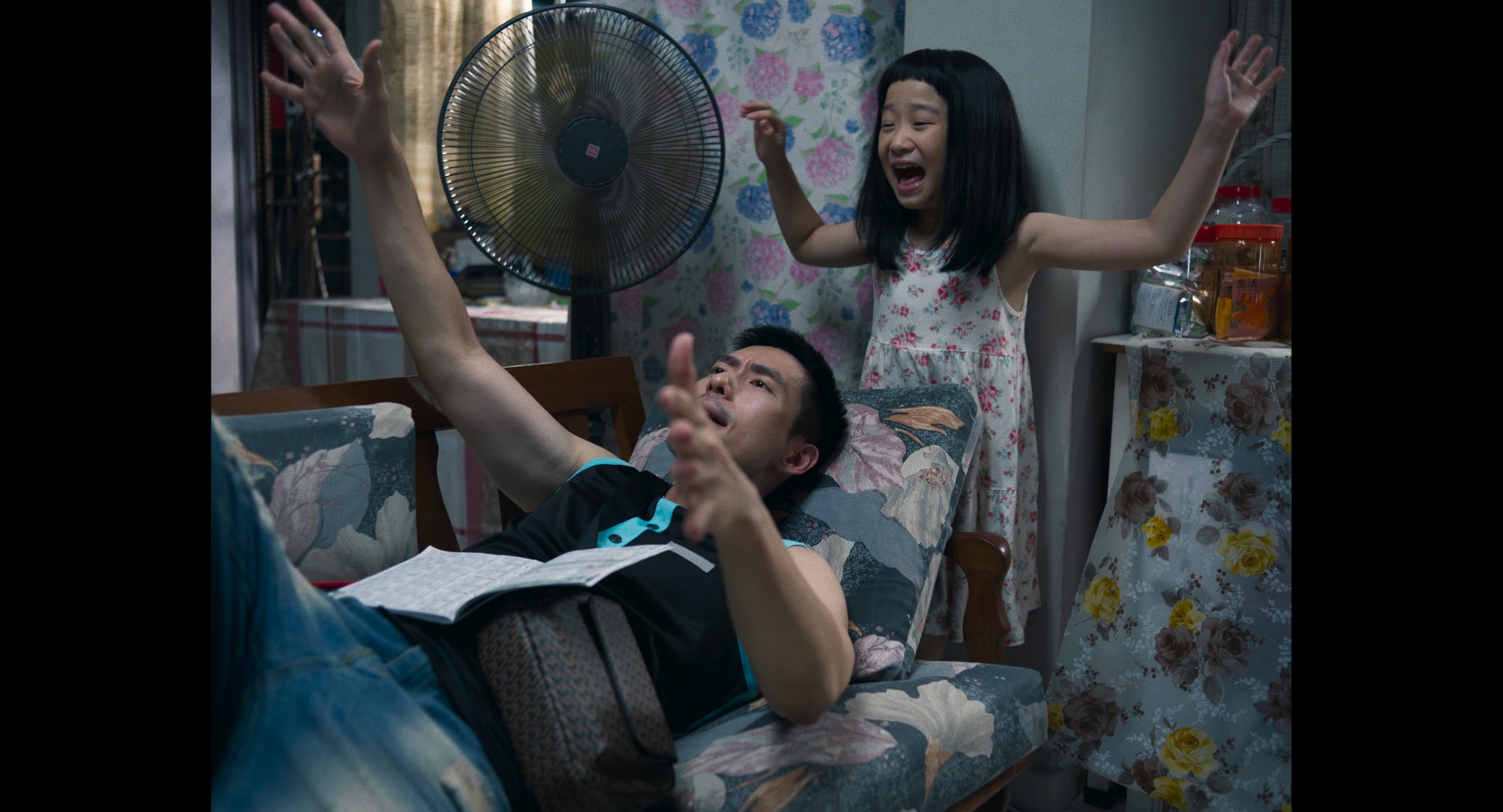
The production took twelve years to reach completion. Ang developed the central character through several short films, working closely with children in commercial projects to refine her approach. When an early producer walked away in 2019, the sudden abandonment sent Ang into a period of deep introspection. She consulted psychiatrists and social workers, originally intending to study clinical cases to bolster the script. Instead, the sessions turned into personal therapy.
“The script grew together with me,” Ang says. “I was also healing. At the beginning, I was struggling with the script. I did not know who I was writing for. I was writing for different adults, like my grandma, my father, and my mother. But I did not know how to end the film. Looking from outwards to inwards, I realised everything happened for a reason. The film changed from a dark film to a hopeful film.”
That emotional maturity directly informs the depiction of the parents. Neither parent is cast as an antagonist. Her father has charm and a relaxed warmth despite his irresponsibility; her mother possesses genuine affection despite her instability. Because the camera remains fixed at a seven-year-old’s eye level, the parents appear physically taller, imposing, and attractive.
Read more: Ang Geck Geck Says ‘Ah Girl’ Was More Than 10 Years in the Making
“I had to distance myself from the script to see things in perspective,” Ang notes. “Most of the characters are inspired by my own family members. I am older now, so when I look at them, I can understand why they did what they did and why they made certain choices. It is how they were brought up. It is an intergenerational trauma or a cycle. What I want to achieve is to break that cycle. Ah Girl doesn’t choose her mum or her father; she chooses herself.”
The casting process took a full year, spanning Singapore and neighbouring Malaysia. Ang selected non-professional actors, eventually choosing Ong Xuan Jing as Swee Swee and Sydney Wong as Ah Tian. Rather than drilling lines from a script, Ang held group workshops focused on games to teach the children on-set terminology and distinguish between performance and genuine distress. She spent time visiting their homes and taking them on private outings to establish mutual trust.
“Child welfare is a moral value I have,” Ang says. “They come first before my film. If I feel that they are breaking down, I will stop production. When they went on set, there was nothing much for me to direct because we already did all these scenarios. They go in, they are themselves, and they achieve a certain goal. Even though they are kids, I treat them as equals.”
One of the most emotionally charged sequences involves the grandmother cutting Swee Swee’s long hair against her wishes, adhering to the strict grooming rules of the Singaporean school system. In Asian societies where children are expected to submit to parental authority without complaint, physical appearance becomes an early battleground for autonomy.
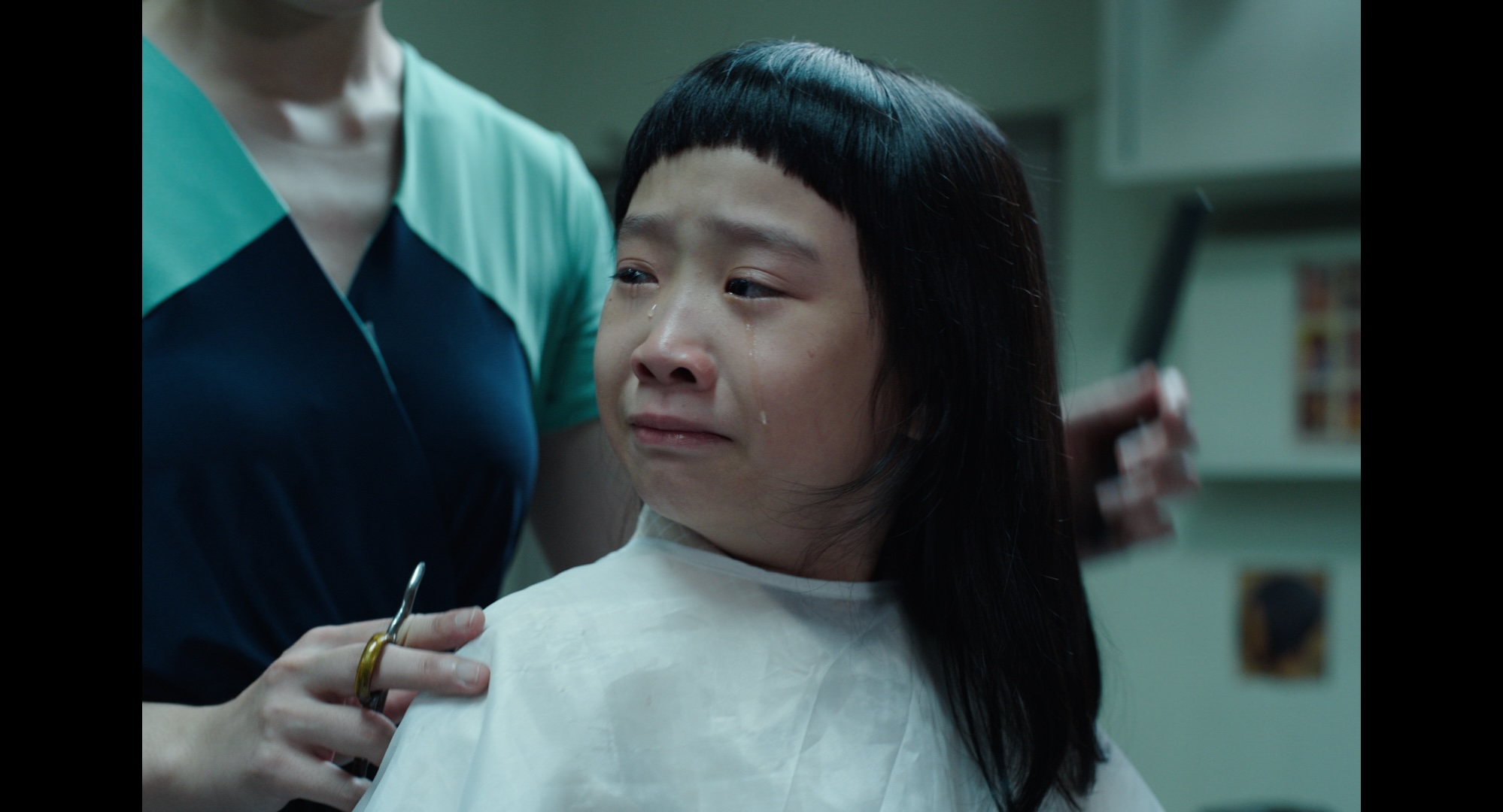
“The hair represents identity,” Ang reflects. “She wanted to keep her hair long, but her grandma lied to her. The grandma took that power away from her. A lot of people came up to me and said they all remember that their parents forced them to cut their hair, and they were upset about it. That particular scene is something a lot of people relate to.”
The production encountered an unexpected moment of reconciliation during filming. When a location fell through at the last minute, Ang telephoned her father, with whom she had experienced long periods of silence, and secured his flat to shoot the scenes set in the mother’s house.
“My parents haven’t spoken to each other for very long,” Ang smiles. “I revamped his whole house into my mother’s house. Because my relationship with my parents was not close, this shoot brought me closer to my father. For the first time, he realised what I do for a living. He was there, and he realised that the film was based on my real-life story.”
Looking ahead, Ang plans to revisit the character across two future films set in her teenage years and her forties, waiting for the young lead actress to age into the roles. In the meantime, she is writing a psychological horror project that continues her focus on social critique.
For Ang, the greatest reward of Ah Girl remains the quiet reassurance it offers to anyone who grew up feeling responsible for the adults around them. Asked what she would say if she could sit beside her seven-year-old self on the playground swings of 1994, her answer is immediate:
“Be brave, and you do not have to keep trying so hard to make everyone love you. One day you will learn that you can choose yourself, too.”