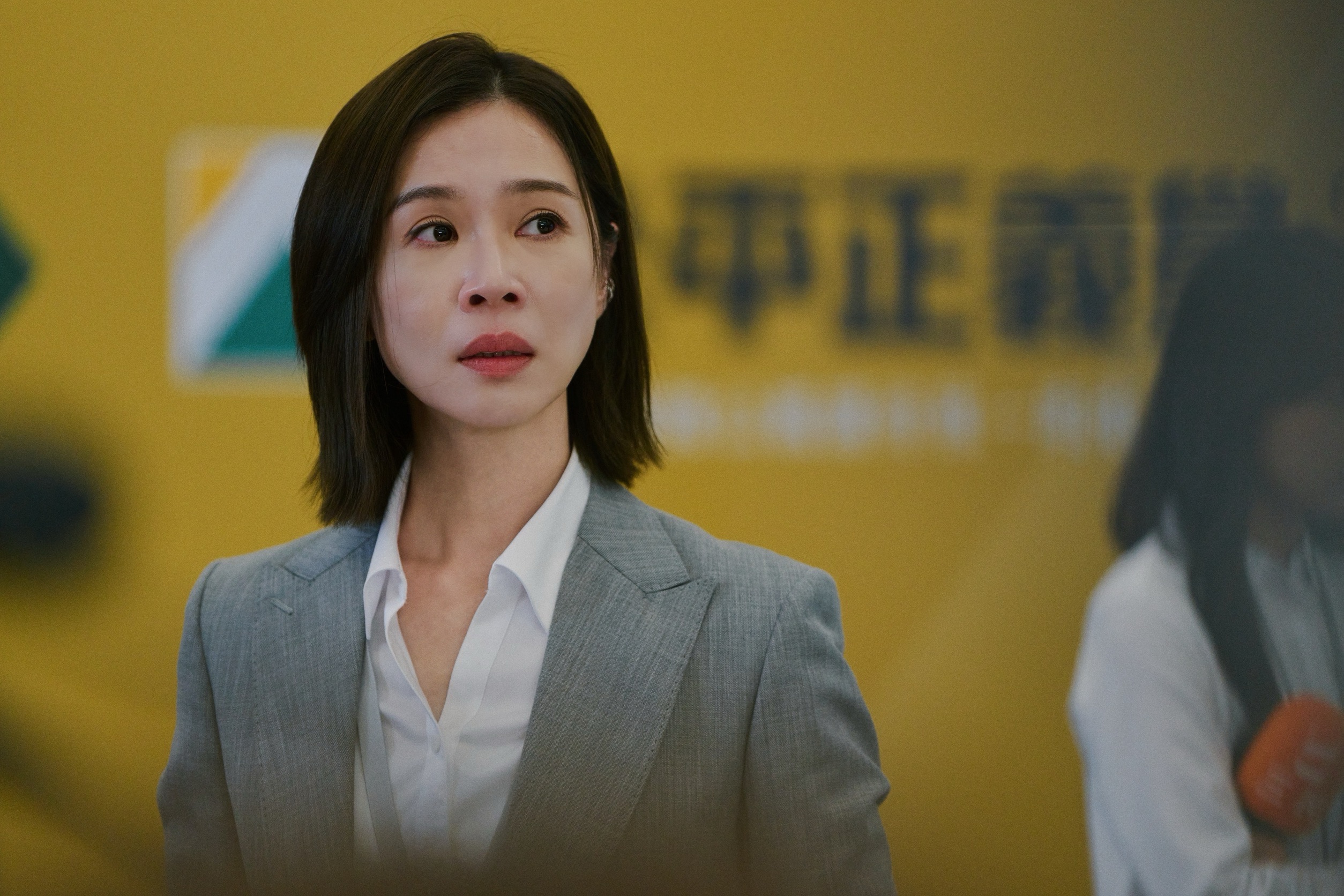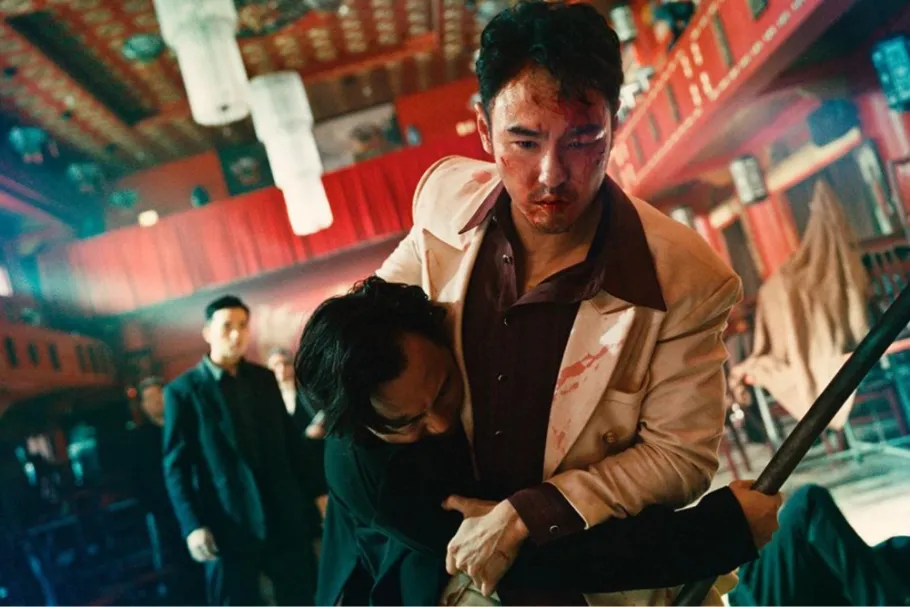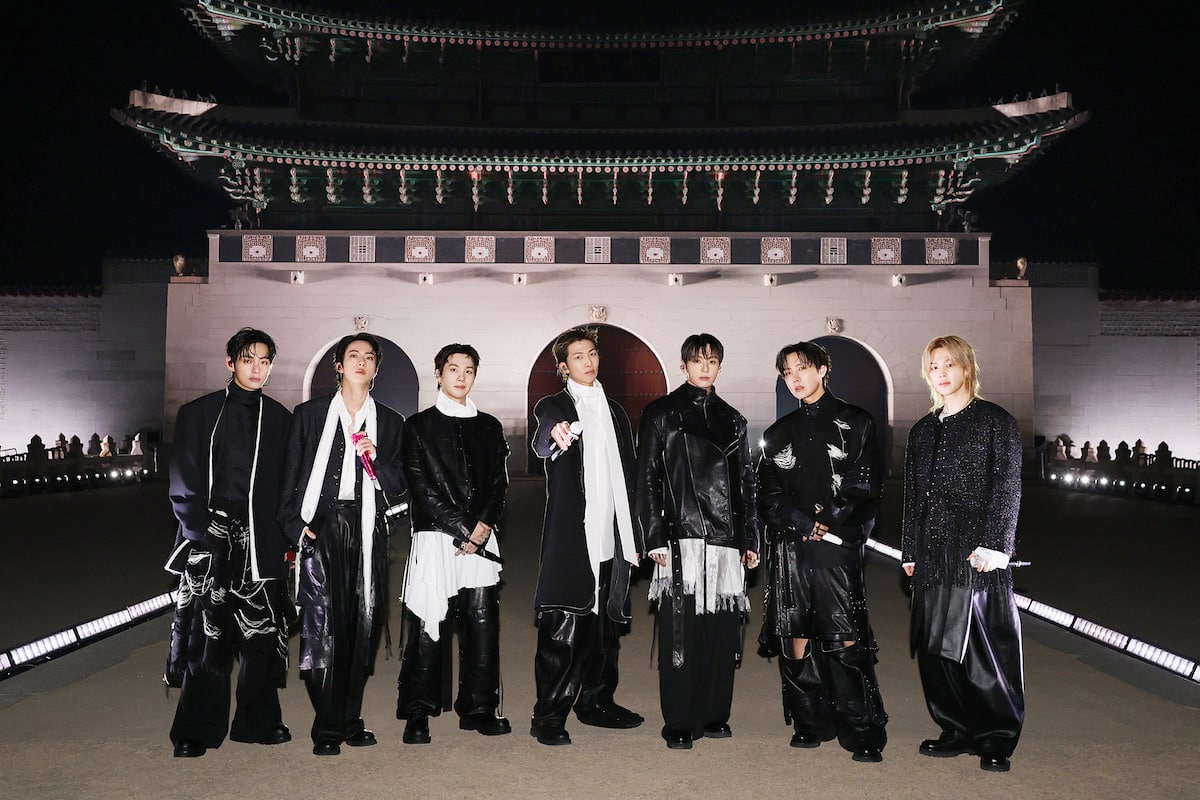
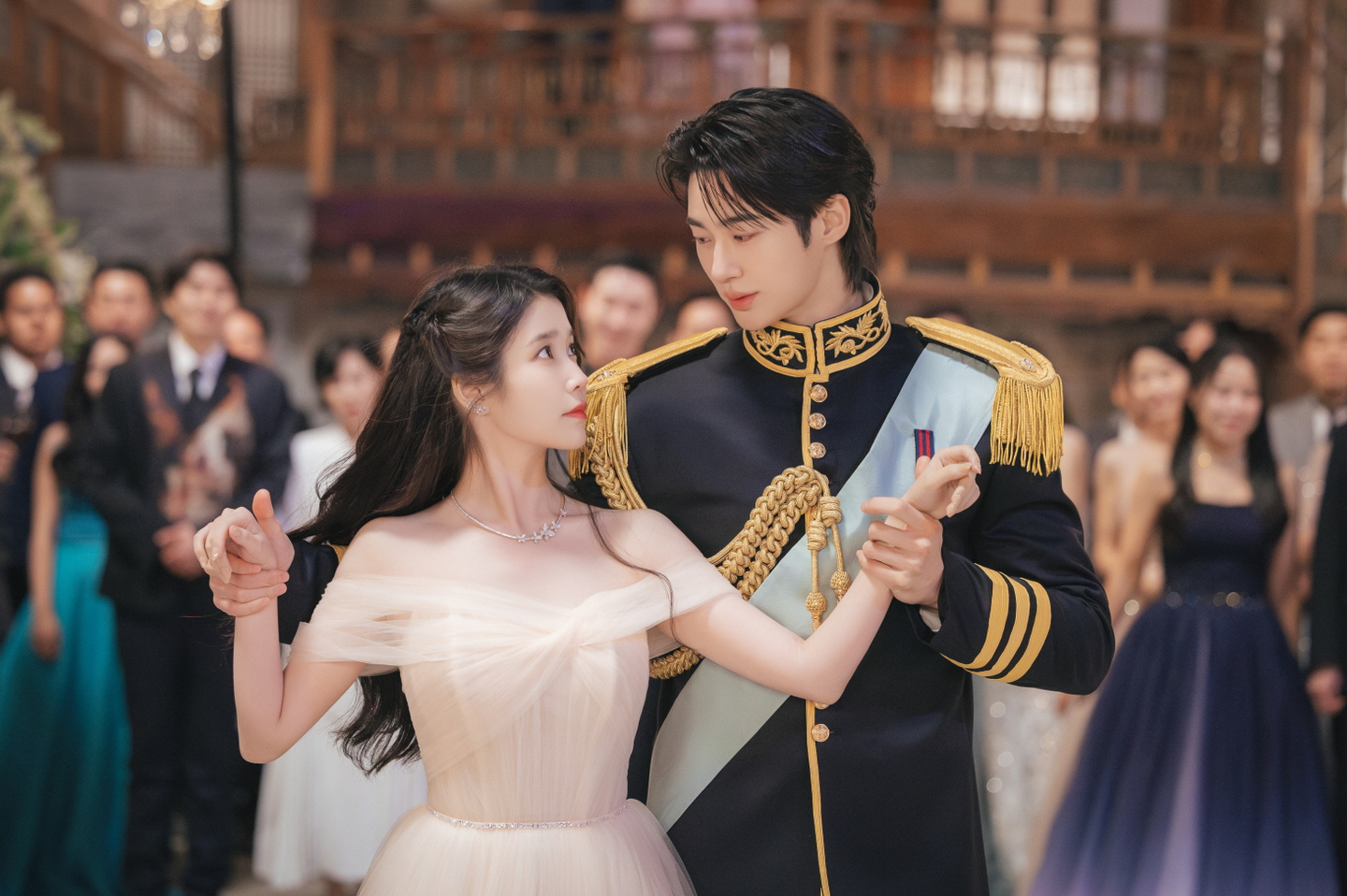
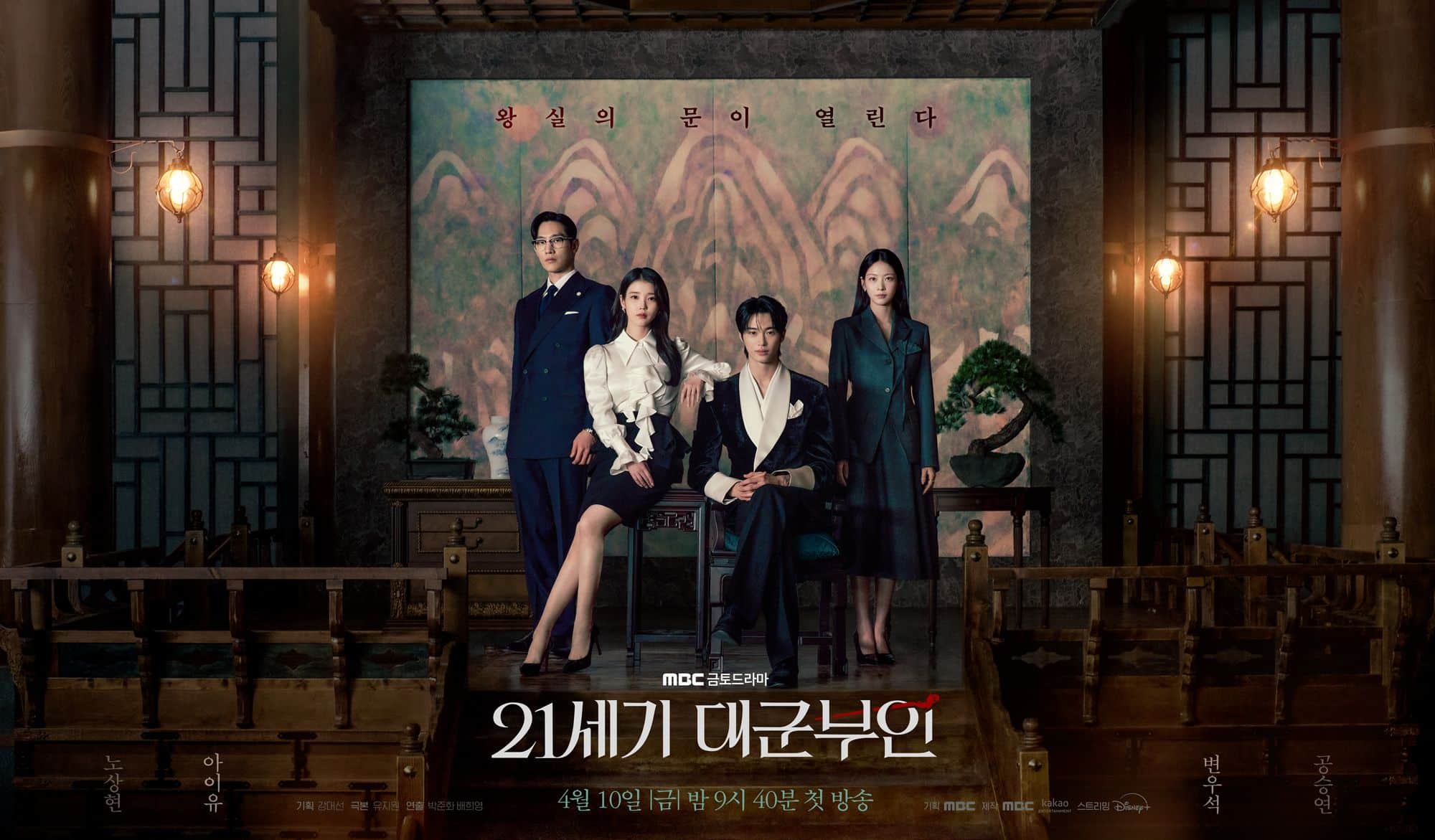
The television drama Perfect Crown was supposed to conclude its twelve-episode run as a triumphant commercial success. The palace romance, starring the K-pop star IU and the actor Byeon Woo-seok, ended its broadcast cycle last Saturday with a nationwide audience rating of 13.8 per cent—the highest of its run. Within its first month on Disney+, it had already established itself as the most-watched Korean series globally this year.
Read more: IU And Byeon Woo-seok Star In Modern Royal Drama ‘Perfect Crown’
Yet, instead of celebrating a ratings victory, the network MBC and the show’s creative team are navigating a severe public relations crisis. Days before the finale, public discussion shifted abruptly from romantic plotlines to intense debates over royal protocol and national sovereignty. The backlash grew so intense that both lead actors felt compelled to issue formal apologies on their personal social media accounts.
A Crown with Too Few Tassels
The series is set in an alternate version of present-day South Korea, operating under a fictional constitutional monarchy. While viewers initially accepted the premise as fantasy, the eleventh episode crossed a sensitive line during the coronation of Grand Prince Ian, played by Byeon.
Historians and viewers immediately noticed that the ceremonial attire and language used on screen replicated protocols historically forced upon Korea by imperial China during periods of vassalage. Specifically, the character wore a guryu myeollyugwan—a square ceremonial crown adorned with nine strings of tassels. In the strict hierarchical world of East Asian court protocol, a nine-tasseled crown signifies a prince or a subordinate vassal lord. An independent emperor or sovereign ruler wears a sibi myeollyugwan, which features twelve strings of tassels, a distinction famously asserted by King Gojong when he established the independent Korean Empire in 1897.
The dialogue deepened the offense. As the prince ascended the throne, his subjects chanted “Cheonse,” an honorific meaning “long live one thousand years.” Historically, this phrase was reserved for rulers of tributary states, whereas the leader of an independent empire receives the cry of “Manse,” or “long live ten thousand years.”
The production team issued a apology on Saturday, admitting they failed to carefully examine how court protocols shifted over time. “As Perfect Crown is an alternate-history drama, we should have been much more cautious when approaching the points at which the fictional world intersects with real history,” the statement read. Directors promised to digitally edit the scene for network reruns and international streaming platforms.
Read more: K-Content Is Winning Worldwide—So Why Is Korean Cinema Struggling?
However, the concession did little to quiet prominent public figures. Choi Tae-sung, a well-known Korean history educator, condemned the producers for their financial priorities. “Why are they willing to spend hundreds of millions of won on actors’ appearance fees but reluctant to spend even a fraction of that on historical research?” Choi asked publicly.
Professor Seo Kyung-duk of Sungshin Women’s University raised a more urgent geopolitical concern. He warned that presenting independent Korean monarchs with subordinate Chinese court symbols provides easy propaganda material for foreign state-backed initiatives designed to historically claim Korean culture.
Old Wounds and Celebrity Apologies
The controversy has landed in a sensitive contemporary environment. Younger South Koreans have demonstrated an increased protective stance toward their national identity and democratic institutions. A recent survey by the Ministry of Culture, Sports and Tourism indicated that citizens now value “democratic maturity” over “economic prosperity” as the primary vision for the country’s future. Viewing a multi-million-won production that accidentally depicts their historic monarchy as an imperial subordinate struck a raw nerve.
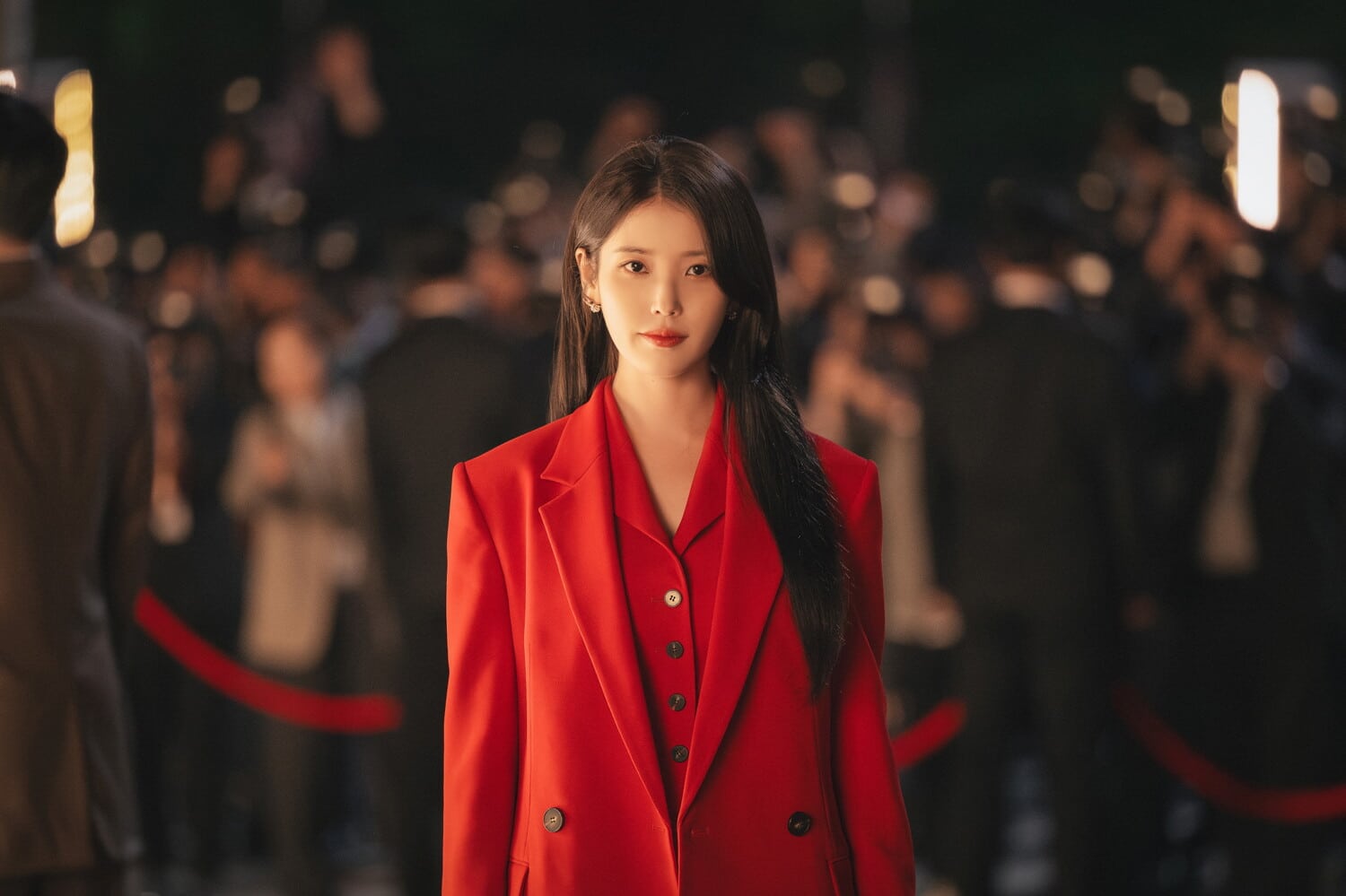
The burden of this failure eventually fell upon the cast. On Monday, IU shared her regrets on Instagram, stating, “As a lead actor of this production, I feel deeply sorry for failing to demonstrate responsibility and causing disappointment.” Byeon issued a handwritten letter reflecting a similar sentiment, acknowledging that actors must engage with the historical context of their scripts rather than focusing solely on their performance.
For many domestic viewers, the incident echoes the fate of Joseon Exorcist, a high-budget fantasy drama that was cancelled in 2021 after just two episodes due to similar historical inaccuracies. While Perfect Crown will escape cancellation due to its completed run, the episode has cast a long shadow over the future of alternate-history television in South Korea, proving that even within a fantasy framework, history remains an unyielding territory.
View this post on Instagram