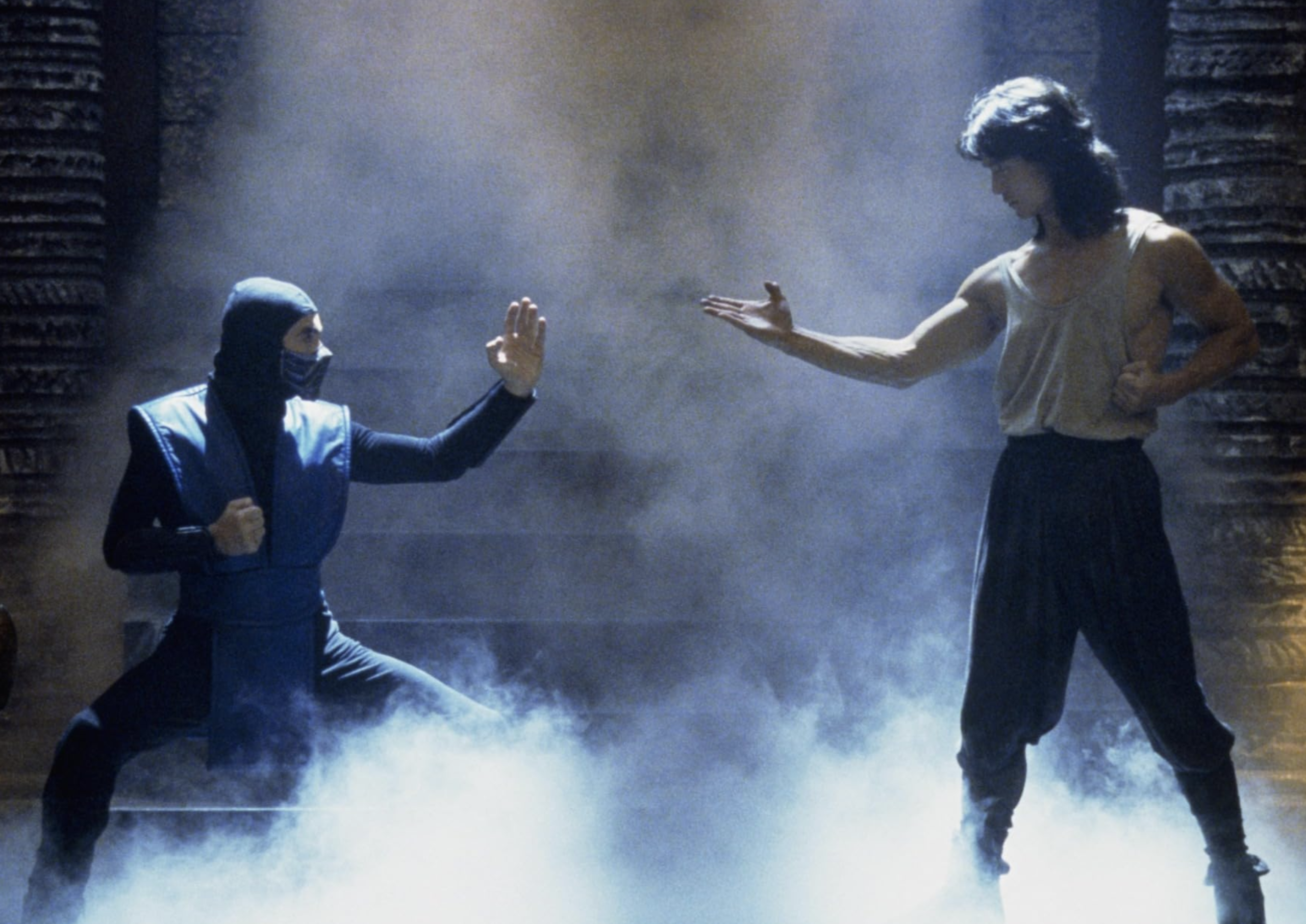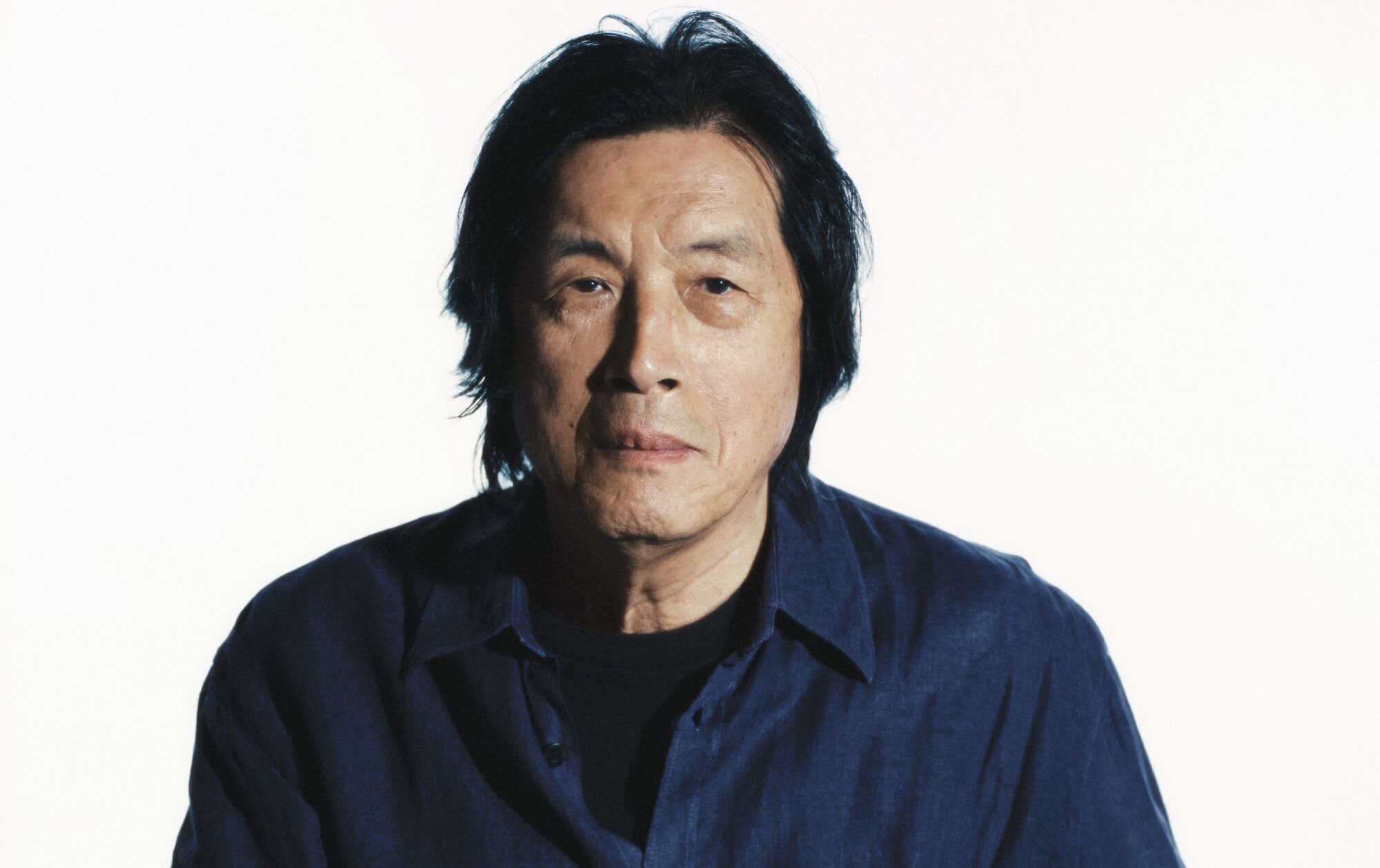
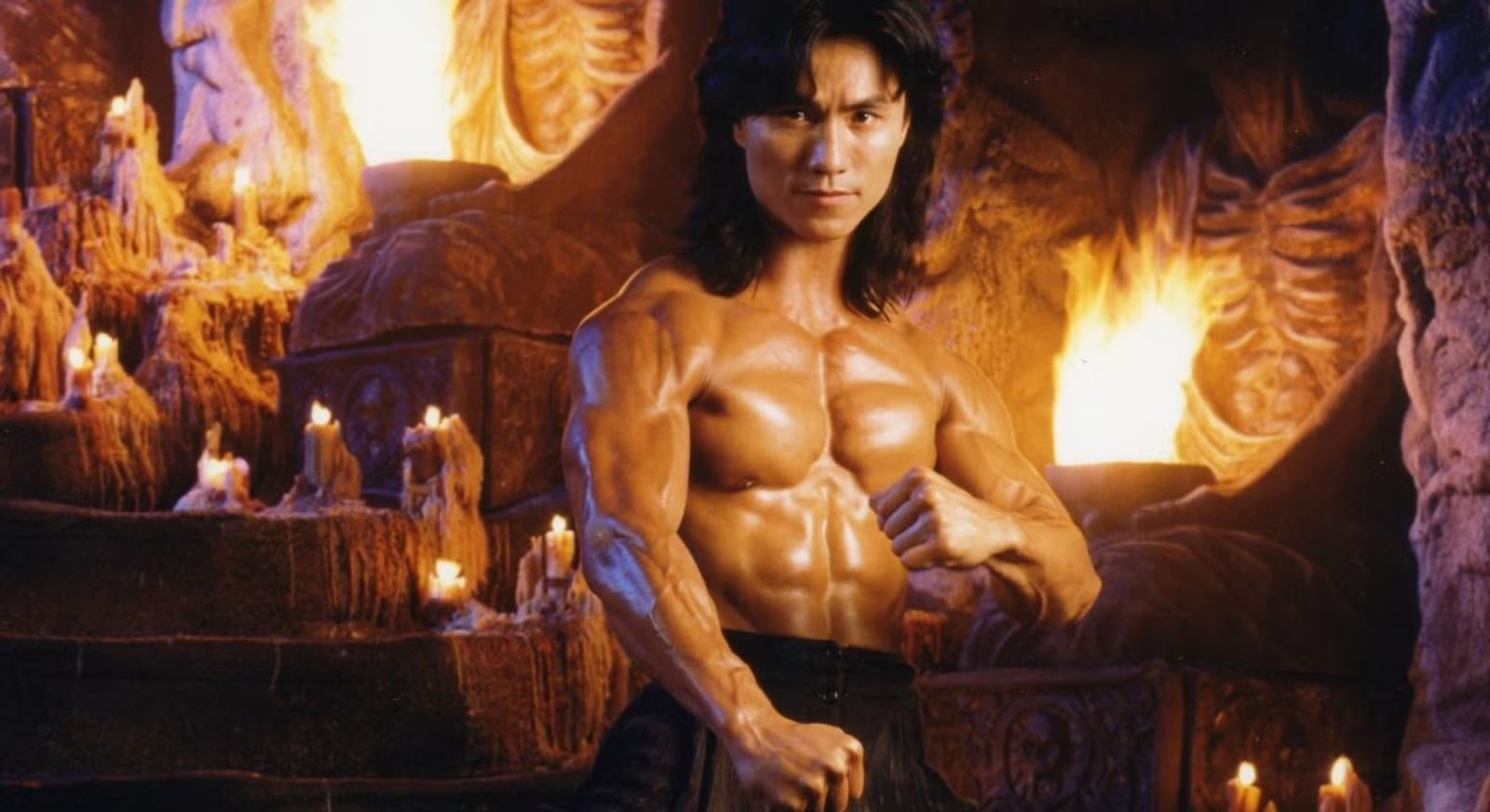
With Mortal Kombat II currently battling for box office survival in cinemas, fans are treated to a massive spectacle of modern special effects and Hollywood production values. But the arrival of this latest sequel naturally makes you look back at the film that started it all. Long before the current era of cinematic universes, director Paul W.S. Anderson delivered the 1995 original Mortal Kombat. It was cheesy, loud, and incredibly fun. At the very centre of that lightning-in-a-bottle success was one man: Robin Shou.
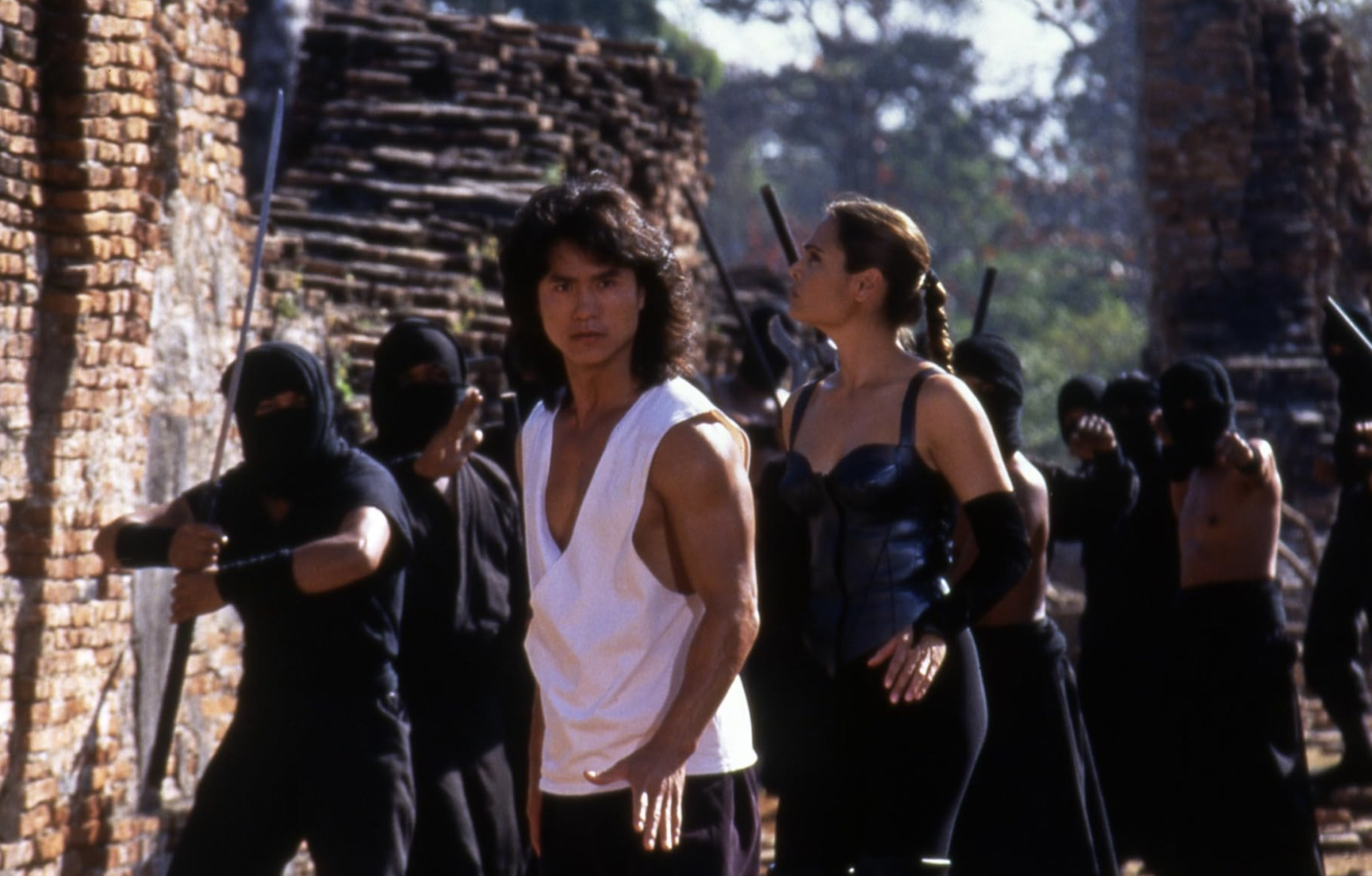
As Liu Kang, Shou was the definitive face of the franchise. Yet, after defining what a video game movie hero could look like, he seemingly vanished from the mainstream spotlight.
Here is the story of how Robin Shou conquered Outworld, and why Hollywood failed to use his talent.
Shou, born Shou Wan Por in British Hong Kong, moved to Los Angeles with his family in 1971. His path to martial arts stardom was anything but direct. He spent his early twenties pursuing a civil engineering degree at California State University, Los Angeles. He briefly tried Kenpo Karate but walked away after eighteen months because the discipline felt wrong for him.
His life changed when he witnessed a demonstration by Beijing Wushu practitioners. Obsessed with the style, he secretly sold his car to buy a plane ticket to China so he could train properly. The gamble worked. He became an international forms champion and earned a spot on the national Wushu team. After returning to the US, he spent a year and a half working as a soil engineer before quitting to find something else. A holiday back to Hong Kong led to an unexpected job offer as a stuntman, kicking off a nine-year stint in the brutal Hong Kong action industry. He racked up dozens of credits, working alongside legends like Chow Yun-fat and Donnie Yen.
By 1994, he felt the Hong Kong film scene was losing its energy. He packed his bags, moved back to California, and planned to launch an import business. Then his agent called about a video game adaptation.
Winning the Role of Liu Kang
Shou expected the Mortal Kombat audition to be a waste of time. He assumed the studio wanted him for a minor, disposable villain role. Instead, he discovered that Liu Kang was the actual hero of the story.
Winning the role was an uphill battle. Studio executives saw an Asian lead as a massive financial gamble for an American blockbuster. Because of this corporate hesitation, Shou endured seven exhausting rounds of auditions, beating out other established actors like Jason Scott Lee and Russell Wong.
When he arrived on set, Shou did far more than read lines. He essentially taught the crew how to film martial arts. He showed Anderson how to use camera coverage to capture the impact of a strike and personally choreographed the iconic fight between Liu Kang and Reptile. The film introduced western audiences to Hong Kong-style wirework, making it a massive commercial hit that held the number one spot in America for three straight weeks.
The momentum built by the original film and Shou’s follow-up gig, Beverly Hills Ninja with Chris Farley, came to a sudden halt in 1997. Mortal Kombat Annihilation was a critical disaster and a commercial failure.
The sequel’s failure effectively tanked Shou’s mainstream Hollywood trajectory. Industry insiders offer different theories on why his career stalled. Producer Bey Logan, who worked with Shou on the film Guns and Roses, noted that Shou broke his foot early in production, creating on-set friction. Logan also argued that Shou lacked the specific onscreen vulnerability that made actors like Jackie Chan or Jean-Claude Van Damme massive global stars, and lacked the powerful management network required to survive a major box office flop.
But the reality points toward a more systemic issue. Hollywood in the late 1990s and 2000s simply did not know what to do with an Asian leading man. The industry constantly typecast Asian talent into nameless villain roles or secondary sidekicks.
Shou stayed in Los Angeles, but the mainstream roles dried up. He found occasional work through the loyalty of Anderson, appearing in the Death Race films and DOA: Dead or Alive, and helping train Milla Jovovich for the Resident Evil films.
Life Beyond the Camera
Rather than letting a rigid studio system define him, Shou shifted his energy toward independent projects. He directed Red Trousers – The Life of the Hong Kong Stuntmen, a documentary highlighting the dangerous work of his former peers. He also directed Earthbound, a quiet short film about the tragic 2004 Indian Ocean tsunami.
Now 65, Shou has quietly retired from the Hollywood grind. He avoids social media completely, choosing to spend his time on ceramics, painting, woodworking, and raising his son. While he occasionally appears at fan conventions and remains close friends with his original co-star Linden Ashby, he seems perfectly content away from the cameras.
The new film features plenty of blood, fatalities, and modern digital effects, but it owes its existence to the foundations laid down three decades ago. Robin Shou proved that a video game hero could anchor a Hollywood blockbuster, even if the industry took decades to finally catch up to him.
Mortal Kombat II is out now in cinemas