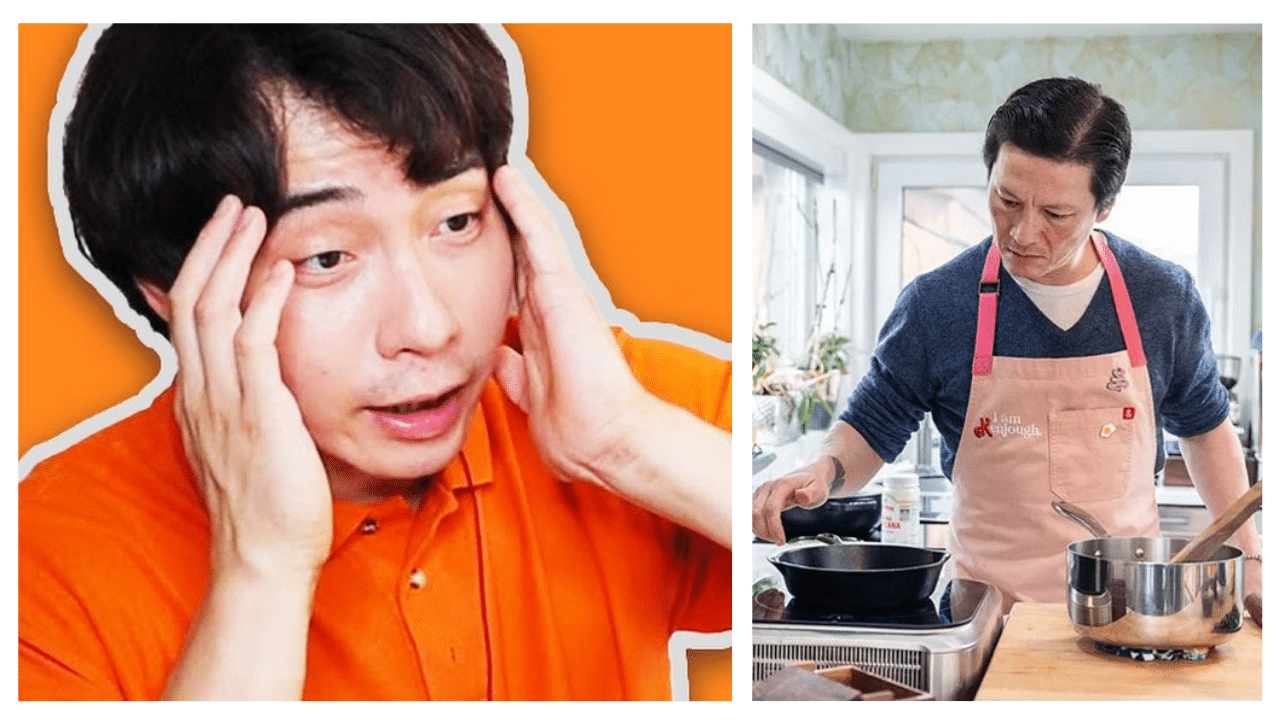
The Malaysian comedian Nigel Ng has defended his popular “Uncle Roger” character following criticism from the prominent American chef J Kenji López-Alt, who labeled the performance as “yellowface.”
The dispute centers on the exaggerated Cantonese-inflected accent Ng uses in his viral YouTube videos, which often critique Western chefs’ attempts at Asian cuisine. López-Alt, an award-winning cookbook author, originally criticized the persona in 2021, stating that it “promotes anti-Asian racism” and gives non-Asians a “free pass” to mock Asian speech patterns.
Read more: Nigel Ng AKA ‘Uncle Roger’ punched in the face in Coronavirus-related racist London attack
Responding in a video published on 8 February, Ng rejected the idea that an accent is inherently a negative stereotype. “Accent is not a stereotype. Accent is just how we talk and how we live,” Ng said. “There’s nothing wrong with having an accent.”
Slang and cultural pride
Ng, 34, argued that his character has actually served to globalize Malaysian culture rather than denigrate it. He pointed to the widespread adoption of his catchphrases, such as “haiyaa” and “fuiyoh,” as evidence of a positive cultural impact.
“Uncle Roger popularised Malaysian slang to the whole world,” Ng told his viewers. He added that when fans imitate the character, they do so “out of love” rather than mockery.
Read more: Comedian Nigel Ng says ‘Stop AAPI Hate’ should be called ‘Yellow Lives Matter’
The comedian also noted that he feels no embarrassment regarding his background, comparing his work to other creators who find humor in their parents’ Arabic, Italian, or Hispanic heritage. Addressing López-Alt directly, he quipped: “Sorry, I don’t sound white like you, Nephew Kenji.”
The Asian-American perspective
Following Ng’s response, López-Alt updated his original video description to clarify his stance. While he acknowledged that Ng likely has “good intentions,” the 46-year-old chef explained that his concerns are rooted in the specific experience of the Asian-American community.
López-Alt referenced the sharp rise in anti-Asian violence in the United States during the COVID-19 pandemic. He described how his own mother in New York was “afraid to walk outside” due to reported attacks on elderly Asian women.
“In that context, when I open up the comments to a video and see comments imitating your catchphrases or speech patterns, then see that the people doing it are virtually all non-Asian American men, it rubs me the wrong way,” the chef wrote.
Despite the disagreement, López-Alt suggested a willingness to move forward. He offered to collaborate with Ng on a video, provided they could discuss the “nuances of this rather complicated issue” before sharing a meal together.