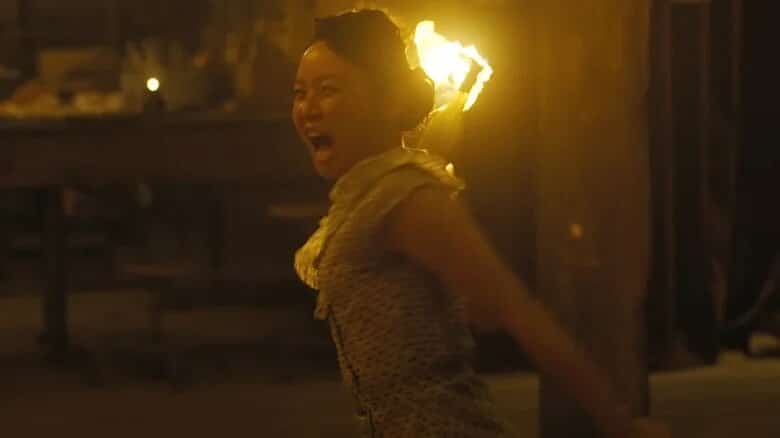
Ryan Coogler’s recent blockbuster, “Sinners,” a film that deftly blends action and social commentary, has generated a passionate, scrutinizing audience. One moment, in particular, became a flashpoint for viewer debate: the scene in which Grace Chow, an Asian woman who runs a local shop, invites the attacking vampires into the juke joint, precipitating a deadly final act.
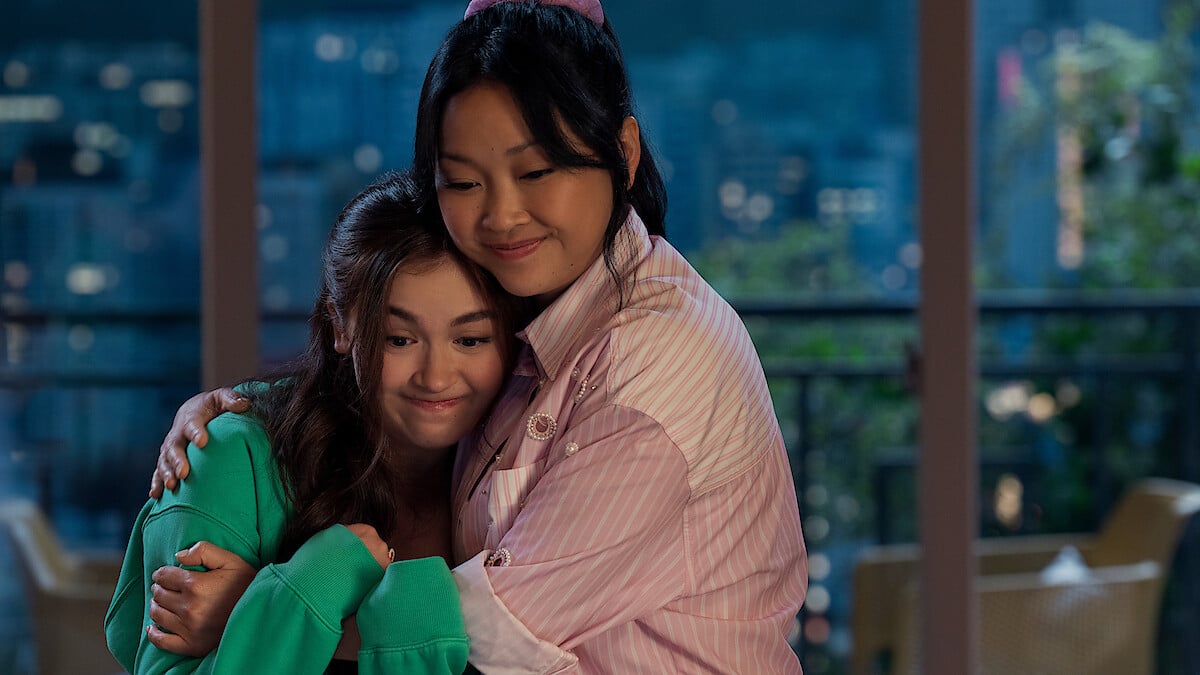
Li Jun Li, the actress who portrayed Grace, anticipated the backlash. In a recent feature for Variety, Li spoke candidly about preparing for what she characterized as a “morally questionable and controversial decision.”
The Rationale of Motherhood
Li was so concerned about the audience’s perception of Grace that she discussed the scene at length with Coogler. “I said, ‘Why is it that she has not considered anyone else’s lives before doing what she does?’” Li recounted.
Coogler’s response was concise and absolute, anchoring the character’s complex moral calculus to a primal instinct. “And he simply answered, ‘Because she’s a mother.’ There was no other explanation to it,” Li said.
Read more: Mari Yamamoto Interview: The ‘Rental Family’ Star on Finding Hope in a Tragicomic World
The character’s action was spurred by the vampires threatening the life of Grace’s young daughter. However, Li knew the scene required more context to temper the audience’s anger. She revealed that Coogler added dialogue to the scene after their discussion, featuring Grace arguing with Smoke (Michael B. Jordan) about whether they should fight or wait out the siege. Li explained that this was necessary because, “When she invites them in, she is going to be absolutely hated. I think we need to remind people a little bit about the context.”
A New Normal for Asian American Actresses
Li also reflected on the working environment Coogler fosters, noting it allowed her to shed certain habits she had developed working in other productions. She admitted to having been “so conditioned to play women in almost a submissive manner that I found myself doing it on set.”
Coogler intervened, guiding her to assume agency. “And Ryan would say, ‘No, let’s turn this around; she’s making a decision,’” Li recalled. This process forced her to confront her own industry conditioning. “I was so embarrassed because why would I do that? But I think we’ve lived for so long, for generations, especially as an Asian American, to see women portrayed in a weak way,” she explained.
Li’s experience on set was part of a larger camaraderie among the supporting actresses. Wunmi Mosaku, who played Annie, noted Coogler’s ability to listen and collaborate: “Ryan Coogler loves the women in his life, the people who have made him who he is, who have instilled their beliefs, their politics, their opinions, their point of view, their grief, their love. He listens to people, and he respects everyone. So it’s no surprise that everyone felt well fed with their characters.”
Read more: Bing Liu On Directing Preparation For The Next Life And Telling Uyghur Stories
Jayme Lawson, who played Pearline, also noted the positive set environment, stating, “In addition to getting these amazing roles, we got the opportunity to create a new sisterhood. That’s hard to come by. So I’m going to hold onto this for as long as I can and carry it as much as I can, for sure.”
The women’s bond was deepened during the long night shoots inside the juke joint, which, Hailee Steinfeld noted, “became our home.”
Li Jun Li’s turn as Grace provides a fascinating counterpoint to conventional genre morality, demonstrating how, in Coogler’s world, maternal instinct can supersede communal safety, forcing audiences to grapple with a difficult, but profoundly human, truth.