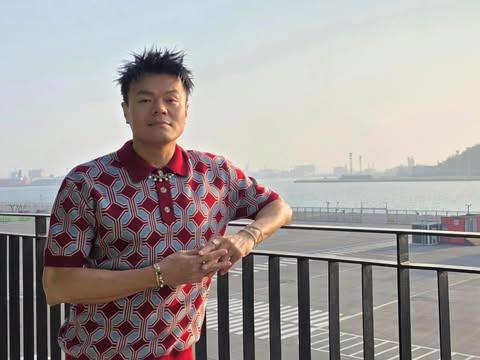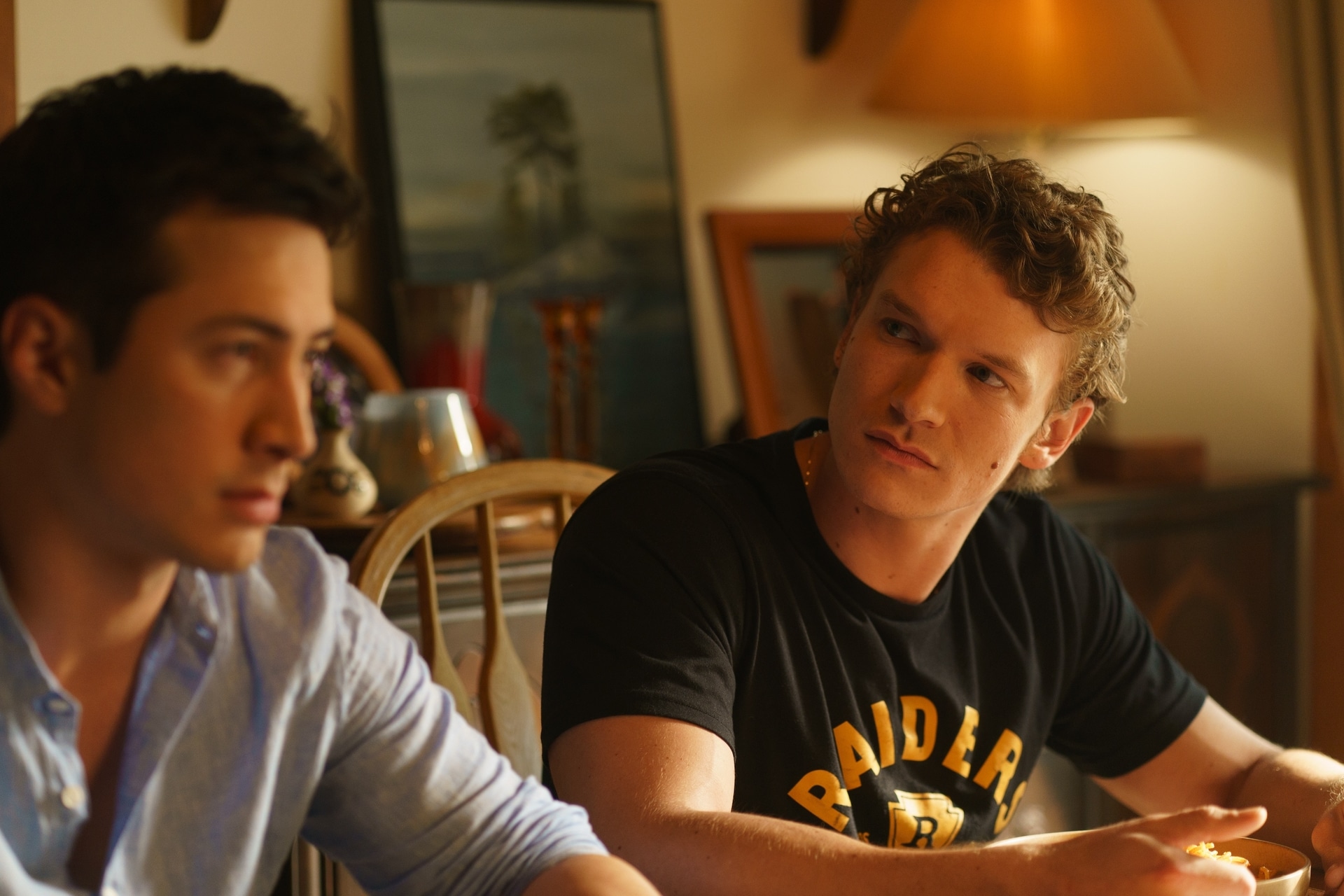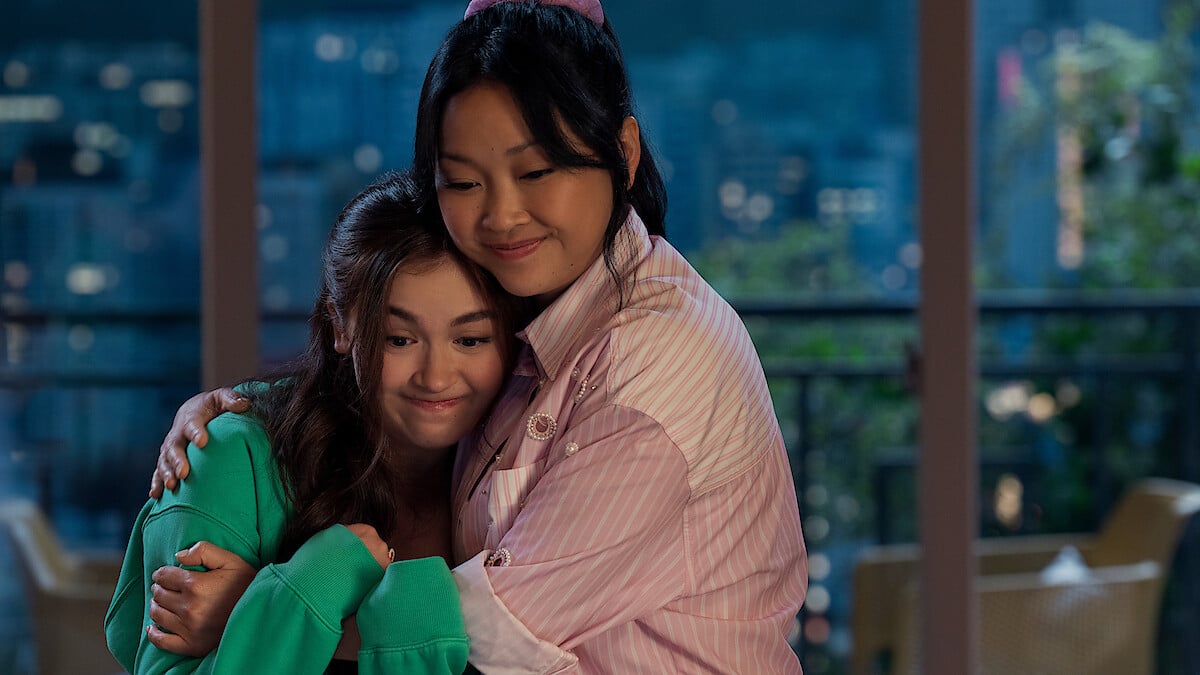
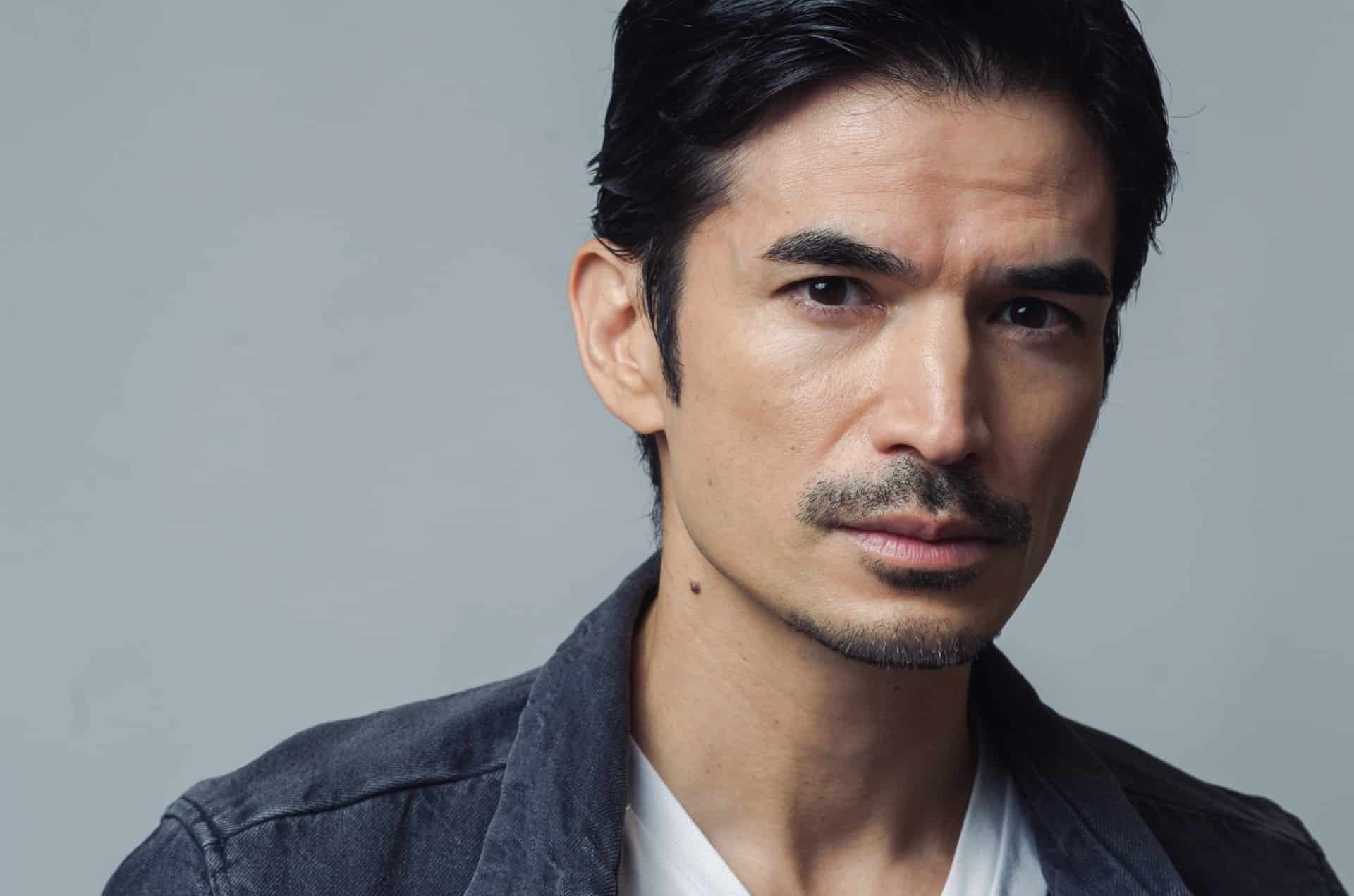
From Okinawa to Hollywood and everywhere in between, award-winning Japanese actor Shogen has built a career defined by discipline, range, and a distinctly global outlook. Born in Okinawa and now based in Tokyo, he made his screen debut in Bloody Snake Under the Sun (2005), a post-war Okinawa drama that earned a Tokyo International Film Festival nomination.
His commitment to craft led him to New York in 2009 to train under legendary acting coaches Susan Batson and Roberta Wallach — a formative period that landed him on CNN’s “Tokyo Hot List: 20 People to Watch” the following year.
Since then, Shogen has moved fluidly between Asian and Western film industries, taking on roles in Street Fighter: Assassin’s Fist, Death Note, Chinese blockbuster Detective Chinatown 3, Malaysian television, and acclaimed Japanese features such as Sexual Drive, Kokoro, Odoru, and Come and Go.
His creative ambition also led to Gensan Punch, a collaboration with Filipino director Brillante Mendoza, in which Shogen transformed into a one-legged boxer — a performance that earned festival acclaim at Tokyo and Busan and an eventual HBO Max release.
Today, Shogen continues to expand his international presence with Southeast Asian releases like Tebusan Dosa (2024) and the upcoming U.S. theatrical action feature Lone Samurai (2025), alongside several new Japanese projects.
As the Ambassador for Cinema at the Sea – Okinawa Pan Pacific International Film Festival, he remains committed to sharing Okinawan culture with the world. In this interview, Resonate speaks with Shogen about his evolving craft, his cross-cultural journey, and the island spirit that continues to shape his work.

You’ve played a wide range of characters across Asia and beyond — what do you look for in a role before saying yes?
First and foremost, I look for a story that truly speaks to me. I also consider whether my involvement can add something meaningful to the narrative. Above all, it’s important that the role is challenging and pushes me to grow, not only as an actor, but as a person.
From Gensan Punch to December, your work often explores resilience and vulnerability. What draws you to stories about endurance?
Characters who carry heavy burdens offer a depth of emotion that makes them incredibly compelling to play.
As a viewer as well, I tend to be captivated by characters who struggle to overcome their trials, which is why I often choose stories like that.
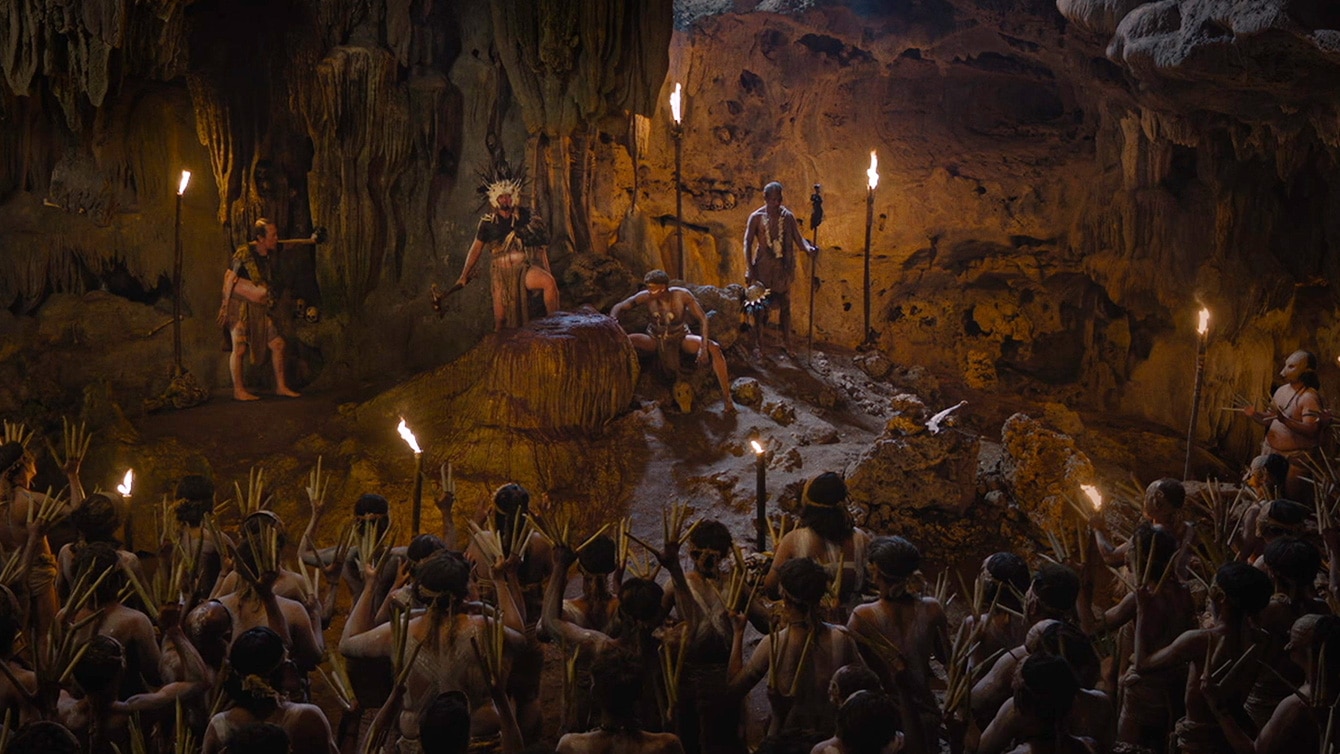
Gensan Punch began from your own idea and went on to win at Busan. What did that experience teach you about creative risk and collaboration?
No matter the hardships, if you keep trying, new paths will eventually open, even if your original dream doesn’t come true. Gensan Punch was my first film as a producer, and completing it required overcoming countless challenges.
It taught me that true strength lies not in victory, but in the steady courage to stand up again after every fall.
Lone Samurai marks your biggest international project to date. What can you tell us about the story and your role in it?
The story begins with a man who has lost his family and fallen into despair. In search of a place to die, he throws himself into battle, only to survive alone.
Stranded on a desolate island, he must contend not only with the harsh elements but also with new threats that challenge him both mentally and physically.
The film promises high-concept action with emotional depth — how did you prepare physically and mentally for such a demanding part?
Fortunately, I had about three weeks of action training before shooting. It was far more demanding than I had imagined, but the dedication of the Uwais team and Yayan Ruhian allowed me to not only prepare physically, but also to find the character’s emotional and mental core.
You’ve portrayed fighters before, but Lone Samurai feels different in scope. What distinguishes this project from your previous work like Gensan Punch?
In recent years, my action work has mostly focused on boxing and karate, but this time I got to perform sword action. Taking on such an extensive series of sword sequences was extremely challenging, but also incredibly rewarding. I just wish I had done more sword training beforehand.
View this post on Instagram
What does it mean to you to bring a story with Japanese roots to a worldwide audience?
After the huge success of Shogun, Japanese stories have gained renewed attention worldwide.
Bringing an authentic Japanese culture to global audiences beyond the clichés that have been repeated for decades is incredibly meaningful to me.
However, with only a few Japanese people on this project, pursuing that authentic Japanese sensibility was honestly quite difficult. Still, I did my best to bring the spirit I’ve cultivated throughout my life into the film.
What was it like working with director Josh Waller and an international team on a project that bridges Eastern and Western storytelling styles?
This kind of East-meets-West style wasn’t entirely new to me, as I had worked on several international co-productions before, including 2014’s Street Fighter: Assassin’s Fist.
Working with Josh was thrilling but rigorous. I’m grateful for the experience, because he pushed me to go further than I thought I could.
Growing up in Okinawa, how has your heritage shaped the way you approach stories about strength and honour?
Okinawa has experienced various forms of outside influence, yet it has continued to preserve a culture that is uniquely its own. I was deeply influenced by the island’s animistic beliefs, which see a spirit in every element of nature, and by its rich perspectives on life and death. These cultural values have become an integral part of my identity, and I consider them an important guide for my approach to Riku, the protagonist of Lone Samurai.
You’re the Cinema Ambassador for the Okinawa Pan Pacific International Film Festival. How do you hope to elevate Okinawan and Japanese cinema on a global stage?
Since the Ryukyu Kingdom era, Okinawa has had a long history of exchange with countries across Asia and the Pacific. With its unique culture and diversity, I have always felt it was the perfect place for a film festival.
Hosting one in my hometown has been a long-time dream. Although we have only completed the second edition and there is still room for improvement, I hope that Cinema at Sea can help support the internationalization of Japanese cinema.
Having worked across Japan, the Philippines, Indonesia, and now the U.S., what excites you most about this new era of cross-Asian collaboration?
What excites me most is the opportunity to learn from different cultures and filmmakers, and to bring diverse stories to a wider audience.
View this post on Instagram
Mutual respect is essential in international co-productions. We have overcome a history of war, and I believe that learning about and valuing each other’s cultures can contribute to the cause of peace.
What keeps you grounded amid such a demanding and international career?
I have a family who waits for me. They’re my anchor. No matter how far my work takes me, they always pull me back to my center.
How has your definition of success evolved since your early days training in New York?
I don’t think it has changed much. I’m still far from satisfied with where I am, and all I need to do is keep learning for rest of my life.
When audiences watch Lone Samurai — or any of your films — what do you hope they take away about who you are as an artist and as a person?