
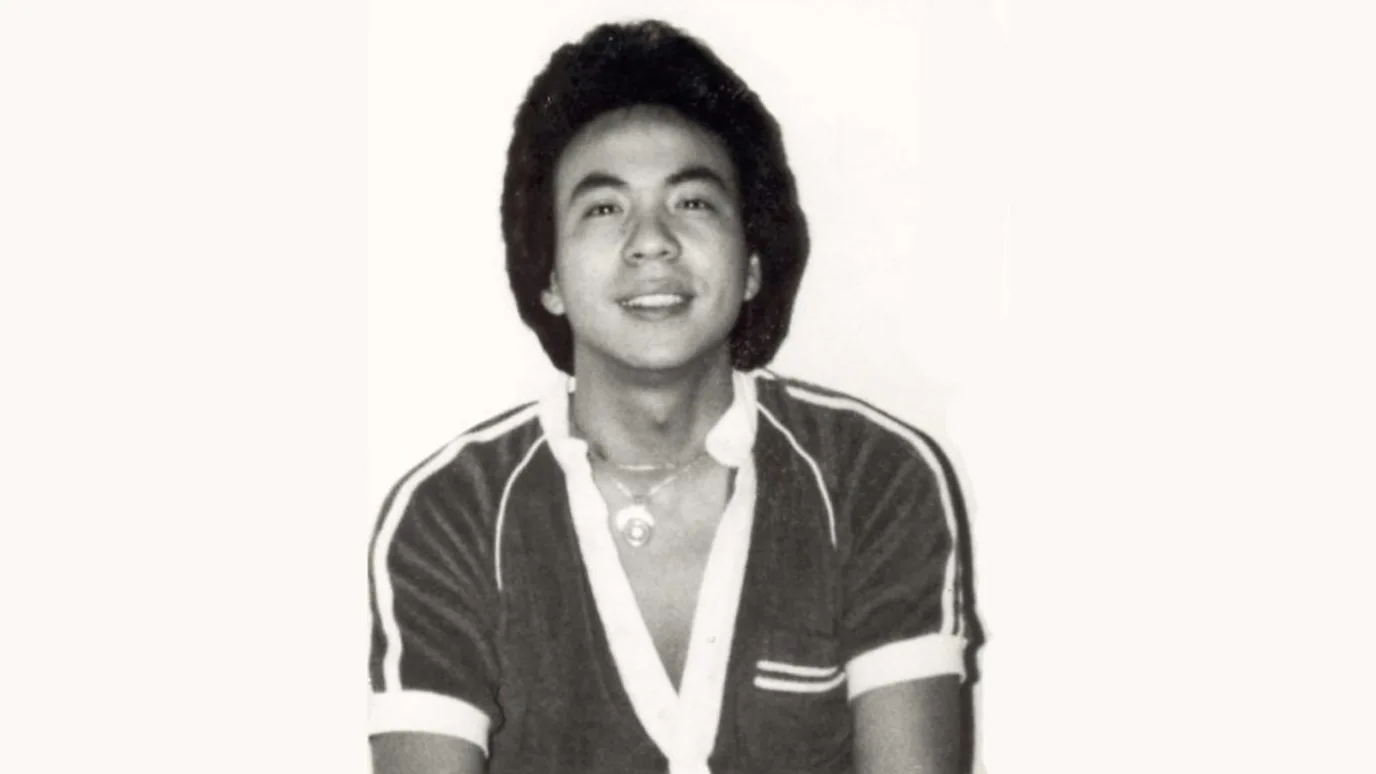
A Brutal Killing and a Community’s Fight for Justice
On June 19, 1982, Vincent Chin, a Chinese American man, was brutally beaten to death in Highland Park, Michigan, by two white autoworkers, Ronald Ebens and Michael Nitz. They reportedly mistook him for Japanese and blamed him for the decline of the American auto industry. This wasn’t just a random act of violence; it was a hate crime fueled by economic anxiety and racial animosity.
The confrontation began at a strip club where Chin was celebrating his bachelor party. After an altercation inside, Chin and his friends left. However, Ebens and Nitz were not finished. They pursued Chin, reportedly paying another man to help them find “a Chinese guy.” They eventually located him outside a McDonald’s. There, Michael Nitz held Chin down while Ronald Ebens repeatedly struck him in the head with a baseball bat. The blows were so severe that Chin’s head “cracked open.” He was rushed to Henry Ford Hospital in Detroit but never regained consciousness, dying of his injuries four days later on June 23, 1982. Chin was only 27 years old, and his wedding was scheduled for just days after his death.
The justice system’s response was, for many, a devastating blow. Ebens and Nitz initially pleaded guilty to manslaughter but received probation and a $3,000 fine. They never spent a single day in jail for Chin’s killing. This outcome ignited outrage and galvanized the Asian American community nationwide, leading to a landmark civil rights movement.
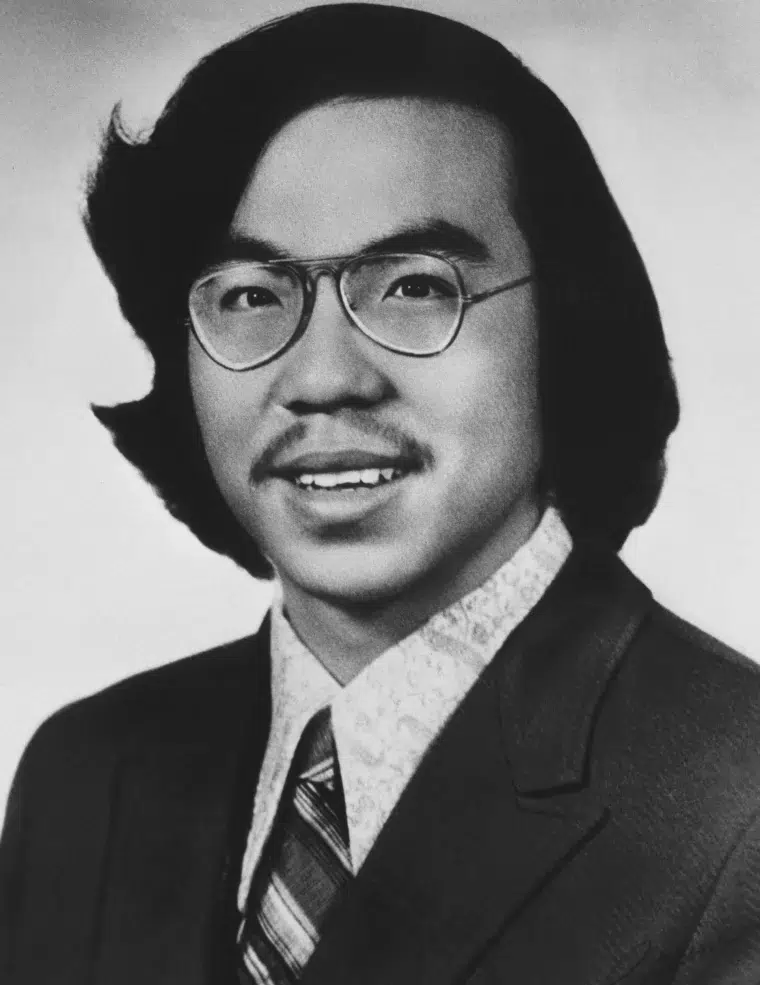
As Helen Zia, a journalist and activist who played a significant role in the movement for justice for Vincent Chin, stated in a 2012 interview with NPR, “It was the first time that Asian Americans, broadly speaking, across ethnic lines, came together and said, ‘This is not right. We need to do something.'” This moment brought together different Asian ethnic groups who had not previously united on such a large scale, highlighting the shared experience of racial discrimination.
Echoes of the Past: Anti-Asian Sentiment Then and Now
The economic anxieties of the 1980s, particularly the perception of Japan as an economic threat, directly fueled the animosity that led to Vincent Chin’s death. Today, while the specific targets may shift, similar xenophobic sentiments persist. Anti-China rhetoric, for example, has become increasingly common in political discourse and media, leading to a documented rise in anti-Asian hate incidents, especially during the COVID-19 pandemic.
A report by Stop AAPI Hate, a national coalition that tracks incidents of hate and discrimination against Asian Americans and Pacific Islanders, documented 11,467 hate incidents against AAPI individuals across the United States between March 19, 2020, and March 31, 2022. This surge demonstrates how quickly economic and political tensions can translate into real-world violence and discrimination against minority groups. The parallels to the climate surrounding Vincent Chin’s murder are undeniable.
The Ongoing Pursuit of Justice and What We’ve Learned
The Vincent Chin case exposed deep flaws in the American justice system regarding hate crimes and racial bias. While it didn’t result in the convictions many hoped for at the time, it did set precedents. It was the first federal civil rights trial for an Asian American, even though the perpetrators were ultimately acquitted of federal charges. The case also pushed for greater recognition of hate crimes and their unique impact on communities.
Today, activists and legal scholars continue to push for a more equitable justice system. The calls for police reform and addressing systemic biases resonate with the frustrations felt by the Asian American community decades ago. Understanding Vincent Chin’s story helps us see how historical injustices connect to ongoing struggles for civil rights and racial equality. His name remains a powerful reminder that the fight for justice is continuous and requires constant vigilance.