“Your mom and I once had dreams too”—a line that perhaps many of us, particularly children of the Asian diaspora, understand with a certain unspoken guilt, born from recognising the sacrifices our parents had to make. Theirs was a guilt and shame both self-seeded and imposed upon them, as they stomached disrespect and discrimination in foreign languages at the cost of forging new lives for themselves and their families.
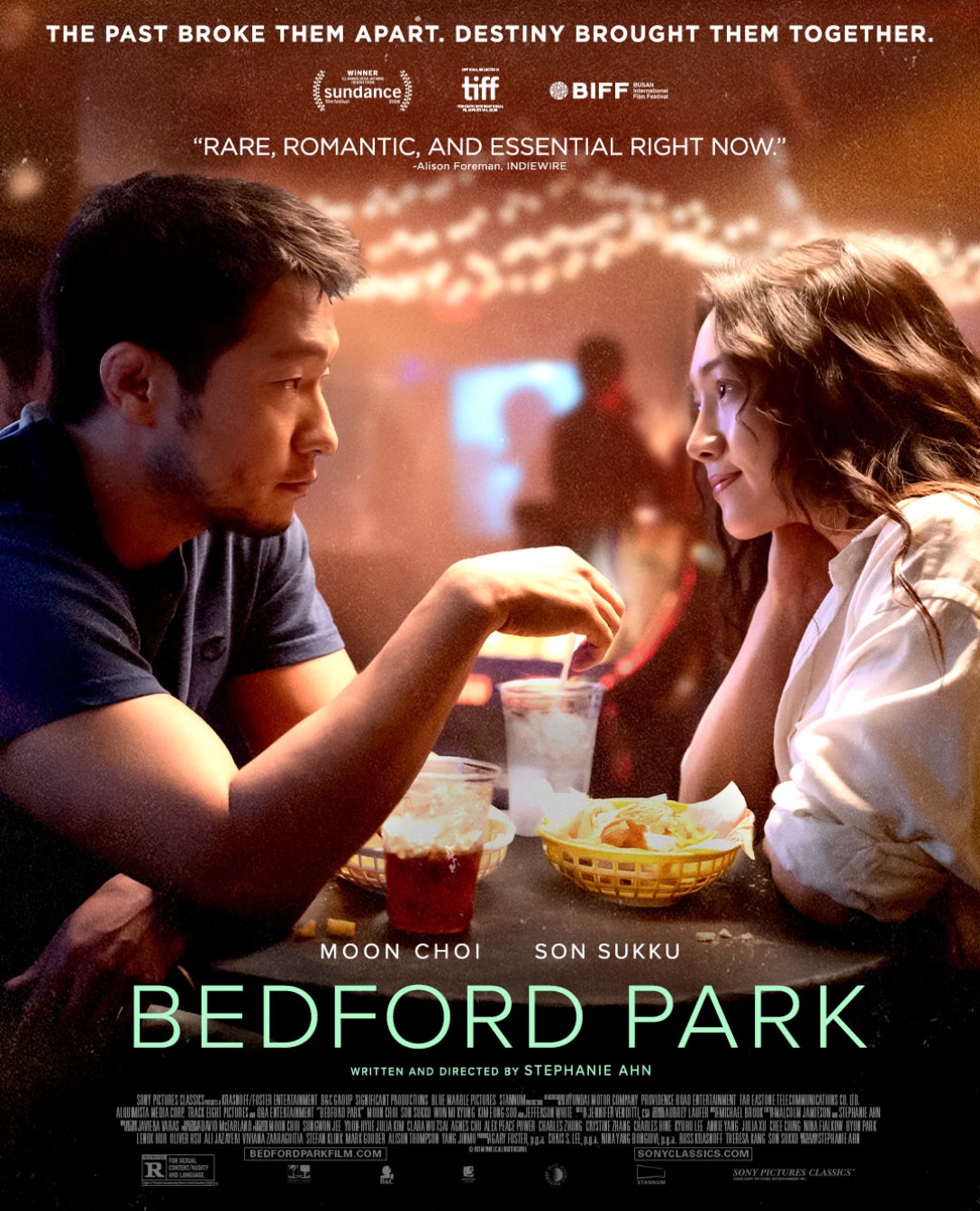
In this reflection, I draw on this experience of witnessing Han (haan, or 한) explored in Bedford Park to understand my own relationship with generational trauma, the diasporic experience, and the unravelling of an identity forged as a consequence of Han.
South Korean novelist Pak Kyongni described Han (haan, or 한) as “both sadness and hope”—a description that sat like a rock in my gut as I watched Bedford Park. There is no singular, definitive interpretation of Han, but I received this expression as a perpetuity of sorrow and resilience, dotted—to reiterate Ms Pak’s description—with hope. Such is this perpetuity that, as I reflected on my mother’s journey alongside Audrey’s parents, I cannot describe her happiness without sorrow, her hope without despair, or her resilience without regret.
Bedford Park is a no-holds-barred cinematic experience: fast-moving at times and visually provocative, it offers a deeply realistic depiction of how life truly feels within this complex existence—sometimes we cannot catch up, sometimes it catches us by surprise, and before we can even process what has just happened, time marches on without regard. I carry the lingering impact of certain scenes just as we carry our generational stories: like a sharp yet fragile piece of broken mirror.
Read more: The Top Asian Films At TIFF 2026 Prove That Global Cinema Has Changed
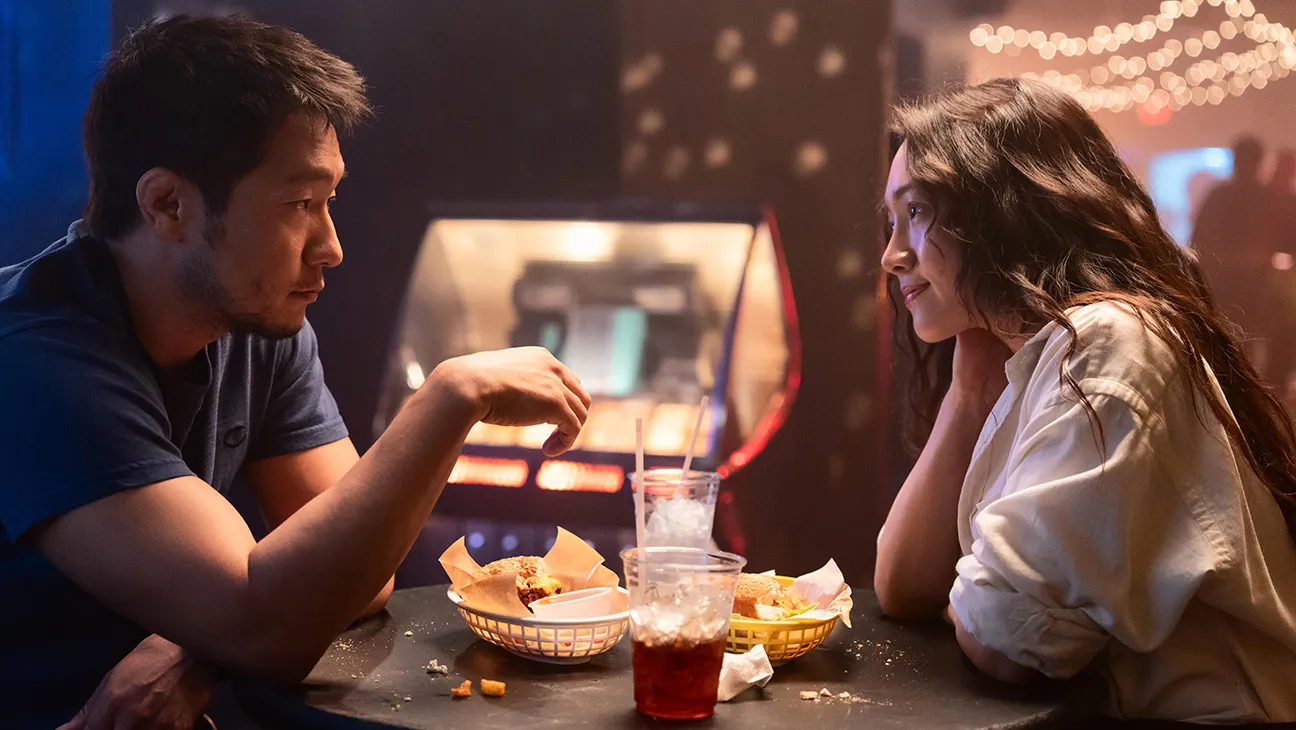
“There is no perfect love… this movie is not about identity, but about letting go of that identity.” This was the message from director Stephanie Ahn, delivered to us at the start of the screening by London Korean film festival curator Eunji Lee. In my eyes—and perhaps due to the projection of my own experience—nothing exemplifies this statement better than the portrayal of Audrey (Moon Choi) and her relationship with her mother: a woman who loves and cares for her, worries about her, waits for her in the hospital waiting room, and protects her from her father, yet who also plays a part in constructing the very identity that suffocates and placates Audrey. Eventually, though, we witness how the mother’s love prevails over her own reservations as she holds a moment of acceptance for her daughter’s decision. After all, the mother, too, is perpetually living and learning to love within the complexities of Han, and it takes incredible courage to rise above that sorrow.
This is the quality I admire most in Audrey, and the very one that eventually spurs Eli to forge his own path: the courage to move beyond generational sorrow and plant hope. Her decision to conceive, even to the detriment of her own life—with the final scene coming full circle—stems arguably from an adamancy to rebel against the consequences of her family’s Han. Yet this decision also causes her surroundings and her sense of self to give way to her unravelling, creating a ripple effect that leads to the film’s ending: one of hope, just as Ms Pak described, perpetuated.
Han is both scar and shield in our passage through life. Sorrow, hope, regret, and resilience are ferried together, and perhaps the act of wondering, rebelling, and questioning—this unravelling of the selves built into our identities thus far—is how we pave the way to rediscover what love and identity, beyond Han, could be.