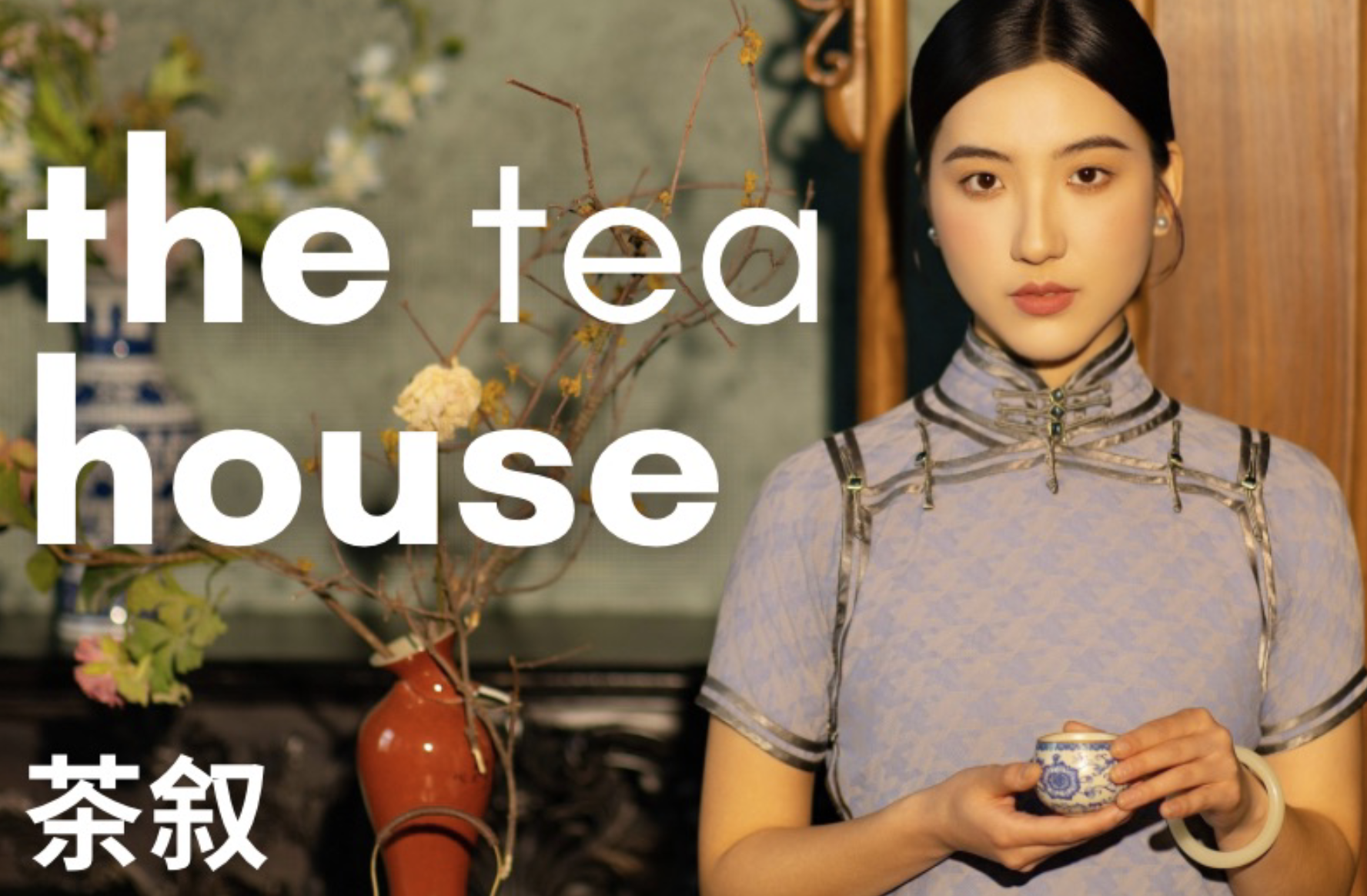
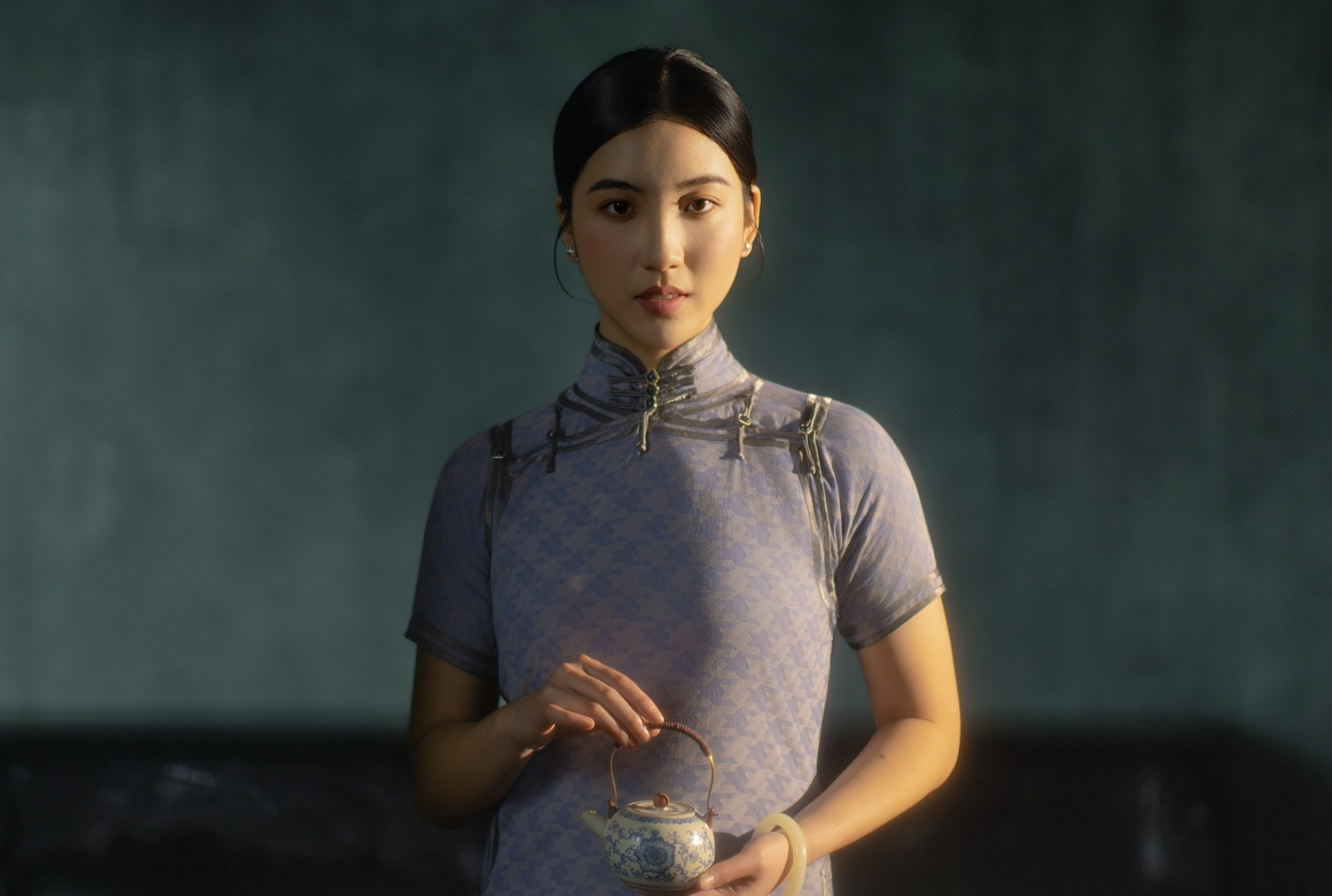
Stepping into a traditional tea house is an invitation to pause. In Chinese tradition, sharing tea provides space for reflection, mutual respect, and unhurried dialogue. When British broadcaster Nina Porter chose the title for her new podcast series, The Tea House, she did so with that specific intention in mind.
“I chose The Tea House because it is a nod to Chinese culture,” Porter explains. “Often when people have tea in rituals, it represents a place of relaxation, respect, and conversation. When you walk into a tea house, you go there for comfort and time for deep conversation. So it serves both as a nod to my culture and sets the intention that when someone comes into the room to speak, it is going to be a good, meaningful conversation.”
Her studio table provides that exact space. The series focuses on individuals who decided to abandon predictable career paths to build their own enterprises, artistic lives, and independent ventures.
The project arrives at an interesting moment for British media. For decades, East and Southeast Asian voices on UK television and radio remained largely invisible, confined to peripheral roles or overlooked entirely. Porter recalls a frank exchange with a diversity and inclusion officer at Channel 4, where she was told bluntly that commissioners did not believe a talent pool existed. That exchange exposed a continuing systemic hurdle: talent existed, but traditional networks failed to offer pathways into mainstream production.
“Recently in the UK, more Asians and minority groups more broadly have come to the surface within the media space,” Porter says. “On one hand, I had finally found a voice, an outlet, and a format; on the other, I wanted to be part of this movement. There is a wave coming in, I am proud of it, and I want to be part of it.”
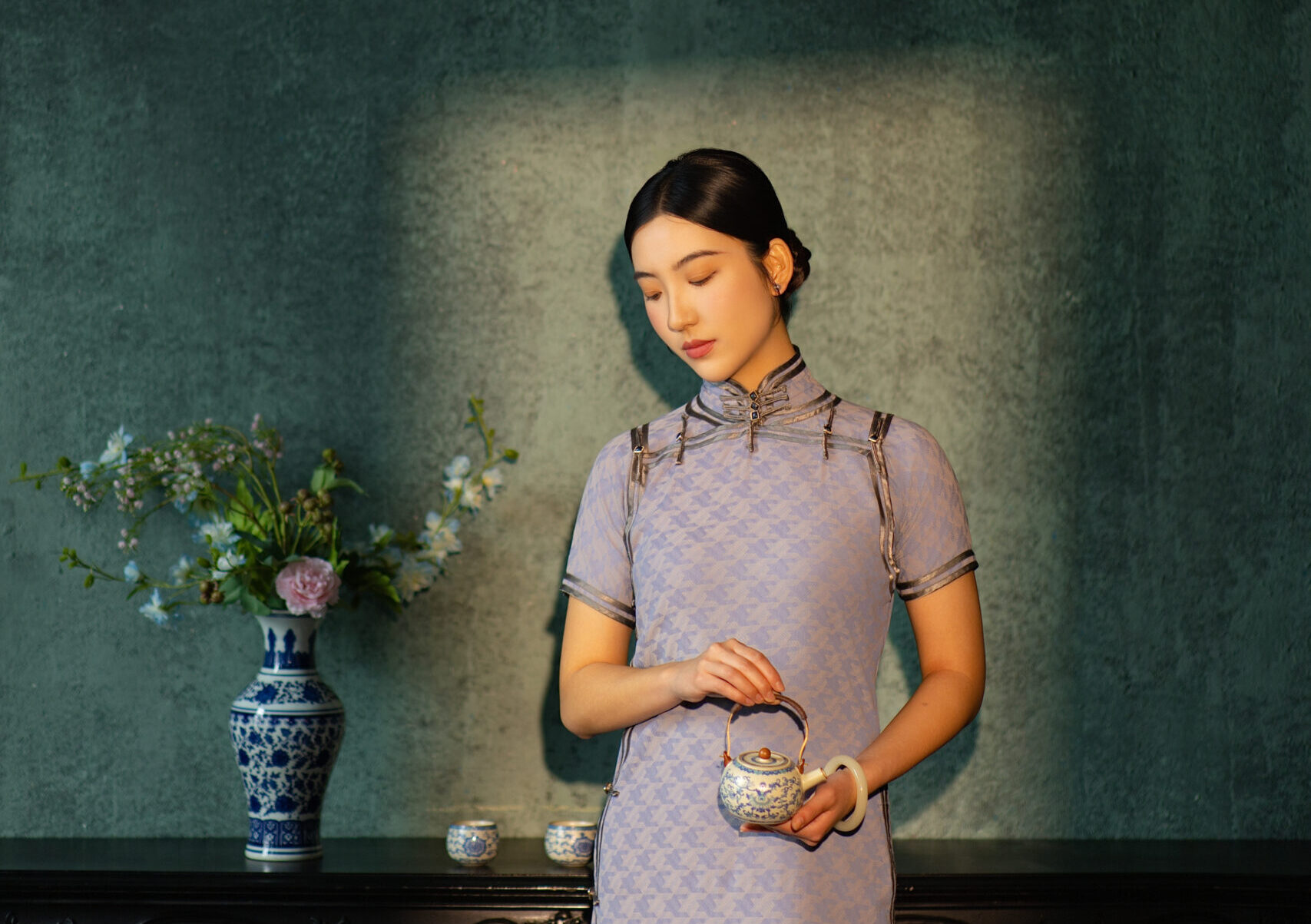
Born and raised between cultures in Britain, Porter spent years observing how diaspora families approach the concept of career security. Within many immigrant households, the pressure to enter established, predictable professions is strong, rooted in family sacrifices and the desire to build a stable foundation. Choosing a creative, freelance, or entrepreneurial life often introduces friction against those generational expectations.
“When a path is unconventional, the first hurdle is that you can talk yourself out of it because of other people’s expectations,” Porter notes. “Naturally, as human beings, we want validation that something will be safe and pay the bills. When you choose something that carries more risk, you realise you might be entirely on your own. You do not have the structure and support of a corporate job or an established team behind you. It requires an immense amount of self-motivation.”
Read more: Drexler’s Song ‘Brothers’ Is an Ode to His Father’s Childhood, From the New Record Olympia-5
She points out that traditional employment provides a clear roadmap that creative pursuits lack. “In a traditional job, success is fairly linear: you show up, perform, and it is a done deal,” she says. “When pursuing something of your own, that trajectory is far less linear and can be volatile. You have to keep that burning engine of passion and consistency running inside you to back yourself the entire time. That is not easy. We are often our own biggest critics, and that is one of the hardest parts.”
That emotional volatility forms the core of her opening episode with stand-up comedian Ken Cheng. Cheng followed an orthodox path initially, studying mathematics at the University of Cambridge. During his late teens, he began playing online poker and eventually made the abrupt decision to leave university behind to pursue the game full-time. That detour eventually led him into British stand-up comedy, where he won Dave’s Funniest Joke of the Fringe and wrote his own BBC Radio 4 series, Chinese Comedian.
View this post on Instagram
In the studio, Cheng discusses the isolation of growing up as a British-born Chinese pupil during the 1990s, when cultural identity received minimal discussion in classrooms, leading him to suppress his background to blend in. He also addresses his resistance to hackneyed ethnic jokes on the UK comedy circuit, pointing out his refusal to rely on cheap punchlines about eating dog.
Porter relates to that sense of early cultural isolation. “Growing up between two cultures, I had specific experiences that I wanted to speak about to create a sense of connection, realising that my experience was not isolated, but shared,” she says. “People crave that shared experience; we want to relate to one another through empathy. For a long time, I felt somewhat siloed without even consciously realising it. On reflection, there are unique experiences we share with others. Ultimately, I want to talk about cultural splits to reflect those common ground experiences.”
While her opening guests come from the British Asian diaspora, Porter intends to widen the circle over subsequent series. Her lineup includes food writers, digital creators, journalists, and startup founders who decided to build their own independent businesses.
“The show is really for everyone,” she explains. “Predominantly, it is for people who find themselves in split-culture environments or navigate multiple parts to their identity, leading to conflicting expectations between what they are allowed to do, what their families expect, and the wider environment around them. It is for people living in that space, but it is also for the dreamers, people who have had an unconventional idea to do something creative or different, but felt scared to do so. I want them to feel empowered to go for it. Failure can be on the table; that is absolutely fine because everyone goes through challenges.”
Conducting the interviews has also shifted Porter’s perspective on her own trajectory. “I have come away from all of these conversations with immense respect, seeing how people put 110% into their passions alongside their day jobs,” she says. “Often, the public only sees the one-sided finish line of success rather than what it took to get there. Fundamentally, it has given me encouragement and spurred me on to chase my own ambitions, share these stories, and inspire others.”
When asked what piece of advice from her guests remained with her most clearly, Porter returns to the subject of autonomy.
“The running thread across all the interviews is that the risk is almost always worth taking,” Porter reflects. “You may have to go through significant hurdles, but you always learn something through those experiences. Another takeaway is not letting other people define you by their expectations. When you look at yourself in the mirror and consider who you are, do not define yourself by what others say or what you assume you ought to be.”
Episodes stream on Spotify, Apple Podcasts, and YouTube, with new releases arriving every Monday.