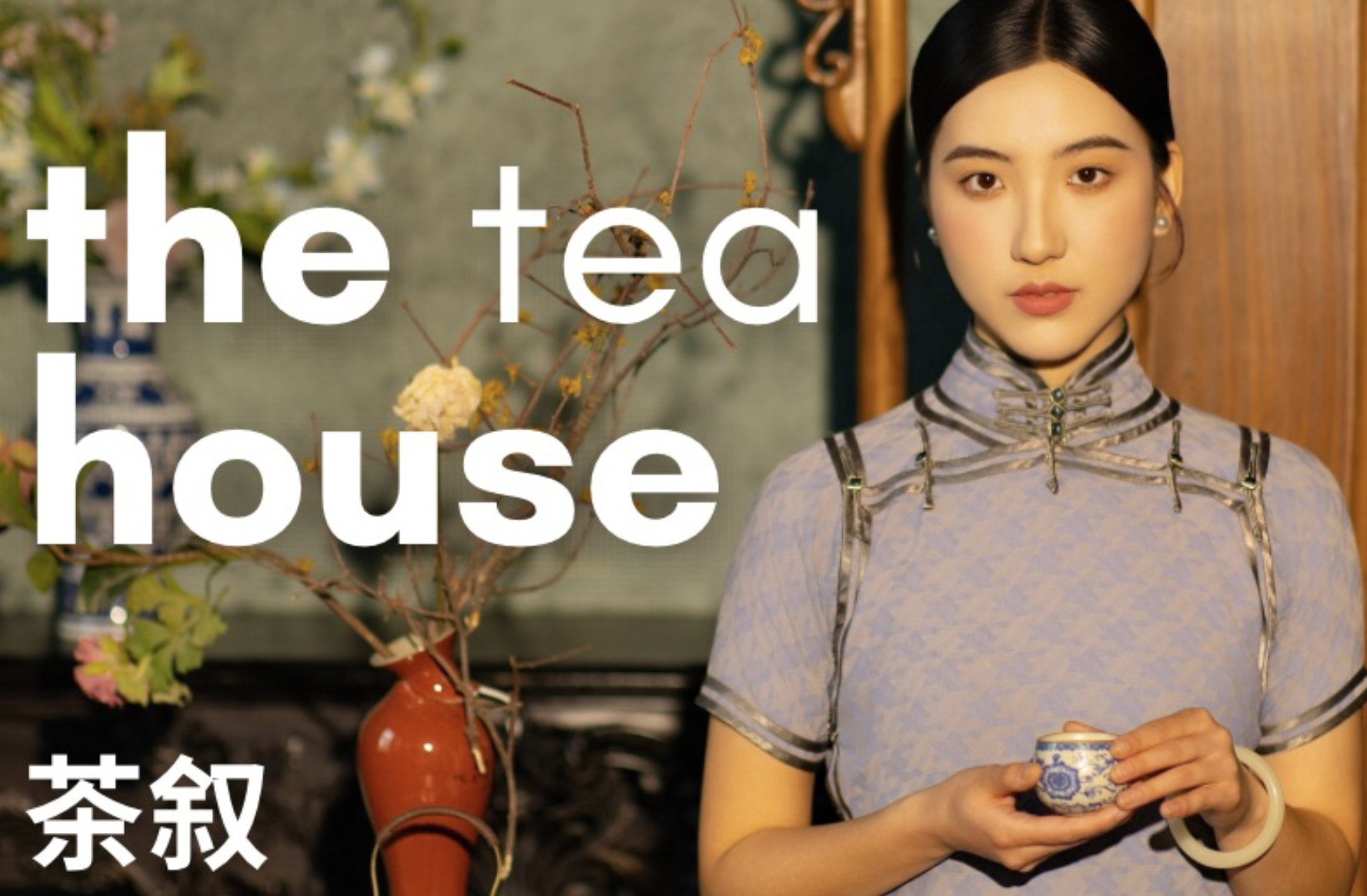
The concept behind the show comes from a straightforward premise: hearing another person talk about their journey allows listeners to recognise a piece of themselves in it. Across candid studio conversations, Porter meets founders who started before knowing the outcome, creatives who backed themselves, and cultural figures who stepped outside traditional expectations.
For many people, the path ahead carries heavy assumptions from family, culture, and community about what a sensible life looks like. Taking the safe route often makes the most sense on paper, but pursuing ambition can require people to accept uncertainty and grant themselves permission to want more. Having grown up between cultures, Porter became fascinated by how authentic representation helps people imagine different possibilities for their own lives.
The podcast looks past the neat, finished picture of success, focusing instead on the doubts, detours, sacrifices, and quiet ambitions that happen along the way. As Porter puts it, the most compelling part of someone’s journey is often the reason they chose to begin in the first place.
View this post on Instagram
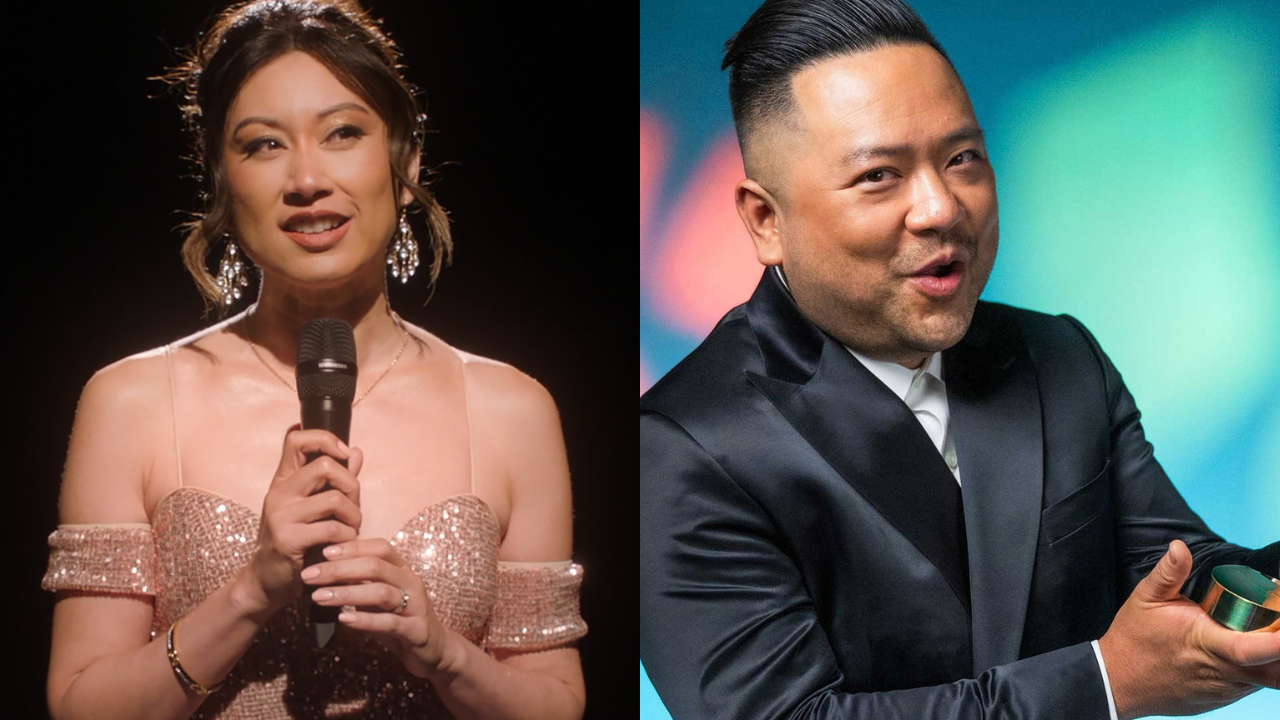
Her first guest, Ken Cheng, provides an ideal opening conversation for that theme. Cheng left the University of Cambridge, where he was studying mathematics, to follow a completely different direction. The shift began the summer before he even arrived at university, when he spent his late teens playing online poker full-time. Though leaving Cambridge to pursue cards seemed ridiculous to others, he chose to step away anyway, later moving through competitive gaming before breaking into British stand-up comedy and writing his own BBC Radio 4 show, Chinese Comedian.
Their exchange touches on the realities of working as an East and Southeast Asian (ESEA) creator in the UK. Cheng reflects on his childhood as a British-born Chinese pupil in the 1990s, when schools rarely discussed cultural identity, leading him to downplay his heritage to fit in. In the studio, the two discuss how early comedy sets often skirted around ethnic background entirely, while addressing the frustration of seeing performers resort to lazy stereotypes like eating dog for cheap laughs.
The discussion connects directly to Porter’s own broadcast background. During the episode, she recounts a 2019 meeting with a Channel 4 diversity representative who claimed that commissioners simply could not see a talent pool of Asian creatives. For Porter, The Tea House answers that claim directly by creating space for that talent to be seen and heard on its own terms.
Porter brings experience from both broadcast journalism and corporate settings, having appeared on BBC’s The Ranganation to discuss Gen Z views, contributed to BBC Three’s No Offence, and worked within workplace diversity networks.
Named after the traditional community spaces built for slow, unhurried conversation, The Tea House asks listeners what has been brewing in their own lives.
Episodes stream on Spotify, Apple Podcasts, and YouTube, with new releases arriving every Monday.