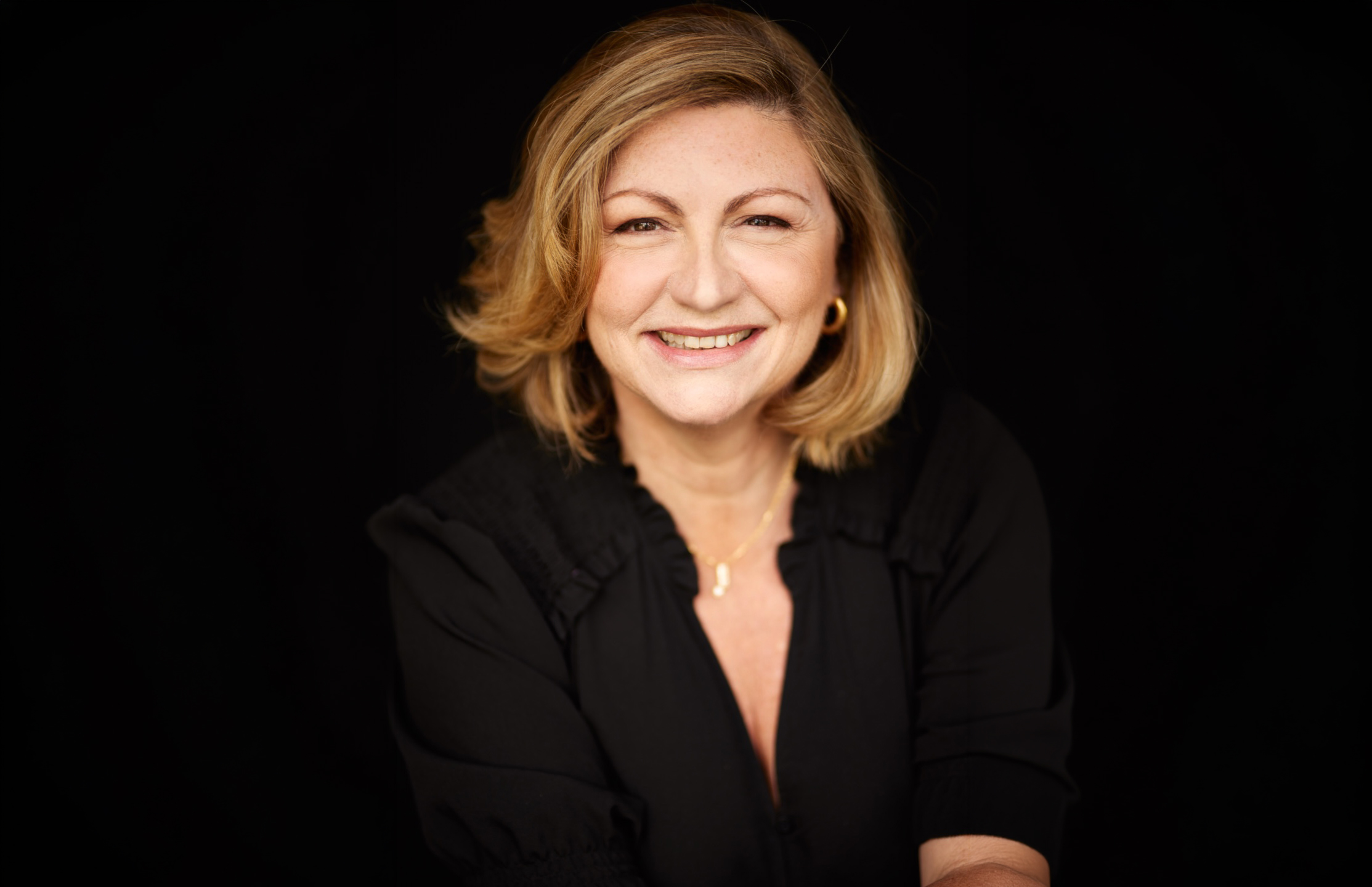
After 16 years and 40 productions, Singapore theatre house Pangdemonium is taking its final bow—on its own terms. For co-founder Tracie Pang, the decision is less an ending than a deliberate pause at a moment of clarity, shaped by a changing industry, a shifting audience, and a desire to stay in love with the work.
Speaking to Resonate Voices, Pang reflected on her time in the industry and how she sees the next chapter of her life as well as Singapore’s theatre industry.
Although the closure was announced earlier this year, Pang said the decision had been on her and her husband Adrian Pang’s minds for several years. “The pandemic changed a lot for us and made us step back and refocus… to look at the bigger picture. Where do we fit in it? Is there more we want to do?”
She added that the pandemic also sharpened their awareness of how difficult the industry had become. “It doesn’t take an awful lot to puncture this bubble that we were in,” Pang said, adding that live theatre became especially hard to sustain. While others suggested pivoting to film, she said that was not the answer for a theatre company already committed to its own medium.
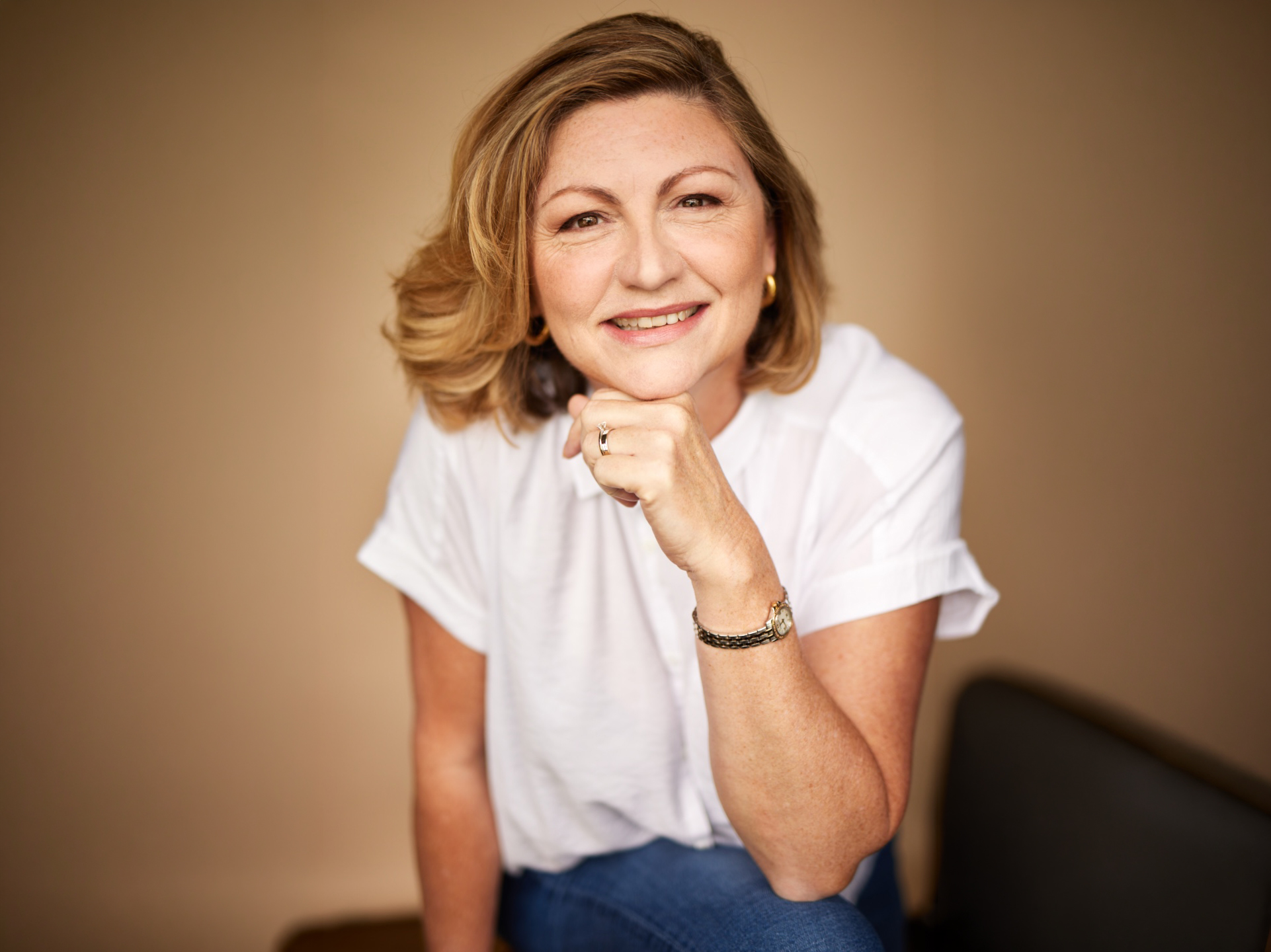
What theatre still offers, Pang said, is its magic. “It’s a live, living, breathing thing that changes every night when you do it,” she said. That, she added, is what keeps artists in the medium in the first place.
But Pang and Adrian Pang also reached a point where, if they were ever going to pursue something else, the time was now. “You get to a stage in your life where things inevitably start to slow down, and we just felt like we didn’t really want to be forced to slow down,” Pang said.
The decision, she said, was made over several years and came from a desire to end on their own terms. “It was like, I want to stop whilst I am still in love with it,” Pang said.
The post-pandemic recovery, Pang said, was far more uneven than many expected. During the pandemic, Pangdemonium received strong support from audiences, the government, and sponsors. When theatres reopened, audiences initially returned out of excitement, but that momentum did not last.
“It lasted like maybe a year max, and then everything just kind of changed,” Pang said. Support systems fell away quickly once the sector was considered back to normal, even as costs continued to rise. Venue prices increased, production expenses nearly doubled in some areas, and audiences became more cautious with their spending and time.
Pang said many people had changed their habits during the pandemic and never fully returned to pre-pandemic routines. “Your true fans, like they jumped in knee-jerk straight away and then they went back to these habits that they had formed during the pandemic,” she said.
The result, she said, was a strange and frustrating period in which the company felt it was out of danger, only to find conditions worsening again. “We thought we were out of the woods and everything was good and then things dropped,” Pang said.
View this post on Instagram
Over the past 16 years, Pang said she has seen both Pangdemonium and the wider Singapore theatre scene grow significantly. In the company’s early years, the focus was on building an audience. By around the five-year mark, she said, the company began to gain serious momentum.
“We probably hit about the kind of five-year mark and it just started to explode,” Pang said. The audiences were coming in, she said, and the company felt increasingly confident in its direction.
That growth, Pang said, coincided with a broader shift in public attitudes toward local theatre. “There was quite a support for this work is good, we should support it, we should go out,” she said, recalling a time when Singapore audiences began seeing local productions in a more positive light.
She also said the industry itself has professionalised dramatically. Where theatre-makers once held day jobs and rehearsed at night, today the vast majority of people working in the sector are full-time professionals with formal training. “I would say 95% of the people working in the industry are full-time professional people who have come from training,” Pang said.
Read more: Asian Pirate Musical Brings Queer Time Travel and Climate Survival to the London Stage
Pang said Pangdemonium was born out of artistic frustration and a need for freedom. She was working as an associate artistic director at another company, while Adrian Pang was tied up in television work and restricted in how much theatre he could do.
She said she was pitching shows she wanted to stage, only to be told they were not the right fit for that company’s audience. That led them to realise their artistic identity was distinct and that, if they wanted to create that work, they would have to do it themselves. “So, it was really artistic freedom,” Pang said.
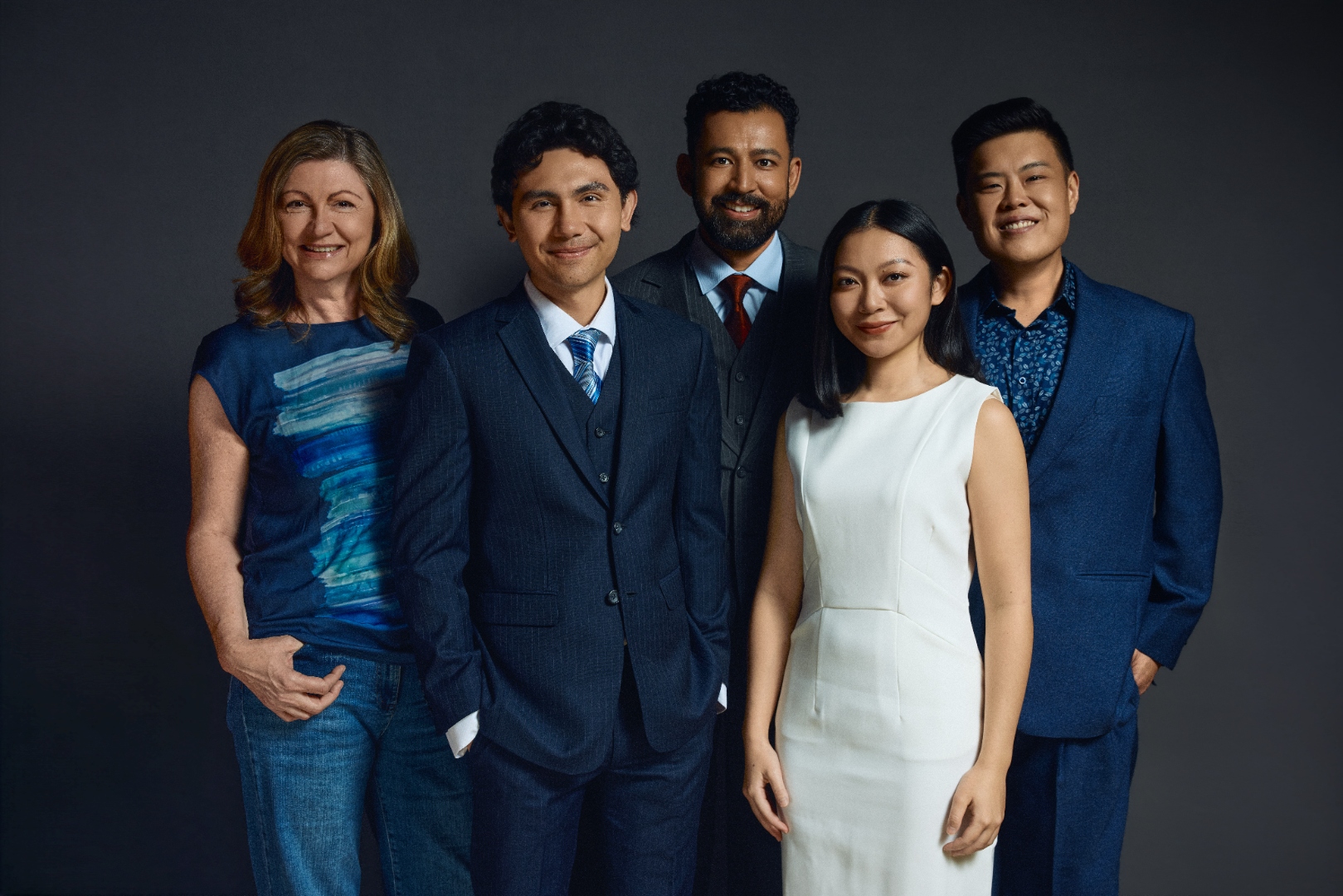
As part of Pangdemonium’s final season, Pang chose A Mirror, a play that explores censorship, control, and the boundaries between protection and suppression. Pang said the play resonated with her immediately when she first saw it at the Almeida.
“I saw it at the Almeida when it first came out, and I was like, this speaks so much to many of the experiences that I’ve had and that I know many other theatre companies have had,” Pang said.
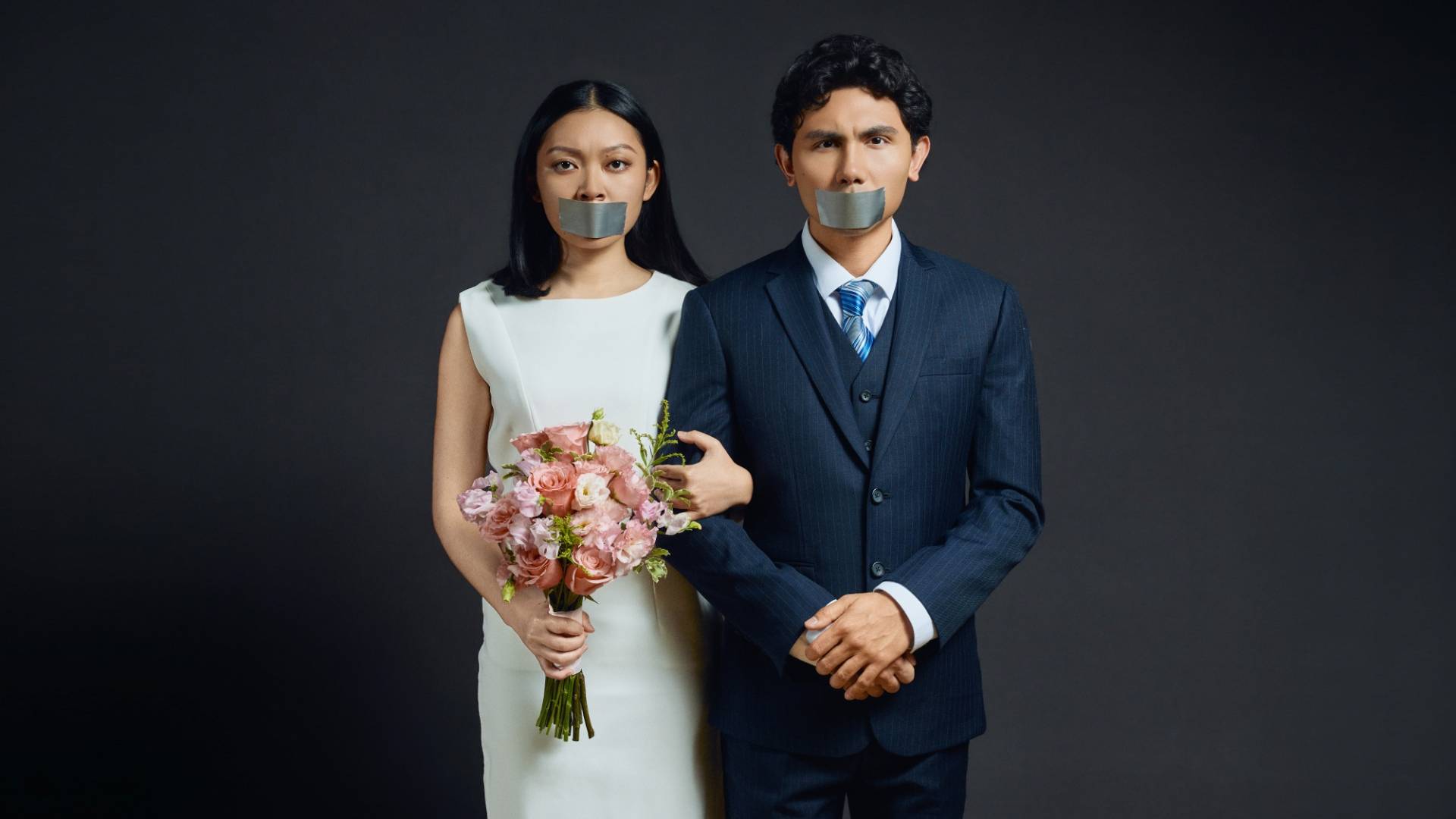
She said the work travels well because its fictional state is not tied to one country. “She’s managed to create a state that is not set anywhere specifically, but is experienced in many different countries,” Pang said, referring to playwright Sam Holcroft’s research across multiple countries.
Pang also said the script contains echoes of Singapore. In particular, she pointed to the character who believes deeply that he is protecting artists and helping them create work that benefits society. “Everything this character says is true, but it’s not necessarily right,” Pang said.
For her, the play raises difficult questions about where guidance ends and censorship begins, and whether truth can become harmful to a country. “Where does our guidance become censorship? Where does censorship become really clamping down on artists, when perhaps what all the artists feel that they’re doing is holding a mirror up to the truth,” she said.
Pang said censorship has been part of life in Singapore theatre for decades. She recalled a time when scripts had to be brought to the police station, where pages would be marked out in black pen before a production could proceed.
“I do recall the days when we used to take our script to the police station,” she said. “Somebody within the police would go through your script with a black pen and basically mark it out.”
She also remembered people being arrested for performing works that had not been approved. While she acknowledged that things have improved, she said the system can feel more subtle now rather than less restrictive.
Pang pointed to rating systems and content restrictions that still shape what can be staged. She said that in The Pillowman, for instance, Singapore’s authorities allowed scenes involving child torture but objected to the religious imagery of the cross, which she found inconsistent. “We were allowed to show child torture, but we were not allowed to show it on the cross,” Pang said.
To her, the issue seemed less about violence and more about symbolism. “Surely the torture is the issue, not the fact that there is a cross and that she was forced to carry it,” she said.
She said censorship often reflects a desire to protect Singapore’s multicultural society, but questioned whether the focus is always in the right place. “It also assumes that as adults, we cannot make those distinctions for ourselves on who is being offended, when and why,” Pang said.
For Pang, stepping away from Pangdemonium is not a goodbye to theatre or to Singapore. It is a chance to return to directing without the heavy burden of running a company.
“What I’m looking forward to is going back to purely directing and not running a company,” Pang said. “Just taking that weight off me.”
She said freelancing appeals to her because it restores creative freedom. “Get a script, be excited about the script, put on the script, not worry about where all the money is coming from,” Pang said.
Read more: Simu Liu and Justin H. Min to Perform ‘Stories from the City of Immigrants’ at Symphony Space
Pang said the hardest part of mounting any production is always finding the money, and she is looking forward to no longer carrying that responsibility. “Trying to find the money to put on a show is the hardest part of putting on the show,” she said.
In the future, she said she is open to work in Singapore, the UK, the Philippines, and beyond. “It’s not a goodbye to Singapore. It’s just opening the doors and saying, I’m free to take on projects,” Pang said.
She also said the family’s next chapter is already in motion. Adrian Pang is in the UK touring with Karate Kid the Musical, while their sons are building careers of their own in the industry. “We’re super lucky that we can work together as a family,” Pang said.
A Mirror runs from 26 Jun – 12 Jul 2026 at Singapore’s Singtel Waterfront Theatre. Buy tickets here.