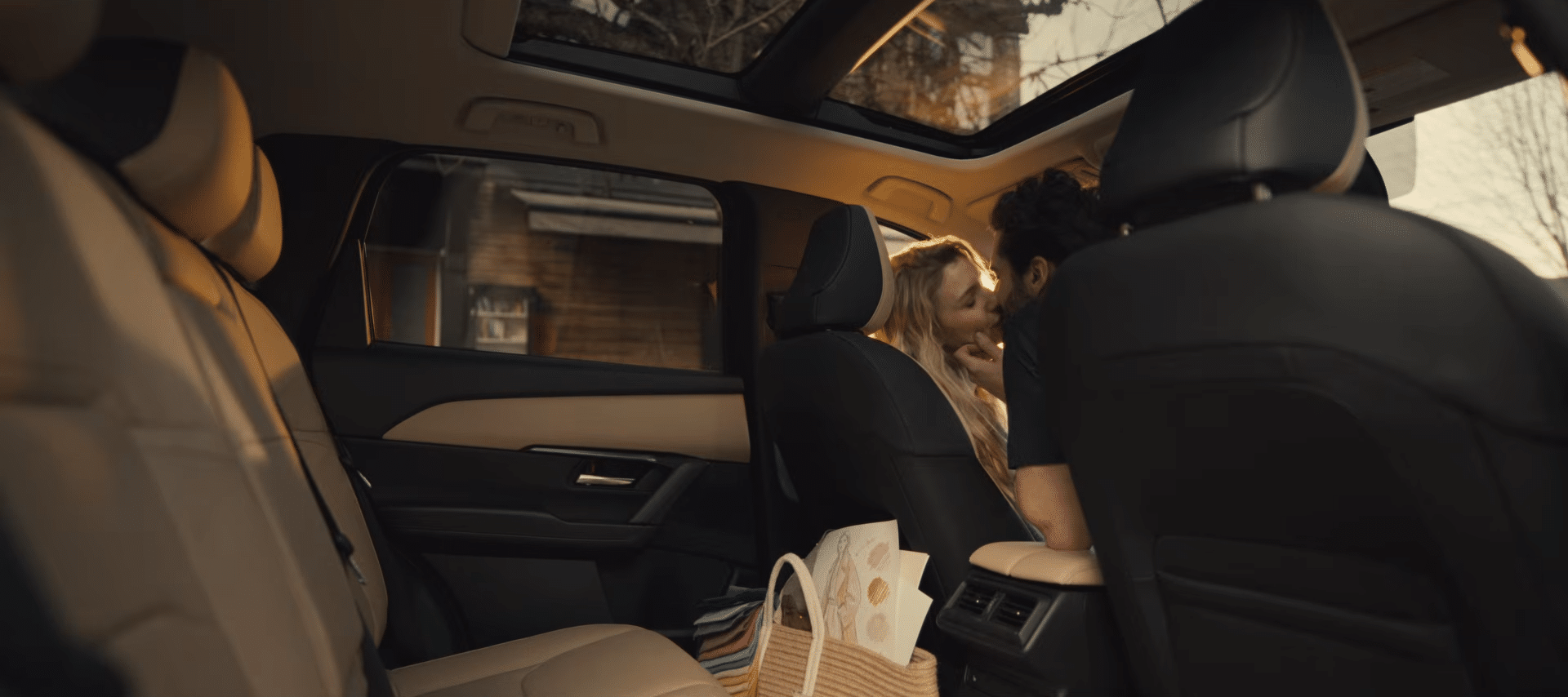
Mazda is taking the art of motion picture quite literally. The Japanese carmaker, known for its “zoom-zoom” ethos, has turned filmmaker with a new project that blurs the line between commercial and cinema.
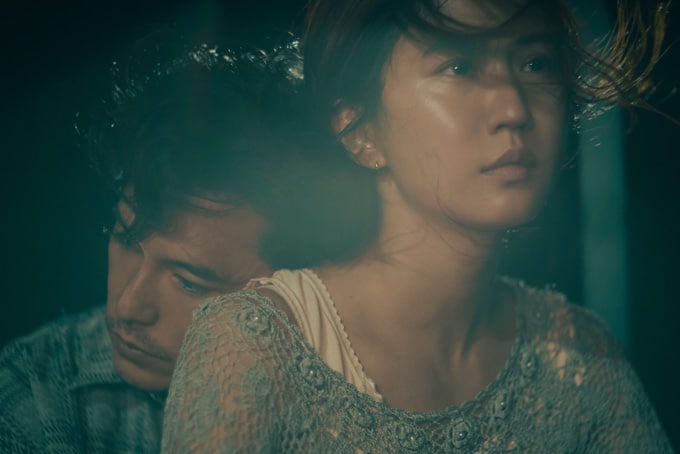
Unveiled during this year’s Academy Awards, 5 Sides of the CX-5 transforms Mazda’s flagship SUV into a movie star. Directed by Paul Hunter, the campaign comprises five short films—each inspired by a classic genre: romance, action, sci-fi, musical, and horror. At the center of every story is actor Jessamie Waldon-Day—and, naturally, a CX-5.
Instead of another glossy automotive spot, Mazda’s U.S. CMO Brad Audet says the brand wanted to “break through.” The compact SUV market, he notes, is saturated with near-identical launches every few months.
So Mazda decided to treat the CX-5 like a character, not a prop. Each short film highlights a feature of the car—from handling to connectivity—while building emotional resonance through storytelling.
“The CX-5 competes in a highly competitive category where virtually every couple of months there’s an all new something,” Audet told The Hollywood Reporter.“So we couldn’t just come out with another standard automotive spot, we really needed to do something that that broke through.”
That focus inspired the creative leap toward genre films, each echoing a facet of the human experience Mazda hopes to evoke through its vehicles.
Mazda’s cinematic pivot isn’t without risk. Producing original narrative content means stepping into the entertainment arena, where authenticity can make or break brand perception.
Hunter’s approach was to anchor the films in realism.“I think first and foremost, we had to land the entertainment value, and then obviously the car and the car’s features had to be prominent within each one of those stories,” Audet says. “I think it was a bit of an iterative process.”
Still, balancing entertainment and promotion was an iterative process. Audet admits to early doubts—especially about the horror film—but credits Hunter for understanding the car’s role in the storytelling.
“I think most importantly, he saw the potential of the idea and really brought the the idea to life in the five stories, and did a really spectacular job,” Audet says. “He understood the role of the car in the storytelling, as the heroines’ companion in this and the enabler.”
Read more: Japanese Director Nanako Hirose Explores a Throuple in Her New Film ‘Between Two Lovers’
That’s a natural progression for a campaign built around cinematic emotion. As marketing playbooks evolve, automakers like Mazda are discovering that the best way to sell movement—whether mechanical or emotional—is through story.
“You have to really commit to the story,” Hunter says. “What’s important is that everything felt lived in, and it was important that everything felt true and honest to to each moment, so that every sort of turning point or every scene had to force you forward into a new scene.”
The films’ rollout capitalized on the Oscars’ prime visibility, but Mazda has bigger screens in mind. With a strong 2026 movie slate ahead, the brand is exploring theatrical placements, debuting its shorts before movies that share similar genres or themes.