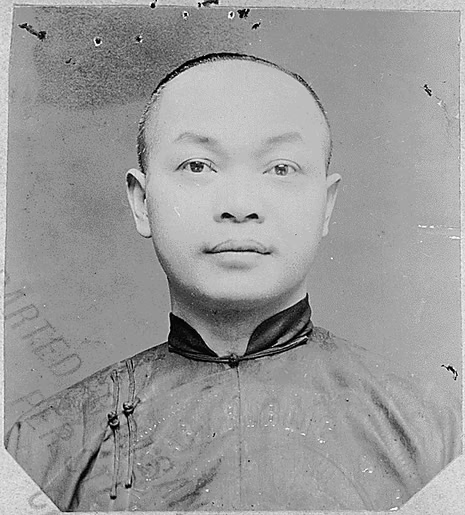
Wong Kim Ark stood on the deck of the steamship Coptic in August 1895. He had returned to San Francisco after visiting family in China. He expected to walk home to his room in Chinatown. Instead, customs officials stopped him. They claimed he was not an American citizen. Despite his birth in a second-story room on Sacramento Street, the government saw him as a stranger. This detention began a legal fight that defined American belonging for over a century.
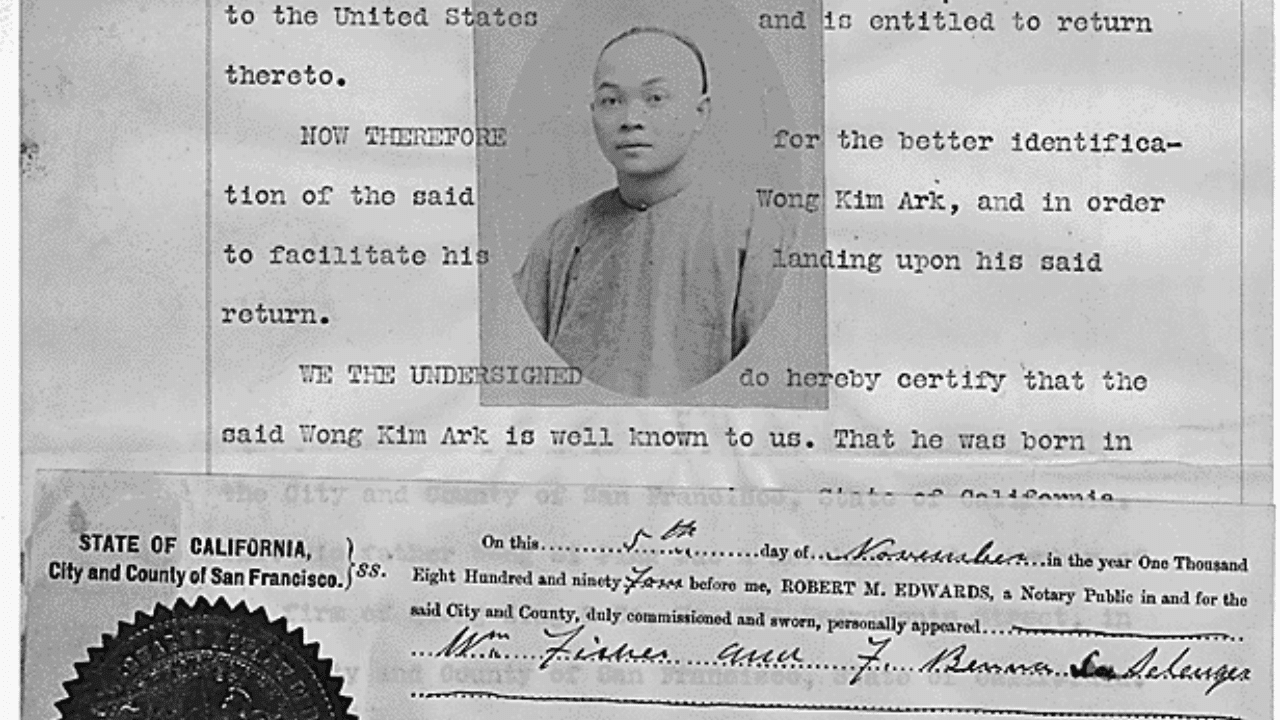
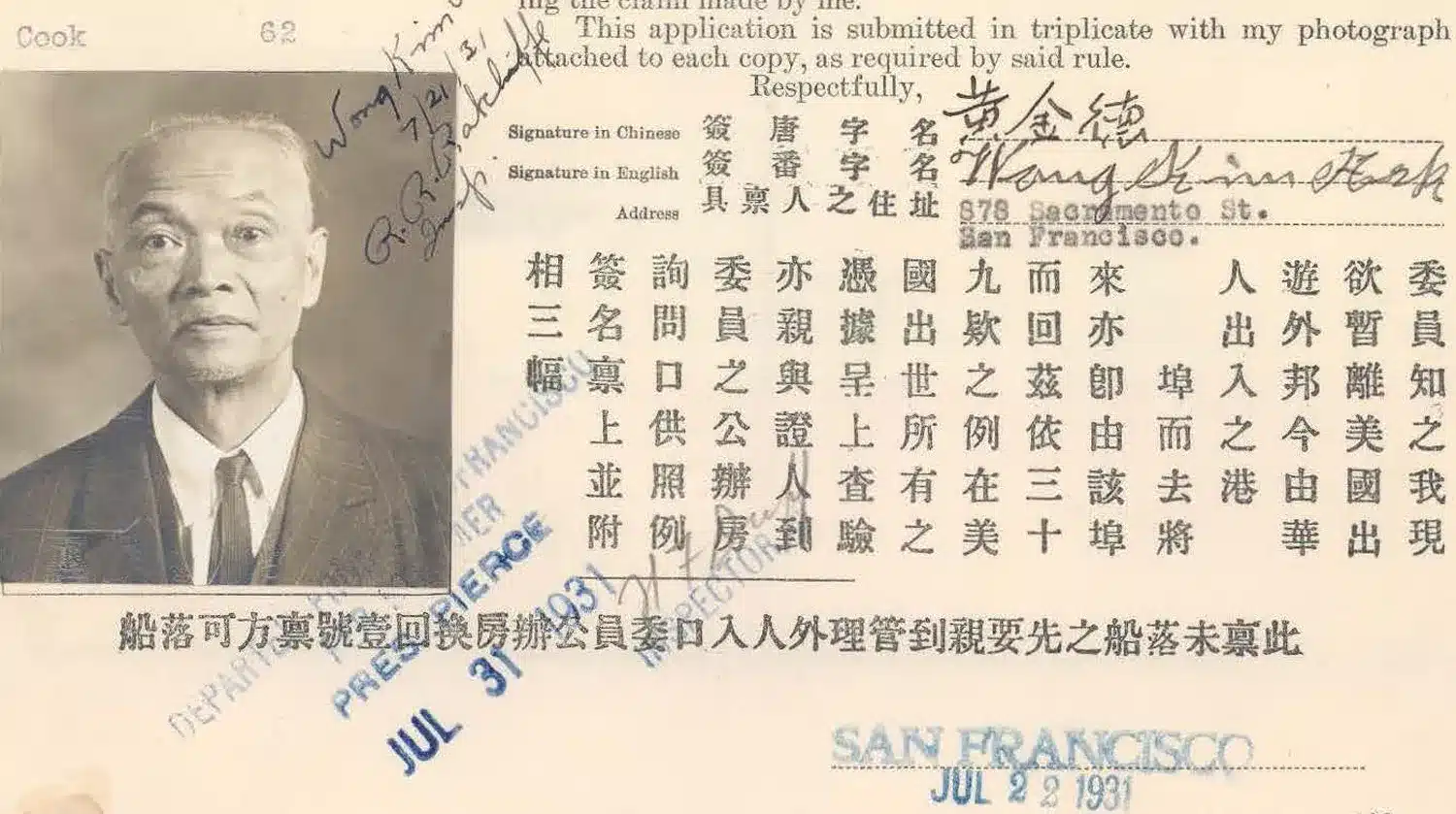
Wong was born in 1873 at 751 Sacramento Street. His parents were Chinese immigrants who ran a grocery store. They lived in the United States for about twenty years before moving back to China in 1890. Wong stayed behind to work as a cook. He knew the risks of traveling abroad during the era of Chinese Exclusion. Before he left for China in 1894, he gathered white witnesses to sign papers confirming his identity. He took these precautions because the government often ignored the testimony of Chinese residents.
Read more: San Francisco Dedicates Street to Tien Fuh Wu, the Human Trafficking Survivor Who Saved Thousands
When he returned, the collector of customs denied him entry. The government argued that because his parents were subjects of the Emperor of China, Wong was also a Chinese subject. They believed his allegiance belonged to a foreign power rather than the United States. Wong refused to accept this. With the help of the Chinese Six Companies, he filed a lawsuit to prove his citizenship.
The Ruling of 1898
The Supreme Court decided the case on March 28, 1898. The justices had to choose between two ways of granting citizenship: by blood or by soil. Justice Horace Gray wrote the majority opinion. He looked back at centuries of English common law. He argued that birth within the territory of a country creates a bond between the person and the state.
Read more: Trump tries to scrap birthright citizenship, 1898 Chinese legal case complicates it
The Court ruled 6-2 in favor of Wong. Gray wrote that the Fourteenth Amendment includes the children of all persons born in the United States, regardless of race or color. There were only small exceptions for the children of foreign diplomats or invading armies. This decision meant that you are a citizen if you are born here. It stopped the government from creating a permanent class of residents who could never belong.
The Modern Battle in 2026
Today, this legal foundation is under attack. On January 20, 2025, President Donald Trump signed Executive Order 14160. This order tells federal agencies to refuse citizenship documents for certain babies born on American soil. It targets children whose mothers are in the country unlawfully or on temporary visas. The administration argues that the Fourteenth Amendment was only meant for formerly enslaved people and their children.
This case, known as Trump v. Barbara, reached the Supreme Court today. The government claims that “subject to the jurisdiction” of the United States requires a permanent legal home. They argue that people here temporarily cannot owe the necessary allegiance to the nation. Lawyers for the challengers argue that this position contradicts more than 125 years of law. They say that the Constitution defines who is a citizen, and no president has the power to change it.
The history of this case is not stuck in a textbook. It lives through people like Norman Wong and Sandra Wong. They are the great-grandchildren of Wong Kim Ark. Norman is a 76-year-old retired carpenter from the San Francisco area. He spent years learning about his ancestor after birthright citizenship became a national debate again. He even visited his family’s village in China last year.
Norman and Sandra participated in “No Kings” rallies last weekend to protest the executive order. Norman says that his great-grandfather was a man who stood up for his rights. He believes the current order is an attempt to chip away at citizenship until the government can remove anyone it dislikes. For the Wong family, the struggle is about the soul of the country.
The Court will issue a decision in Trump v. Barbara by June 2026. The outcome will determine if the promise made to a Chinatown cook in 1898 remains the law of the land.