A vacuum cleaner that possesses the soul of a deceased wife is not the typical starting point for a conversation on state repression. But in the world of the Queer East Festival, which begins its seventh edition on May 1, such absurdities are the sharpest tools available. The film in question, A Useful Ghost, directed by Ratchapoom Boonbunchachoke, uses camp to criticize the Thai establishment. It is one of many works in a sprawling five-week program that refuses to treat queer Asian identity as a monolithic or purely tragic subject.
The festival runs until June 6, 2026. It occupies a dozen London venues, from the Barbican to the Museum of the Home. This year, the focus shifts toward the physical history of the medium. While digital streaming dominates the way most people consume international cinema, Queer East is moving in the opposite direction. It features 35mm prints and meticulous 4K restorations.
The weight of the archive
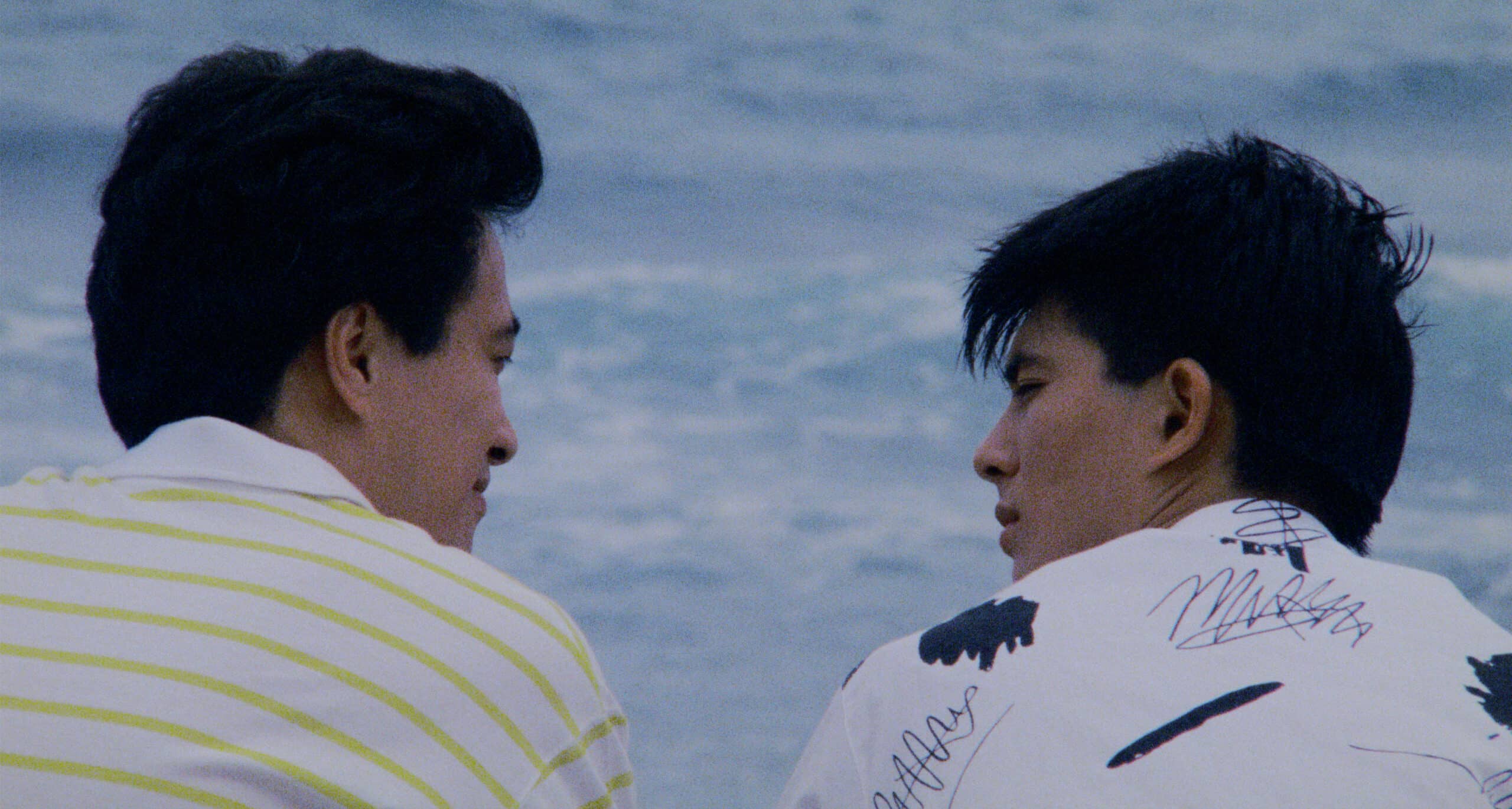
The centerpiece of this archival effort is the opening night film at the Barbican: a 4K restoration of Yu Kan-Ping’s 1986 drama The Outsiders. Based on Pai Hsien-Yung’s novel Crystal Boys, the film was a landmark for Taiwanese cinema, yet it suffered under the heavy hand of censors upon its original release. This new version restores previously cut material. It presents a hallucinatory look at a group of young men discarded by their families who find a precarious refuge in a Taipei park.
Yi Wang, the festival director, explained the necessity of this retrospective lean during the program announcement. Wang said: “To look back is a crucial step in understanding how to move forward. This year’s programme places a strong focus on queer cinema heritage, featuring a series of screenings with 35mm prints, stunning 4K restorations, and rare archival materials spanning over six decades of queer filmmaking across Asia. While sometimes overlooked, these films hold the collective memory of our communities, and by bringing them to the big screen again, we want to create a space for dialogues between our queer past and today’s audiences.”
This dialogue is not merely academic. By screening films like Keisuke Kinoshita’s Farewell to Spring (1959) on 35mm, the festival forces a confrontation with the longevity of queer life in Asia. These are not new stories; they are old stories that were often suppressed, hidden, or ignored by the international circuit.
Politics through a queer lens
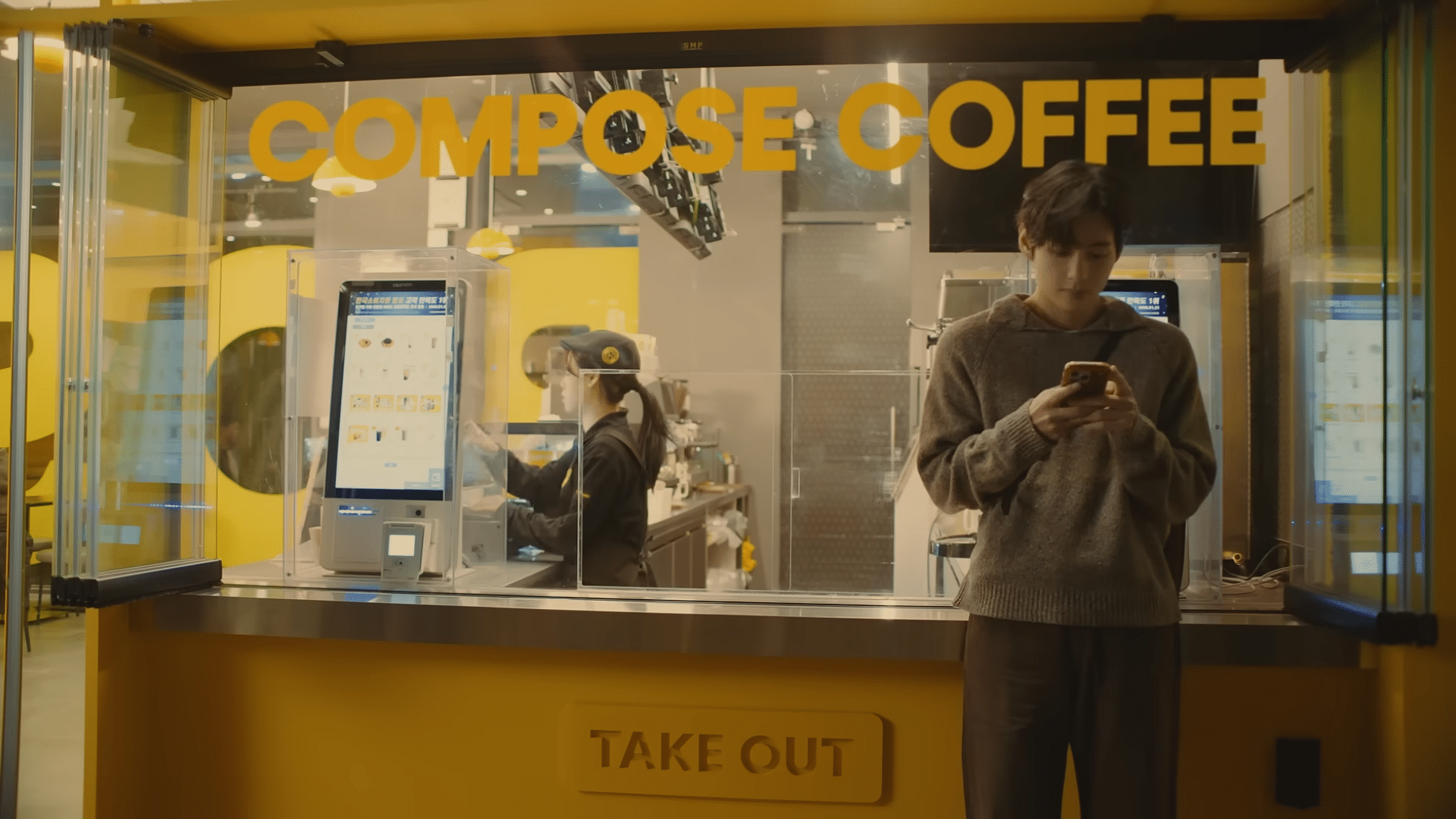
The contemporary selections for 2026 are equally pointed. 3670, a film by Joonho Park, follows a North Korean defector in Seoul. The protagonist, Cheol-jun, must hide his sexuality while navigating the complex codes of the city’s gay scene. It is a film about double invisibility—the status of the defector and the status of the queer man—and how those two identities collide in a capitalist metropolis.
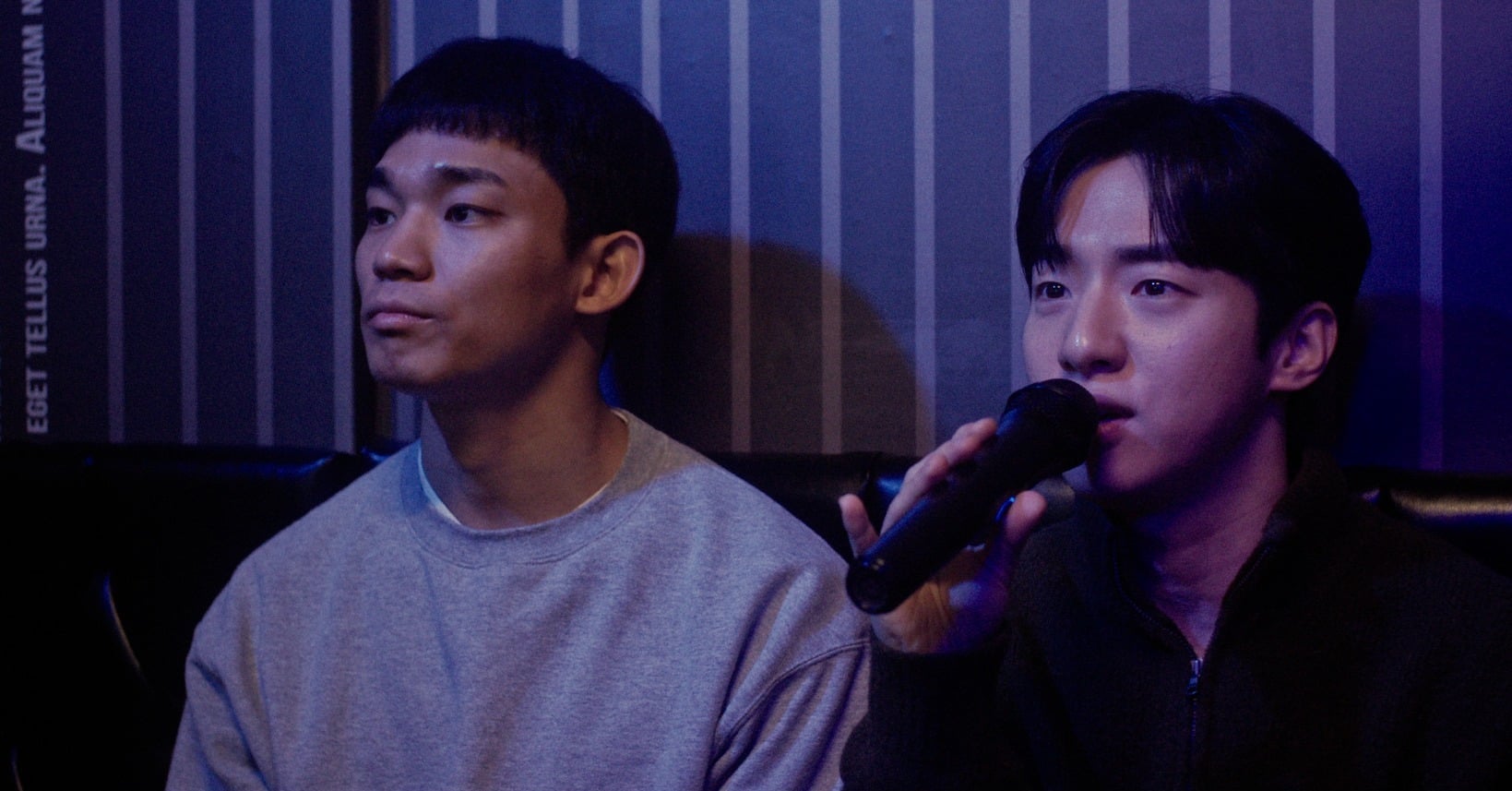
In the documentary strand, Jota Mun’s Between Goodbyes deals with the legacy of Korea’s overseas adoption program. It follows a queer adoptee and her birth mother. The film moves away from the sentimentality often found in reunion stories. It focuses instead on the labor of reconciliation and the historical trauma that necessitated these separations in the first place.
Then there is Queer as Punk, which documents the life of Faris, the transman lead singer of a Malaysian punk band. In a country where freedom of expression is under constant threat, the act of performing becomes a political necessity. The film illustrates how subcultures provide the only safe ground for those who exist outside the state’s rigid definitions of morality.
Humor as a weapon of survival
If the documentaries provide the grit, the fiction features provide the bite. Flower Girl, a Philippine comedy from Fatrick Tabada, features a protagonist who wakes up to find her vagina has vanished after a supernatural encounter. It is a riotous premise used to castigate prejudices around gender and sex.
Singaporean entry A Good Child also uses humor to address heavy themes. The film stars Richie Koh as a drag queen who returns home to care for a mother with dementia. It balances the sharp-tongued wit of the drag world with the quiet, grueling reality of elder care.
These films suggest that humor is not a distraction from political struggle. It is a survival strategy. By laughing at the absurdity of the establishment, these filmmakers strip the state of its power to intimidate.
Short films and the intimacy of the launderette
The short film program remains the festival’s most experimental wing. With over 90 films across 17 programs, it covers everything from male pregnancy to the textile industry. One notable inclusion is Molly, a short film directed by Darius Shu.
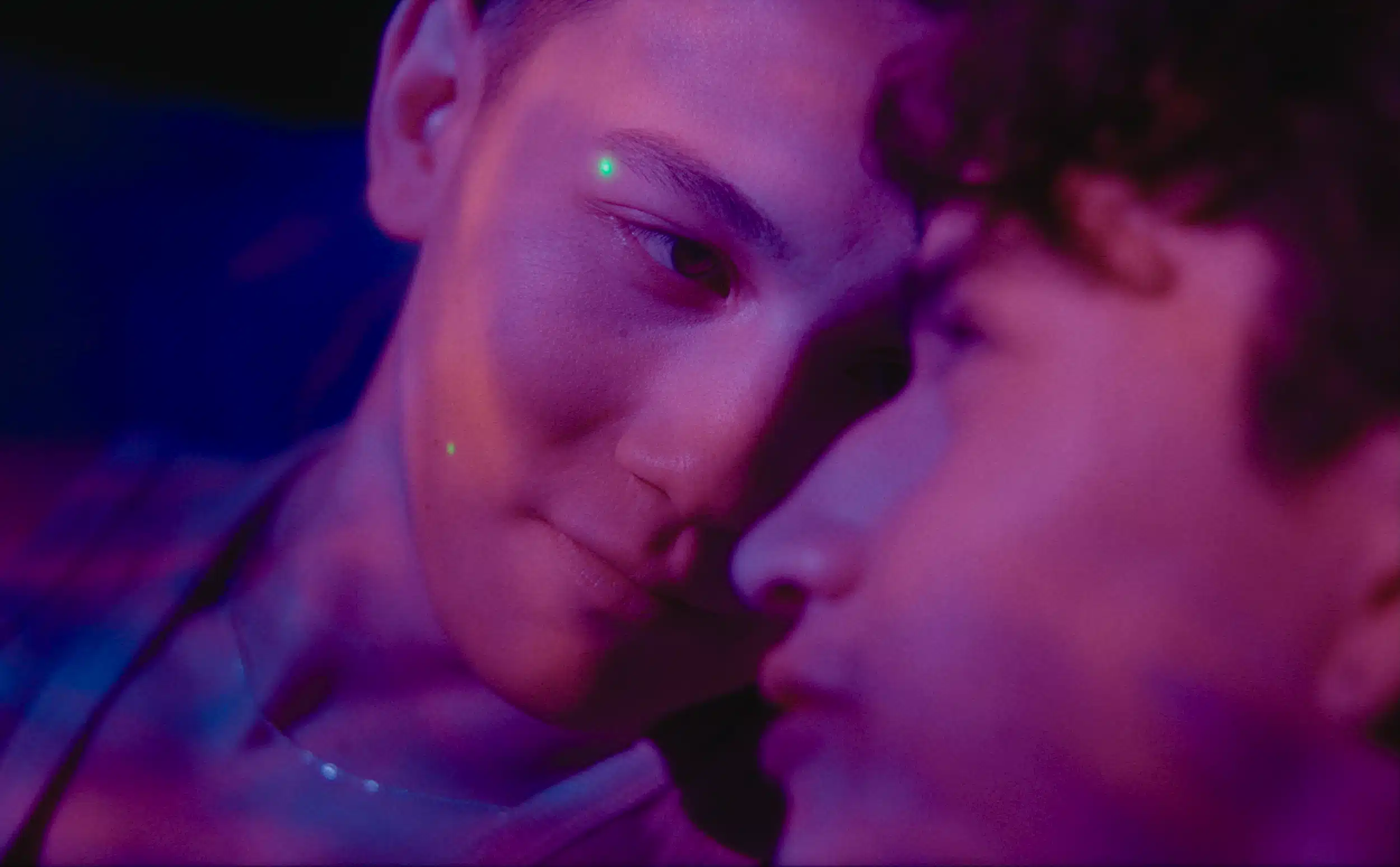
The film depicts a chance meeting at a launderette that leads to an intense emotional intimacy between two men. As they move closer, unspoken expectations begin to surface. The film examines the point where desire becomes a demand and how those demands can fracture a relationship before it even fully begins. Molly recently won Best LGBTQIA+ Aware Film at the Big Fridge International Film Festival. Its presence in the Queer East lineup highlights the festival’s interest in the quiet, domestic moments of queer life that often go unrecorded in larger commercial cinema.
A commitment to representation
The scale of Queer East is a response to a historical absence. For decades, Asian representation in Western cinema was relegated to caricatures or side characters. Queer Asian representation was almost non-existent.
The festival was established to challenge these norms. By bringing together filmmakers from Macau, Malaysia, Mongolia, and beyond, it creates a space where these artists are the center of the story, not the footnote. The support from the BFI and the National Lottery suggests a growing recognition of this work’s importance to the UK’s cultural identity.
Whether it is a 1961 Taiwanese curiosity like The Fantasy of Deer Warrior or a 2026 documentary about folk music in Thailand, the films in this year’s program share a common thread. They are all acts of reclamation. They reclaim history, they reclaim the body, and they reclaim the right to be seen in all their complexity.
Tickets for the 2026 Queer East Festival can be purchased through the official festival website.
View this post on Instagram