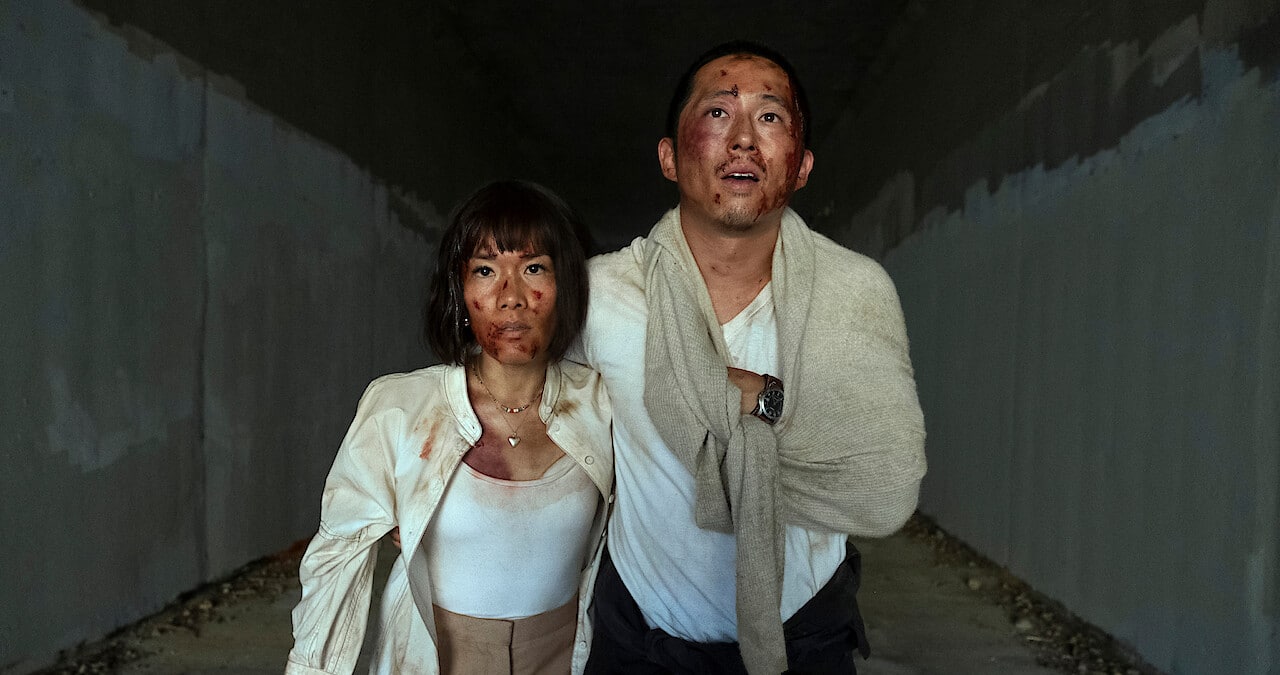
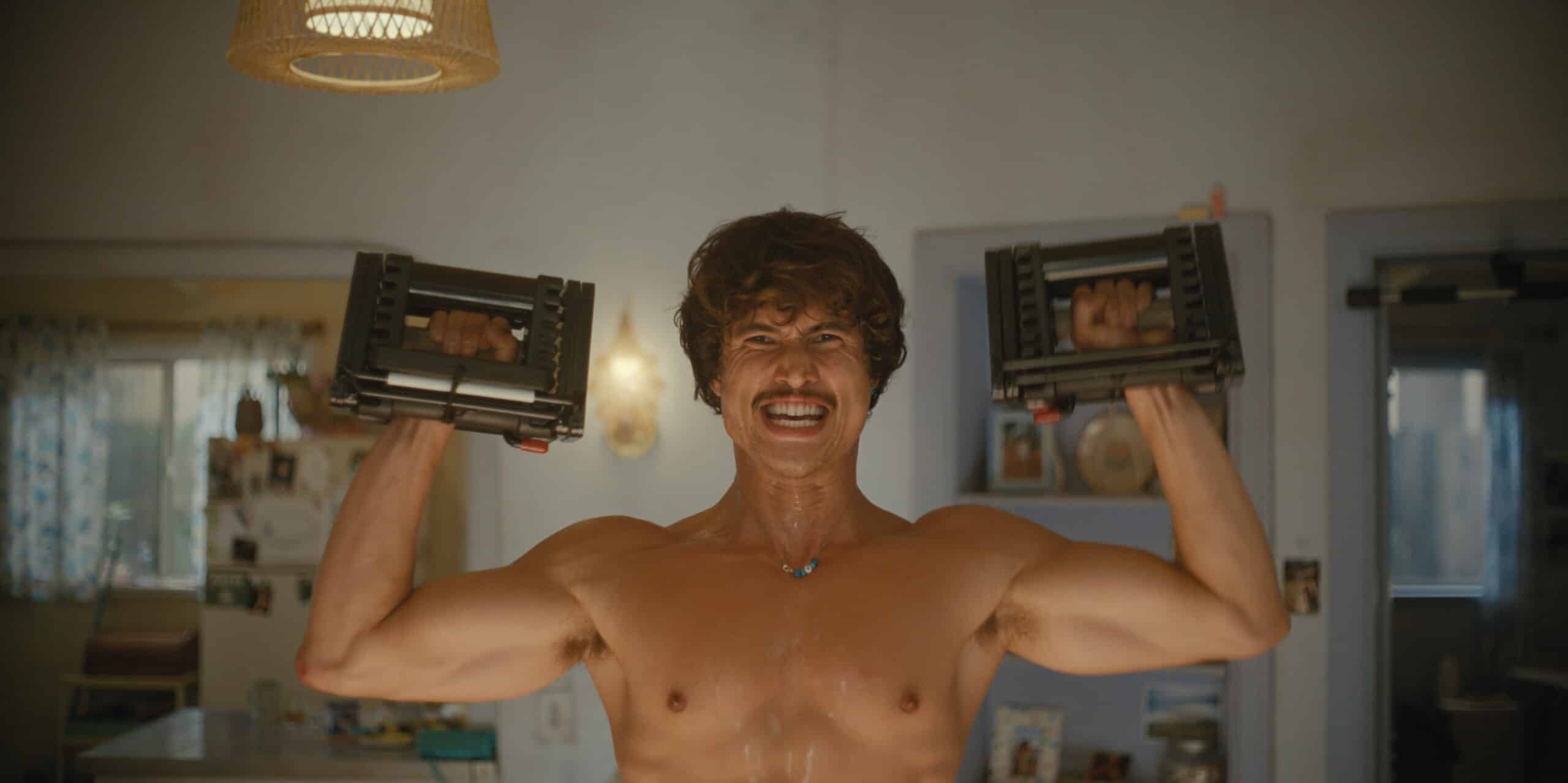
Charles Melton is an actor who seems to understand the weight of a mask. Born to a Korean mother and an American father, he has often moved between different worlds, a background that perhaps informs his portrayal of Austin in the second season of BEEF. In this new installment of the anthology series, the setting shifts from the grit of Los Angeles traffic to the manicured lawns of a country club in Ojai.
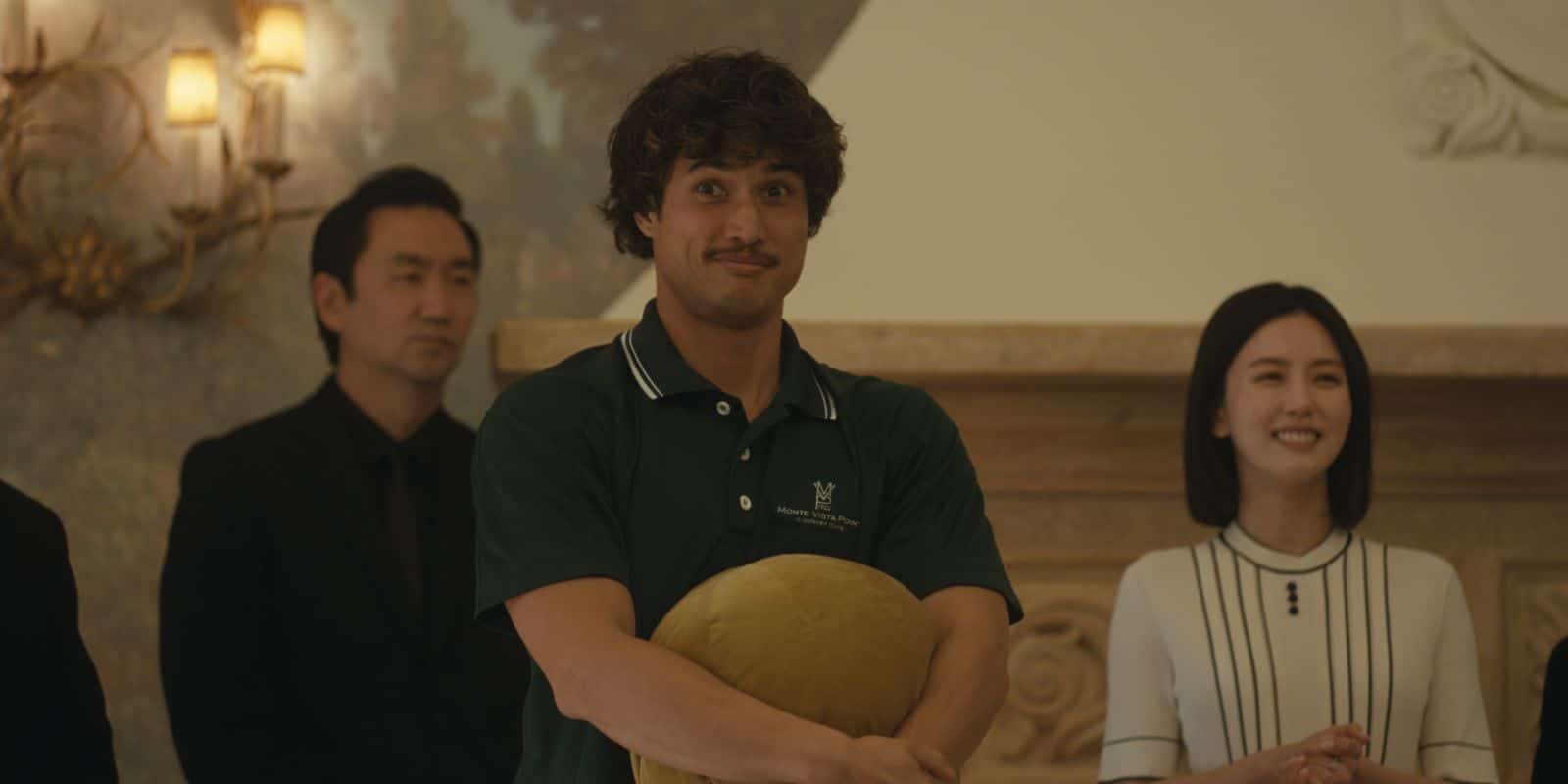
Melton plays a former football player, a role that feels adjacent to his own history as a college athlete. But the character is less about physical dominance and more about the internal cost of being a “people pleaser.” He describes Austin as a man whose identity is a performance.
“Part of Austin’s journey is discovering that his identity has been a mask,” Melton said. “He’s a former football player, really good with people, loves working out, and is always doing the good thing even if it’s not the right thing for him — he’s always thinking about others. That’s a mask that becomes pulled back throughout the season. Austin has a moral compass that’s guiding his choices, especially in a relationship. He’s walking this fine line of his own codependency and trying to do the right thing as he’s seeing different layers of his partner.”
The Reality of the Honeymoon Phase
The season explores the friction between two couples: the older, established Josh and Lindsay, played by Oscar Isaac and Carey Mulligan, and the younger, more idealistic Austin and Ashley, played by Cailee Spaeny. While the first season focused on a singular moment of rage, this season looks at the slow erosion of expectations within a relationship.
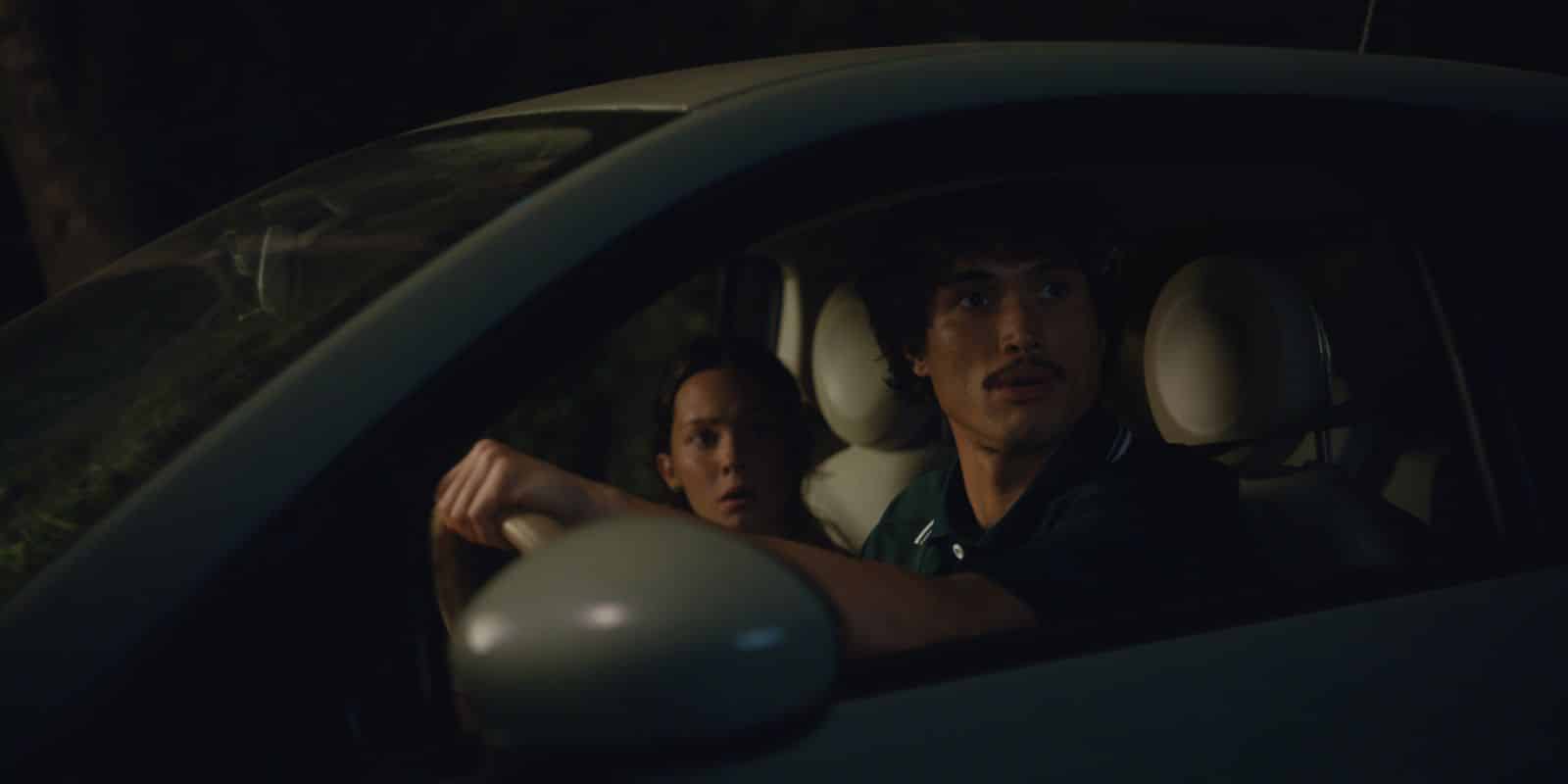
When we meet Austin and Ashley, they are deeply entwined. They are the kind of couple that thinks love is a sufficient safety net. Melton worked closely with Spaeny and creator Sonny Lee to build a history for them that felt grounded in that specific kind of youthful optimism.
Read more: The Road Rage That Broke the Internet: How Netflix’s ‘Beef’ Redefined Asian American Melodrama
“Cailee, Sonny, and I had a lot of conversations creating a backstory about where our characters were before and how they met,” Melton explained. “Like any honeymoon phase of a relationship, Austin and Ashley are genuinely in love. When there’s someone who you’re in love with, doing life with, and feel safe with, you feel like you can do anything. Ashley and Austin really have that, but the inciting incident of the season happens and brings out different parts of themselves that they haven’t yet seen with each other.”
A Cycle of Intergenerational Conflict
The show uses these relationships to talk about something larger than a simple argument. It looks at how different age groups view one another and the baggage they pass down. For Melton, the show captures a specific kind of human cycle where every generation believes they have the answers that the previous one lacked.
“We all want to be seen. Austin wants to be seen, be useful, and have purpose,” Melton said. “This season taps into complex versions of that and thematically focuses more on the feuding in relationships and having everything in life. But it’s also about tough life decisions as an adult. It’s a cycle. Every generation is entitled or thinks they’re superior to the next, or the one before. This intergenerational trauma in the pursuit of happiness is nothing new, and we see three generations of it play out in the show.”

Working on the set involved a high level of collaboration. Melton mentioned that he often listened to the score composed by Finneas O’Connell to stay in the right headspace. He also found a partner in Spaeny. The two actors grew so close that they began bringing their real-life discoveries into the show, including a bowl they found in Solvang that ended up as a prop in their characters’ apartment.
Melton’s performance relies on a certain level of vulnerability. He describes his co-star as a “better human” and a generous scene partner. “I’m always discovering new things with her in our scenes,” he said. That sense of discovery is what makes the show work. It moves past the satire of the rich and finds the uncomfortable, messy truths about how people try to hold onto each other when things go wrong.