In the mid-nineties, the name Yuen Woo-ping stood for a specific kind of cinematic gravity. It was a time when human bodies seemed to operate on a different set of physical laws. If you watched Iron Monkey or Tai Chi Master, you saw performers who didn’t leap so much as they stayed in the air through sheer force of will. Yuen later took those skills to Hollywood, teaching Keanu Reeves how to punch and Uma Thurman how to wield a katana. Now, at eighty years old, he has returned to the director’s chair for Blades of the Guardians. It is a film that attempts to reclaim the rugged spirit of the wuxia genre.
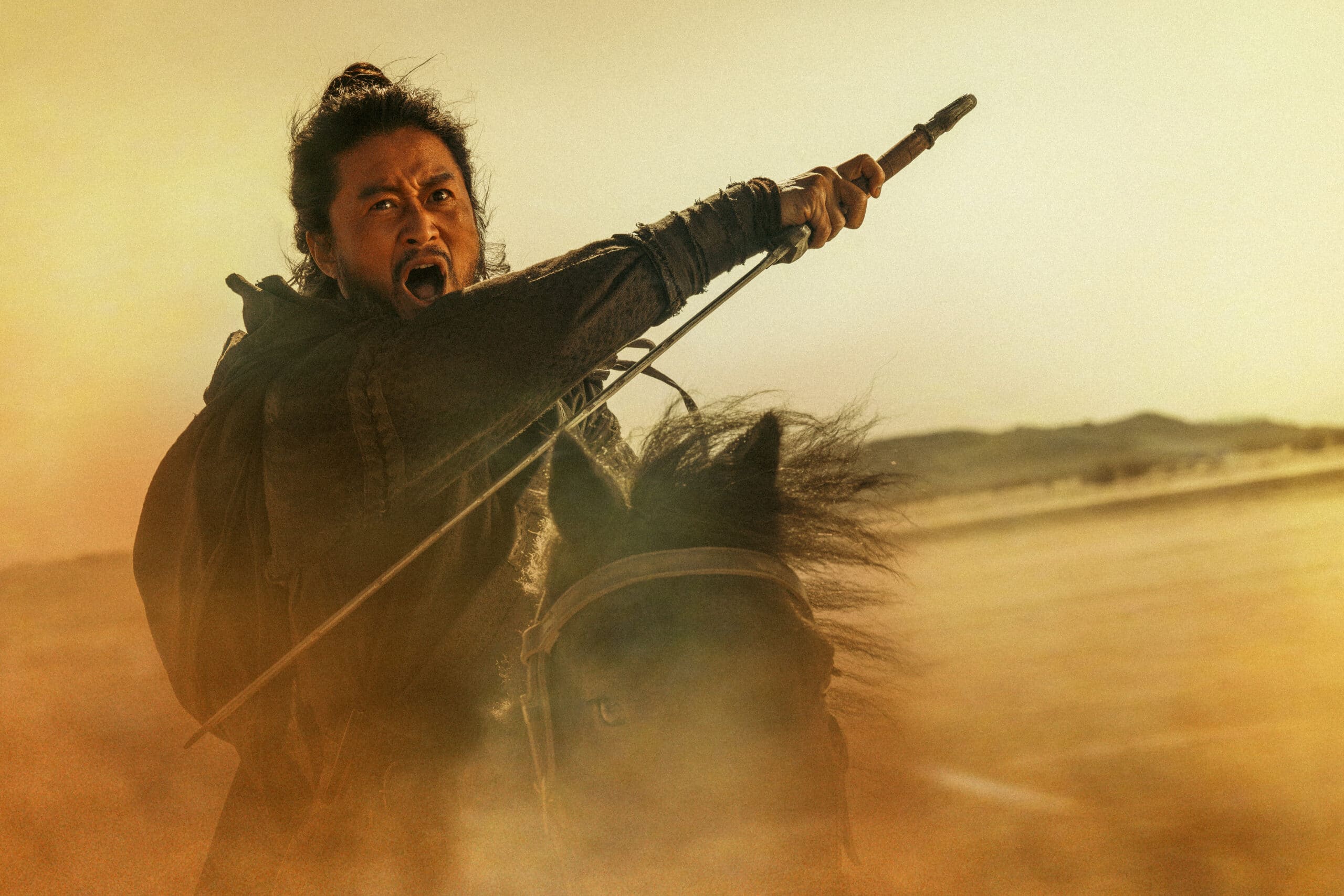
The story begins in the desert. We are in the final years of the Sui Dynasty, a period defined by the erratic rule of Emperor Yang Guang. Wu Jing plays Dao Ma, a bounty hunter who travels with a small child named Xiao Qi. He is a man of few words and many weapons. His life is a series of transactions until he accepts a job from an old friend, played by Tony Leung Ka-fai. The task is to transport a masked rebel leader, Zhi Shilang, across the Gobi Desert to the capital city of Chang’an.
The Return of the Master
For fans of martial arts cinema, the real draw here is the reunion of Yuen Woo-ping and Wu Jing. Yuen discovered Wu thirty years ago, and that history shows on screen. Wu Jing has spent the last decade playing nationalistic super-soldiers, but here he returns to the role of the wandering swordsman. He looks older and tired. His movements have a weight to them that feels more grounded than his earlier work. He carries the film with a quiet confidence.
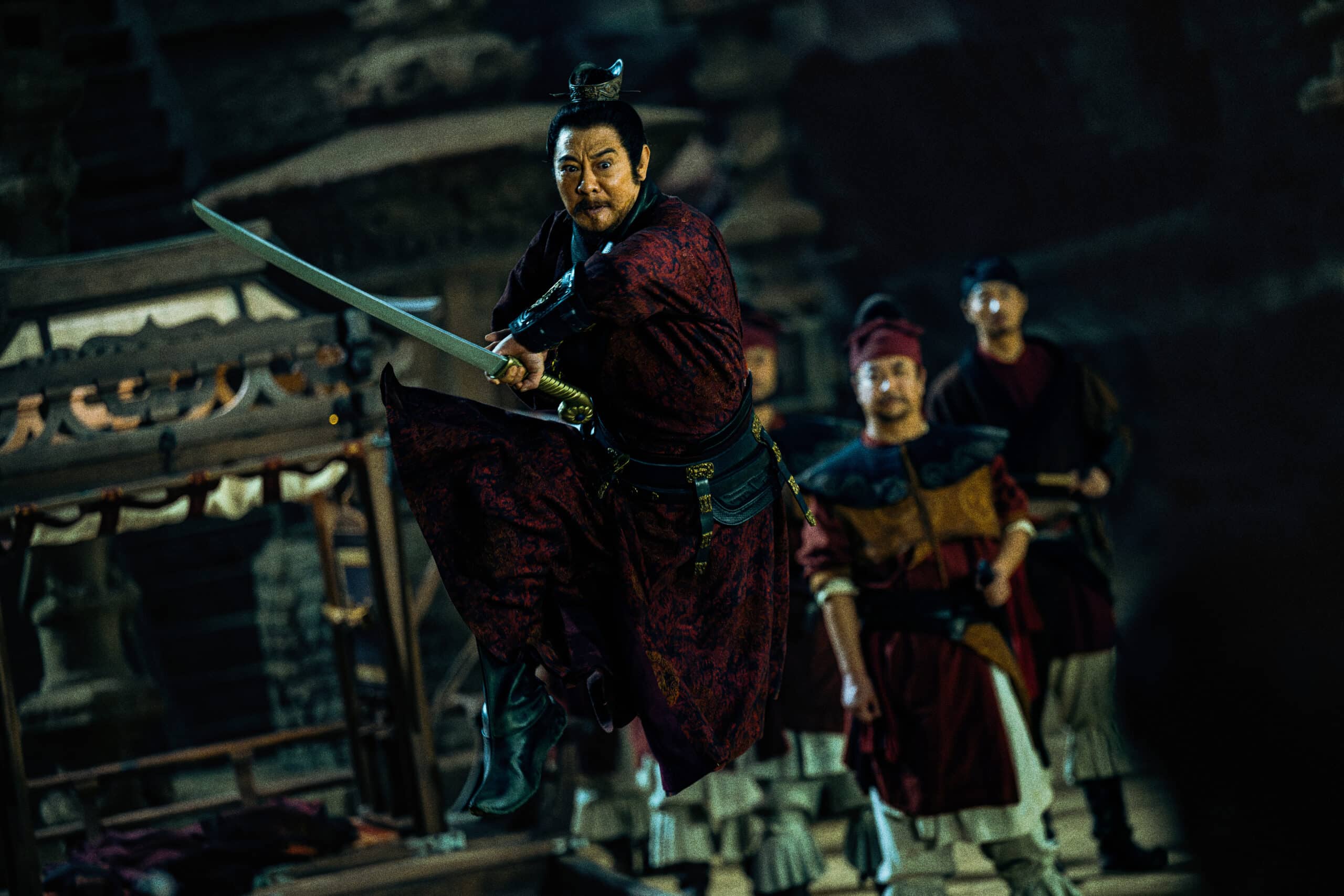
The cast is a collection of genre royalty. Nicholas Tse appears as a former comrade turned pursuer, bringing a sharp, cold energy to the screen. Jet Li also appears in a smaller role as a high-ranking official. Seeing Li and Wu Jing share a scene is a reminder of the era when Hong Kong action dominated the global imagination. Even in a limited capacity, Li has a screen presence that younger actors struggle to match.
Read more: Blades of the Guardians UK and Ireland Cinema Release Date Set for April 17
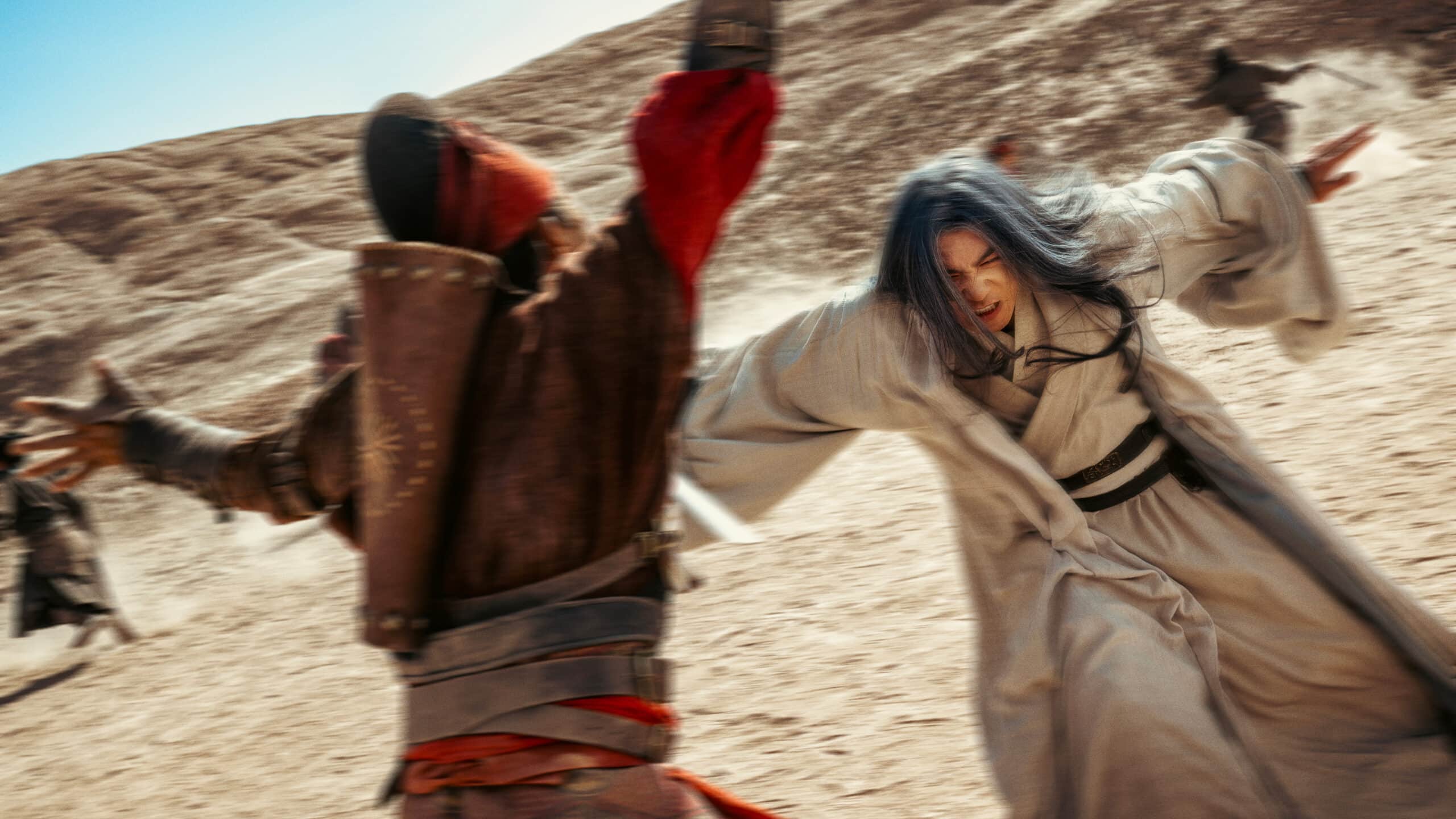
The action sequences are the reason this movie exists. Yuen Woo-ping does not use fights to pause the story. He uses them to tell it. There is a sequence set in an oil field where the lighting and the choreography create a sense of genuine danger. Characters use their surroundings in ways that feel clever rather than staged. One fighter drags a blade through the sand to ignite oil, turning a sword into a torch. It is a moment of visual wit that defines the best of Yuen’s work.
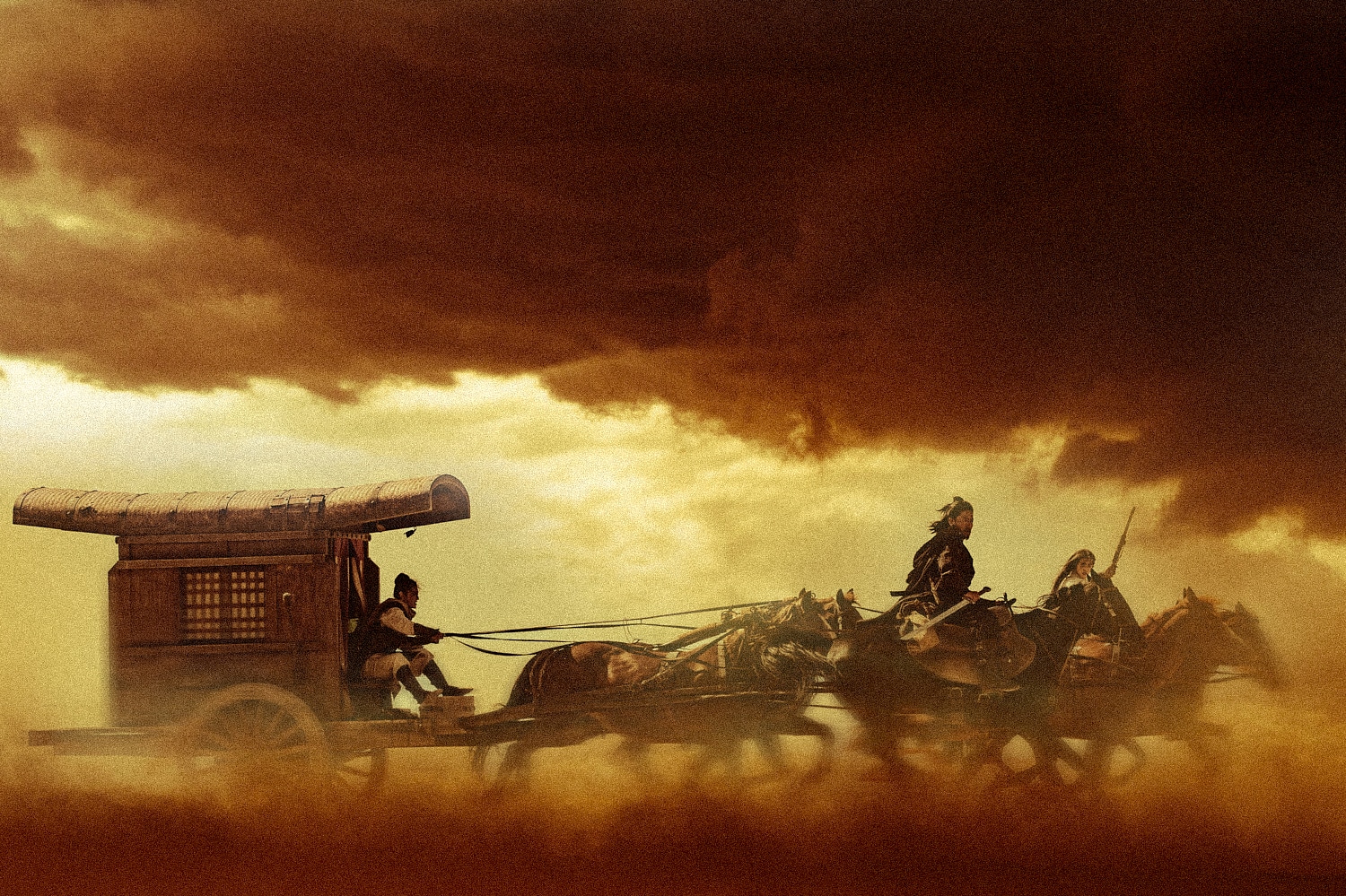
Then there is the sandstorm. In a sequence that clearly nods to Mad Max: Fury Road, the characters engage in a battle while being lashed by gale-force winds. Most modern action movies would turn this into a mess of digital blur. Yuen keeps the camera steady enough to let you see the technique. You see the struggle against the elements and the precision of the blade work. It is a surreal, dreamlike moment that stands out as one of the best things Yuen has filmed in twenty years.
A Digital Desert
The film is not without its flaws. The visual presentation is intensely digital. Modern filmmaking often favors a high-definition clarity that can feel sterile. In a story about the desert, you expect to feel the grit and the heat. Instead, the images are often too bright and too clean. The lighting in several scenes feels flat, which makes the elaborate sets look like what they are: movie sets.
The plot is also quite heavy. It is based on a manhua by Xianzhe Xu, and you can feel the weight of the source material. New characters and factions appear every fifteen minutes. Each one arrives with a title card and a backstory that the movie doesn’t always have time to explore. This leads to a feeling of “table-setting” for a franchise. The movie spends a lot of time preparing for a journey to Chang’an that we might not see until a sequel.
Read more: Netflix And iQIYI Release ‘Pursuit of Jade’ Starring Zhang Linghe And Tian Xiwei
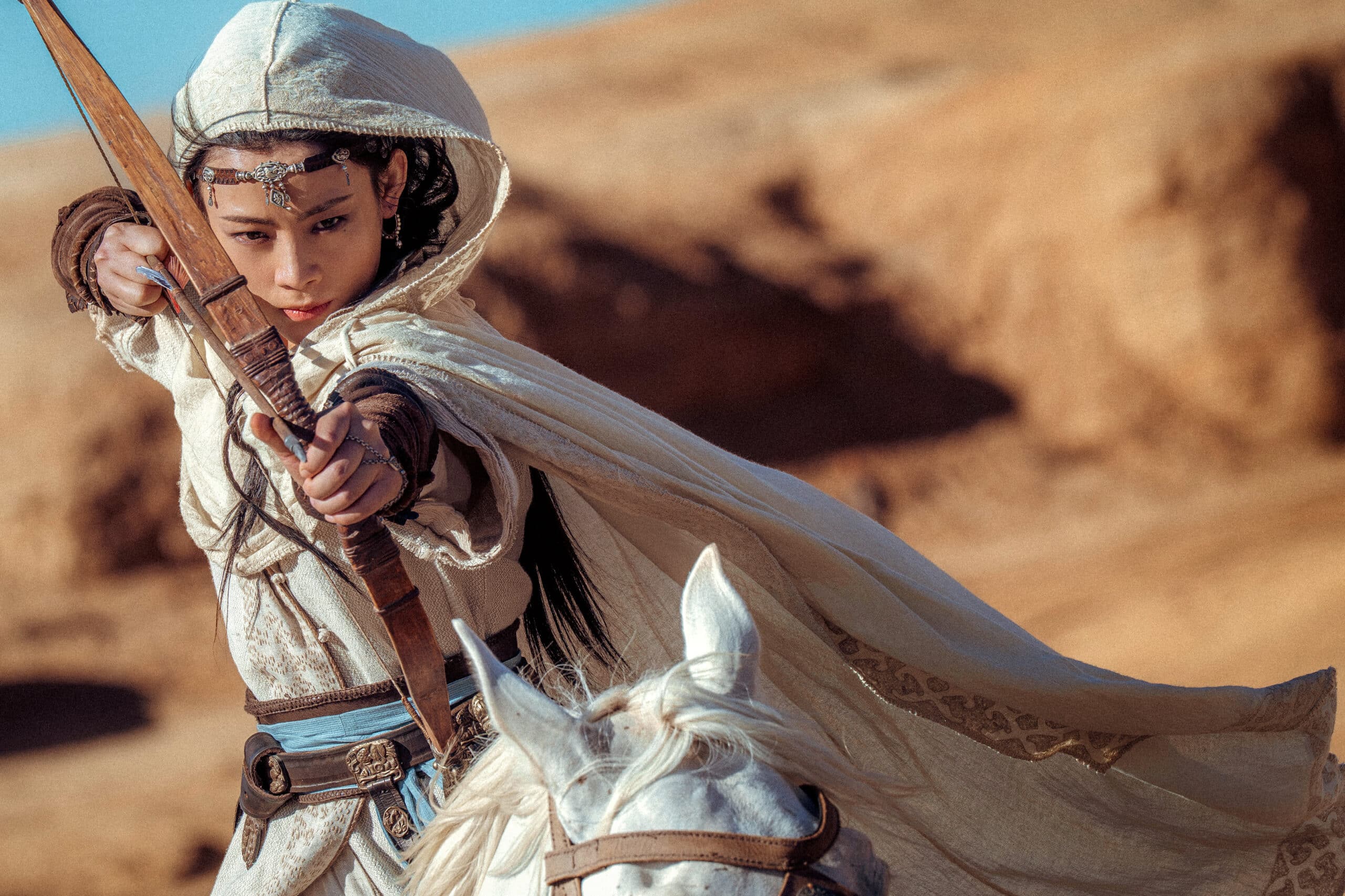
Beyond the politics and the desert chases, the film works as a celebration of the genre. There is a sense of legacy here. You have the veterans like Tony Leung Ka-fai and Jet Li acting alongside younger stars like Chen Lijun and Yu Shi. Chen, a Yue opera actress, is particularly effective as a warrior daughter seeking her own path. She handles the choreography with a grace that suggests a bright future in action cinema.
The film makes a choice to stay away from the supernatural. There are no monsters or magic spells here. The stakes are human. People fight for money, for family, or for a vague idea of a better government. This choice makes the violence feel more impactful. When someone gets hit, they stay down. When a blade connects, the results are messy. It is a violent film, but the violence serves a purpose. It establishes the harshness of the world Dao Ma inhabits.
Final Thoughts
Blades of the Guardians proves that Yuen Woo-ping still has the ability to surprise an audience. He has managed to take a dense comic book and turn it into a fast-paced chase movie. The film is at its best when it stops talking and starts moving. While the digital look of the film might be distracting for some, the quality of the movement is undeniable.
This is a movie for people who miss the era of the physical stunt. It is a movie for people who want to see legends return to the screen one more time. It does not reinvent the wheel, but it spins it with more skill than almost anything else in the current market. If this is the start of a new series, the foundation is strong. The road to Chang’an is a long one, but this first step is worth taking.
Blades of the Guardians in cinemas across the UK and Ireland starting April 17.