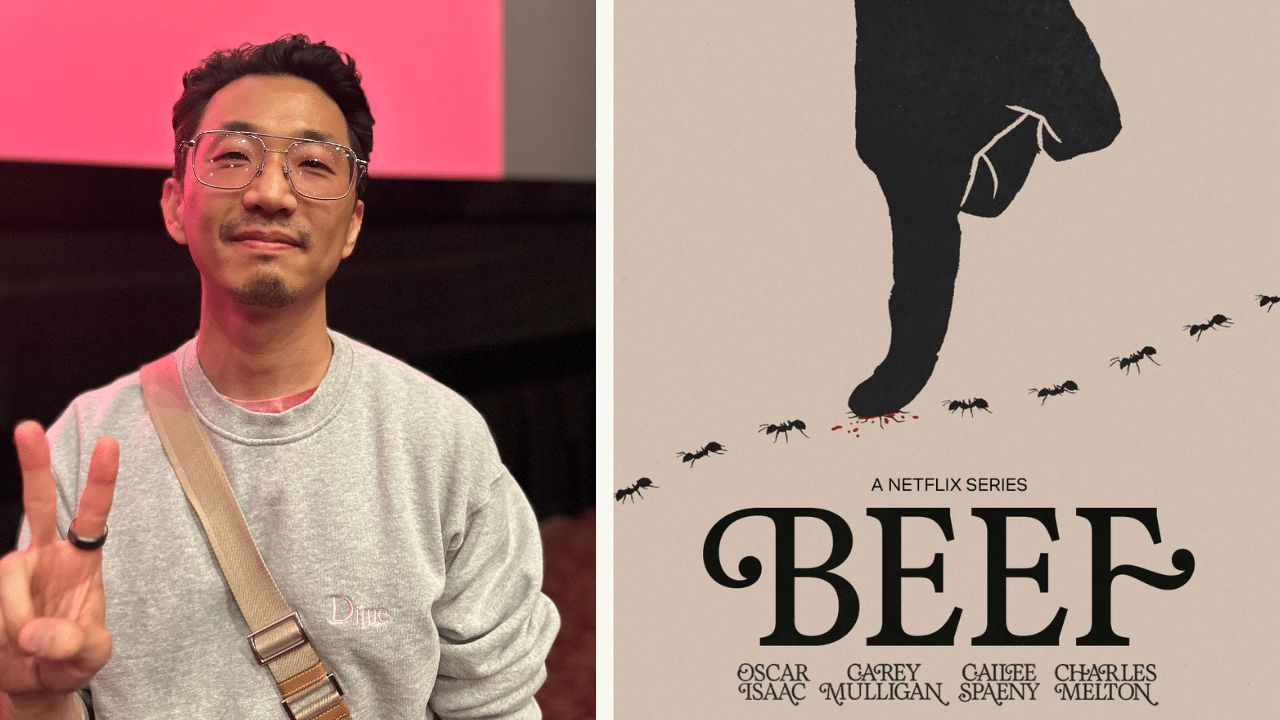
Success in Hollywood often breeds caution. After a show sweeps the awards circuit and enters the cultural lexicon, the natural instinct for many creators is to stay safe and repeat the formula. But Lee Sung Jin is not interested in safety. For the second season of BEEF, he has traded the road rage of Amy and Danny for a sharp, generational dissection of power and resentment set within the lush, manicured grounds of an Ojai country club.
The creator describes the transition as his “sophomore album” moment. Speaking with us at Resonate, Lee compared the show’s evolution to a legendary shift in music history. “Radiohead’s the band’s OK Computer remains the greatest album jump probably in history,” he said. “That was a North Star for us is how do we take big swings while still retaining the DNA of what people love about BEEF.”
Read more: The Road Rage That Broke the Internet: How Netflix’s ‘Beef’ Redefined Asian American Melodrama
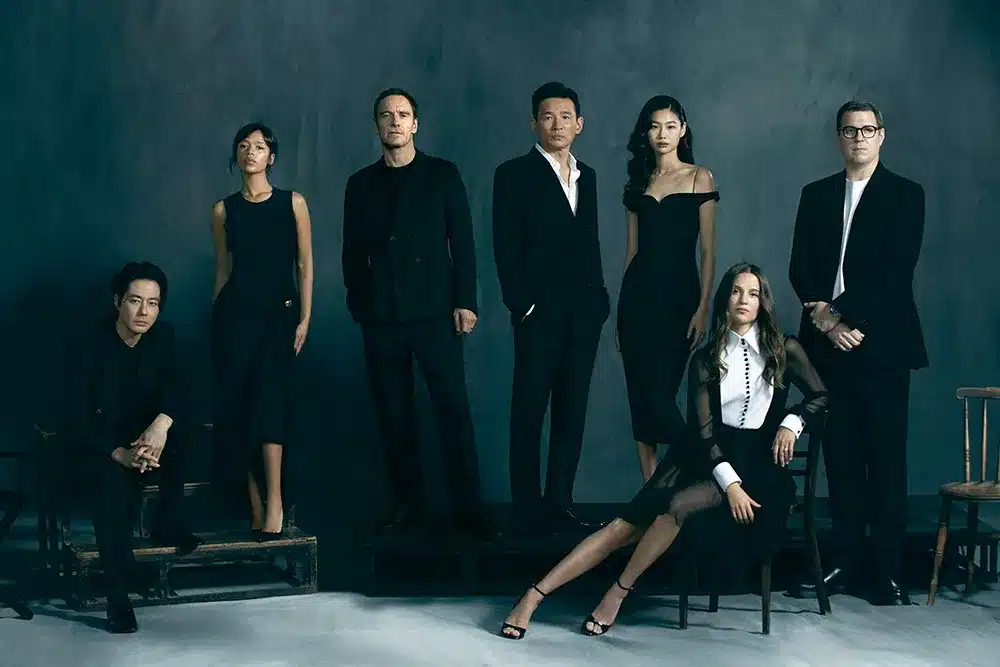
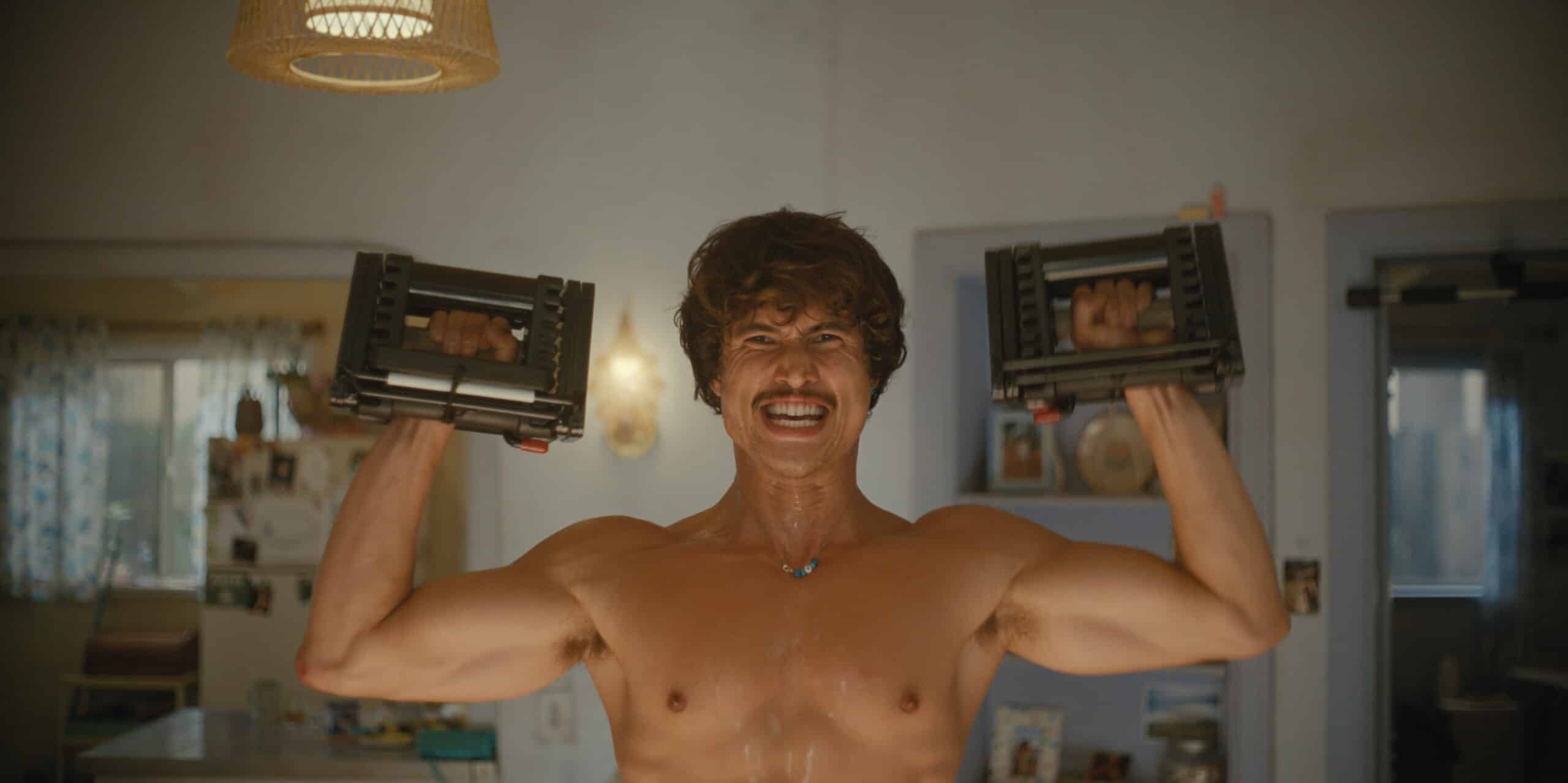
This time, the “big swings” involve an elite cast led by Oscar Isaac and Carey Mulligan as Josh and Lindsay, a millennial couple whose marriage is a “constant work in progress”. They are pitted against a Gen Z couple, Austin and Ashley, played by Charles Melton and Cailee Spaeny. The conflict is no longer just about a car park dispute. It is about the systems that keep us in place.
The Allure of Power
The shift in setting was inspired by Lee’s own experiences after the first season’s success. He found himself being “wined and dined” by elite Korean CEOs and celebrities. This world of conglomerates and “texture and nuanced allure” provided the backdrop for the show’s new power structure.
At the top of this hierarchy is Chairwoman Park, played by Youn Yuh-jung, and her husband, Dr. Kim, played by Song Kang-ho. Getting these two icons of Korean cinema—whom Lee calls “royalty”—required a bit of behind-the-scenes maneuvering. While Youn Yuh-jung signed on quickly, Song Kang-ho was initially hesitant.
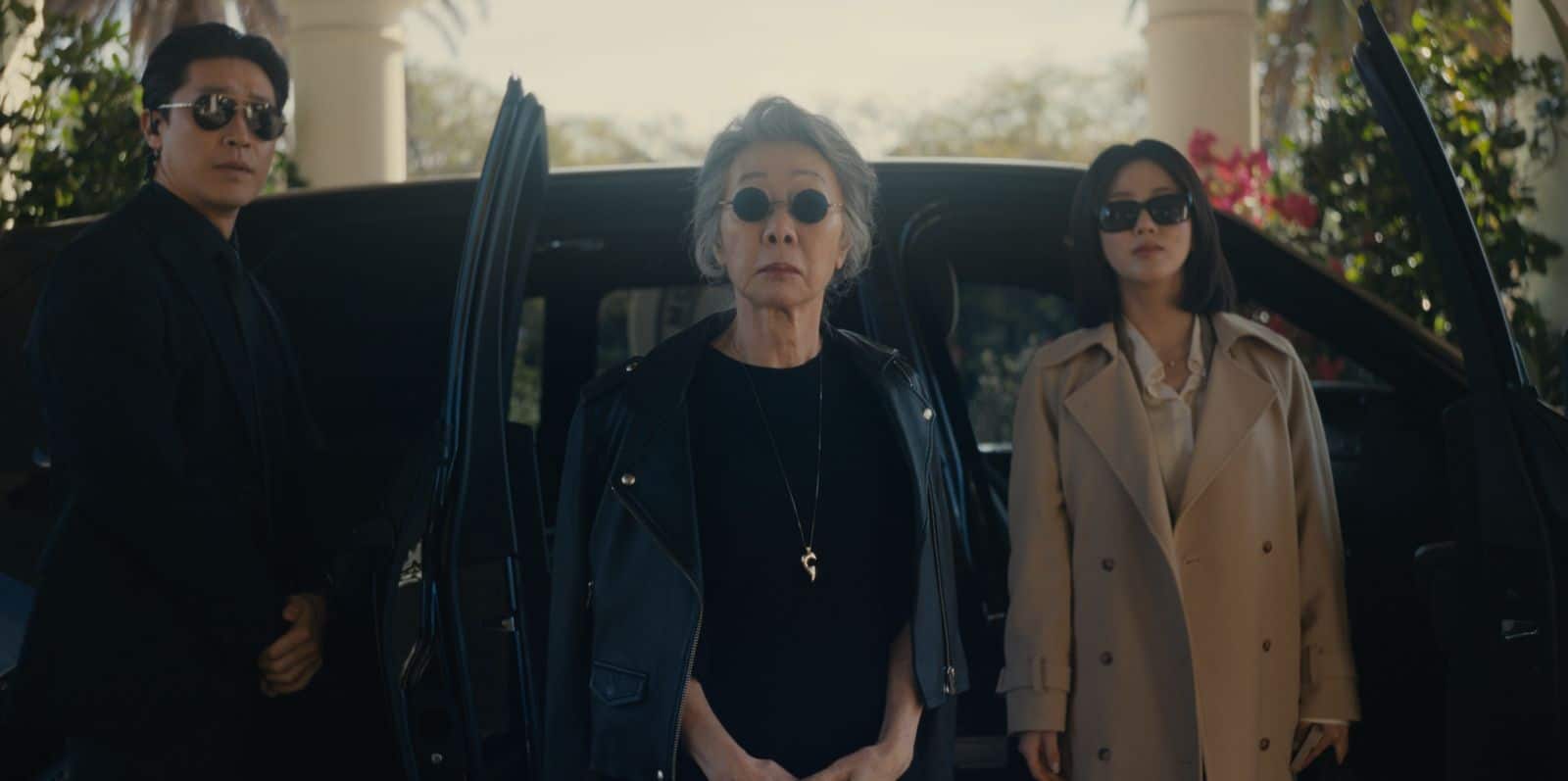
“He just flat out was like, I don’t think I can play this character. I don’t know how to figure this character out,” Lee recalled. It took a direct call from Youn Yuh-jung to seal the deal. She told him, “You’re Song Kang-ho. You’re the greatest actor alive. What are you talking about here that you don’t know how to figure out a part? You’ll figure it out and you’ll make it great.”
The presence of such legends on set had Lee feeling like “a little kid,” particularly when Director Bong Joon-ho made a surprise appearance at the monitor to watch them work together for the first time.
The Half-Asian Experience
One of the most striking additions to the show is the character of Austin, who is half-Korean. Lee and his writers room, which includes several half-Asian members, wanted to explore an “identity tug of war” that rarely gets screen time.
Lee shared a thought experiment from writer Alex Russell that shaped the character’s psychology: “If he were to marry someone full Korean and they had a baby, and then that baby also married a full Korean and had another baby, and that continued for the rest of the time, that his line will never get back to 100%.”
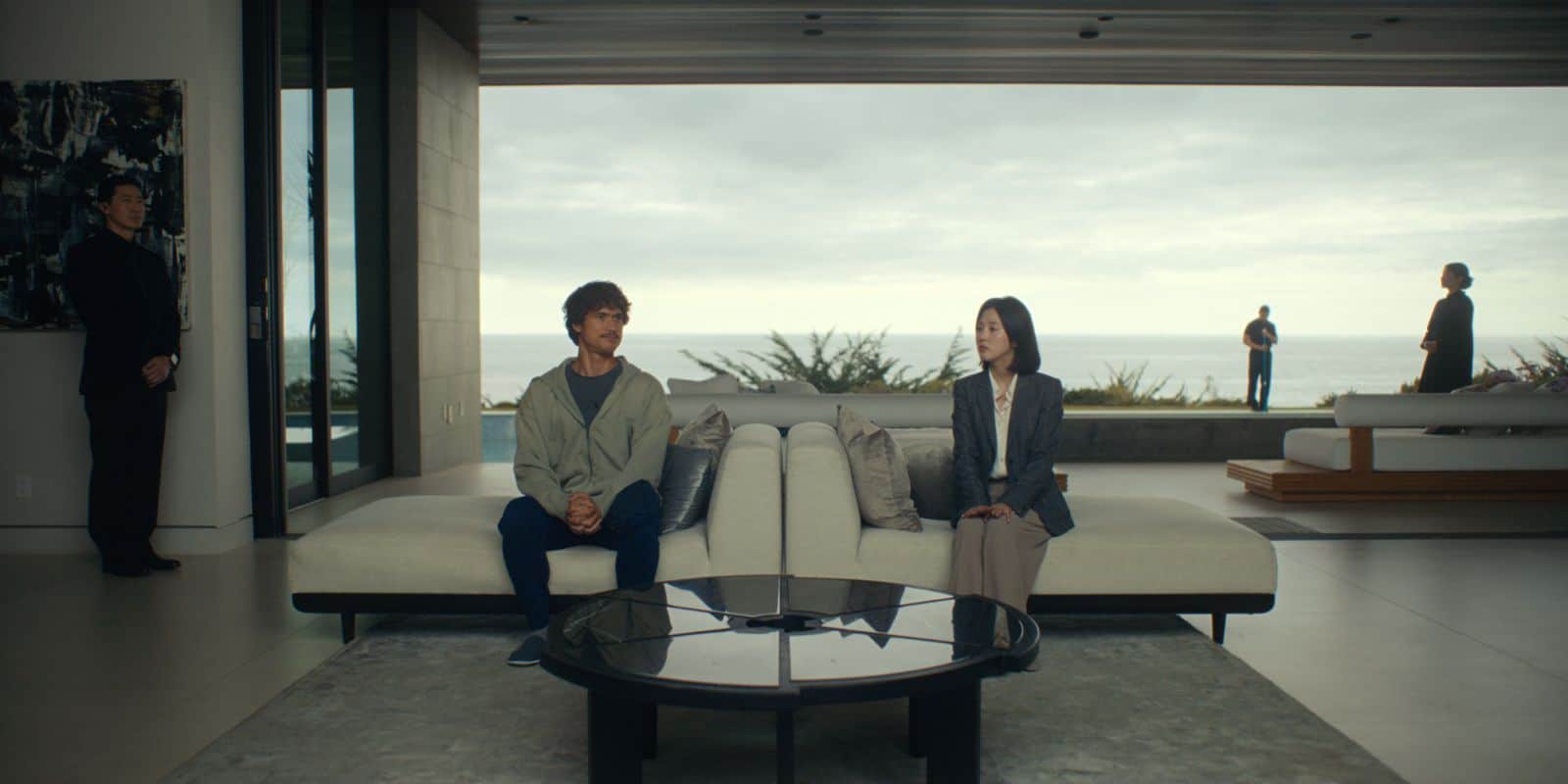
This existential dread manifests in the show through subtle, visual cues, such as Austin watching half-and-half milk swirl into black coffee—a metaphor for his anxiety about his own lineage as he prepares to become a father with his white fiancée.
Opening the Box of Anger
While the show is famous for its explosive moments, Lee views anger as a secondary symptom rather than the core issue. He cites a line from the first season: “Anger is just a transitory state of consciousness.”
“From what I’ve read in psychology, they say that anger is not a root emotion. It’s actually something that usually sits on top of something else,” Lee explains. “Anger is the wrapping paper and you gotta open that box to see what actually is going on inside.”
In Season 2, that “box” is filled with the pressures of capitalism. Lee argues that each generation enters the world with high ideals, only to watch them “crumble” as financial stresses and the need to “grab the bag” take over. The country club setting serves as a microcosm where this struggle is most visible. Gen Z and millennial employees work themselves to the bone propping up a system they can never truly join.
Ripped From the Headlines of Life
Despite the high-concept themes and the involvement of global superstars, BEEF remains rooted in Lee’s personal reality. One of the most intense episodes of the season was written in a single day following a “harrowing experience” at a Los Angeles emergency room.
“I was there for 10 plus hours. And literally, to me, that episode is like almost a documentary,” Lee said. It is this commitment to raw, lived experience that prevents the show from becoming a mere satire. It feels real because the frustration is real.
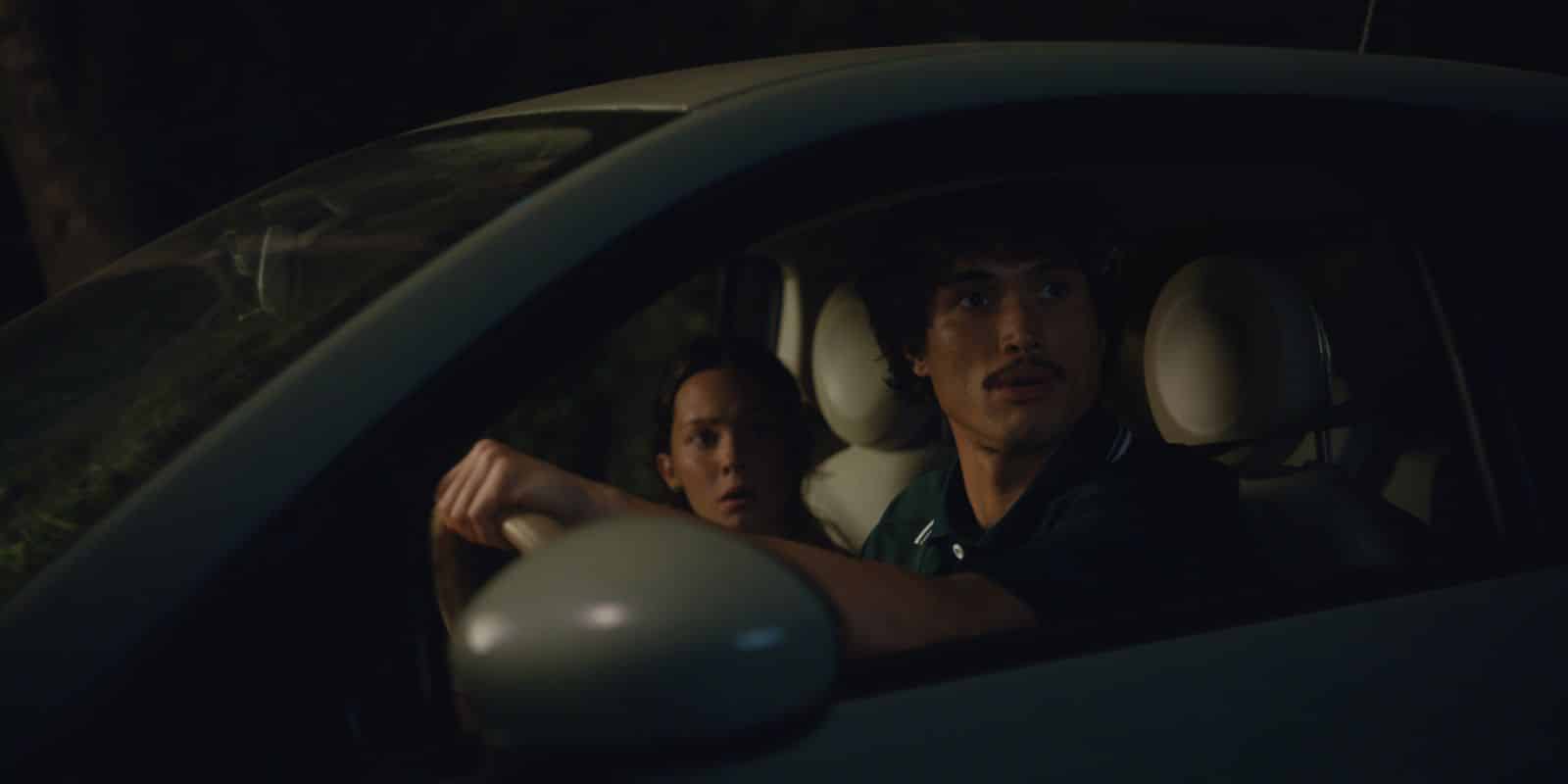
The season ends on a note of “Samsara”—the Buddhist and Hindu concept of eternal repetition. It is a reflection on the cycles of life, death, love, and suffering that we are all trapped in. Whether you view the conclusion as a tragedy or an act of acceptance depends on your own headspace.
Lee Sung Jin has managed to take the “sophomore album” swing and hit a home run. By moving away from the overt aggression of the first season toward a more passive-aggressive, workplace-centric “beef,” he has created something that resonates with the exhaustion of the modern era. It is a show about the masks we wear and the moments they finally slip.
BEEF Season 2 releases globally on Netflix on April 16, 2026.