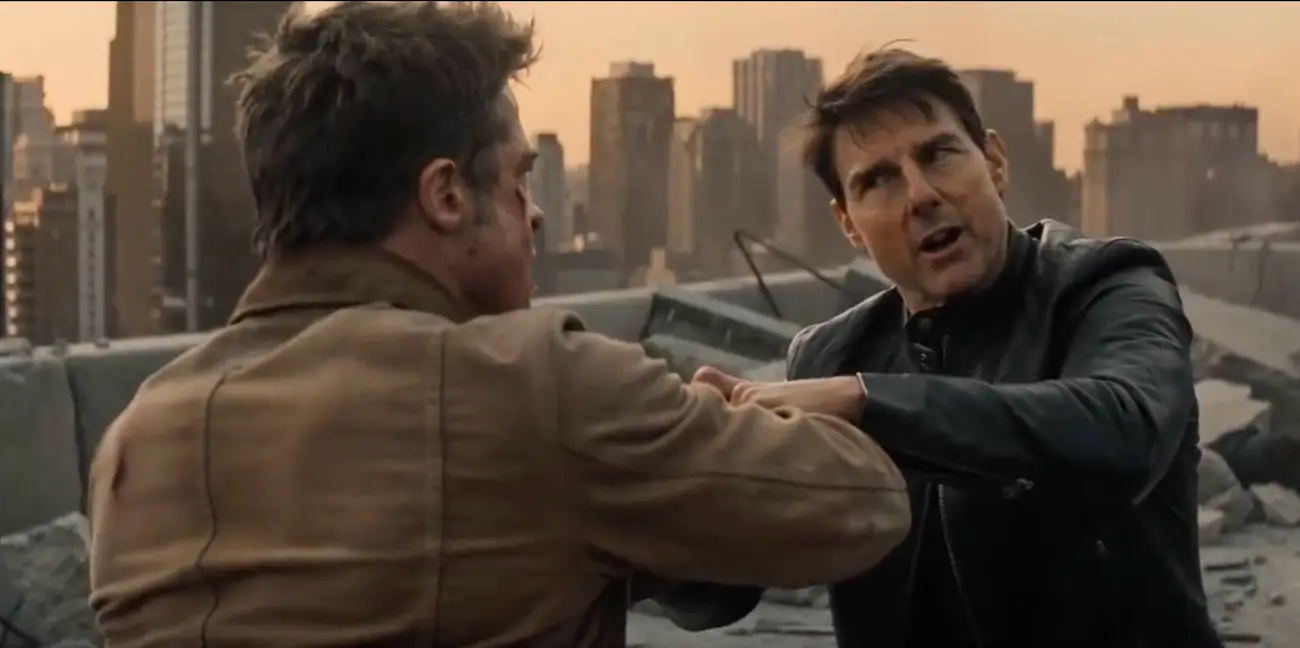

John Allen Chau was twenty-six when he decided to visit North Sentinel Island. You probably remember the news reports from 2018. The island sits in the Bay of Bengal and is home to a tribe that has lived without outside contact for thousands of years. It is illegal to go there. The Indian government keeps people away to protect the islanders from diseases. But Chau believed he had a job to do. He wanted to bring Christianity to the Sentinelese. He paid fishermen to take him close, then paddled a kayak the rest of the way. He did not come back.
Read more: Sky Yang Interview: The South London Actor Who Hitchhiked Across Oklahoma to Play John Allen Chau
Justin Lin is the man behind this film. People know him for the “Fast & Furious” movies and “Star Trek Beyond.” This is a different pace for him. He returns to the independent style of his early work like “Better Luck Tomorrow.” He tries to show who Chau was without shouting at the audience.

Strong lead performances
Sky Yang (Rebel Moon) carries the weight of the film as John. He brings a wide-eyed enthusiasm to the role that makes you understand how a person could be so single-minded. He shows a physical transformation as the story progresses. He moves from a soft-featured student to a hardened, bearded traveller. It is a difficult job to play someone whose motivations are so internal, but Yang makes John feel like a living person rather than a caricature of a zealot.
Ken Leung is equally impressive as Patrick, John’s father. He plays a man who is watching his son drift away into a world he cannot reach. Leung uses small gestures and quiet moments to show a deep, aching worry. He portrays the conflict of an immigrant father who wants a stable life for his child while dealing with the reality of his son’s radical choices. His performance provides the emotional ground for the film. When the script feels thin, Leung’s face tells the story of a parent’s grief.

A split perspective
The film does not follow a straight line. It moves between different times. We see Chau’s childhood and his years at Oral Roberts University. Yang plays John with a quiet energy. He looks like a young man who is convinced he is a hero in an adventure novel. He spends time in training camps that look like military boot camps for missionaries. He meets other zealots who want to go to dangerous places like North Korea.
Read more: Justin Lin Film Last Days UK Premiere and Sky Yang Q&A at BFI Southbank
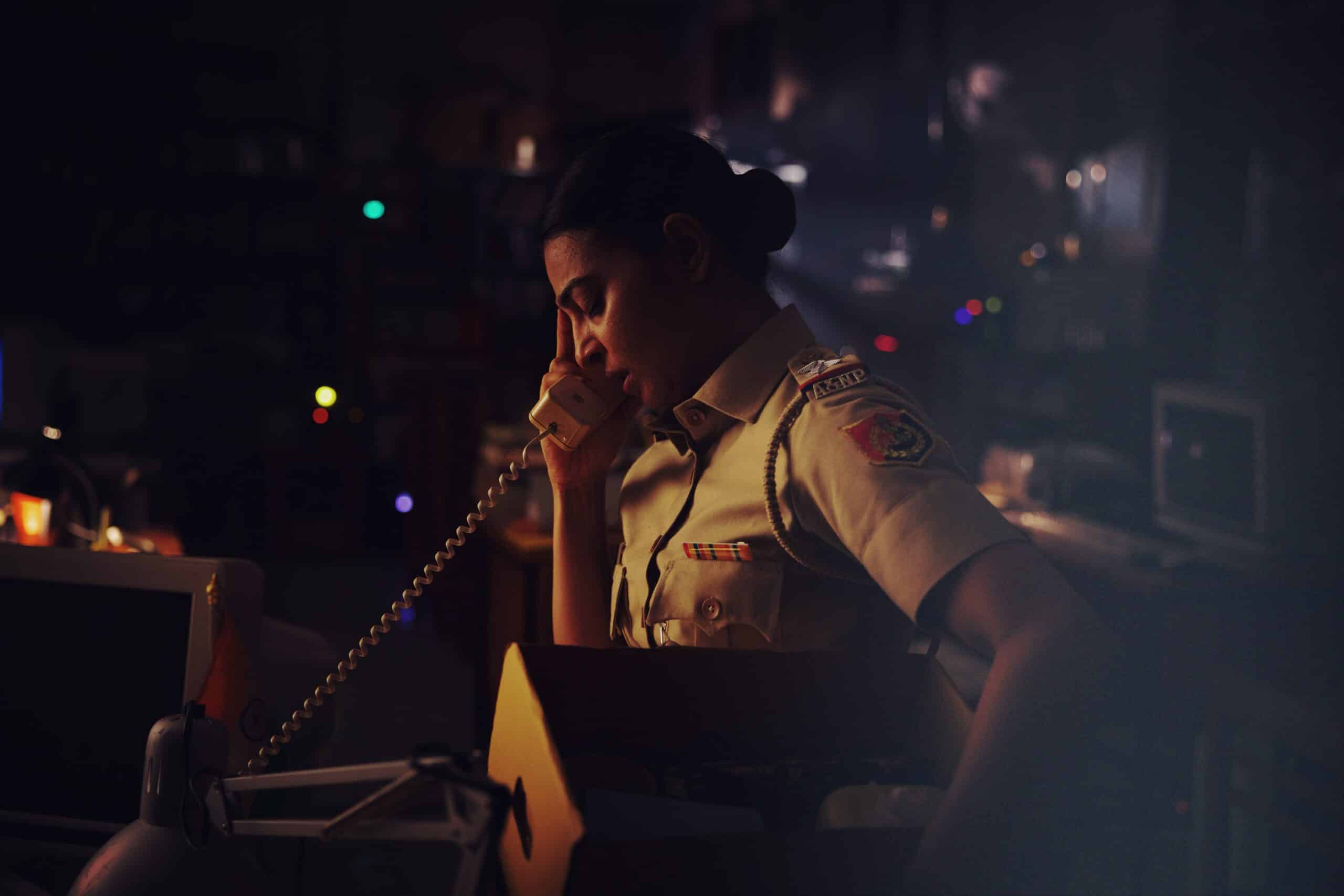
There is also a fictional side to the story. Radhika Apte plays an Indian police inspector named Meera. She finds out what John is planning and tries to stop him. She argues with her boss, played by Naveen Andrews. This part of the film feels like a police thriller. It adds a clock to the story. It gives a voice to the people who think John’s mission is a bad idea. Meera worries that John will bring germs that could kill the entire tribe.
The relationship between Patrick and John is the heart of the movie. Patrick is a doctor who joined a church to fit into his community, but he does not share his son’s extreme views. He wants John to go to medical school. The film suggests that John’s drive came from a need to find a purpose that his father didn’t understand.
There is a painting of a ship in a storm that appears often. It represents the wanderlust that John feels. The film uses this to explain why he keeps going even when things get scary. These scenes are intended to show the root of John’s obsession.
What the film leaves behind
There is already a documentary about John Allen Chau called “The Mission.” It uses his actual letters and diary entries. Lin’s film is different because it tries to imagine the moments between the letters. It uses wide shots of the ocean and close-up shots of Yang’s face to create a specific mood.
But the film has some problems. The police investigation takes up a lot of space. It feels like it belongs in a different movie. While Apte is a great actor, her character’s journey does not always help us understand John. The film ends up feeling like two stories fighting for your attention.
In the end, you are left with a lot of questions. Was John a martyr or was he just a confused young man? The film doesn’t tell you what to think. It shows a boy who wanted to be a saint and a father who just wanted his son to stay home. It is a sad story that Lin tells with a lot of style, even if it doesn’t always find the answers it is looking for.