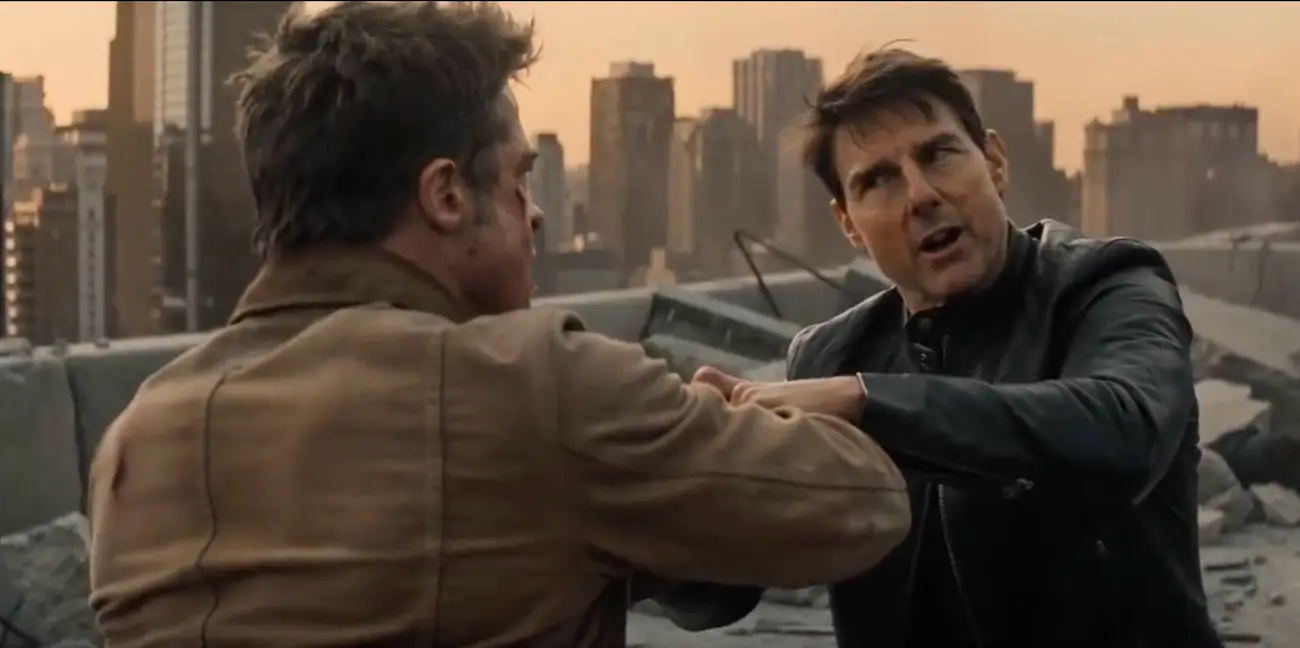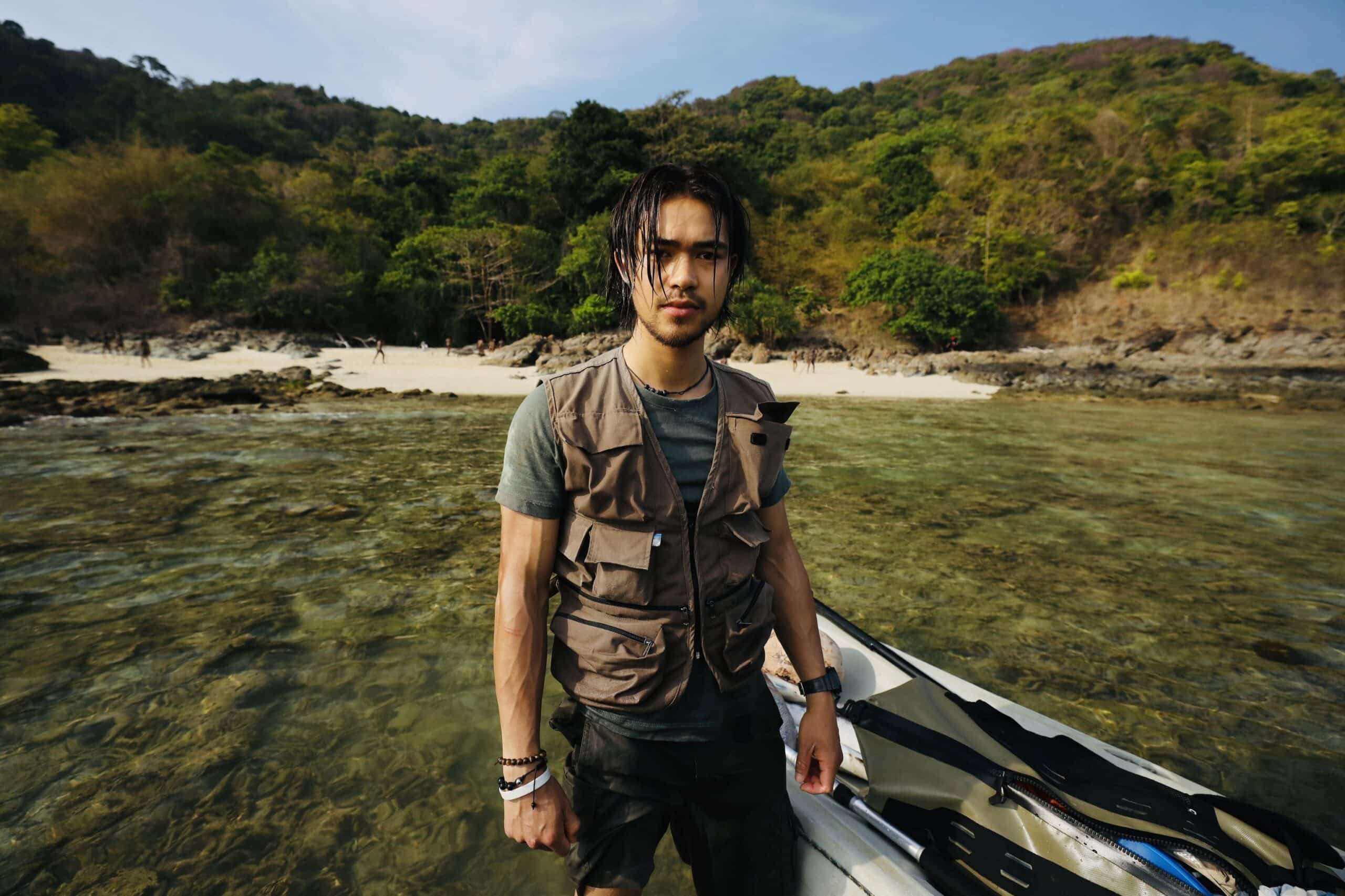

The story of John Allen Chau is a difficult one to pin down. In 2018, the twenty-six-year-old American missionary travelled to North Sentinel Island, a restricted speck in the Andaman Sea. He wanted to convert the Sentinelese, a tribe that has famously rejected the outside world for centuries. He did not come back. His death by arrows made him a global punchbag for some and a saint for others. At the BFI Southbank this month, MilkTea organised a screening for the UK premiere of Last Days that attempted to find a middle ground.
Read more: Sky Yang Interview: The South London Actor Who Hitchhiked Across Oklahoma to Play John Allen Chau
Justin Lin, known for the high-octane Fast & Furious sequels, directed the film. It is a sharp departure for him. He moved from street racing to a quiet, often painful study of a boy looking for a reason to exist. The film follows John, played by Sky Yang, through his training in Oklahoma and his final days in the Bay of Bengal. It also introduces a fictional Indian police inspector, Meera Ganali, played by Radhika Apte, who tries to stop him.
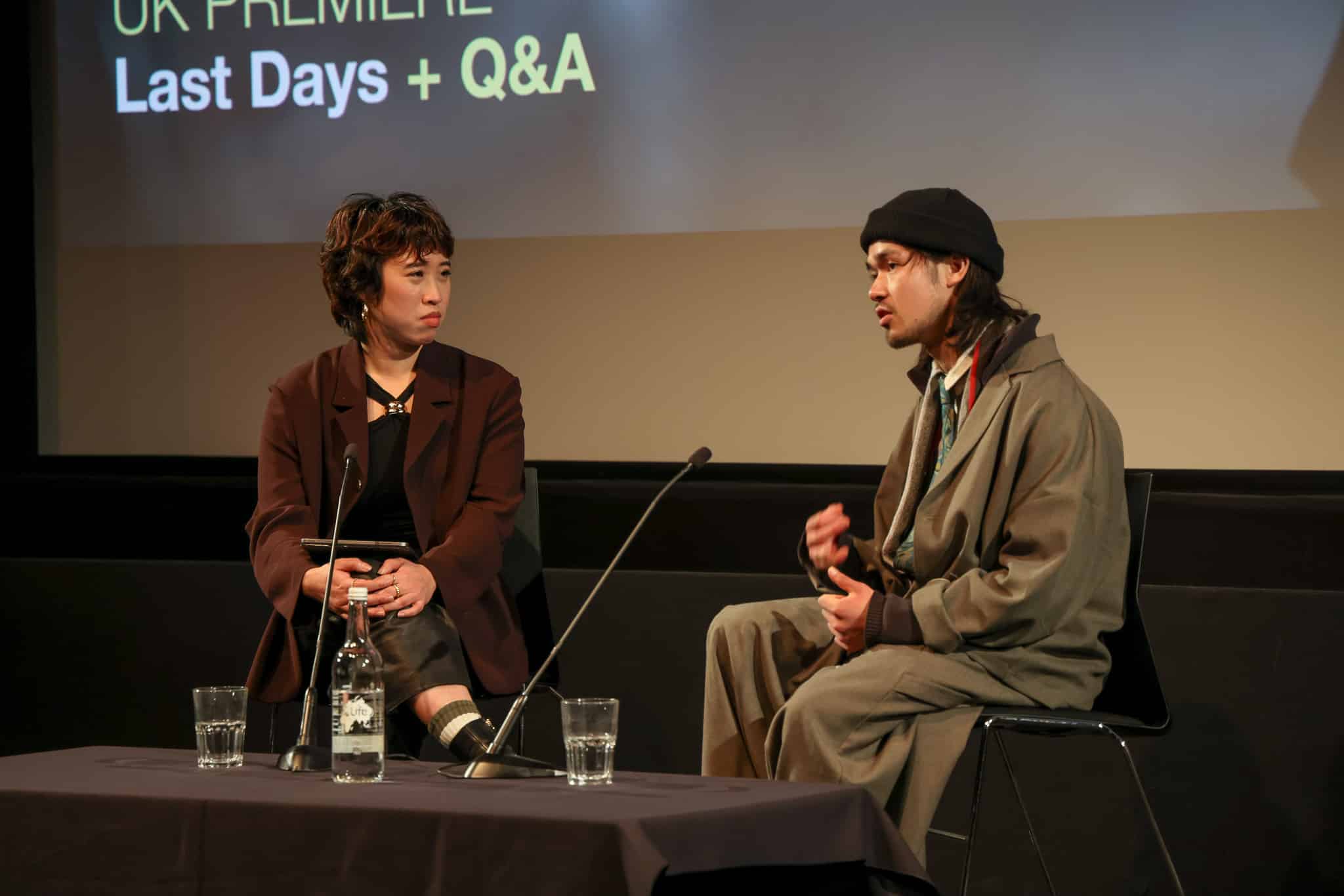
During a Q&A after the screening, Sky Yang spoke about his own resistance to the character. He admitted that he began the process with the same cynicism many viewers felt. “My first thoughts were like most people’s: ‘What were you doing?’ I couldn’t wrap my head around it or connect to it at all,” Yang said. He spent time in Oklahoma at Oral Roberts University to see the world John saw.
Yang found that the people he met there did not fit the stereotypes he brought with him. He stayed with former prisoners and pastors. He began to see faith not as a lifestyle choice but as a tool for survival. “I started to look at it from John’s perspective: if you truly believe the Bible is true and you want the best for others—and the ‘best’ is spreading the word of Jesus—then you’d want to let people know, just like you’d warn people about a train,” Yang explained.
A production that mirrors the subject
The film had a bumpy road to the screen. Funding fell through and visas were denied. Some of the most striking scenes were filmed by Yang and a small crew in Iceland with almost no money. They lived in a van to save costs. Yang recalled, “I would prod Darius at 4:00 AM, telling him the sun was coming up and we had to get out in the freezing cold. We suffered immensely; I saw hatred in his eyes for the first time! But we had the most amazing time chasing the light.”
Read more: Recording the Present: The Launch of the Golden ESEA Annual
This stripped-back approach gave the film a different energy than Lin’s studio work. It feels like a project made by people who were actually there, in the mud and the cold.
The question of a life well-lived
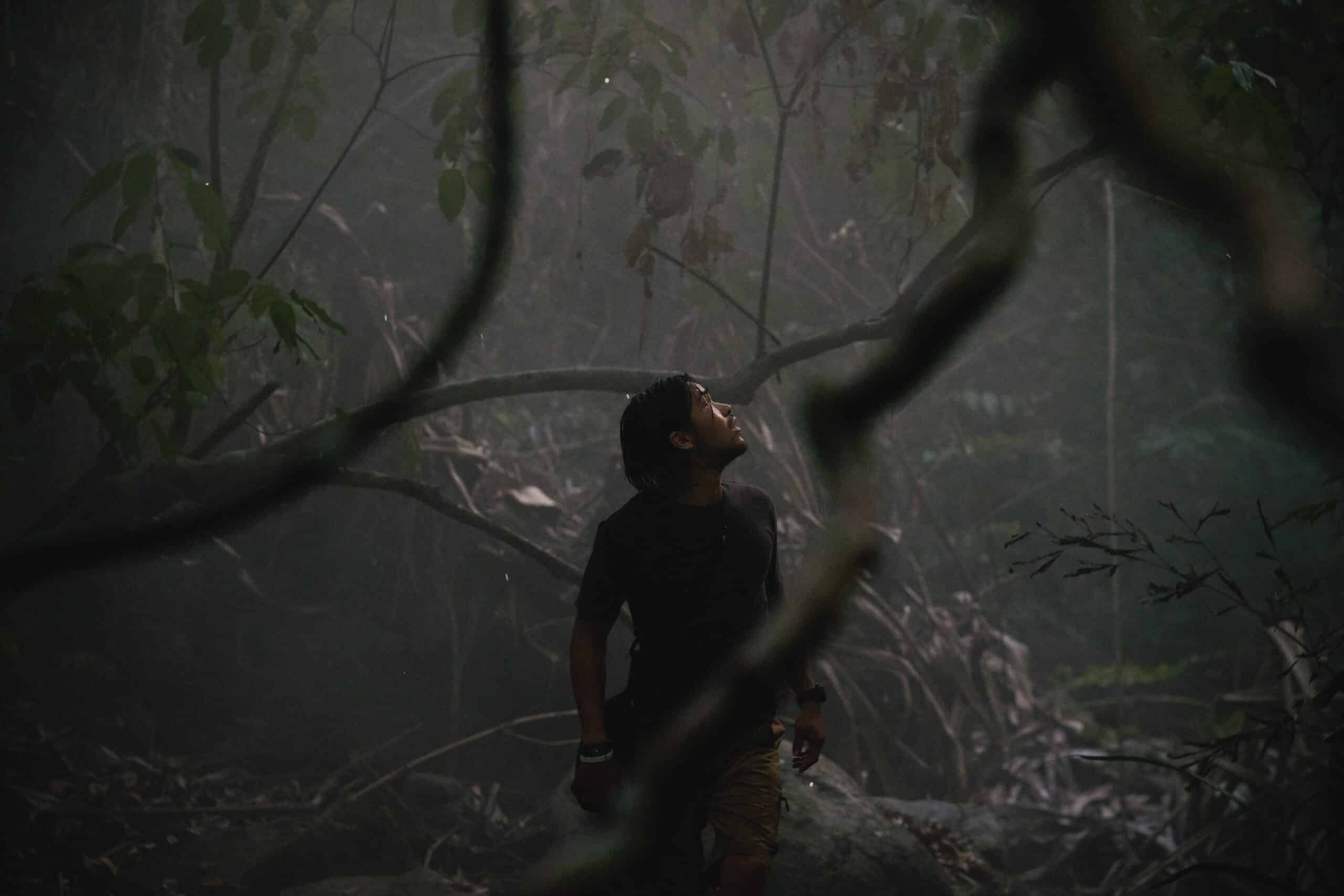
The film avoids giving a simple answer about whether John was a hero or a fool. It focuses on missed connections. Yang and Lin looked for “off-ramps”—moments where John could have chosen a different path if his relationship with his father had been better or if he had found intimacy elsewhere.
When an audience member asked if John’s sacrifice was worthwhile, Yang was careful. “Who am I to say? It depends on the perspective you take. From John’s perspective, that was what he set out to do with all his heart, and he did it. There is something in that,” he said. He shared a story about meeting a pastor who had known John. “He just spoke about John’s kindness and how he’d run the furthest mile to help his neighbor. So, I think about that, but also what that person could have done with more years.”
Last Days is now showing in select cinemas. It provides a look at a man who crossed an ocean to find himself, only to lose everything else.