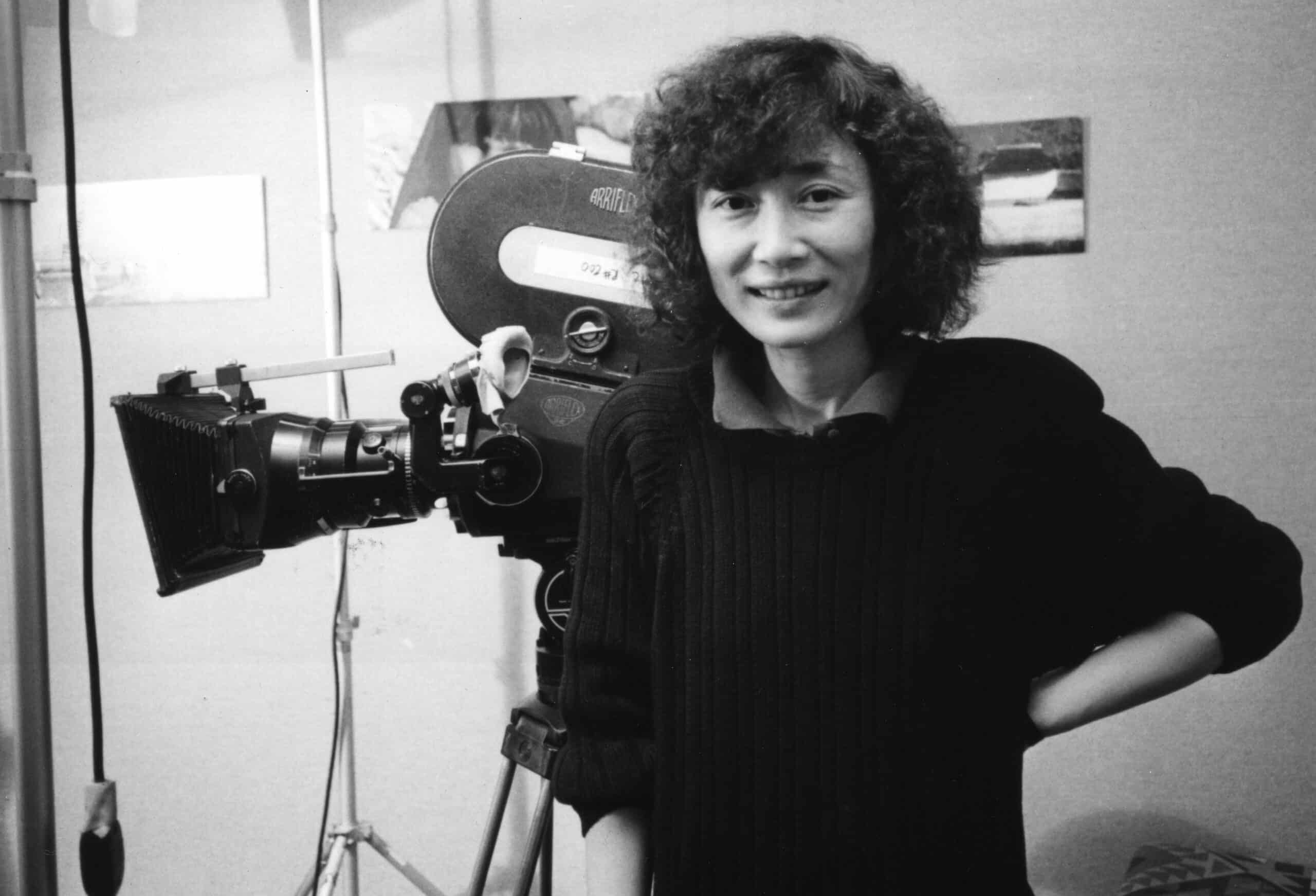
Today’s young Netflix generation of Asian Americans will consider the likes of Jon M Chu, Daniel Kwan, and Lulu Wang to be trailblazers of representation on screen. And while each director deserves their praise, and the merits of modern-day global Asian filmmakers such as Chloe Zhao and Maggie Kang cannot be understated, the fight for raw and authentic Asian American storytelling and representation stems from one pioneer: Christine Choy.
Recognised as one of the most prolific and influential Asian American filmmakers, Choy sadly passed away on 7 December 2025 at the age of 76. Resonate was fortunate enough to spend ample time with Choy over the years, and as the industry mourns the loss of a true Asian American icon, we take a look back at what made Choy such a formidable force in filmmaking and how her legacy will forever be cemented in Asian American culture.

Born in 1949 in Shanghai to Chinese and Korean parents, Choy secured a scholarship to New York’s Sacred Heart Convent School before enrolling at Princeton and Columbia University to study architecture.
A Fight For Minorities
Choy joined Newsreel as an independent film director, embracing the group’s anti-imperialist politics and radical filmmaking style. She would then go on to found Third World Newsreel (TWN) – an organisation that promoted social justice for people of colour.
Her work at TWN spotlighted and empowered minorities across the board, earning her recognition and praise for her powerful filmmaking style. At TWN, Choy’s work included:
- Teach Our Children (1972) – Uncovering the 1971 Attica Prison Uprising, focusing on the demands of inmates for basic rights and how the state responded with violence.
- From Spikes to Spindles (1976) – Documenting the working-class lifestyle of New York City Chinatown.
- Inside Women Inside (1978) – A haunting look into the dangers faced by incarcerated women
- Homes Apart: Korea (1991) – Exposing everyday life in North Korea.
Beyond her work at TWN, Choy also helped to empower and form groups, including Asian CineVision (ACV) and what would become CAAM (Center for Asian American Media) – significant achievements at a time when there was little or no media support for non-white filmmakers. In 1978, ACV organised the first Asian American International Film Festival (AAIFF), showcasing 46 films and videos in New York City.
A Fight For Justice
While Asian representation in film continues to be an uphill battle in 2025, one can only imagine the barriers Choy had to overcome in her career. Her own producers in The Best Hotel on Skid Row (1990) famously warned her that her accented English would deter and alienate Asian audiences. Choy also faced censorship from US and South Korean distributors for Home Apart: Korea (1991).
Unafraid to touch upon the darker corners of local history, Choy documented the contentious relationships between Black, white, and Chinese communities in the Delta in her 1984 film, Mississippi Triangle, while 1993’s Sa-I-Gu showed similar tension between Black, white, and South Korean communities during the Los Angeles unrest in 1992.

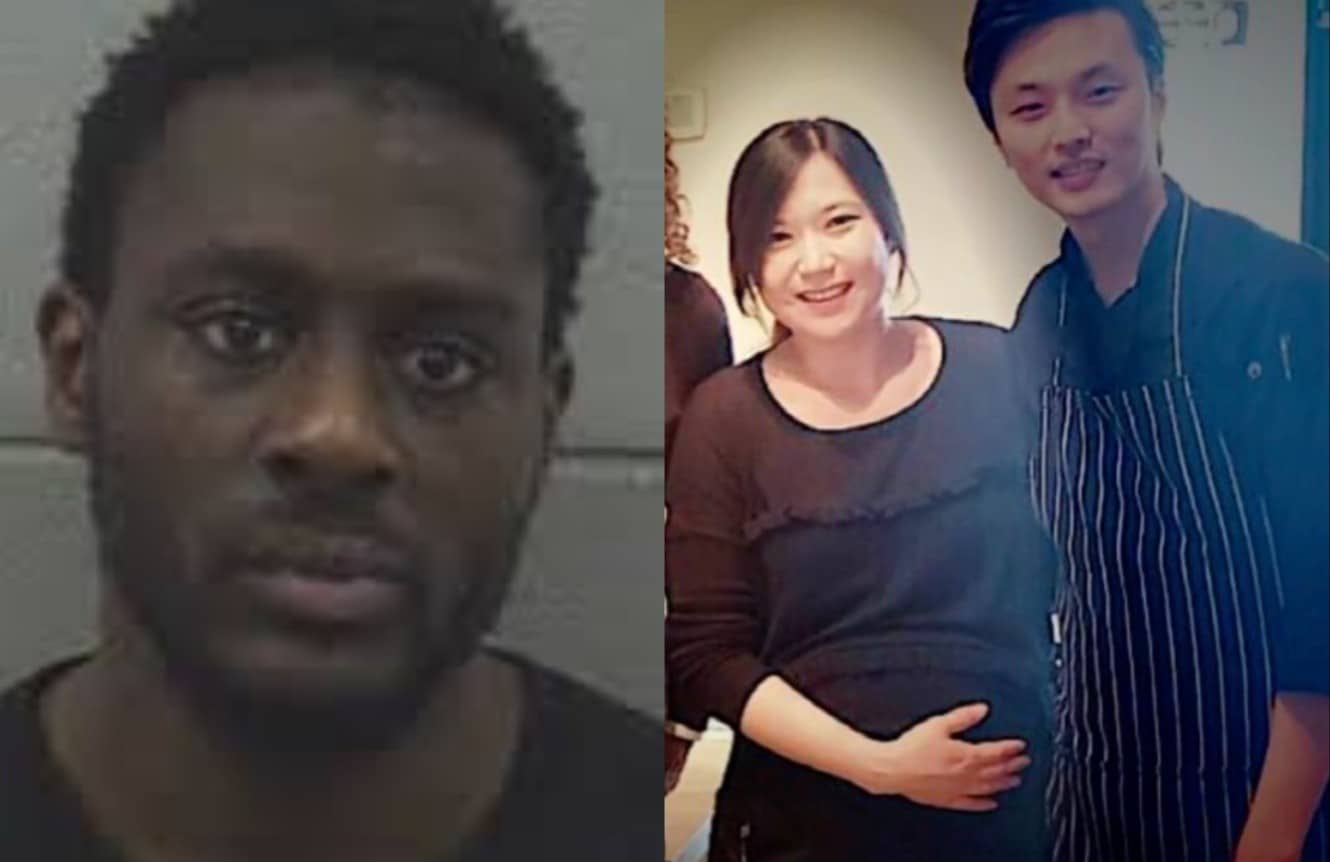
But her passion, grit, and vision proved strong enough to drive her career to success. 1987’s Who Killed Vincent Chin became the second-ever Asian American documentary to clinch an Oscar nomination. For many, the film not only put the spotlight on the murder of the local Asian American and the unjust rulings that followed, but also pushed the term “Asian American” into common parlance.
Choy’s humanitarian concerns extended beyond American borders, too. Her 1990 film Nambia: Independence Now! saw her film crew enter war zones amid Nambia’s battle with South Africa.
Read more: Remembering Vincent Chin: Why His Story Still Matters in 2025
As a proud supporter of the Black Panthers, Choy’s work also extended to supporting youths and lending her hand as a mentor. Over her decades of work as an NYU professor, Choy would advise filmmakers. Choy recently collaborated with former students Ben Klein and Violet Columbus on The Exiles, in which she archived footage with three exiled Chinese dissidents from Tiananmen Square.
A Humble Hero
In an industry shamelessly filled with brazen egos, notoriously driven by glitz and glamour, humility is a rare commodity in the film world. Fortunately, Choy was one of these rare gems. Despite having a Golden Globe dangled within her clutches, Choy remained uncorrupted by the spoils of Hollywood and remained true to her cause.
In her company, one has to be reminded that they are in the presence of greatness, because she certainly wouldn’t brag about it. Instead, Choy offered warmth, sincerity, and encouragement to those who shared similar visions with her.
Read more: INTERVIEW: AAIFF founder Christine Choy says “UK should start a film festival”
Over our numerous encounters with her, we witnessed how students and industry leaders alike would immediately take notice and gravitate towards her as she entered the room but we also saw how quickly her humility would override any sense of superiority. She was a leader and visionary, no doubt, but to many, Choy was an invaluable friend and ally.