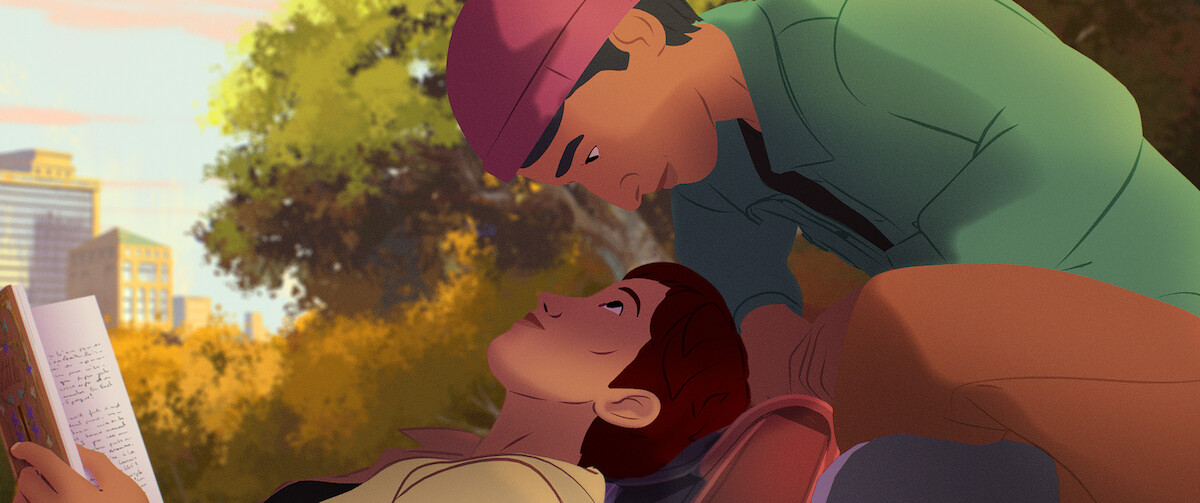
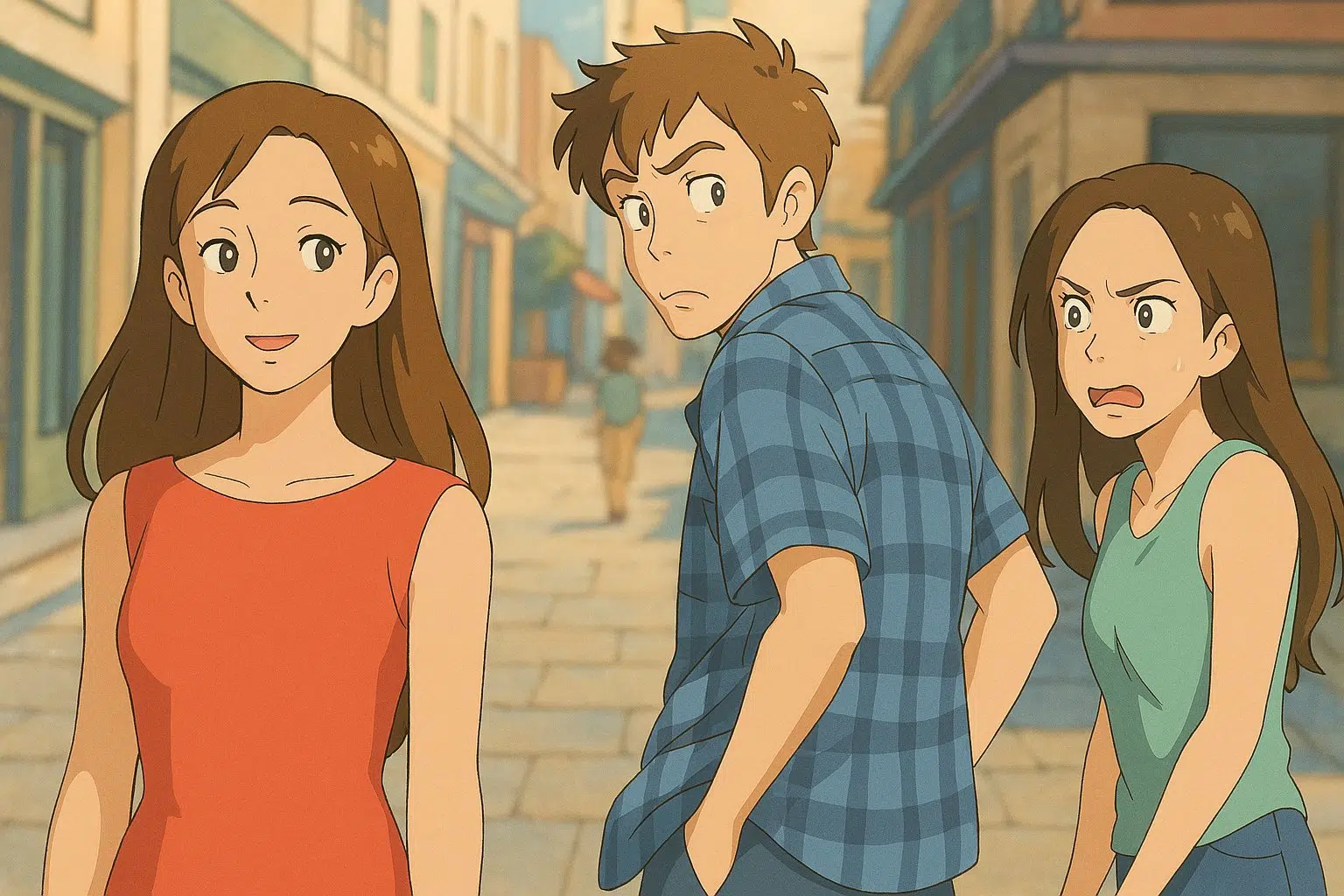
The internet has been awash with AI-generated images mimicking the distinctive and beloved style of Studio Ghibli, the Japanese animation studio co-founded by Hayao Miyazaki. The surge in these visuals, fueled by OpenAI’s latest GPT-4o model, has created a wave of nostalgia and whimsical creativity. However, this trend has also brought renewed attention to a past video of Miyazaki, offering a stark contrast to the celebratory tone.
The video, widely shared on platforms like X, captures Miyazaki’s visceral reaction to a demonstration of AI-generated animation. In the clip, young designers showcase an AI engine capable of producing grotesque, surreal movements. The designers suggest that such visuals, deemed impossible for humans to conceive, could revolutionize genres like horror video games.
Read more: ‘Totoro’ Takes the West End: Victoria Chen Steps Into a Forest of Dreams
Miyazaki’s response, however, is one of profound discomfort and moral objection. He draws a poignant comparison to a friend with a physical disability, contrasting the AI’s jerky, inhuman movements with the genuine struggle and pain inherent in human motion. “Whoever creates this stuff has no idea what pain is whatsoever,” Miyazaki states, his words conveying a sense of deep disgust. “I am utterly disgusted… I strongly feel that this is an insult to life itself.” He reiterates to FarOut Magazine his firm stance against incorporating such technology into his own work, a position that gains renewed significance in the current climate of AI-driven creativity.
The viral trend, driven by OpenAI’s GPT-4o model, which now includes integrated image generation, has seen even OpenAI CEO Sam Altman adopt a Ghibli-style image as his profile picture. This adoption of the style by the very figurehead of the technology that Miyazaki so vehemently rejects adds another layer of complexity to the issue.
While the AI-generated Ghibli trend has been met with widespread enthusiasm, it has also sparked critical questions about the ethical implications of AI in art. The debate extends beyond aesthetic imitation, touching upon issues of artistic integrity, the value of human experience, and the potential displacement of human creativity.
Read more: ‘Princess Mononoke’ 4K IMAX Re-Release: Studio Ghibli Classic Returns to Big Screen
Miyazaki’s 2016 comments resonate with a renewed urgency, highlighting concerns about the dehumanization of artistic expression. His insistence that such technology is “an insult to life itself” challenges the celebratory narrative surrounding AI art generation, forcing a confrontation with the deeper philosophical and emotional dimensions of artistic creation.