
In the heart of Britain, where the aroma of fish and chips mingles with the scent of stir-fried noodles, a subtle cultural shift is underway. The once-ubiquitous glow of neon signs advertising “Chinese Takeaway” is slowly dimming, replaced by sleek apps and delivery services. But for British-born Chinese (BBC) artist Harriet Armstrong aka Jing Seong, these fading beacons are not just remnants of a bygone era—they are portals to a complex personal and cultural history, and a mirror reflecting her own journey of self-discovery.
“The idea initially came to me while riding a bus through Leyton,” Harriet recounts. “I noticed a Chinese takeaway named Good Friends, glowing warmly on a cold night. That sight instantly brought back memories of my childhood, inspiring me to finally address my identity through my art.”
Read more: ‘Unmasking Anna May Wong’: Trailblazing Hollywood Icon Celebrated at Chinese American Museum
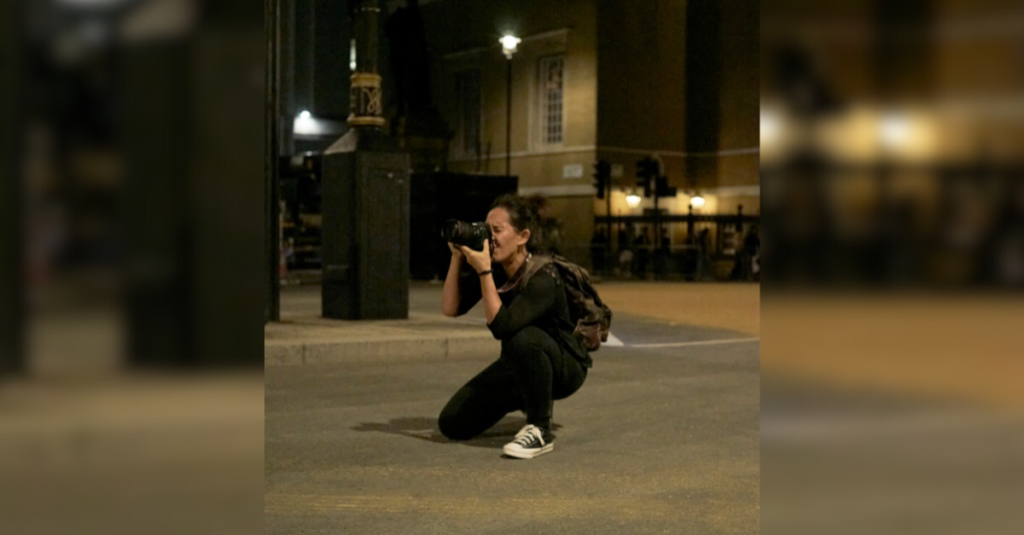
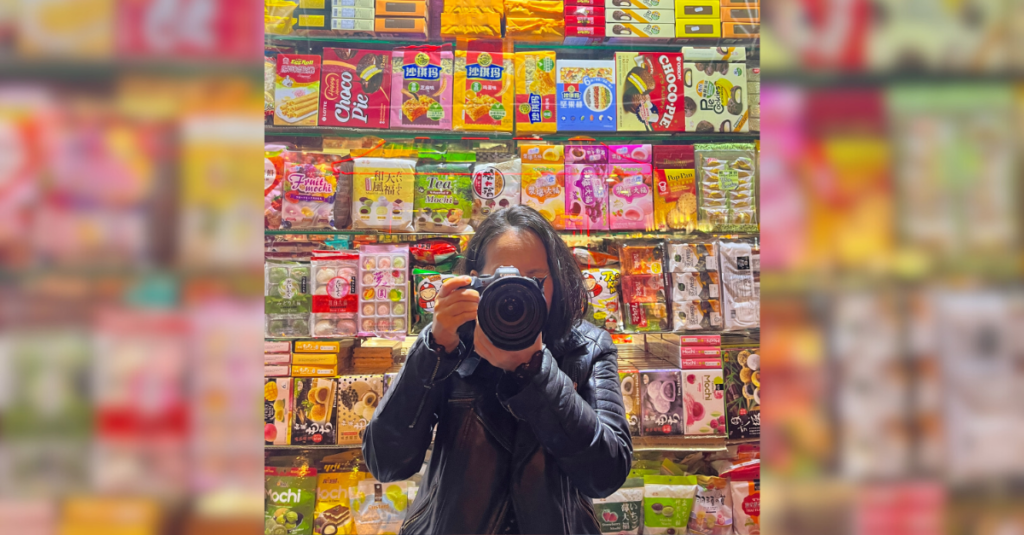
Armed with her camera, Harriet embarks on a pilgrimage across the UK, documenting these traditional Chinese takeaways before they vanish entirely. Her images capture more than just food; they reveal stories of resilience, adaptation, and the ever-evolving nature of identity.
For Harriet, these takeaways evoke a bittersweet nostalgia. “They remind me of growing up as a British-born Chinese (BBC),” she shares. “It’s been a challenging journey, balancing my Chinese heritage with British culture.” Her childhood was marked by the tension between her parents’ insistence on upholding traditional Chinese values and her own yearning to assimilate into British society.
“My parents immigrated from Hong Kong and China, hoping to build a better life here,” she explains. “They clung to their values, perhaps as a way to cope with their own struggles.” This cultural divide left Harriet feeling “invisible, unable to fully connect with either my Chinese heritage or British upbringing.”
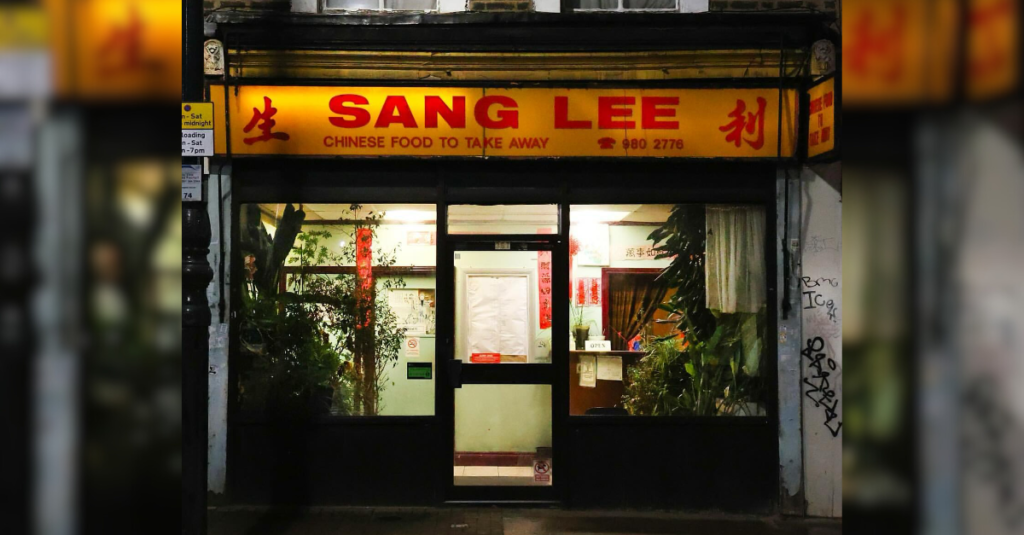
Her project, however, has become a way for her to reconcile these two worlds. “Photographing Chinese takeaways has become a personal pilgrimage for me,” she says. “Each photo brings me closer to accepting and celebrating the fact that it’s okay to be different.”
The 1960s and 1970s saw a surge in Chinese restaurants catering to a more affluent clientele. However, it was in the 1980s that the now-ubiquitous British Chinese takeaway truly came into its own. Capitalizing on the growing popularity of fast food and adapting traditional dishes to suit British palates, Chinese immigrants began opening takeaways across the country. These takeaways, often family-run businesses, offered a taste of the exotic at affordable prices. They quickly became a beloved fixture of British high streets, feeding late-night revelers and busy families alike.
Read more: Photographer Jingna Zhang Wins Landmark Copyright Case Against Painter in Luxembourg
Harriet’s photographs celebrate the unique aesthetic of traditional takeaways—the hand-painted signs, the mismatched furniture, the faded menus taped to the windows. “I look for takeaways that have a traditional, old-fashioned look—similar to the ones my relatives owned,” she explains. These details, she believes, hold clues to a shared history and a sense of cultural identity that is often obscured by prejudice and ignorance.
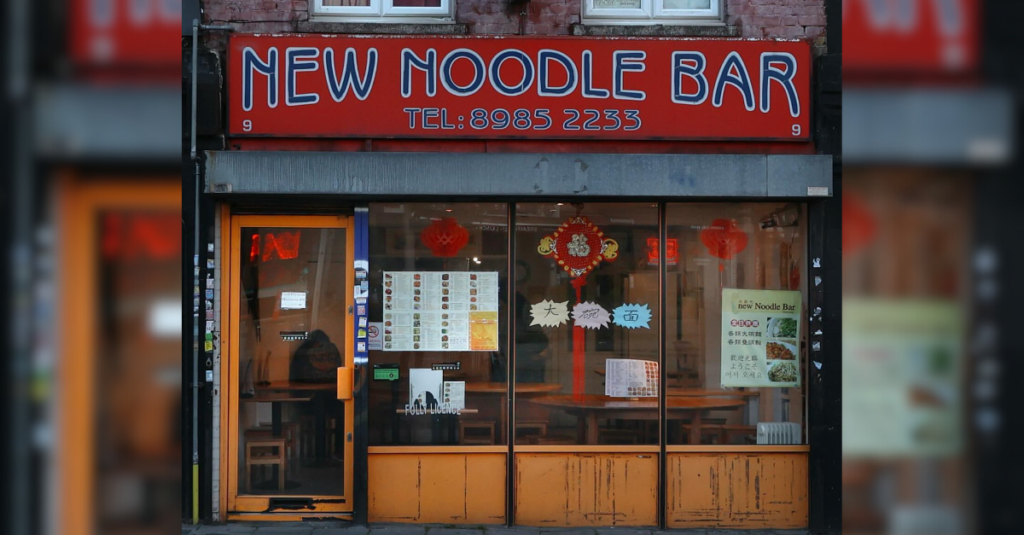
“I want people to see the individuals behind the counter,” Harriet emphasizes, “to recognize their stories and the complexities of their lives.” Her work is a testament to the resilience and adaptability of the British Chinese community, a community that has found ways to thrive and contribute to British society despite facing adversity.
As the landscape of Chinese cuisine in the UK continues to evolve, with the rise of regional specialties and fusion dishes, Harriet’s project serves as a poignant reminder of the importance of preserving cultural heritage. By documenting these vanishing takeaways, she is not only honoring the past but also paving the way for a more inclusive and nuanced understanding of what it means to be British Chinese today.
To see more of Harriet’s work and follow her artistic journey, visit her Instagram page @jing__soeng.