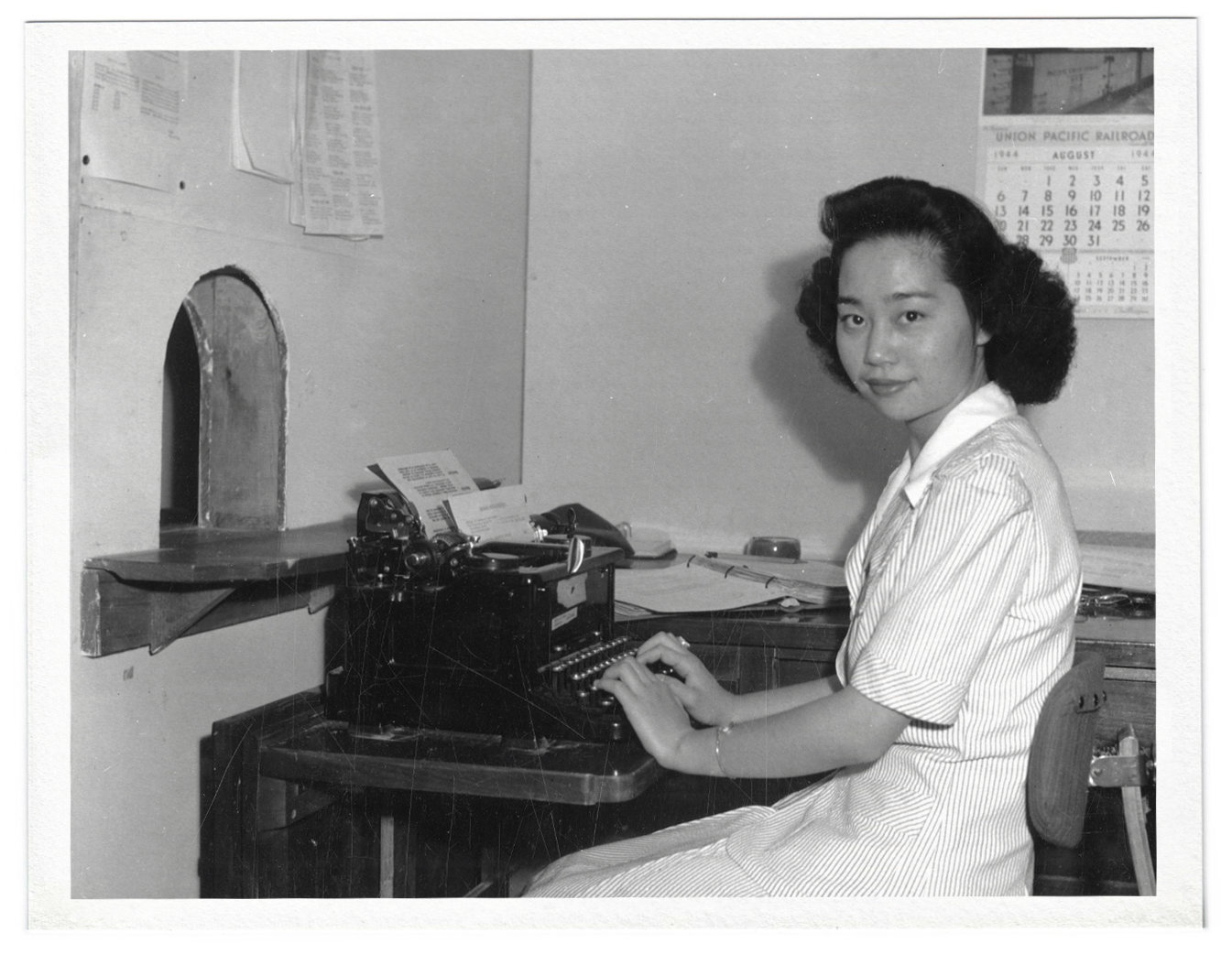
During World War II, the U.S. government’s decision to forcibly relocate and incarcerate thousands of Japanese Americans on the West Coast stands as a dark chapter in American history. Amidst this injustice, a young woman named Mitsuye Endo emerged as a beacon of hope. At the age of 22, she made the courageous decision to challenge her unjust incarceration in the Supreme Court. Her landmark case, Ex parte Endo, became a turning point in the fight for justice.
In 1944, the Supreme Court issued a unanimous ruling in favor of Endo, declaring that the government could not detain loyal citizens. This victory proved to be instrumental in closing the internment camps and securing the release of countless Japanese Americans. It solidified the principle that even in times of war, the rights of individuals cannot be arbitrarily violated based on their ancestry.
Despite her crucial role in this historic legal battle, Mitsuye Endo’s name remains largely unknown to the general public. Her contributions to civil rights have not received the recognition they deserve. This stands in stark contrast to the three men who also challenged the incarceration, Gordon Hirabayashi, Min Yasui, and Fred Korematsu, all of whom have been awarded the Presidential Medal of Freedom, the nation’s highest civilian honor.
Endo’s son, Wayne Tsutsumi, has been a vocal advocate for his mother’s recognition. He expressed his disappointment that she was not among the recipients of the medal at a recent White House ceremony. “It would have been fitting to recognise my mother during Asian American and Pacific Islander Heritage Month,” he remarked.
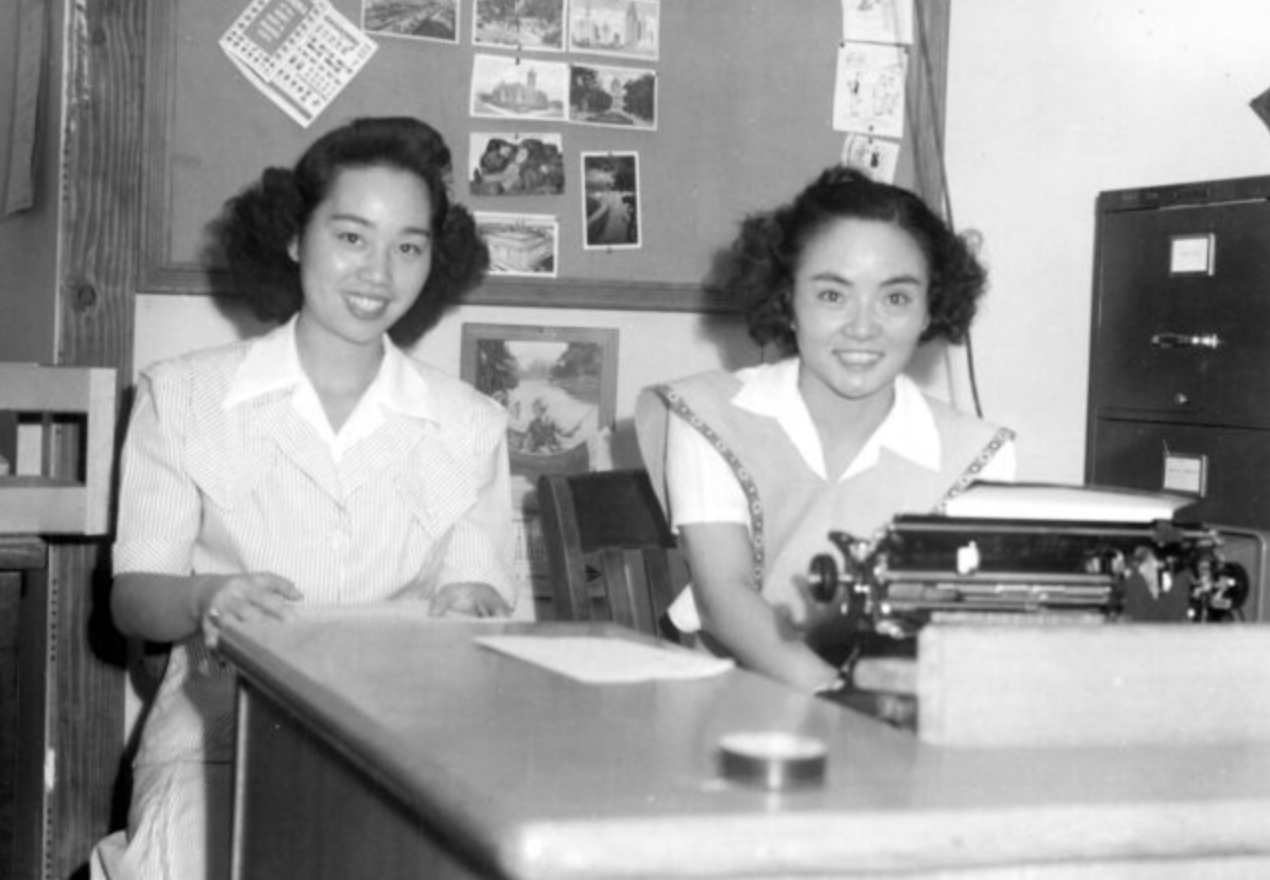
While the court case bore her name, Endo herself was known for her humility and quiet strength. Throughout the legal battle, she steadfastly refused offers of early release, insisting on remaining in the internment camp until her case was resolved. This unwavering commitment to justice for all Japanese Americans is a testament to her character.
Following the war, Endo focused on her family and dedicated herself to working on the Mayor’s Commission on Human Rights. Her quiet demeanor concealed a fierce determination and a deep sense of responsibility towards her community. She rarely spoke of her legal victory, choosing instead to live a life of service and integrity.
Even though Endo passed away in 2006, her legacy continues to inspire. A committee of dedicated individuals, including legal scholars and activists, is tirelessly advocating for her to be posthumously awarded the Presidential Medal of Freedom. They believe that recognizing her contributions is not only a matter of justice but also an opportunity to educate future generations about the importance of standing up for civil liberties.
The story of Mitsuye Endo is a powerful reminder that ordinary individuals can have an extraordinary impact on the course of history. Her courage, resilience, and unwavering commitment to justice serve as an inspiration to us all. As we continue to grapple with issues of discrimination and inequality, Endo’s legacy reminds us that the fight for civil rights is an ongoing struggle, and that each of us has a role to play in ensuring that the rights of all individuals are protected.