President Trump’s efforts to scrap birthright citizenship has been complicated by an 1898 Chinese legal case.
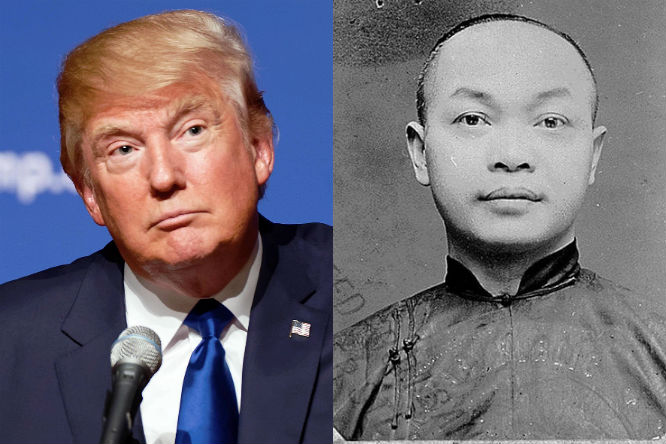
As reported by SCMP, a Chinese legal case dating back to 1898 has complicated President Donald Trump’s effort to scrap birthright citizenship.
The executive order that Trump is vowing to sign would end the right to US citizenship for Children born in the United States to non-citizens.
“We’re the only country in the world where a person comes in, has a baby, and the baby is essentially a citizen of the United States for 85 years with all of those benefits,” Trump said during an interview with Axios. “It’s ridiculous. It’s ridiculous. And it has to end.
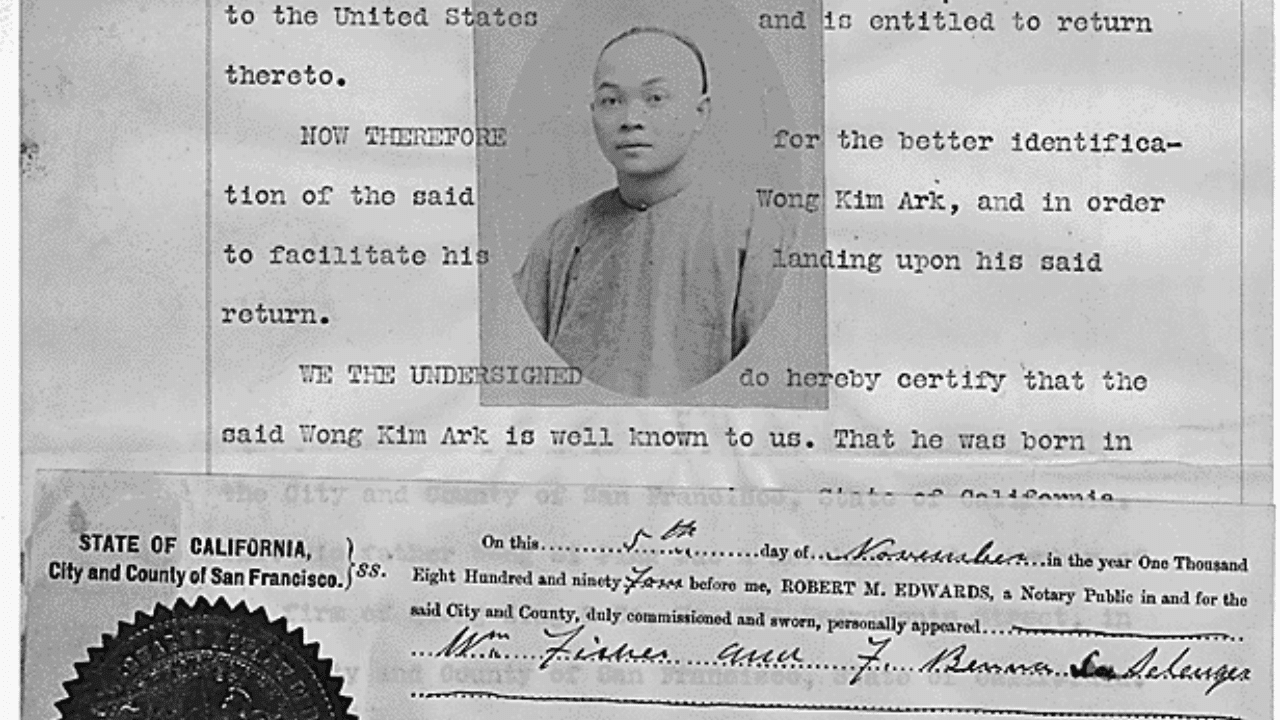
Critics are arguing that the move would go against the Constitution, with some referencing a case dating back to 1989. Titled ‘United States v Wong Kim Ark,’ the birthright citizenship issue was dealt with by the Supreme Court.
Wong Kim Ark was born in California in 1873. His parents were from China. When Wong visited China, he was denied re-entry into the US under the 1895 Chinese Exclusion Act.

Wong won the case after the Supreme Court ruled that the act did not apply to him because he was an American citizen because he was born in the US.
“The ancient and fundamental rule of citizenship by birth within the territory,” the court said. “All children here born of resident aliens.”
Even conservatives are rejecting Trump’s new proposal, in support of the Constitution.
Trump-appointed federal appeals court judge James Ho wrote in 2011 that the 14th Amendment about birthright citizenship is unambiguous. “The plain meaning of this language is clear,” he wrote. “A foreign national living in the United States is ‘subject to the jurisdiction thereof’ because he is legally required to obey US law.”
Former official in President George W. Bush’s Justice Department, John Yoo, agreed
“According to the best reading of its text, structure and history, anyone born on American territory, no matter their national origin, ethnicity or station in life, is an American citizen,” Yoo wrote for the American Enterprise Institute.
House Speaker Paul Ryan even said, “you cannot end birthright citizenship with an executive order.”
Cornell Law School’s Constitutional law professor said Congress might be able to deny citizenship but would not allow the President such power. “Even if the Constitution would permit Congress to strip such persons of citizenship, it would not permit the president to do so, because that would be contrary to the statute,” he said, adding that the president “can’t just decide who is a birthright citizen.”