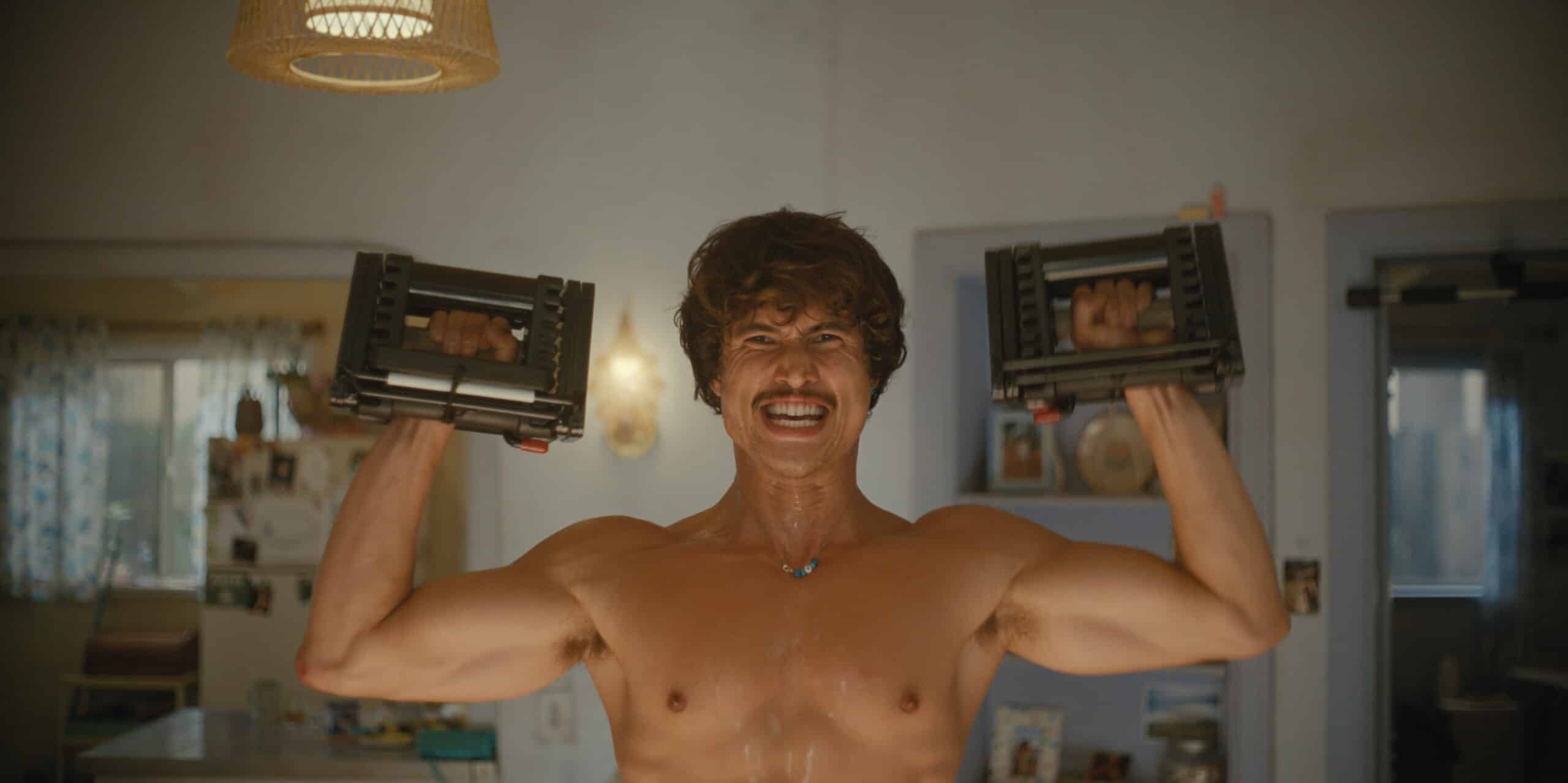

A video released by China’s Xinhua News has been slammed for mocking Indians.
The news company, which is the country’s official press agency released the video accusing India of committing seven sins.
Titled 7 Sins of India, the video featured a Chinese man dressed in a turban and fake beard with an Indian accent.
In the video, a presenter discusses the increasing tensions between China and India over the Doklam standoff border dispute. The host calls India a “bad neighbour” because Doklam was internationally recognised “as a part of China“.
The Indian character portrayed by a Chinese actor is seen repeating and acting out some of what the presenter said.
#TheSpark: 7 Sins of India. It’s time for India to confess its SEVEN SINS. pic.twitter.com/vb9lQ40VPH
— China Xinhua News (@XHNews) August 16, 2017
Many have criticised the video for racism.
“This is poorly produced, racist & distasteful,” said Twitter user Ryan Pino. “No tact. Air your grievances maturely, not like a vindictive child.”
Some commented on the agency’s poor taste of costume. “It’s not okay in the 21st century to have someone dress up in a turban, mock an Indian accent,” said Ananth Krishan. “Shocking from official agency.”
Others simply called out the company for racism. “Wow, Xinhua has gone full racist!” wrote Carl Zha.
This is poorly produced, racist & distasteful. No tact. Air your grievances maturely, not like a vindictive child @XHNews. You can do better
— Ryan Pino (@Ryan_Pino213) August 17, 2017
China’s official news agency Xinhua mocks India, (attempts to) mimic Indian accent in racist video tht parodies a turbaned Indian @htTweets https://t.co/M7xvBSaBBt
— sutirtho patranobis (@spatranobis) August 16, 2017
FYI @XHNews: It’s not okay in the 21st century to have someone dress up in a turban, mock an Indian accent. Shocking from official agency. pic.twitter.com/1oC0MsOG59
— Ananth Krishnan (@ananthkrishnan) August 16, 2017
Wow, Xinhua has gone full racist!👀 https://t.co/afUsvonTgx
— Carl Zha (@CarlZha) August 16, 2017
Pathetic presentation
Should have hired a reputable Indian PR firm for this
They are top notch professionalshttps://t.co/swrYdGHjXi— Khwang Xie Ming (@Mengalingam) August 16, 2017