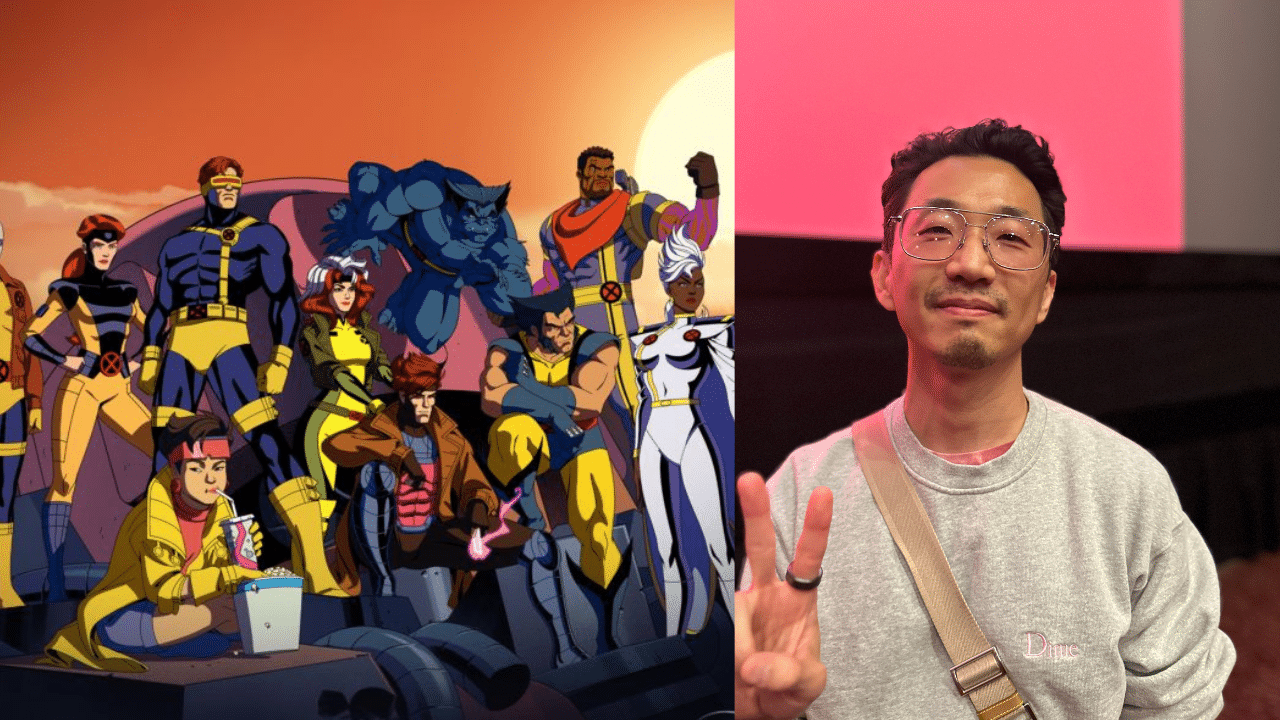

The premise of Beef is simple. A man in a beat-up truck almost backs into a woman in a white SUV in a car park. He honks. She flips him the bird. What follows is a ten-episode descent into mutual destruction that feels less like a comedy and more like a collective nervous breakdown. Created by Lee Sung Jin, the show arrived on Netflix in 2023 and quickly stopped being a mere television programme. It became a cultural mirror.
Lee based the script on a real-life encounter he had on the road. He told Tudum: “It was a typical road rage thing where the light turned green and I didn’t go fast enough, and a white SUV honked at me and said some things and drove off. And for some reason, that day, I was like, ‘I’m gonna follow you.'”
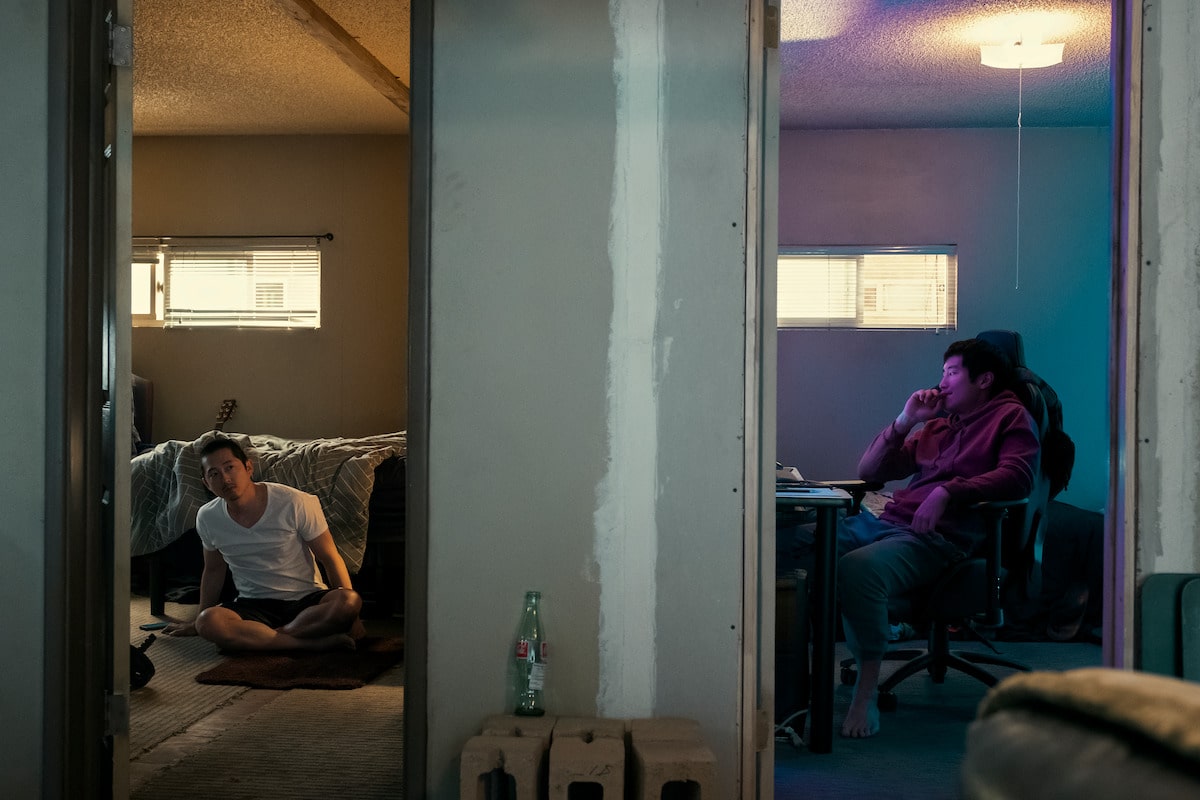
This small moment of friction grew into a story about Danny Cho, a struggling contractor, and Amy Lau, a wealthy entrepreneur. On the surface, they have nothing in common. Underneath, they share a deep, hollow emptiness.

A cast that captured the cracks
The success of the show rests on Steven Yeun and Ali Wong. Yeun, already an Oscar nominee, plays Danny with a desperate, sweaty energy. He is a man trying to do the right thing for his parents but failing at every turn. Wong, primarily known for her acerbic stand-up comedy, plays Amy as a woman trapped by her own success.
The casting was deliberate. Lee Sung Jin wanted actors who could handle the shift from slapstick revenge to existential dread. He found that in Yeun and Wong. Their chemistry is built on the fact that they rarely share the screen until the finale. They are two halves of the same angry soul, separated by class and zip codes.
Read more: Netflix Reveals ‘Beef’ Season 2 Trailer Starring Oscar Isaac and Carey Mulligan
The series presents Asian Americans who are allowed to be selfish, manipulative, and unhappy. This is a significant shift in how the diaspora appears on screen. For years, people saw Asian characters as paragons of virtue or quiet sidekicks. Danny and Amy are human beings who make terrible choices. Steven Yeun, who plays Danny, explained this perspective to NPR: “We kind of flattened that whole landscape by being like, ‘It’s all Asian people,’… So now we can get to who these people are. Then anyone can access them.”
By making the entire world of the show Asian American, the pressure to “represent” the race disappears. The characters can exist as individuals. This allows the show to look at the differences within the community. The conflict between Danny’s working-class struggle and Amy’s aspirational wealth creates a map of social tension.
Danny is the eldest son of Korean immigrants who lost their business. He carries the weight of their retirement. Amy is the daughter of a Vietnamese mother and a Chinese father. she tries to maintain a facade of success while selling her plant boutique to a billionaire. Both characters are victims of their own expectations.

The Chemistry of Discontent
The connection between Steven Yeun and Ali Wong is the heart of the series. They play rivals who are also soulmates. As the feud destroys their marriages and careers, they realise they are the only people who truly see one another. Ali Wong delivered a career-best dramatic performance as Amy. She captures the exhaustion of a woman who has “everything” but feels nothing. Wong told Mashable about her character’s internal life: “Do you really think it’s possible to love someone unconditionally? You know, there must be some point where we all fall outside the reach of love, right? Like, the mistake is so big, and then the love has to stop. I let go all of it, and I did connect to the writing. I didn’t expect to get as emotional as I did. I think it is one of the things that I look at and I’m like, ‘Wow, who was that person?’ I can’t believe I did that. It’s one of my favourite things, actually.”
The casting was praised for its ethnic accuracy. Steven Yeun and Young Mazino are Korean-American. Ali Wong is Chinese and Vietnamese-American. The show captures the specific vibes of a Korean church. Critics noted a small blemish in this precision. Joseph Lee, who plays Amy’s husband George, is Korean-American in real life. His character is Japanese. This choice reminded viewers that the industry still treats East Asian backgrounds as interchangeable.
The production took a physical toll on the leads. Both Yeun and Wong broke out in hives during filming from the stress of maintaining such high levels of anger. Yeun told Time about the experience of looping through rage: “We rage until we loop out to the other side. And you’re like, ‘Oh, I’m the same as you. We’re broken in the same way. ‘… If anything, the extremes it goes to feels like the bounds of how deeply they intensely love or want to connect to each other.”
The David Choe controversy
The show did not escape without scrutiny. Shortly after its release, old clips from a 2014 podcast surfaced involving actor David Choe, who plays Danny’s cousin, Isaac. In the clips, Choe described a sexual encounter that many listeners interpreted as a confession of assault. Choe later claimed he had made the story up for “shock value,” but the backlash was significant.
The production stayed quiet for a period before Lee Sung Jin, Yeun, and Wong released a joint statement to Variety: “The story David Choe fabricated nine years ago is undeniably hurtful and extremely disturbing. We do not condone this story in any way, and we understand why this has been so upsetting and triggering.”
The controversy sparked a debate about accountability in the industry and whether the presence of one person should overshadow the work of an entire community of artists.
A legacy of existential anger
By the time the awards season arrived, Beef was unstoppable. It swept the Primetime Emmys, winning Outstanding Limited or Anthology Series. Both Yeun and Wong took home trophies for their performances, marking a historic night for Asian actors.
The legacy of the first season is its refusal to provide easy answers. The final episode moves away from the car chases and focuses on two people hallucinating in the desert. They talk about their shame. They talk about the things they have hidden from their spouses and themselves.
Read more: Golden Globes: Ali Wong & Steven Yeun Make History With ‘Beef’ Wins
It is a show about the cost of holding things in. It suggests that the rage we feel at a stranger in traffic is actually rage at ourselves. By the time the credits roll on the final episode, the “beef” is gone, replaced by a quiet, devastating understanding.
Beef changed the landscape for television by proving that a story with a specific cultural lens can be universal if it is honest about how much it hurts to be human. It didn’t need to be nice. It only needed to be true.