
BTS’ long-awaited return to U.S. late-night TV should have been a clean victory lap. Instead, it’s been complicated by backlash brewing before the cameras even rolled.
Ahead of their two-night appearance on The Tonight Show Starring Jimmy Fallon, comedian Seth Herzog — a regular warm-up act on the show — found himself at the center of fan outrage after allegedly making a North Korea-related joke during Wednesday’s taping.
The controversy didn’t unfold on stage, but online. When the show’s official account hyped BTS’ appearance, fans — known collectively as ARMY — flooded the post with criticism.
“@Thezog made a seriously unfunny joke insinuating that one of the members was North Korean,” one fan wrote on X. “Please address this before the show goes live tonight. Fans cannot enjoy the appearance on tonight’s show knowing that someone who thinks this is okay is interacting with the group.”
@Thezog made a seriously unfunny joke insinuating that one of the members was North Korean. Please address this before the show goes live tonight. Fans cannot enjoy the appearance on tonight’s show knowing that someone who thinks this is okay is interacting with the group.
— genesis ⁷★ IS SEEING BTS (@jehnuhsuhs) March 25, 2026
Another added, “Hi, Fallon Team. It is really disappointing & hurtful to learn about what ARMYs had to experience, along with having to face discrimination and hear racism addressed to our loved artist. Kindly look into this matter, acknowledge what happened, and take the necessary steps to not repeat it again.”
According to reports, Herzog later apologized to the group — BTS members RM, Suga, J-Hope, Jin, Jung Kook, V and Jimin — after making the remark: “Anybody here from the North? No? Nobody?”
The comment, reportedly intended as a variation of a typical late-night audience bit, landed poorly with fans in attendance, who viewed it as tone-deaf at best, and pointed at worst.
The timing couldn’t be more delicate. BTS’ appearance marks their first U.S. late-night slot since 2021 — and comes amid one of the most significant comeback cycles in their career.
After nearly four years apart, during which members pursued solo work and completed mandatory military service in South Korea, the group has reassembled — both as artists and as a cultural force.
Their return has been anything but low-key.
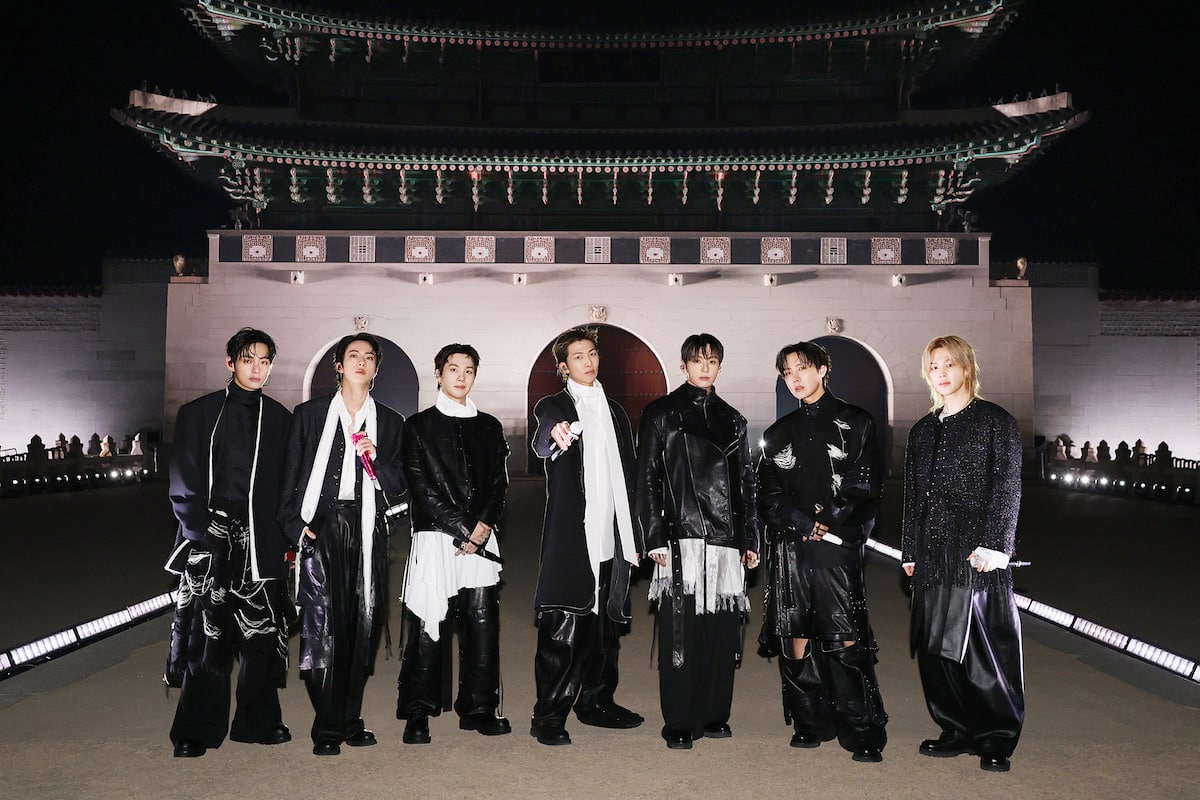
On March 21, BTS staged a global comeback performance from Seoul’s historic Gwanghwamun Square, livestreamed via Netflix to audiences in nearly 200 countries. It marked their first full-group performance since 2022 — a symbolic reset in a location deeply tied to Korean identity.
Read more: Netflix Reveals BTS Seoul Concert Livestream Drew In 18.4 Million Global Viewers
The group’s new album, Arirang, leans heavily into that identity. Named after the country’s most iconic folk song, it reflects a band no longer negotiating its place between East and West — but asserting both.
Back in New York, their Jimmy Fallon appearance balanced that global scale with something more personal.
“I just want to tell you we’ve missed you,” Fallon told the group during the taping — a sentiment that echoed across a fanbase that has waited years for this moment.
The interview itself leaned into BTS’ dynamic as both global icons and seven individuals rediscovering life together. The members spoke about returning from enlistment, what they missed about each other, and the experience of living together again while making Arirang.
There were lighter moments too. Jin playfully called out Jungkook for being the messiest in the house, while V joked that being in a car driven by RM — who only recently got his license — was “very scary.”
And in a segment built for fans, the group distilled their relationship with ARMY into a single word: “love.”
The performance that followed pushed beyond the typical late-night format.
Rather than staying inside NBC’s 30 Rock studio, the show relocated to the Guggenheim Museum, where BTS performed “Swim” — the lead single from Arirang — across the museum’s spiraling architecture before converging center stage.
It was a reminder of what BTS does best: turning even familiar platforms into something cinematic, intentional, and distinctly theirs.
If Arirang signals anything, it’s clarity of identity.
From its title — drawn from a historic Korean ballad — to deep cultural references embedded in its production, the album positions BTS not just as global pop leaders, but as cultural ambassadors on their own terms.
They are no longer simply exporting K-pop. They are reframing it.
And while the Herzog controversy may momentarily cloud the rollout, it also underscores something else: BTS’ audience isn’t passive. It’s vocal, protective, and deeply attuned to issues of representation — especially when it comes to Asian identity on global stages.