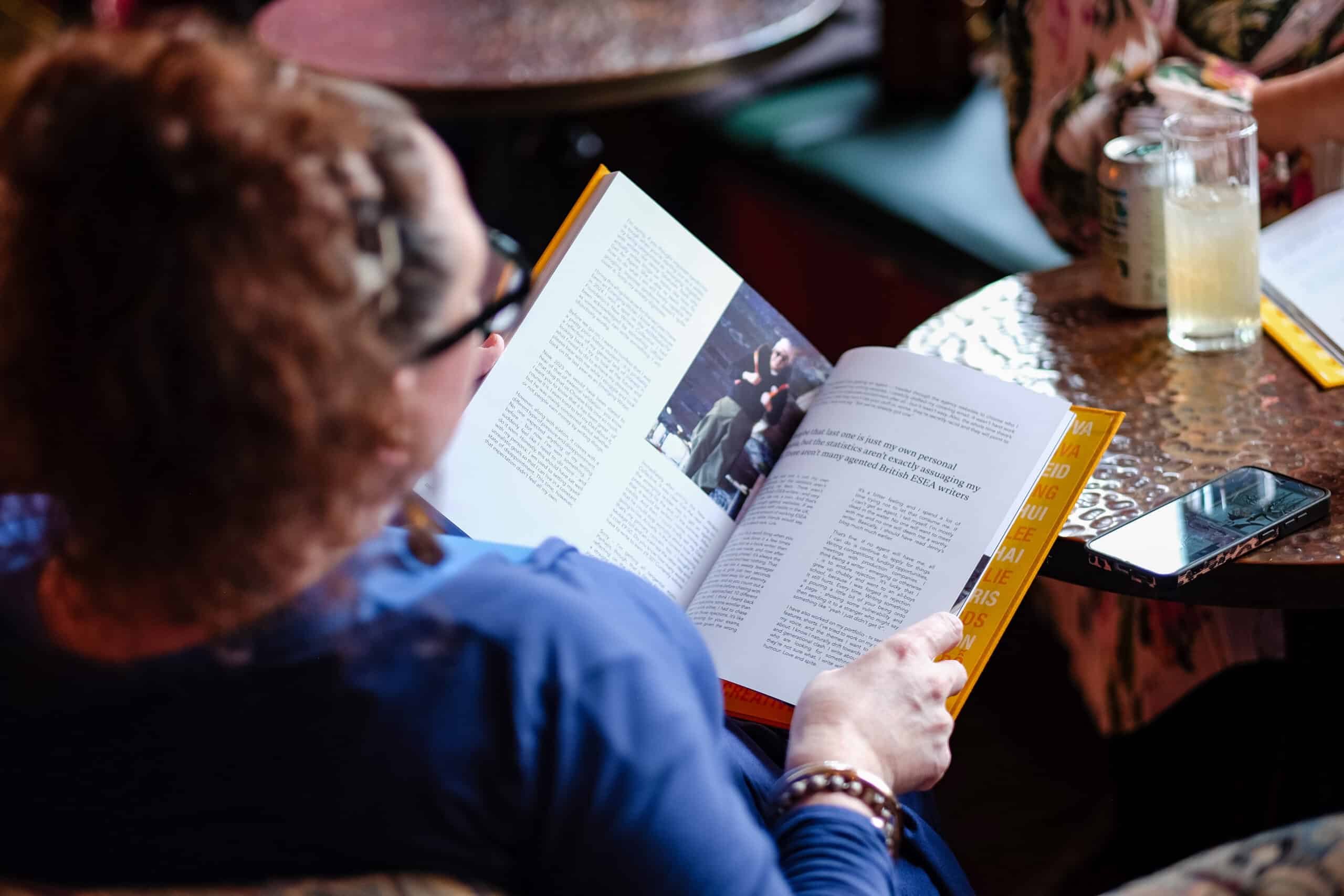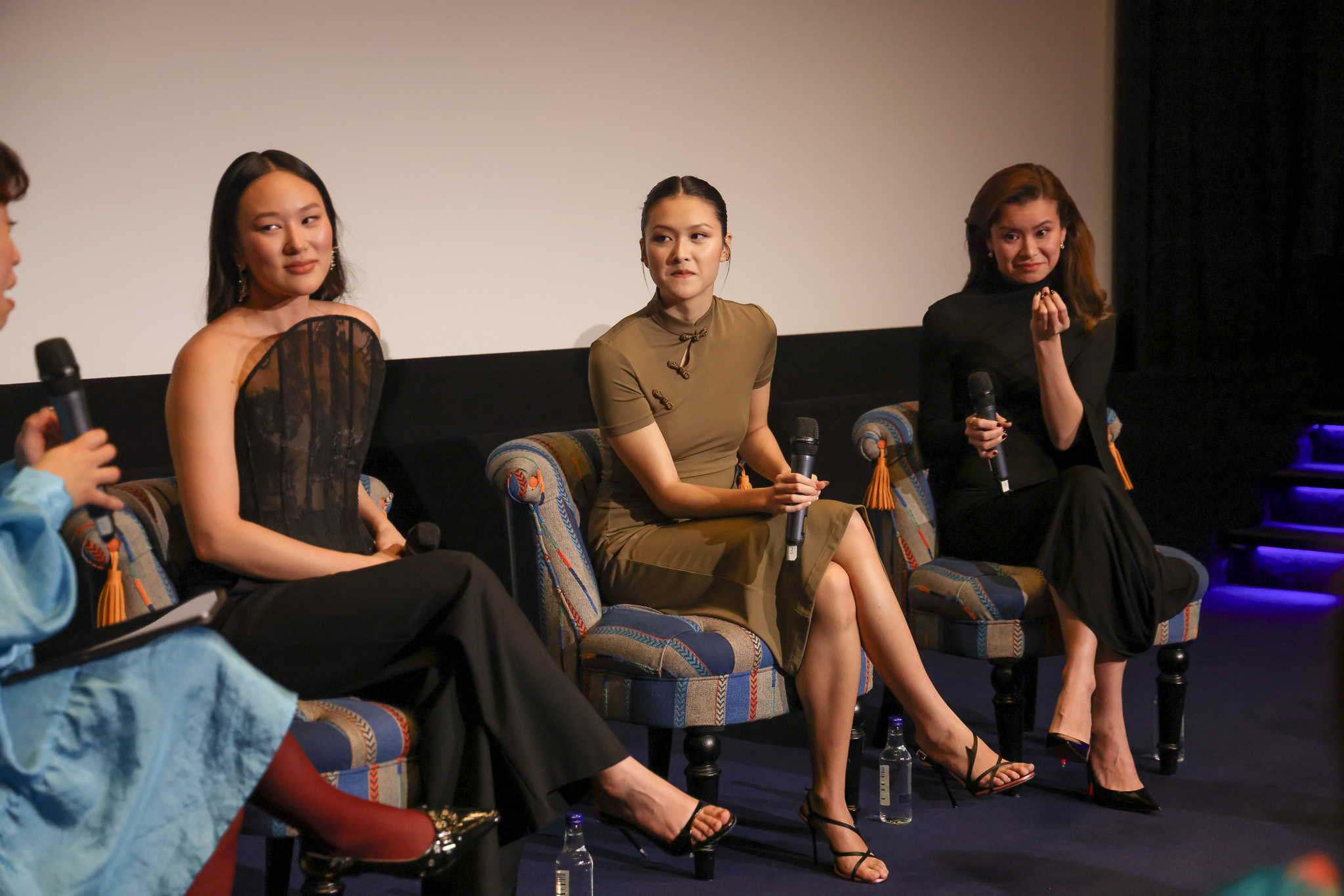
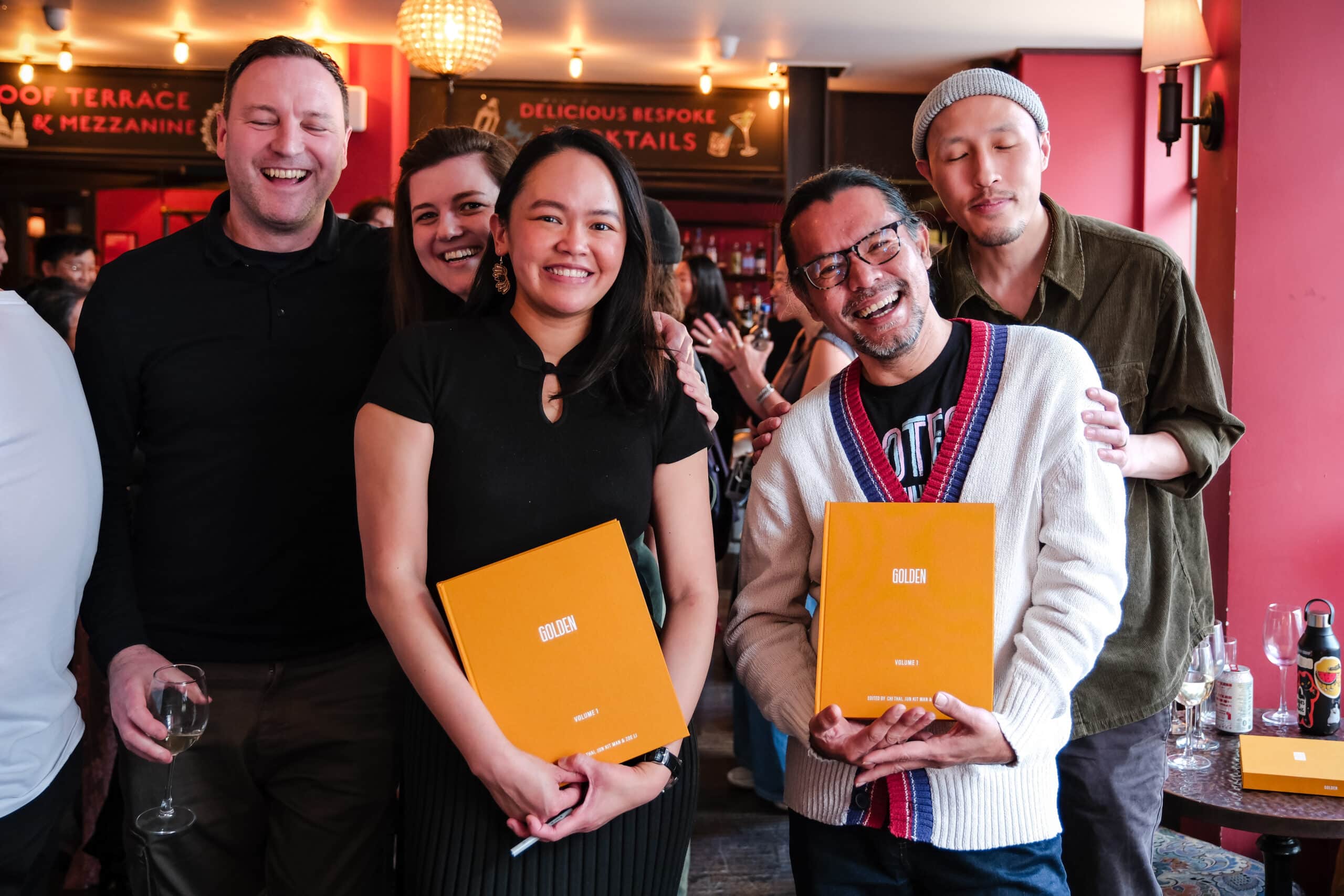
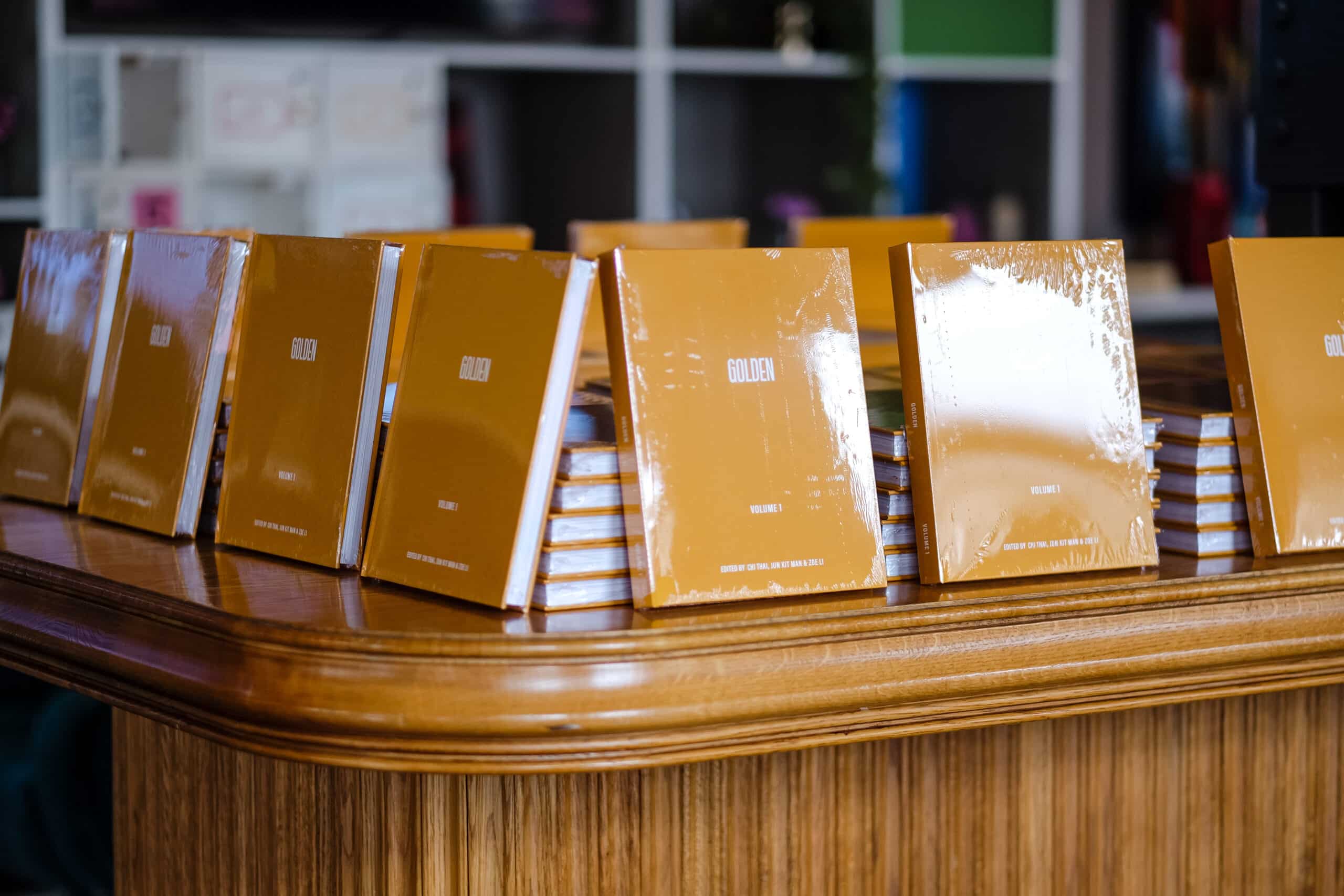
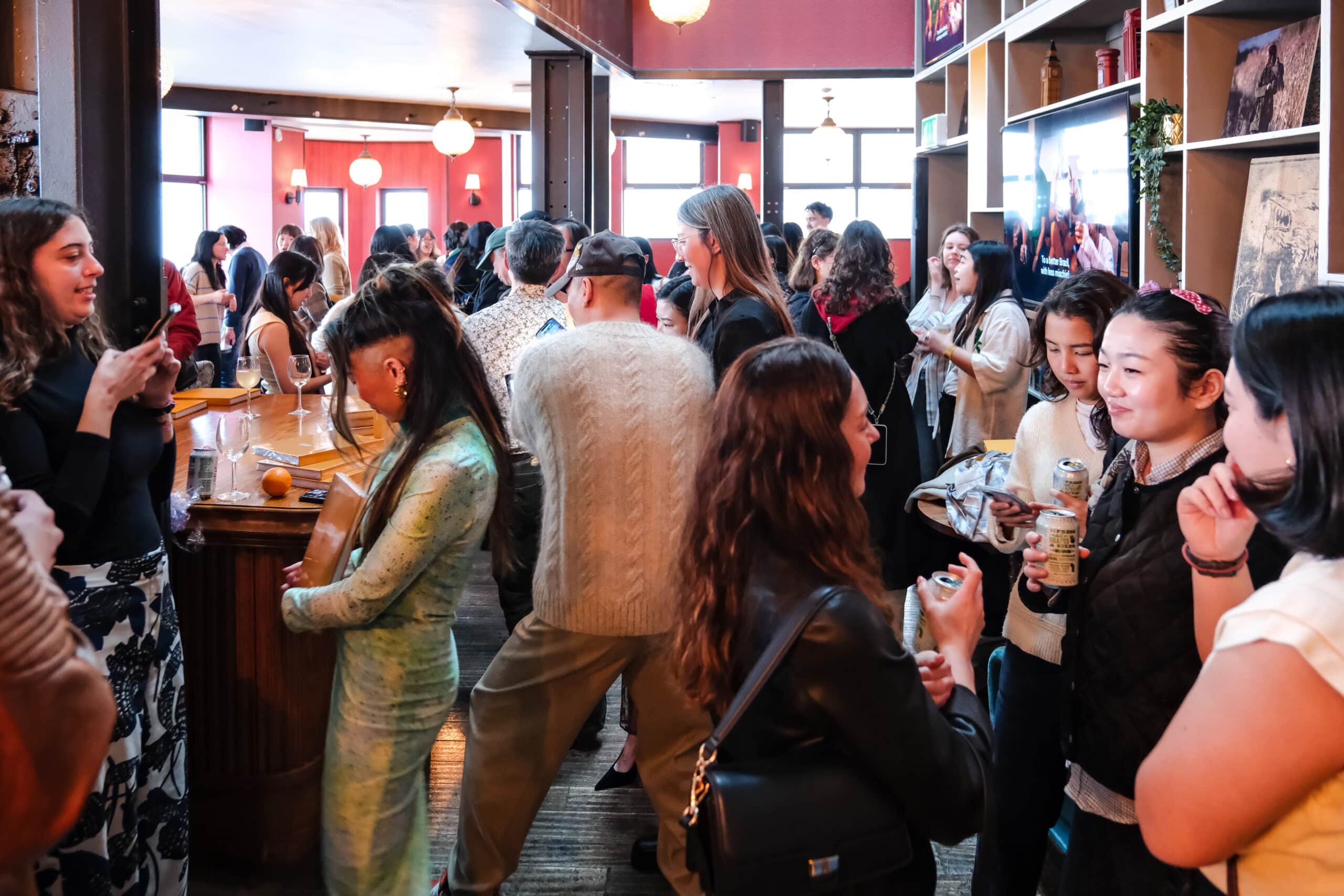
The Private Members Bar at Picturehouse Central is a room that usually feels like a departure from the rush of the Haymarket below. But on a recent Saturday, it felt like the centre of something much larger. Writers, photographers, and illustrators gathered for the launch of Golden, a limited-edition hardback annual that serves as a collective memory for the British East and Southeast Asian (ESEA) community.
This book is a physical answer to a digital problem. In an era where cultural moments are often deleted or buried by algorithms, Golden is a bid for permanence. It is a chunky, high-end volume designed to sit on a shelf for decades.
A Departure from the Silent Monolith
The evening was a celebration of what co-editor Chi Thai described as “plentitude and abundance.” For too long, the ESEA community in the UK has been framed as a silent monolith. This book breaks that silence. It features over fifty contributors, including landscape architects, health inequality organisers, and award-winning animators.
During the speeches, Chi Thai reflected on the collaborative nature of the project. She told the crowd:
“The process of making Golden, was entirely wonderful and yes very fast! Even it its most testing moments if felt so gratifying to work on this chunky door stop of a book. A beautiful book, filled with your beautiful words, embroidered with your beautiful images. Carved by the hands of over 50 contributors, many of which are here today. Our stories, our thoughts, our frailties, our strengths, our hopes and fears of being ESEA today.”
Chi explained that the book exists to show a vision of ESEA life that wider society rarely acknowledges. “Standing with you all today on the eve of Spring and at the start of the year of the Horse, we confess there were times after that plunge we felt like we were drowning, but right now it feels like we are flying,” she said.
The Challenge of Permanence
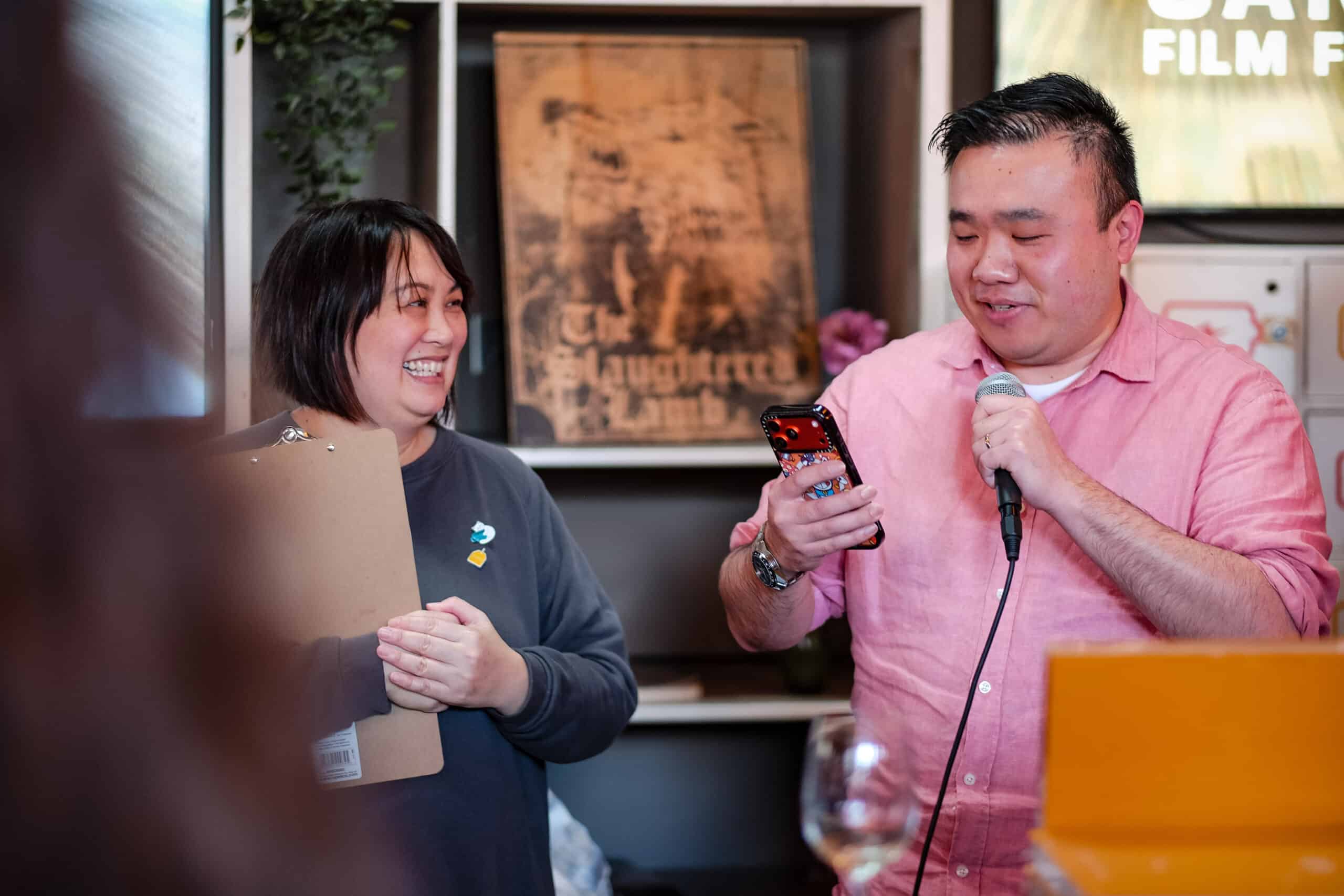
Co-editor Jun Kit Man provided a lighter look at the editorial process. He admitted to being the practical, sometimes reclusive counterweight to the grand ideas behind the project. He shared with the guests:
“When Chi first called me with the idea for Golden, it felt like the challenge of a lifetime. We wanted to create a physical record of the British ESEA experience—something that couldn’t be deleted or lost in a digital feed. For too long, our community has been treated like a silent monolith, as if we all share one single, quiet voice.”
He spoke about the “unique level of chaos” involved in managing deadlines across time zones, including a stint in a Tokyo hotel room. He also noted the physical presence of the final product. “Chi was the driving force behind every page. It was her vision that insisted we didn’t just make a magazine, but a hardback book. It’s heavy enough to be a weapon, which feels appropriate given how much we fought to get it made,” he added.
A Community-Powered Record
The book covers an immense range of topics. It moves from the 50th anniversary of the Fall of Saigon to the joy of K-Pop and the politics of food. It features photography by Harriet Armstrong and insights from figures like Mei Mac, Sky Yang and Tuyền Đỗ.
While the third co-editor, Zoe Li of Juniper by the Sea, was unable to attend due to illness, her presence was felt throughout the room. Jun described her as the “cement” that held the project together.
“Unfortunately, Zoe is quite ill and unable to be here today. She is devastated to miss this, as she put her heart into every single page. We often say that if Chi provided the bricks for this book, Zoe was the cement which held this project together. She is the heart of this project, and we wouldn’t be standing here without her. We are sending her all our love and we will certainly be saving a glass for her.”
The launch reception was a reminder that ESEA history in the UK is being written in real-time by the people living it. This is not a commercial product; it is a community-powered “time capsule” supported by benefactors like Teresa Lau. It is a statement that these stories matter and deserve to be held in the hand.
The afternoon ended with a simple invitation to the guests: to hold a piece of their own history. As the sun set over the West End, the room remained full of people doing exactly that.
Click here to purchase your copy of the Golden hardback annual