For years, Vietnamese cinema has been filtered through a Western gaze — dominated by war narratives, cultural simplifications, and outdated portrayals. Now, director Leon Le is pushing back.
Speaking around his latest film Ky Nam Inn, Le argues that Vietnamese representation in global film has long been shaped by a “dated, disrespectful, ignorant lens,” one that prioritises conflict over lived experience. His new work — a post-war Vietnam story set in 1980s Saigon — signals a shift: from stories about Vietnam, to stories told by Vietnamese voices, for Vietnamese audiences first.
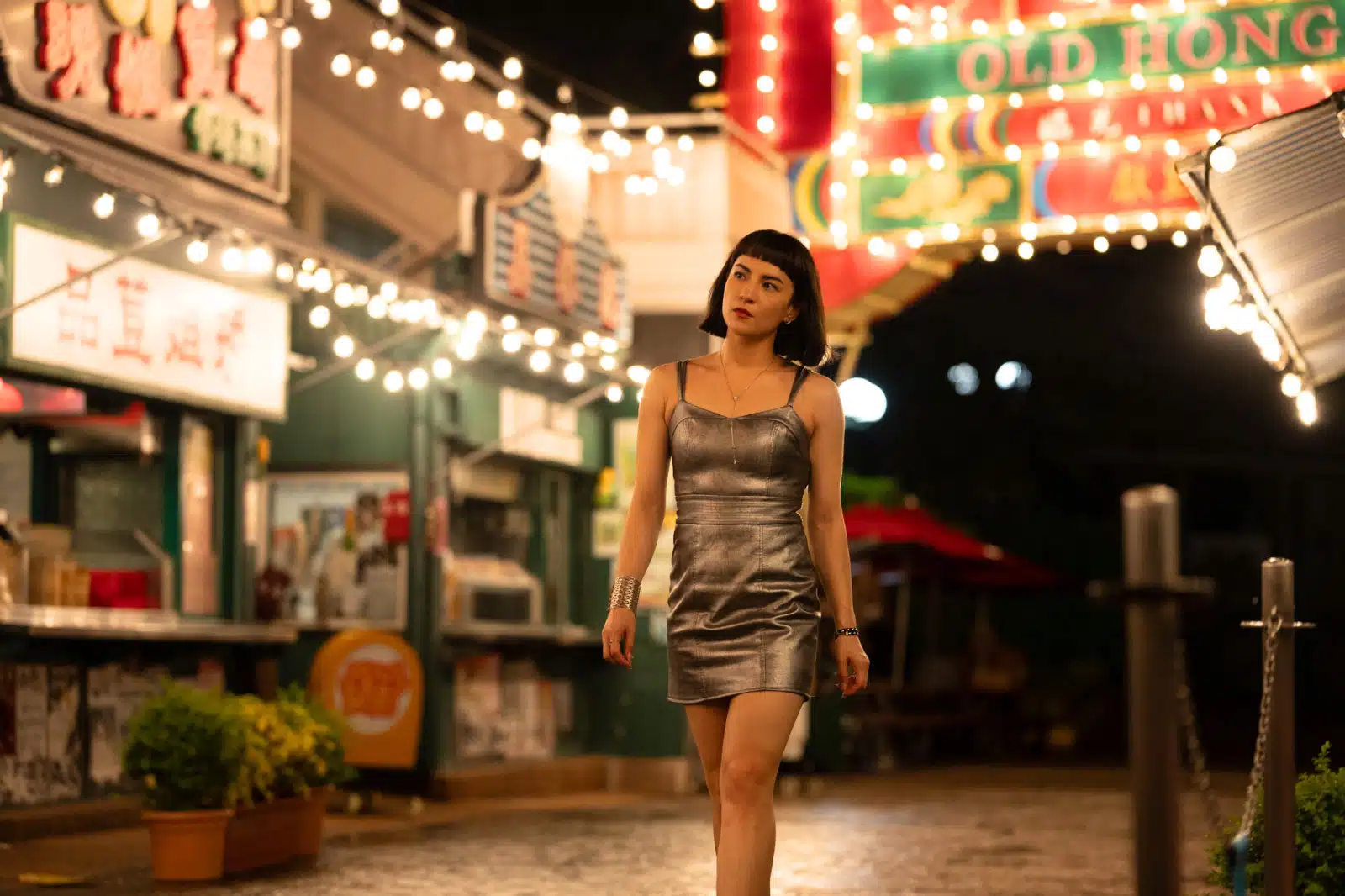
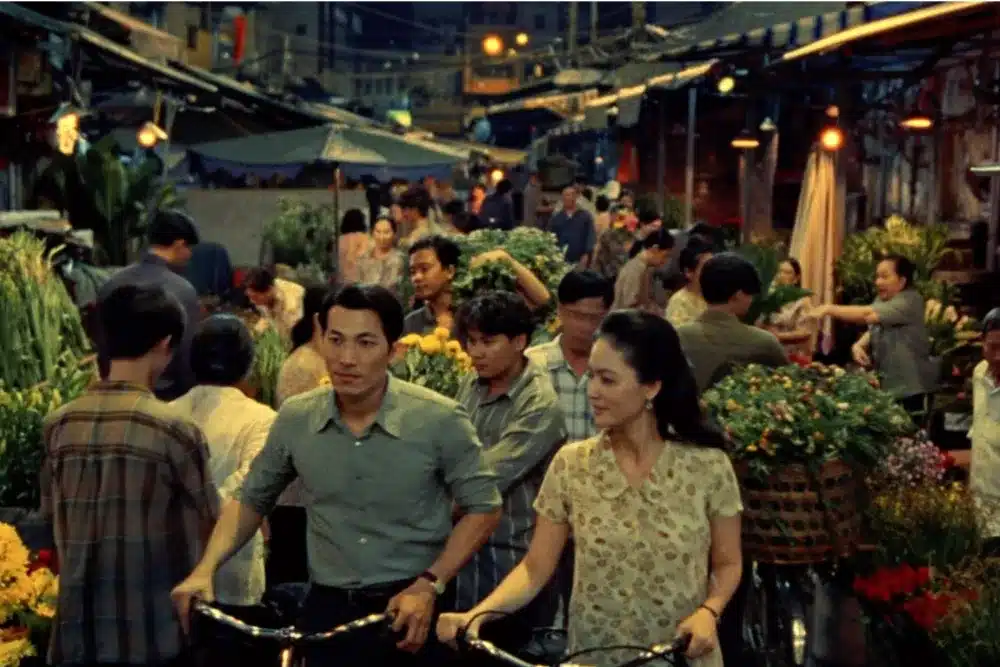
It’s a sharp critique, but one his latest film Ky Nam Inn quietly pushes back against. Premiering at the Fribourg International Film Festival, the film trades spectacle for stillness, returning to 1980s Saigon — long after the war has ended.
Because for Le, the more interesting question isn’t what happened during the war. It’s what came after.
“It’s reconciliation,” he says. “Between the winner and the loser, the North and the South. What do we do now, when we have to live with each other again?”
That tension sits beneath everything in Ky Nam Inn. A translator, a war widow, a child — ordinary lives shaped by extraordinary aftermath. No grand statements, just the slow, complicated reality of rebuilding.
Even the choice to centre The Little Prince isn’t accidental. As the protagonist translates the French classic into Vietnamese, the film folds in another layer: colonisation, memory, inheritance. The past doesn’t disappear — it lingers, reshaped, reinterpreted.
Le’s approach is precise, almost obsessive in its detail. The way a room is arranged. A gesture. The quality of light in the late afternoon.
But this isn’t aesthetic for aesthetic’s sake. It’s lived experience.
Having left Vietnam at 13, Le draws from memory almost instinctively — fragments that haven’t faded with time. Pink skies. Kites in the distance. Moments that don’t explain themselves, and don’t need to.
“That’s just basic storytelling,” he says.
And that’s where his philosophy cuts deepest. Because for Le, authenticity isn’t about adding more context — it’s about removing the need for it.
“Who am I making this movie for?” he asks. “It has to be for the Vietnamese audience first.”
It’s a stance that runs counter to how non-Western stories are often packaged — translated, over-explained, adjusted for global consumption. But Le rejects that framework entirely.
“You don’t explain your culture to yourself,” he says. “Nobody says, ‘Vietnamese people have this saying.’”
The result, historically, has been distortion. With so few Vietnamese stories in global circulation, each one ends up carrying outsized weight — whether it’s accurate or not.
Read more: Netflix And iQIYI Release ‘Pursuit of Jade’ Starring Zhang Linghe And Tian Xiwei
“People can’t differentiate between what’s real and what’s just a version of it,” Le says. “Whatever you put out there, people are going to think it’s real.”
Which makes the responsibility heavier — and the margin for error smaller.
Screening at Fribourg, a festival known for spotlighting cinema beyond the Western mainstream, offers a reminder that there is an audience for these stories — on their own terms.
“We’re not alone,” Le says. “There are people who want to hear our voices.”
Still, this isn’t about validation. Or even visibility.
Le is blunt about the economics: he made nothing from this film. Nothing from the last one either. No salary, no safety net.
So why keep going?
Because for him, there’s only one reason that holds up.
“There’s no reason to do any of this if it’s not from love.”