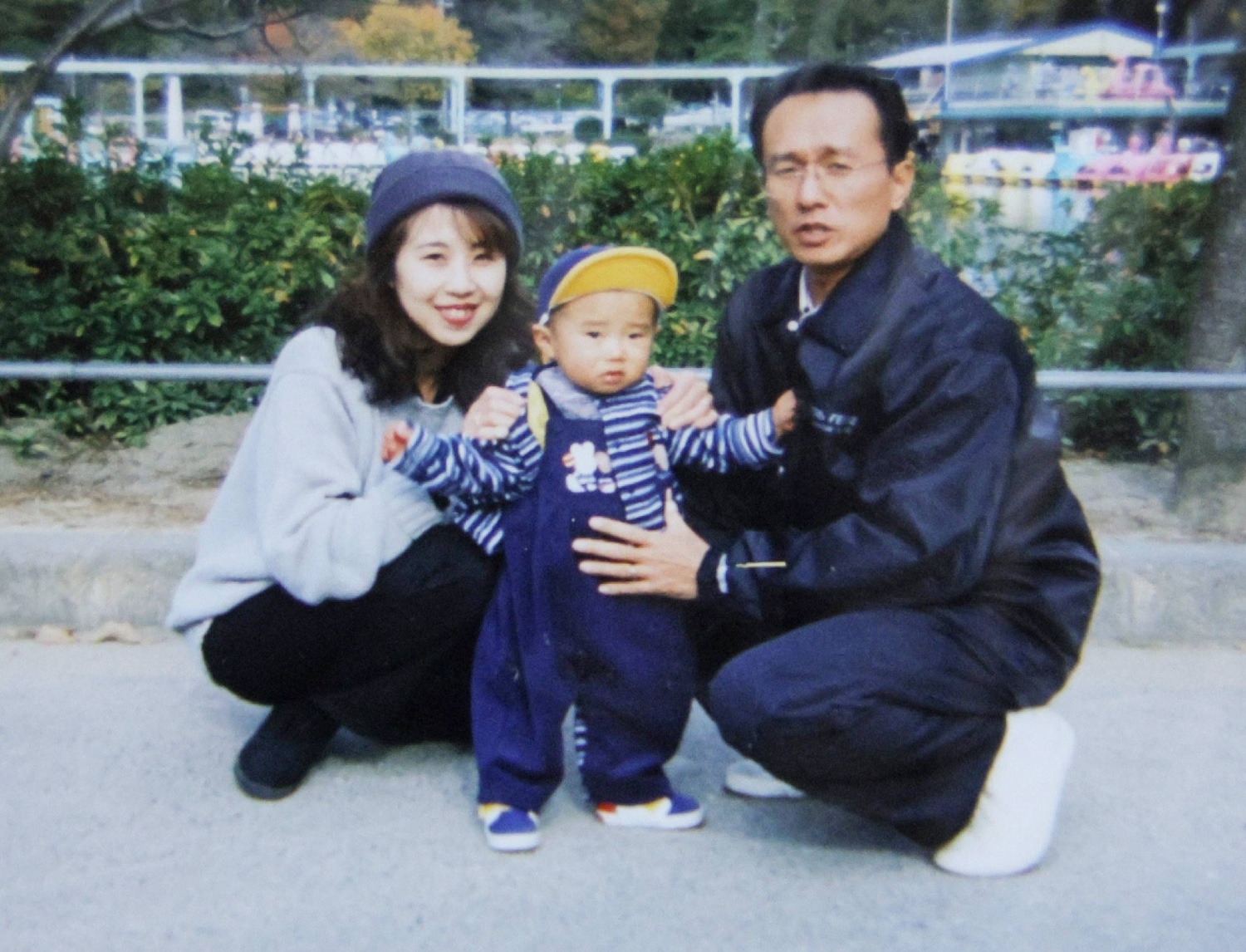
On 5 March 2026, Japanese prosecutors announced that Kumiko Yasufuku, 69, will stand trial for the murder of Namiko Takaba. The move comes 26 years after Namiko was found stabbed to death in her Nagoya apartment. For over two decades, her husband, Satoru Takaba, refused to clean the bloodstains or move a single piece of furniture, hoping to preserve the evidence until the killer was found.
The case remained one of Japan’s most notorious cold cases until October last year, when Yasufuku—a former high school classmate of Satoru—was arrested. While she has admitted to the killing, the motive remains a mystery.
A life interrupted
In November 1999, Namiko Takaba was a 32-year-old mother who had just told her husband she was “the happiest she had ever been.” The couple had signed a contract for a new condominium and were planning to have a second child.
That optimism ended on 13 November. While Satoru was at work, an intruder entered their home and attacked Namiko. Her two-year-old son, Kohei, was in the flat at the time but was found unharmed beside his mother’s body. Investigators noted the “ferocious intent” of the killer, who targeted the victim’s neck with surgical precision.
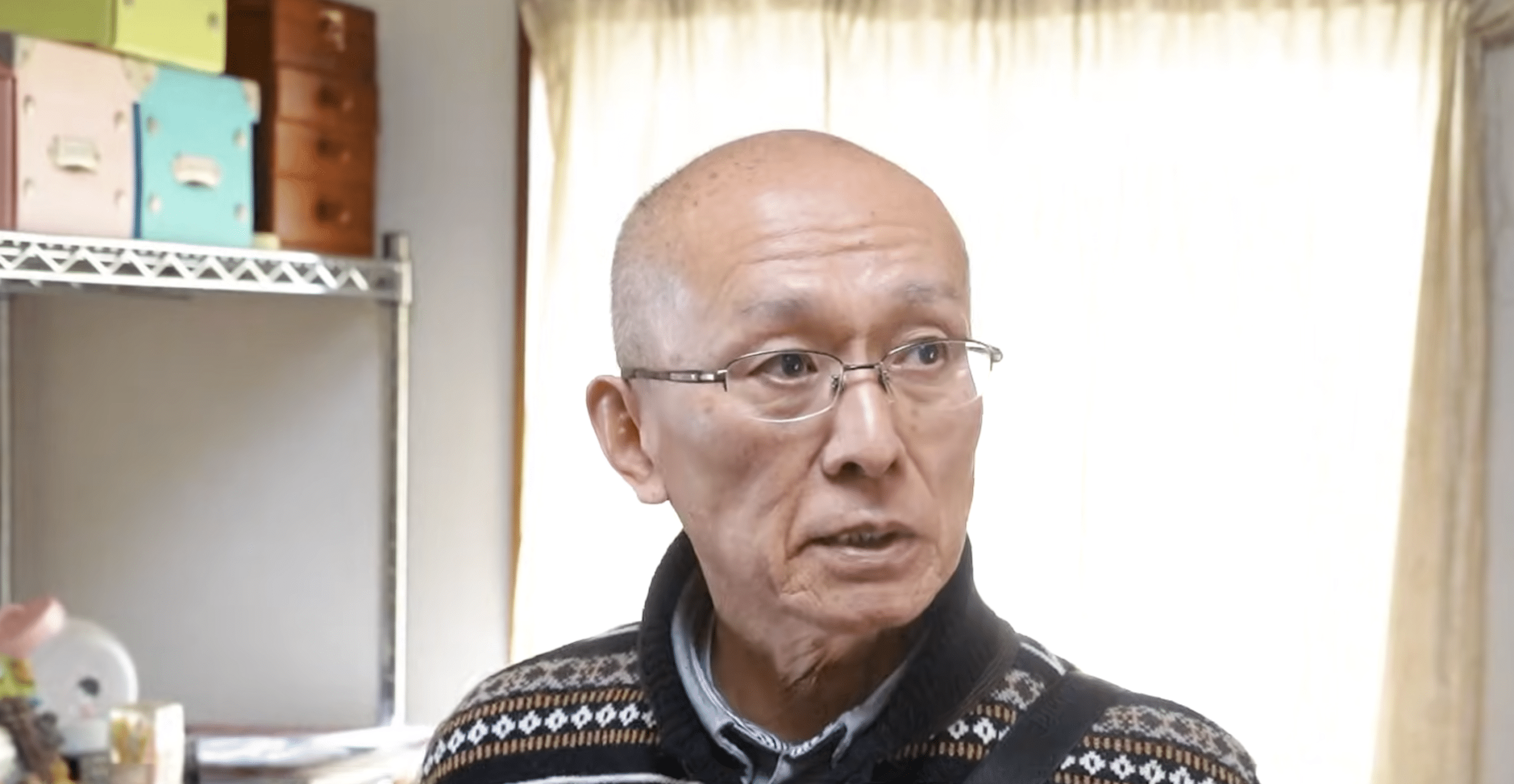
Satoru Takaba made a choice that captivated the Japanese public: he never let the crime scene go. He and his son moved out, but Satoru continued to pay the monthly rent on the empty, blood-stained apartment for 26 years. He spent approximately 22 million yen ($145,000) on the property.
“If I cry and grieve, that is just giving the killer what they want,” Satoru said in an interview shortly after the murder. He turned the tragedy into a campaign for justice, helping to lead the movement that eventually abolished the statute of limitations for murder in Japan in 2010. Without this legal change, the killer might have walked free years ago.
A breakthrough in the cold case
The investigation took a sharp turn in 2024 when a new inspector was assigned to the case. Police narrowed their focus to a circle of roughly 500 people connected to the family who had previously refused to give DNA samples.
In August 2025, officers visited Yasufuku. She initially refused to provide a sample, but on 30 October, she walked into a police station and hinted at her guilt. A DNA match with blood found at the crime scene—believed to have come from a wound the killer sustained during the struggle—confirmed her identity.
A mystery remains
Despite the arrest, the “why” of the crime is still missing. Satoru remembers Yasufuku as a classmate who once had a crush on him in high school. They had spoken briefly at a reunion just months before the murder, but Satoru says he had no idea she harboured any ill will.
Yasufuku told investigators she had been “anxious every day” for 26 years, especially as the anniversary of the killing approached. For Satoru, the indictment is a milestone, but the apartment remains as it was—a silent witness to a question that has not yet been answered.