HYBE is facing market jitters after BTS’ long-awaited comeback concert in Seoul drew significantly fewer fans than expected — triggering a sharp sell-off in the company’s stock.
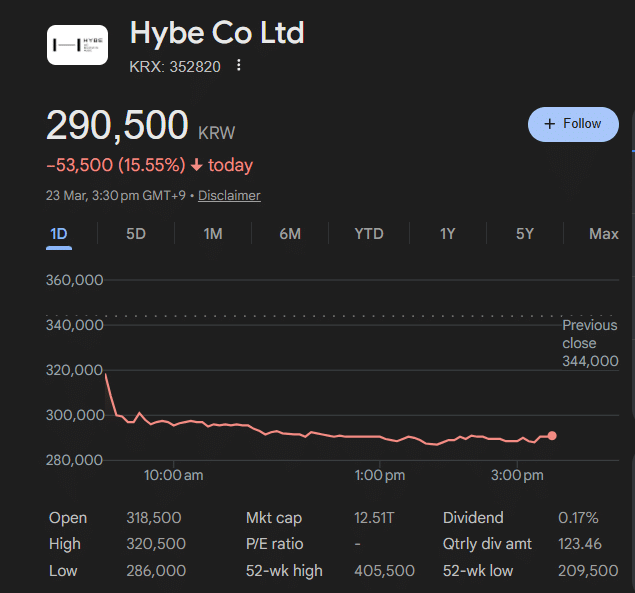
On Monday, HYBE shares tumbled nearly 15%, wiping out months of momentum that had been building ahead of BTS’ reunion and new album release. The drop pushed the stock to a four-month low, underscoring just how much the company’s fortunes remain tied to its biggest act.
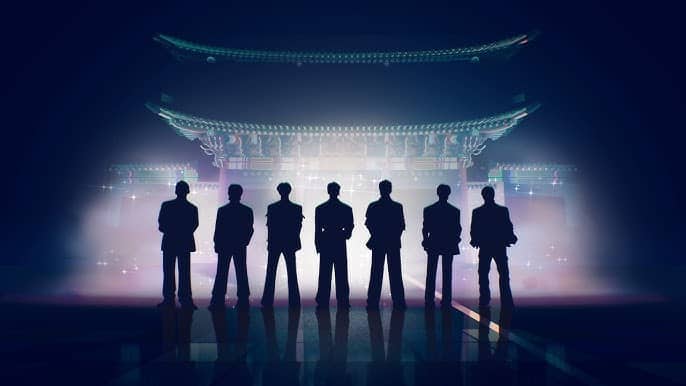
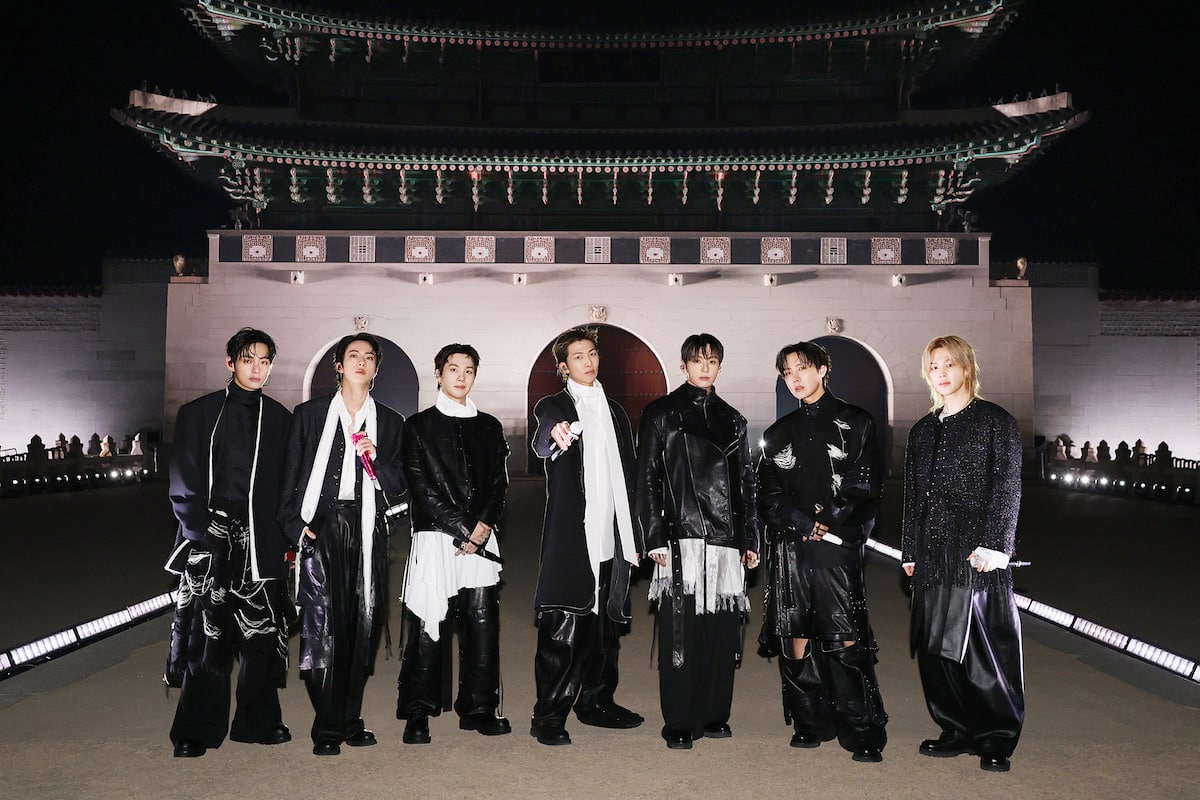
Saturday’s free concert at Gwanghwamun Square marked the first time all seven members — Jin, Suga, J-Hope, RM, Jimin, V, and Jung Kook — performed together since their 2022 hiatus for mandatory military service.
But while the symbolic weight of the reunion was undeniable, the numbers quickly became the story.
HYBE claimed around 104,000 attendees, based on aggregated mobile data across telecom providers. Yet city officials and police estimates painted a very different picture, suggesting real-time crowd figures closer to 40,000–42,000 — less than half of HYBE’s count, and far below early projections of up to 260,000.
The discrepancy sparked debate online, with critics pointing to inflated counting methods while others argued the difference came down to how crowds were measured — cumulative foot traffic versus a single-time snapshot.
Even taking HYBE’s higher estimate at face value, turnout still fell well short of the quarter-million figure that had circulated ahead of the show.
That gap matters.
The concert wasn’t just a fan event — it was the opening signal for BTS’ 82-date world tour and the launch of their new album Arirang, which reportedly sold 3.98 million copies on day one. In many ways, it was a litmus test for post-hiatus demand.
Read more: BTS Album Arirang Drops, Leader RM Injures Ankle Ahead of Historic Seoul Comeback Gig
Instead, the softer-than-expected physical turnout has raised questions about how BTS’ global audience now engages — and whether the rules of K-pop fandom have shifted during their absence.
Not all of the blame falls on fan interest.
The concert was livestreamed globally via Netflix to more than 190 countries, offering a frictionless alternative to showing up in person. Viewership data, expected later this week, could significantly reshape the narrative.
At the same time, strict crowd control measures likely capped attendance. Authorities issued emergency alerts advising people to avoid the area, nearby subway stations were bypassed, and security was tightened amid heightened sensitivity around large gatherings.
In other words: the lower turnout may have been, at least in part, by design.
Still, markets reacted swiftly — and harshly.
BTS remains HYBE’s primary revenue driver, and the company has already felt the financial strain of the group’s hiatus, with operating profits dipping in recent years. The comeback was expected to mark a decisive rebound.
Instead, it’s introduced uncertainty.
Compounding the pressure is a far more crowded global stage. Since BTS last toured in 2019, K-pop has exploded worldwide, with acts like BLACKPINK, SEVENTEEN, and Stray Kids commanding massive followings of their own.
Even more telling: competition isn’t just coming from real artists. KPop Demon Hunters — a fictional K-pop phenomenon — is reportedly being developed into a global tour by Netflix, blurring the lines between music, IP, and entertainment spectacle.
Read more: Netflix Plans Global Tour With HUNTR/X Trio Following ‘KPop Demon Hunters’ Success
For all the scrutiny, one thing remains clear: BTS can still command global attention at a scale few artists can match.
But the Gwanghwamun turnout — however it’s counted — reveals a more nuanced reality. In 2026, success isn’t just about how many fans show up in a square. It’s about how, where, and why they choose to engage.
And for HYBE, the market is watching closely.