In the ecosystem of modern cinema, the trajectory for a minority filmmaker often follows a predictable, if disheartening, script. You create a small, specific film about your own people. It becomes a sleeper hit. Critics use words like “fresh” and “necessary.” Then, as soon as the doors of a major studio swing open, you are never seen in that neighbourhood again. You are whisked away to direct a sci-f-i blockbuster or a period piece starring a white A-lister to prove you have “range.”
Philip Wang, the co-founder of Wong Fu Productions and a veteran of the independent Asian American film scene, recently broke a long-standing industry silence. He pointed to a pattern of what he calls “white adjacency” among Asian American directors who, after achieving mainstream success, abandon Asian-centered stories to chase the prestige of “white-led” projects.
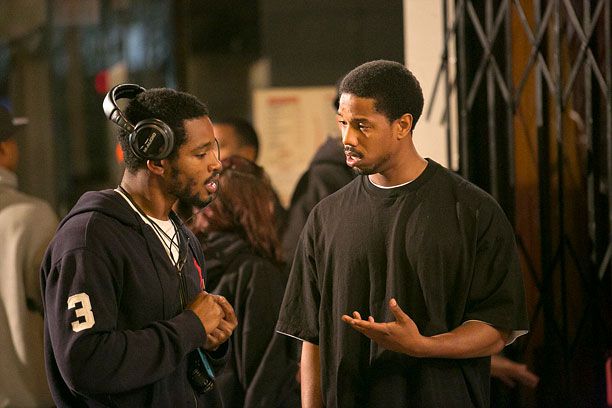
Wang frames his critique through the lens of Ryan Coogler. The career of the Black Panther director is a study in community building. Coogler did not treat his Blackness as a stepping stone; he treated it as a foundation.
“Jordan was the lead in Coogler’s first feature film, Fruitvale Station, back in 2013,” Wang noted. “It was made for under $1,000,000 and went on to be critically acclaimed and incredibly profitable… Coogler got an opportunity to direct his first major studio film, Creed, and he cast Jordan as the lead again.”
This partnership continued through the Marvel Cinematic Universe. Coogler used his rising tide to lift his peers, creating a network of power that includes figures like Ava DuVernay and Jordan Peele. They did not leave their community to find success; they brought success back to the community.
In contrast, Wang argues that Asian American filmmakers often view their cultural identity as a “one and done” card. “As soon as white Hollywood notices them, they hop onto a white-led or centered project next,” Wang said. “To me, that totally deflates the pride I had because it means all the momentum gets lost.”
The systemic forces at play here are heavy. Representation in Hollywood is not just about who is in front of the camera, but who is holding the purse strings. For an Asian American director, the move toward white-centered stories is often a survival tactic suggested by agents and managers.
Wang describes the typical industry advice: “Hey, don’t pigeonhole yourself as just an Asian director who can only do Asian stuff. You should go make a movie with like Timothée Chalamet or something to prove you’re a real director.”
Read more: Wong Fu Productions co-Founder Philip Wang says ‘90% of our content is is not Asian-specific
This creates a paradox. A filmmaker wins an Oscar for an Asian story, proving that Asian stories are globally viable. Yet, the industry—and the filmmaker—concludes that the only way to prove they are a “real” artist is to stop telling those stories. It suggests that Asian-ness is a niche, while whiteness is the universal default.
Online commenters have echoed this frustration. Bart Kwan, a fellow creator, noted that when one person reaches the top, they rarely “drop the rope ladder back down for others to climb.” Instead, every new success has to start from scratch.
The Myth of Universal Appeal
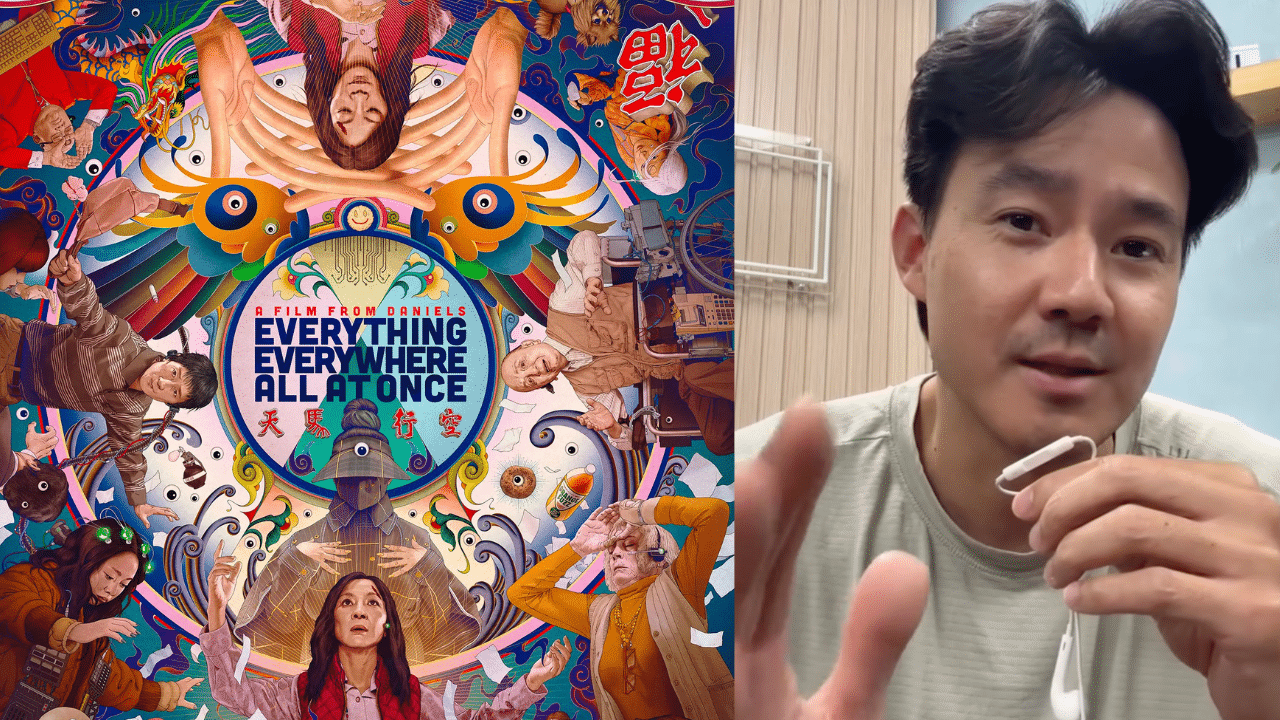
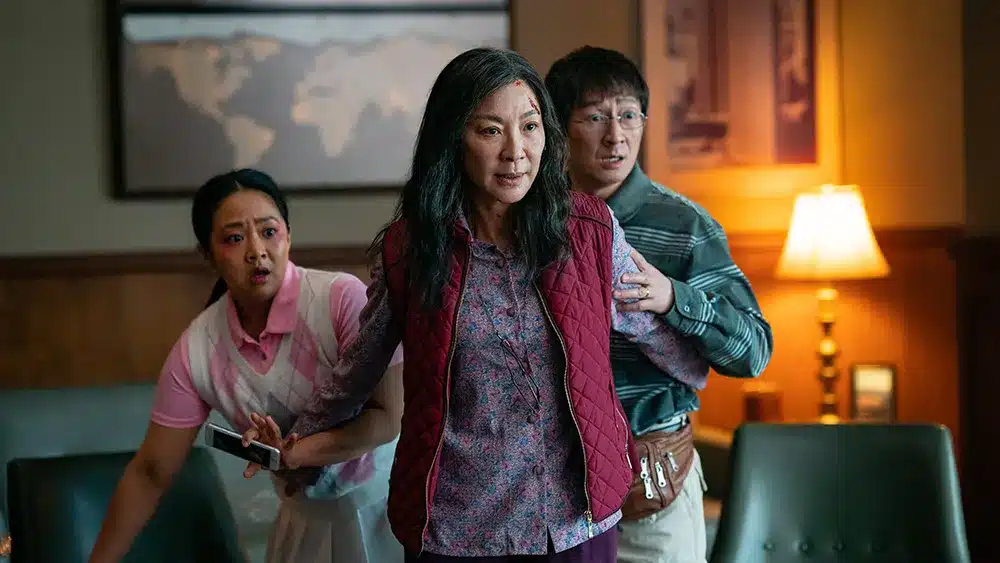
There is a recurring idea in creative circles that for a story to be “universal,” it must be white. This is the fallacy Wang is trying to dismantle. If a film like Everything Everywhere All At Once or Parasite can sweep the Academy Awards, the argument that Asian stories are too specific for a general audience is dead.
However, the “white validation” trap remains. Some filmmakers feel that working with white stars is the only way to “level up.” Wang argues this is a mistake of perspective. “We should have the confidence in ourselves to keep going the same way Coogler and many other Black filmmakers do,” he said.
By moving immediately to white-centric projects, directors inadvertently signal that their Asian projects were just a “risk” they had to take to get in the door. It turns culture into a commodity rather than a mission.
Why the “Elevator” Isn’t Going Down
The Black filmmaking community has spent decades building an infrastructure of production companies, casting agencies, and festivals. The Asian American community is arguably in an earlier stage of this process. As one commenter, Cindy Pon, pointed out, the gap between major Asian American hits can be decades—twenty years passed between All-American Girl and Fresh Off the Boat.
“We aren’t allowed to fumble,” Pon wrote. This fear of failure often drives talented creators toward “safer,” whiter projects. If an all-Asian film flops, the industry blames the ethnicity of the cast. If a white film flops, the industry blames the script.
But this safety is an illusion. By failing to build a “rope ladder,” successful Asian directors leave the next generation of talent—actors, writers, and cinematographers—without a platform. When a director like Coogler moves to a big project, he brings his people with him. When an Asian director moves to a big project and leaves their community behind, they leave a vacuum.

The burden of representation is often described as a weight, but Wang views it as a responsibility. He expressed disappointment in those who reached the top and failed to “send the elevator back down.”
“I’ve reached a point where I no longer have any expectations for others, and instead, I know I just have to do it myself,” Wang concluded.
Read more: ‘SNL UK’ and the Erasure of British East and Southeast Asians: Why “Diverse” Casting Still Fails
This is a call for a shift in the Asian American creative psyche. It is a demand for a “when I win, we all eat” mentality. The goal should not be to enter the “white system” and disappear into it. The goal should be to build a system where Asian stories are not a “one-off” or a “risk,” but a permanent and powerful fixture of the industry.
The Path Forward
I believe Wang is right to be uncomfortable. We see this in other industries too—the “first” of a group is often so busy trying to prove they belong that they forget to make room for the “second.”
If Asian American cinema is to move beyond being a “trend” or a “moment,” its most successful figures must stop seeking validation from a system that views them as a novelty. True power in Hollywood isn’t being hired to direct a sequel to a white franchise. True power is being the person who can say “yes” to a story that no one else will tell, and having the community behind you to make it a hit.
The industry will continue to offer the “white adjacent” path because it is easier for the status quo. It is up to the filmmakers to decide if they want to be “real directors” in Hollywood’s eyes, or leaders in their own community. As the Black filmmaking community has shown, you can actually be both. But you have to be willing to stick your neck out.
Progress is not a straight line; it is a building. And you cannot build anything if you keep taking the foundation out to start a new house somewhere else.
View this post on Instagram