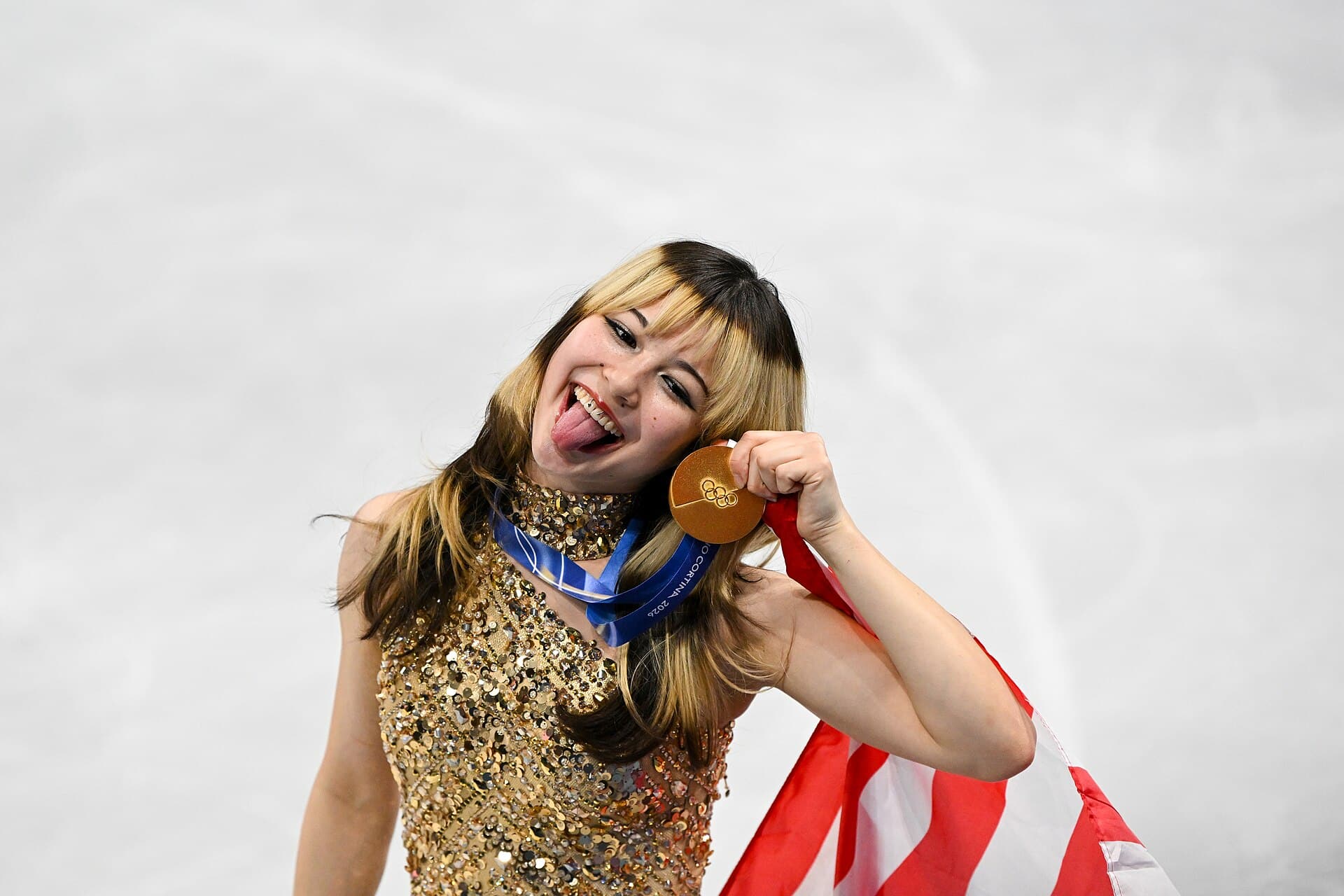
The 2026 Olympic gold medalist is back on the ice, but she isn’t sticking to a script. In a recent interview with the New York Times, figure skater Alysa Liu addressed the intense political noise surrounding her and fellow Bay Area athlete Eileen Gu.
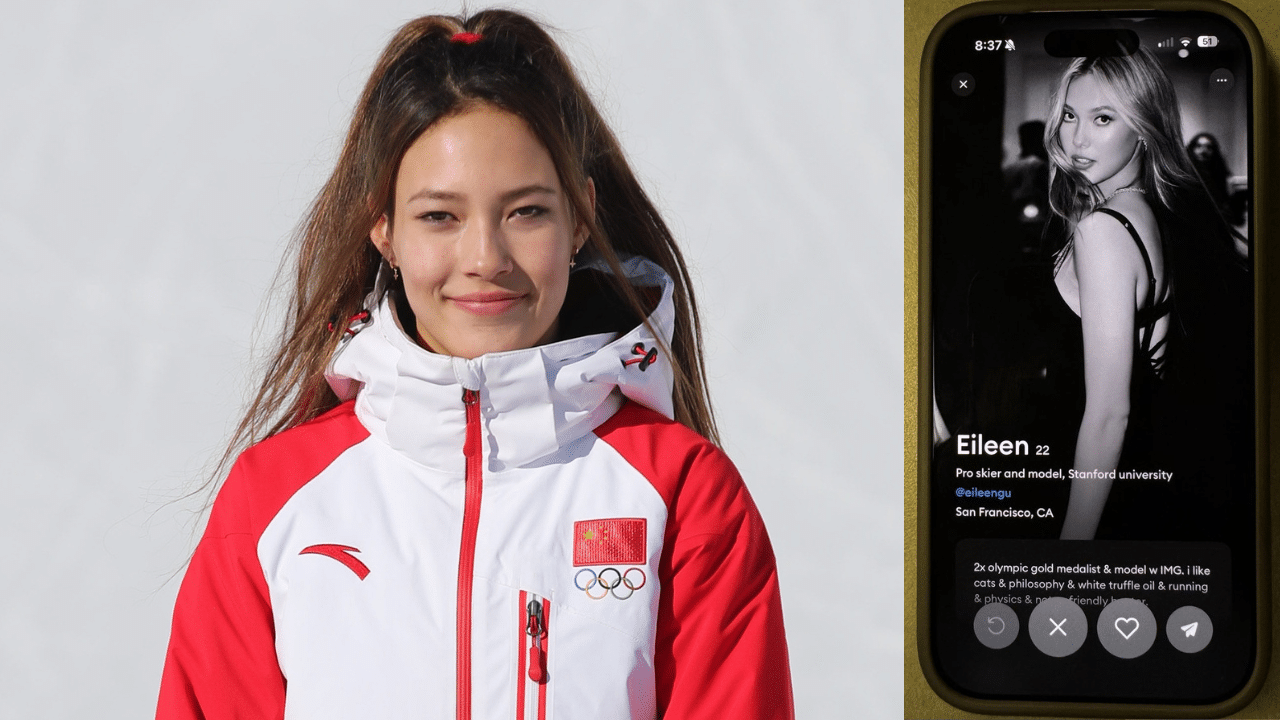
While the public often tries to frame these athletes as either heroes or liabilities based on which flag they represent, Liu sees the situation differently. She views the backlash against Gu—who chose to compete for China—as a contradiction of how immigrants are often treated in the U.S.
The “hypocrisy” of the Eileen Gu discourse
For years, the conversation around Eileen Gu has been polarized. Some see her as a global superstar; others see her as a political pawn. Liu, who has known Gu since they were 13, thinks the critics are missing the point.
“I think people are hypocritical for shaming her for representing China,” Liu told the New York Times. “So in my head it’s a bit hypocritical, because her mom is an immigrant. Y’all would have told her to go back to China. Now that they’re back in China, you’re mad.”
Liu laughed off the idea that national borders should define an athlete’s worth. “And it’s sport, it doesn’t matter what country we represent. Sport is sport, and she has a love for competition, she has love for the game. I think that’s all that matters. There’s no shame in going to where opportunity is.”
Read more: Alysa Liu Wins Olympic Figure Skating Gold to Cap Historic Comeback
Liu isn’t just vocal about politics; she’s also critical of the sport that made her famous. After a brief retirement at age 16, she returned to win gold in Milan-Cortina, but she still thinks the current skating world is broken.
She argues the competition system is too long for most people to watch and the scoring is too confusing for even the athletes to follow. According to Liu, the entire system needs to be scrapped and rebuilt from scratch to stay relevant.
“The competition system and the setup just isn’t fit for consumption, honestly, because the competitions are too long, no one can sit through and watch all that,” Liu said. “And people don’t understand the scoring. Sometimes I don’t either.”
The struggle with toxic training culture
Her return to the sport came with a new perspective on the mental and physical toll of elite skating. Liu spoke openly about her past struggles with body image and the lack of a personal life during her early career. She spent years working with a sports psychologist to undo the damage from a “crazy” training culture that offered no days off.
“I would not want any kid to not have a day off,” she noted, adding that coaches need significantly better training to protect young athletes.
For Liu, the “glide” of the ice brought her back, but she’s no longer willing to let the sport consume her entire identity. She finds her creative outlet in photography and hip-hop dance classes in Oakland, viewing skating more as an athletic challenge than an artistic one.
“Figure skating does not artistically satisfy me,” she admitted. While she loves the “fight” and the intense emotions of competition, she’s clear that the sport is a vehicle for her willpower—not her whole world.