For more than a decade, K-pop has set the pace for global pop culture, from sold-out stadium tours to record-breaking chart runs, yet the Grammys remained stubbornly out of reach. This year, that barrier finally cracked — and it happened not through a traditional idol comeback, but via a Netflix animated film.
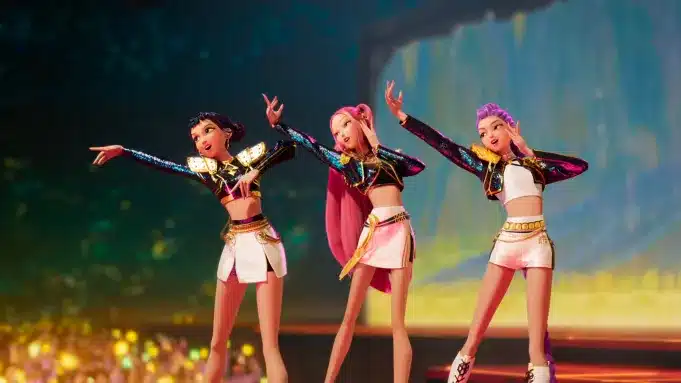
KPop Demon Hunters, a fantasy-action animation about a fictional K-pop girl group moonlighting as demon slayers, has delivered the industry’s first Grammy-winning K-pop song. Its soaring lead track ‘Golden’ clinched Best Song Written for Visual Media at the 68th Grammy Awards’ Premiere Ceremony in Los Angeles, marking the first time a K-pop song has been recognized with a Grammy.
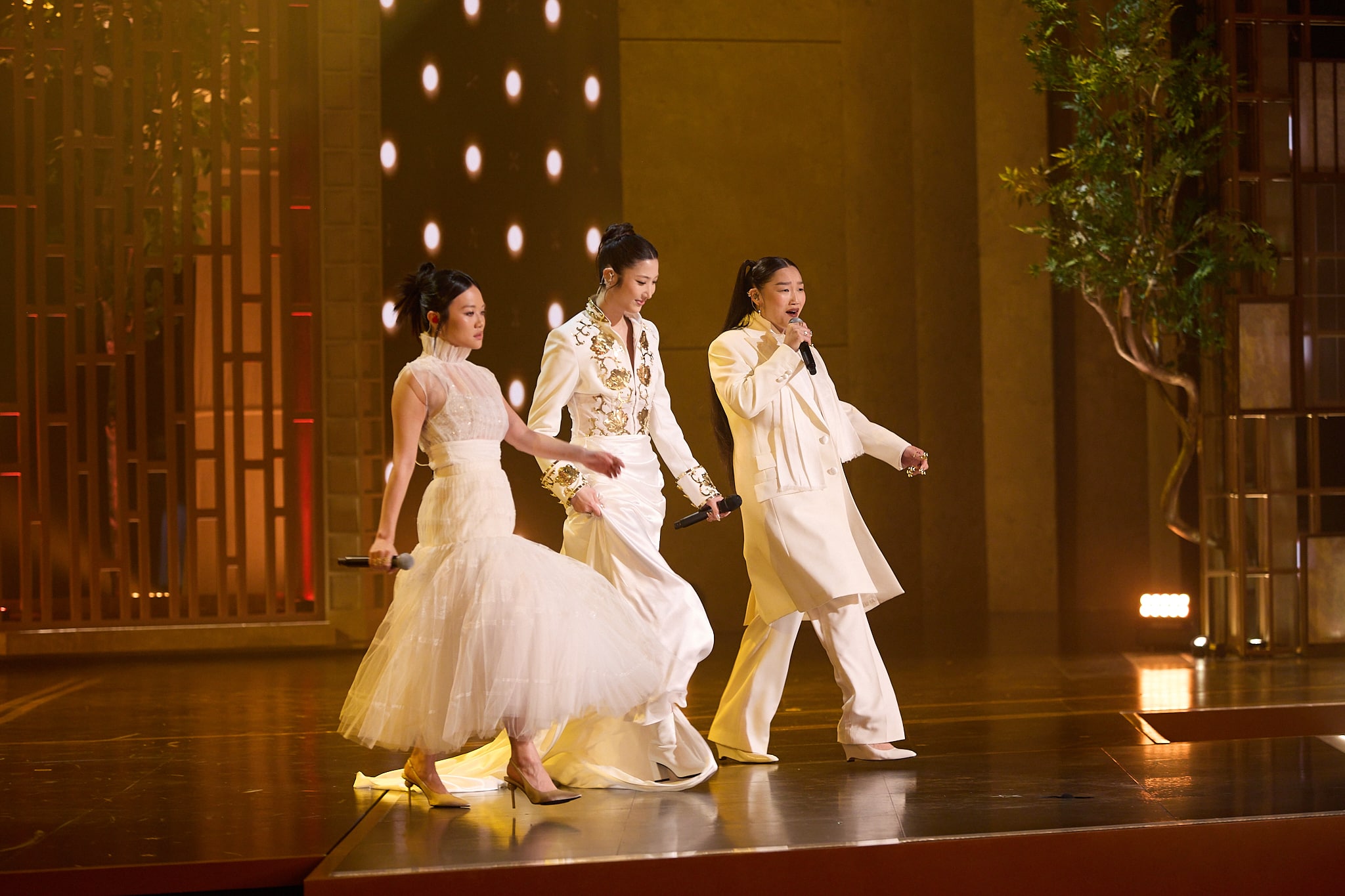
Sung by EJAE in-character as a member of in-film group HUNTR/X, ‘Golden’ was crafted by a powerhouse lineup of K-pop specialists, including Teddy, 24, Lee Yu-han, Kwak Joong-gyu and Nam Hee-dong. The track’s fusion of cinematic drama and polished K-pop production helped it dominate the Billboard Hot 100 and the UK Official Singles Chart, becoming the first K-pop song to sit at No. 1 on both simultaneously. What began as an original soundtrack cut quickly evolved into a global pop event.
Crucially, this breakthrough arrived through what many critics have called a Western phenomenon. KPop Demon Hunters is a Netflix-backed, globally marketed animation that rode the momentum of Hallyu while also being positioned squarely for Western audiences, where it topped streaming charts in dozens of countries and drew tens of millions of views in its first week.
View this post on Instagram
The Grammy category ‘Golden’ won — Best Song Written for Visual Media — honors the songwriters behind tracks created specifically for film, television, or other screen media. On stage at the Premiere Ceremony, members of the songwriting and production team accepted the award, representing the first time K-pop-focused composers and producers have been recognized by the Recording Academy in this way.
The song was also nominated for Best Pop Duo/Group Performance, but that award ultimately went to Cynthia Erivo and Ariana Grande’s ‘Defying Gravity.’
Even with those misses, ‘Golden’ is still in the running for Song of the Year — one of the Grammys’ coveted “Big Four” categories — while Rosé’s ‘APT.’ has picked up additional Big Four nods including Record of the Year. Together, the nominations suggest that K-pop is shifting from guest status to a recurring presence in spaces once dominated by Western pop alone.
For fans who have watched previous Grammy cycles pass without a K-pop win — despite headline-grabbing nominations for groups like BTS — the route this victory took is telling. Instead of rewarding an idol performance outright, the Recording Academy first opened the door to a K-pop song framed inside a Western-distributed animated blockbuster with a clear narrative hook and a familiar Hollywood-adjacent format.
Read more: American Girl Faces Backlash Over “Whitewashed” ‘K-Pop Demon Hunters’ Dolls
That doesn’t diminish the achievement; if anything, it underlines how K-pop has learned to weaponise collaboration and cross-media storytelling. KPop Demon Hunters enlisted veteran producers like Teddy Park specifically to ensure its soundtrack would stand as legitimate K-pop, not pastiche, while still being legible to Western listeners raised on Disney and Hollywood animation.
‘Golden’ is the proof of concept: a song that feels authentically K-pop yet travels smoothly through Western industry structures, from Netflix’s algorithm to the Grammys’ voting pools.
Read more: History Made: EJAE is the First Korean-American Awarded Best Original Song at Golden Globes
Looking ahead, this win could reshape how Korean creators navigate Hollywood and streaming platforms. KPop Demon Hunters shows how Korean music and storytelling can tap Western financing and distribution while retaining creative control and cultural specificity, creating space for more co-produced projects that are neither fully “K-drama” nor traditionally “Hollywood.”
If the first Grammy-winning K-pop song was born in an animated, globally marketed Netflix universe, the next wave may come from even more hybrid projects — games, series, and films where K-pop isn’t just on the soundtrack, but embedded into the worldbuilding from day one.