The British television industry often promotes its commitment to diversity. You see it in the marketing campaigns and the annual reports. However, for British East and Southeast Asians (ESEA), these promises feel empty. If you look at the current landscape of UK comedy, the absence of ESEA faces is more than a coincidence. It is a systemic failure. This lack of representation means that a significant part of the British population rarely sees their lives or humour reflected on screen.
Broadcasters frequently use the term “diverse” to describe their new programmes. But when you examine the casts, certain groups are consistently left out. ESEA actors and comedians are stuck in a cycle of minor roles or stereotypical characters. This matters because television shapes how we see each other. When a group is invisible on screen, they become invisible in society.
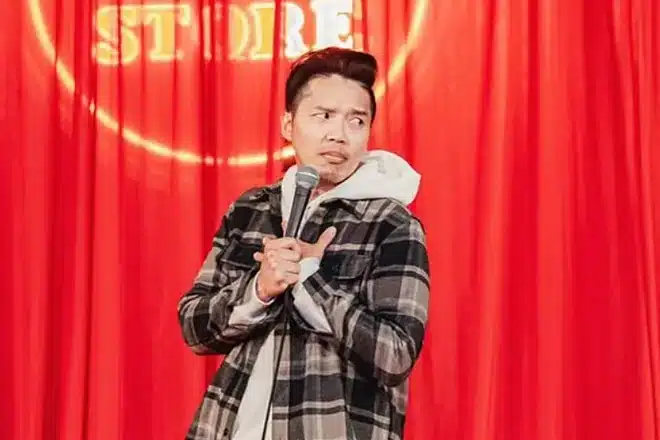
The problem is not a lack of talent; there are many ESEA performers, such as Evelyn Mok, Su Mi, Ken Cheng, and Martin F Wong, driving the industry forward in the UK today. These artists are selling out shows at the Edinburgh Fringe and building massive audiences online, proving the demand is there. The bottleneck remains at the executive level. The people who greenlight shows do not seem to know how to include ESEA voices without making their ethnicity the sole focus of the joke.
The failure of the UK version of SNL
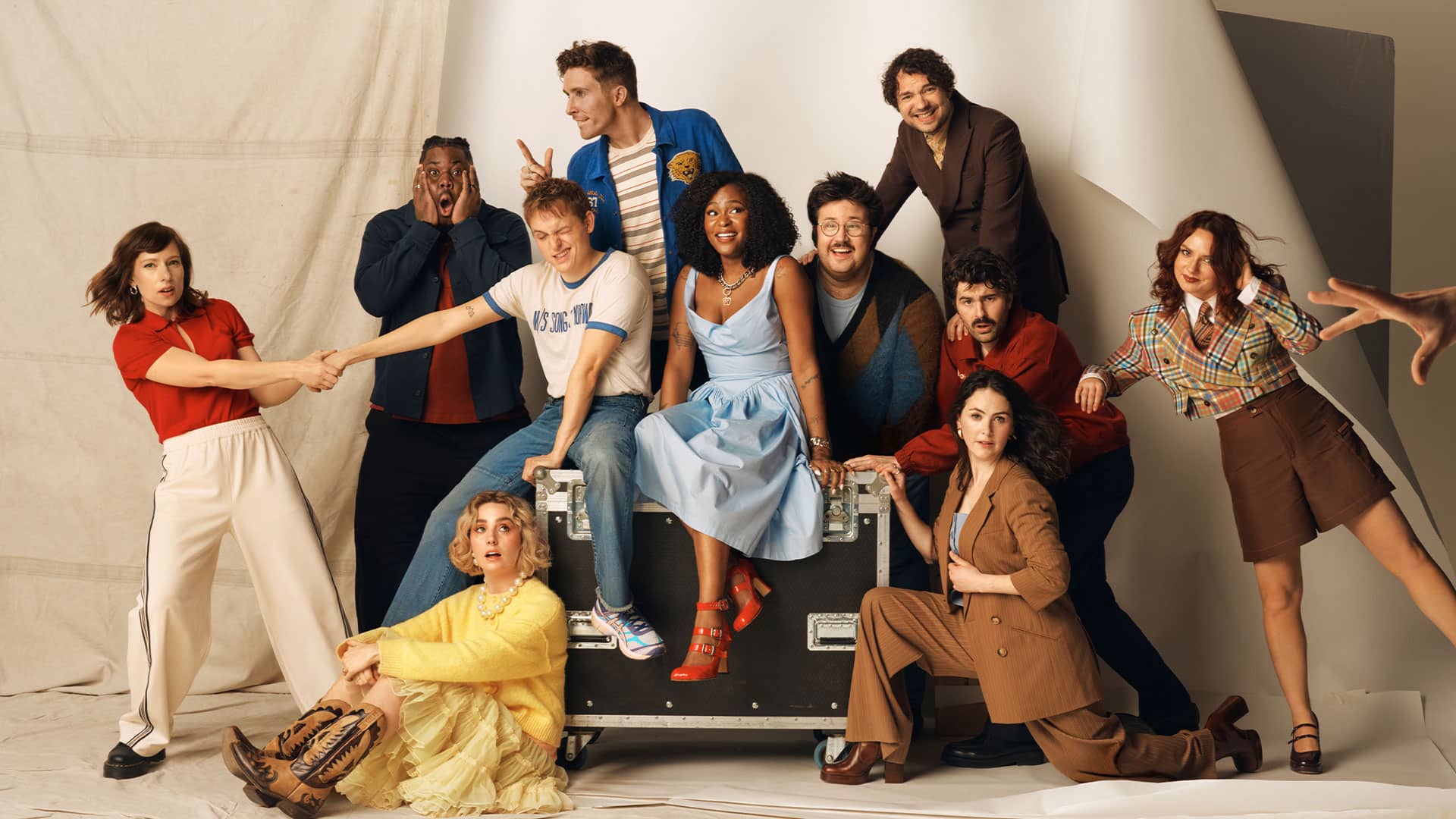
The most recent and stinging example of this exclusion is the casting of the British version of Saturday Night Live. When the lineup was announced, it was presented as a win for representation. The cast features a range of performers from different backgrounds. However, a closer look reveals that not a single person of East or Southeast Asian heritage made the cut.
This omission is staggering. SNL is a format built on topicality and reflecting the current state of the nation. By ignoring ESEA comedians, the producers are suggesting that this community has nothing to say about British life. It sends a clear message to young ESEA creatives that even in a space designed to be “diverse,” they are not invited.
The SNL casting is a symptom of a much larger disease. It shows that diversity in the UK is often treated as a checklist. Once a few boxes are ticked, the industry feels it has done enough.
When you look at the American version of SNL, the difference is stark. Over the last few years, the US show has integrated Asian American performers like Bowen Yang. These performers are not there to fill a quota. They are central to the show’s success. They bring a specific energy and style that has helped the show stay relevant. The UK version has failed to learn this lesson.
Comparing the UK to the United States
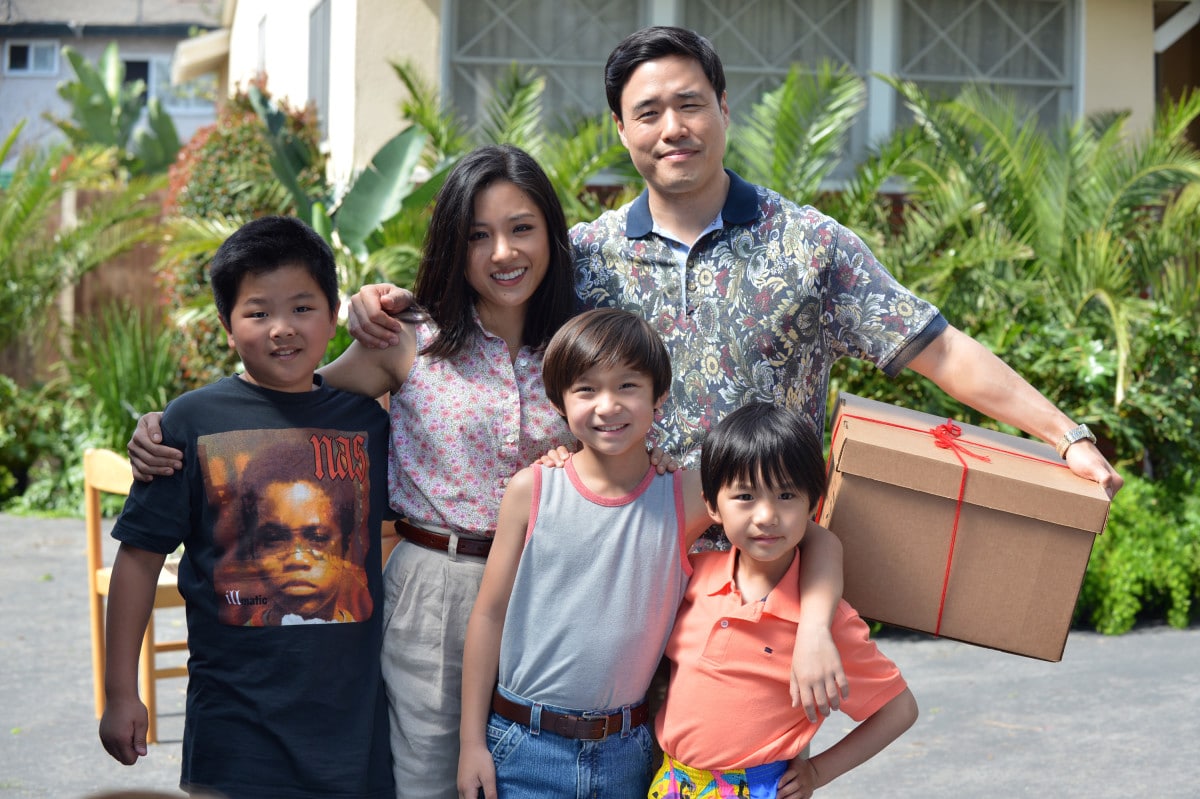
The United States is far ahead of Britain in this regard. In the US, Asian American representation has moved beyond the “sidekick” phase. Shows like Beef, Fresh Off the Boat, and Awkwafina Is Nora from Queens have proved that Asian-led stories are commercially viable. They attract global audiences and win awards. These shows allow their characters to be messy, funny, and human.
In the UK, we are still waiting for our version of this. Most ESEA characters on British TV are still defined by their relationship to immigration or their professional roles, like doctors or takeaway owners. We rarely see ESEA characters who are allowed to be simply funny or deeply flawed in a way that isn’t tied to their heritage.
The American success story shows that there is a massive appetite for these stories. Netflix and Hulu have capitalised on this, while British broadcasters like the BBC and ITV remain hesitant. This hesitation is costing the UK industry. We are losing talent to the US because performers feel they have to move abroad to get a leading role.
The comedy circuit and the glass ceiling
The UK stand-up circuit is where many TV stars start. If you go to comedy clubs in London or Manchester, you will see ESEA comedians doing great work. But the transition from the stage to the screen is broken. Talent scouts and agents seem to have a blind spot.
Many ESEA comedians report being told that their material is “too niche.” This is a coded way of saying that white audiences might not understand it. It is a lazy excuse. Good comedy is universal. If a comedian can make a room full of strangers laugh in a club, they can make a TV audience laugh.
Read more: British East and Southeast Asian Representation in UK TV: A Deepening Crisis
The industry needs to stop treating ESEA talent as a risk. The real risk is staying the same. By ignoring ESEA voices, British comedy is becoming stale. We are seeing the same types of observational humour over and over again. New voices bring new ideas and new ways of looking at the world.
Changing the industry from the inside
To fix this, we need more than just ESEA actors on screen. We need ESEA writers, directors, and producers. These are the people who decide which stories are told. Without people of ESEA heritage in the writers’ room, the scripts will continue to rely on old tropes.
Representation is not just about a face on a poster. It is about who has the power to create. Until British television addresses the lack of ESEA professionals behind the scenes, the output will not change. We need a fundamental shift in how the industry recruits and promotes talent.
The current system relies on “who you know.” This naturally favours people who are already in the inner circle. We need transparent casting processes and a genuine effort to reach out to ESEA creative communities. It is time for the UK television industry to prove that its talk about diversity is more than just a PR exercise.
View this post on Instagram