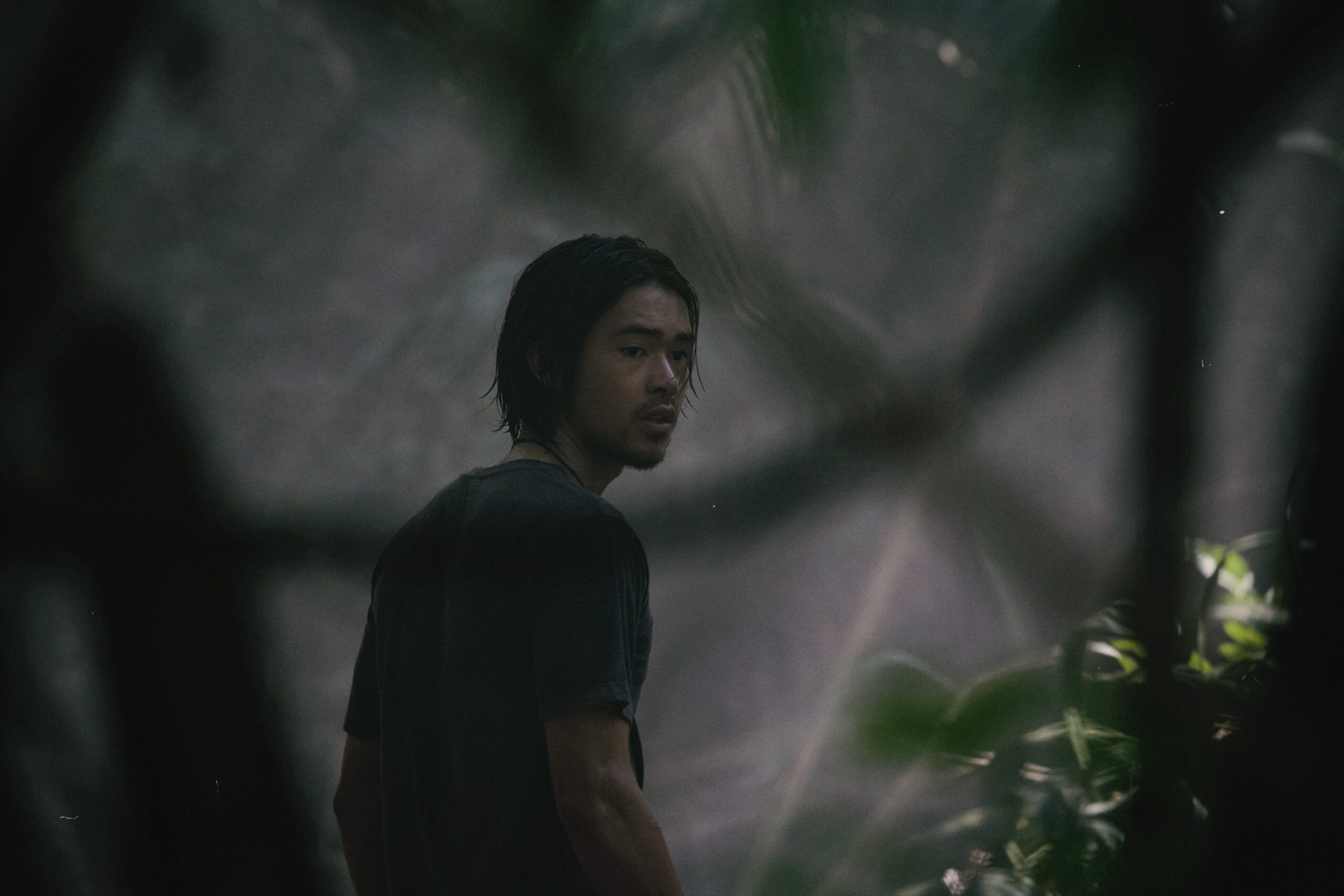
In 2018, the world decided John Allen Chau was a fool. He was the 26-year-old American missionary who paddled a kayak toward North Sentinel Island, hoping to convert an uncontacted tribe, only to be killed by a flurry of arrows. The internet reaction was swift and cold. He was a meme, a warning, a headline. But when filmmaker Justin Lin saw Chau’s face on the news, he saw something else. He saw a son. He saw a brother. He saw himself.
Lin, famous for the petrol-drenched spectacle of the Fast & Furious movies, has walked away from the blockbusters to tell this story. The result is Last Days, a film that feels less like a biopic and more like a fever dream of identity and isolation. To find his John Chau, Lin didn’t look to Hollywood. He looked to a stage at the BFI in London, where a young man from Brixton was reading a poem.
Sky Yang is that man. A 2020 LAMDA graduate with the kind of sharp, observant energy you only get from growing up in South London. “Everyone is stacked on top of each other,” Sky tells me about his home. “So it’s always felt like a very fruitful place to watch people.”
Our meeting is a far cry from the motorways of the American Mid-South. Sky is thoughtful and direct. He doesn’t talk like an actor looking for a paycheque; he talks like a filmmaker who happened to get cast as the lead. The story of how he got the job sounds like something from a script. He was performing a piece called Sunny at a Milktea BFI event. Justin Lin was in the audience.
“Justin later told me that while he was at the BFI watching me on stage, he thought, ‘This guy looks a little like the character we’re trying to cast,'” Sky says. “It was just divine chemistry.”
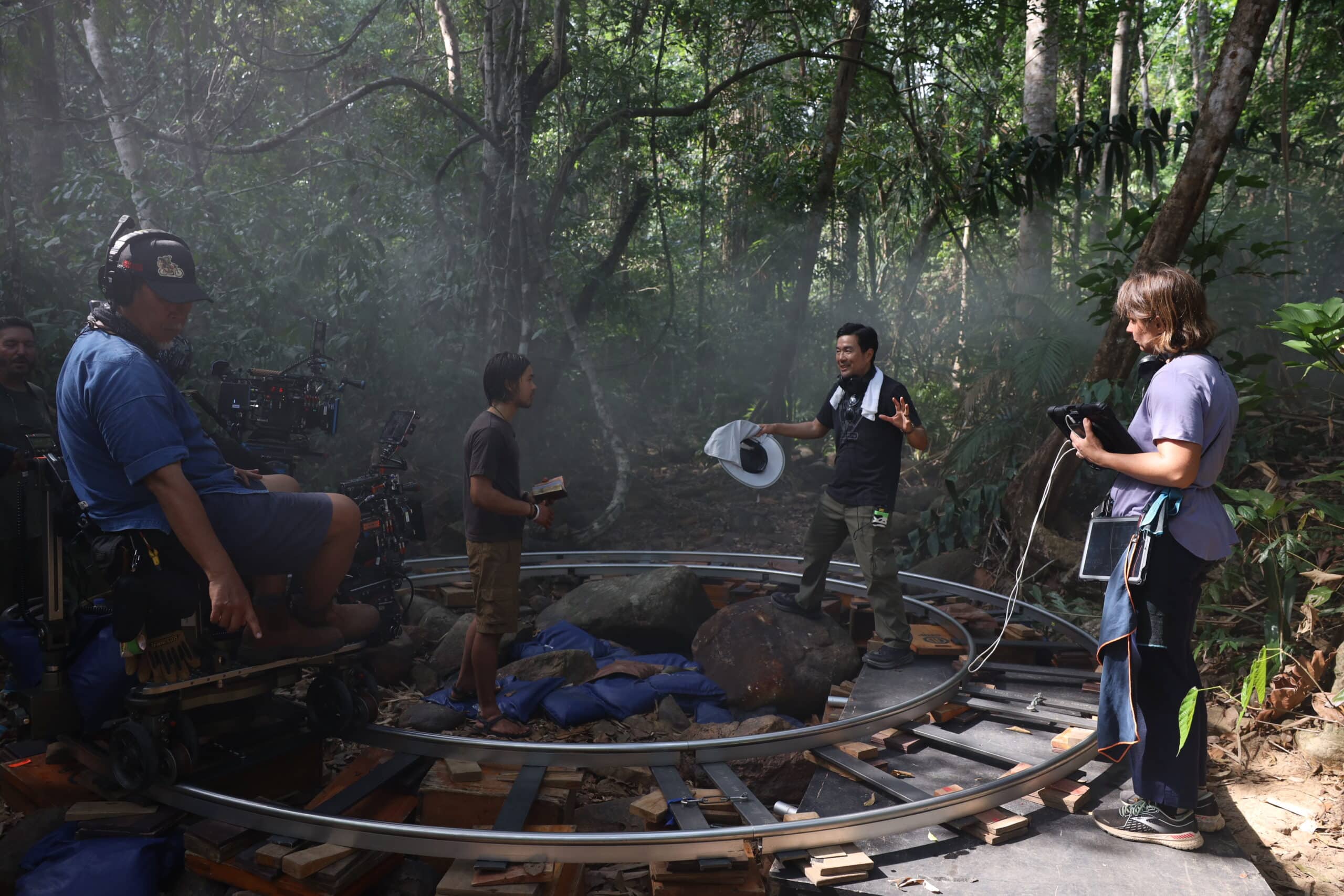
The film itself is a strange beast. It isn’t a straightforward religious drama. It jumps between genres—adventure, family drama, even a police procedural. It mirrors the way we all try to be the heroes of our own stories. For Sky, the preparation for this role was born out of a specific kind of terror. He didn’t just read the Bible; he went to Oklahoma.
“I went without a plan,” he admits. “My intention was to knock on church doors, meet people, and ask about missionary work to find the ‘why’ for the character.” He relied on the kindness of strangers in a way that feels unthinkable in the city. “I stayed on the sofas of people just released from prison, on farms, and on the floors of missionary students. It rewired my brain regarding what kindness looks like.”
This trip was essential because Sky didn’t grow up religious. He had to understand the “Great Commission”—the biblical mandate to spread the gospel at any cost. He discovered that for many, faith is a relationship that fills a void. For the fictional John Chau in this film, that void was a craving for intimacy and the approval of a distant father, played by Ken Leung.
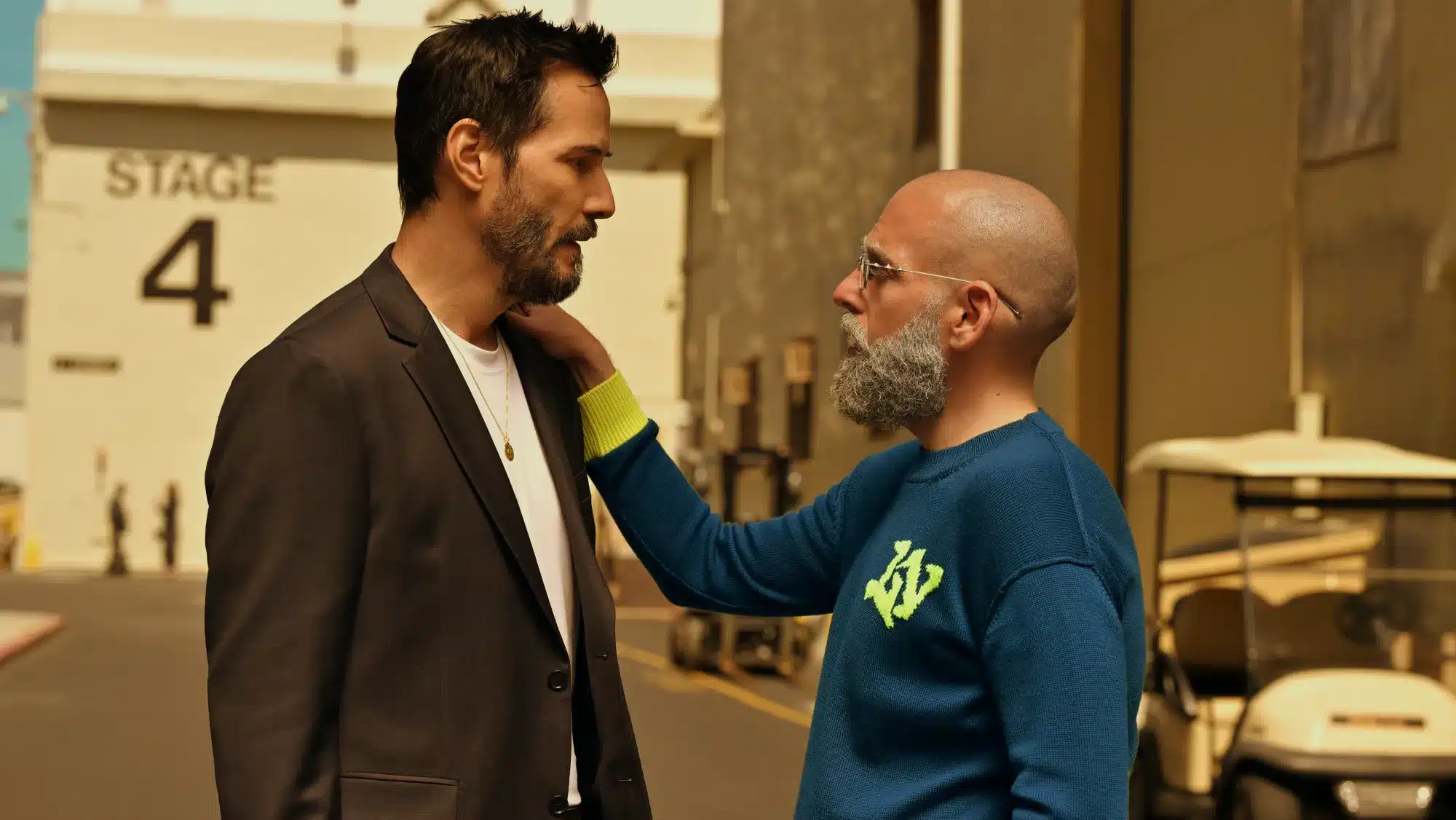
The relationship between Sky and Leung on set was its own experiment in distance. Leung, a veteran of Lost and Industry, chose not to meet Sky before they filmed. He wanted the awkwardness to be real. “Justin told me, ‘Ken doesn’t want to meet,’ and I’ll admit, that hurt a bit,” Sky says. “But Ken knew that the first time you meet someone is huge. Our characters, Patrick and John, have such a distance between them, and Ken wanted to use that organic chemistry.”
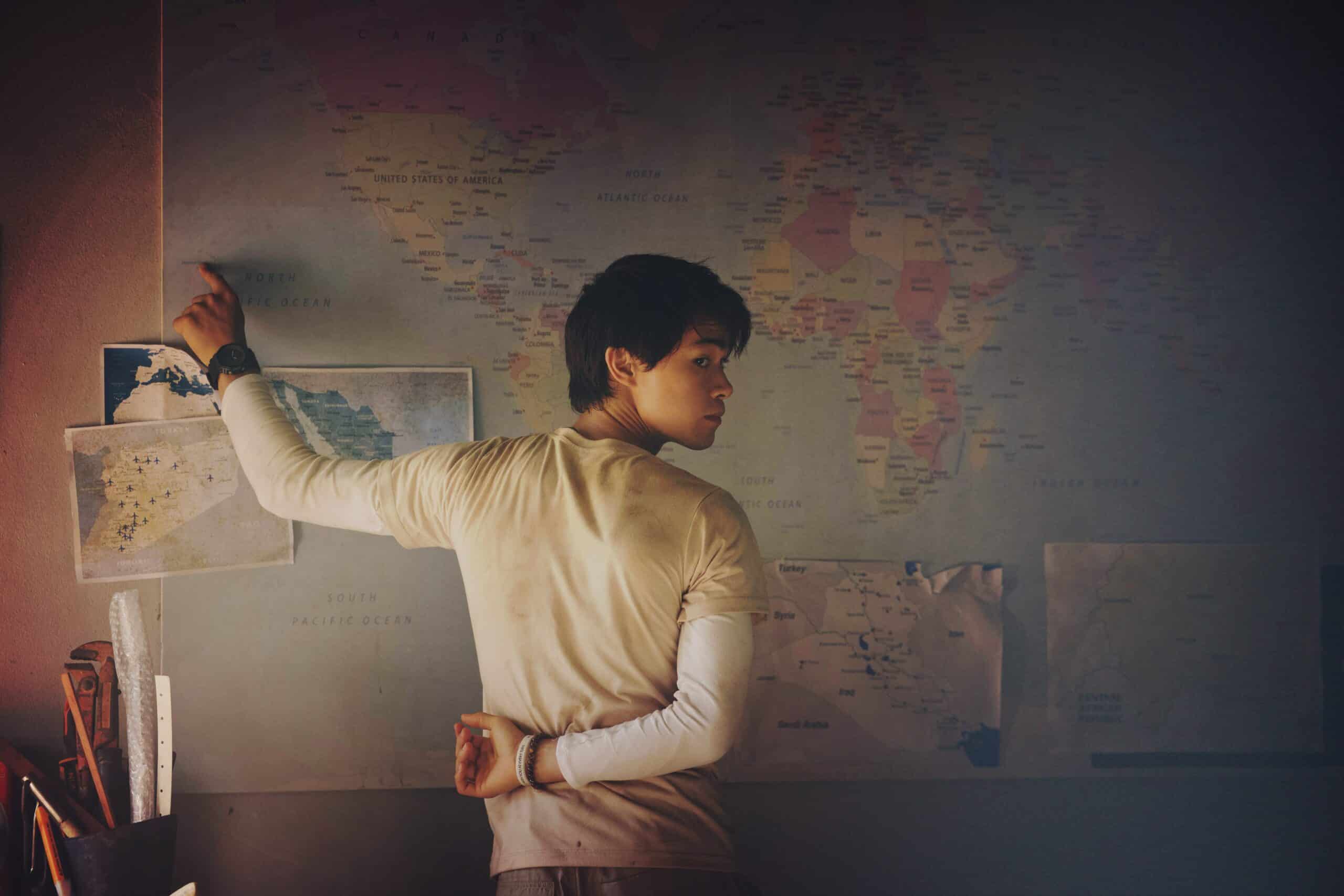
When they finally shared a scene in a church, the tension was thick. “Because I had been distant from my own family during filming, when we finally looked at each other in the scene, it felt incredibly alive. It felt like talking to my dad.”
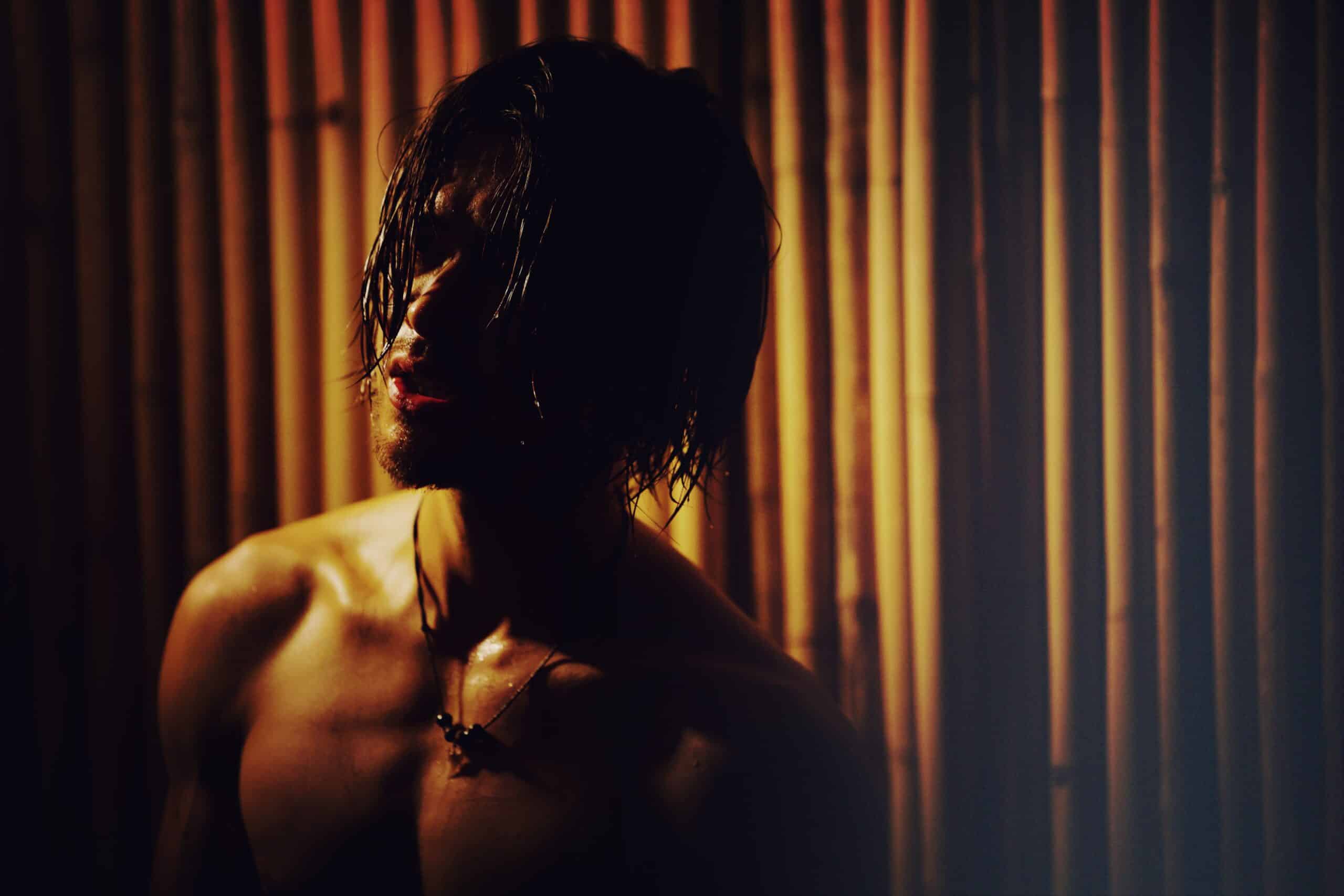
Then there was the body. Sky didn’t just change his accent; he changed his biology. The film was shot in reverse. Sky began the shoot at his physical peak—muscular, disciplined, looking like a man who had trained for a mission. Then, he had to disappear. He lost 30 pounds to play the younger, “scrawny” version of John, whom the crew called “Peanut John.”
“I wanted it to show physically that John was ‘prepared’ for his mission,” Sky explains. To lose the weight, he simply stopped. He stopped lifting. He stopped eating. He wanted to show the naivety of a boy before he became a martyr.
Last Days arrives at a time when indie cinema feels like it’s fighting for air. Blockbusters dominate the conversation, but Lin and Yang have made something that feels stubbornly human. It’s a film about the “invisible” nature of the Asian experience and the lengths someone will go to feel seen.
“It made me immensely sad to see how people dehumanized him after his death,” Sky says of the real Chau. “People mauled him across the internet without considering his family.”
The film doesn’t try to provide a perfect record. It’s a metaphor for how we isolate ourselves in search of a tribe. It asks why a young man would head for the most restricted island on Earth just to find unconditional love.
As Sky prepares for the London release, he’s already looking at his next project. He has his own film collective, This Is Our Youth, and a feature he wrote and directed himself. He seems to have taken Lin’s “by any means necessary” attitude to heart.
“Films only get made by a sheer act of will,” he says. In Last Days, that will is on full display. It’s a performance that doesn’t ask you to agree with John Chau, but it forces you to look at him. Not as a headline, but as a person.
Join MilkTea at BFI Southbank (NFT1) to celebrate the Year of the Fire Horse with the UK Premiere of Last Days. Director Justin Lin and star Sky Yang will join Zing Tsjeng for a live post-screening Q&A.
Help demonstrate the demand for ESEA-led cinema on the UK’s biggest screens.
-
Tickets: £10 with code MILKTEA (Select “Audience Offer”)
-
25 & Under: £4
-
Bonus: Every attendee receives a traditional hong bao
-
Booking: Click here to book